







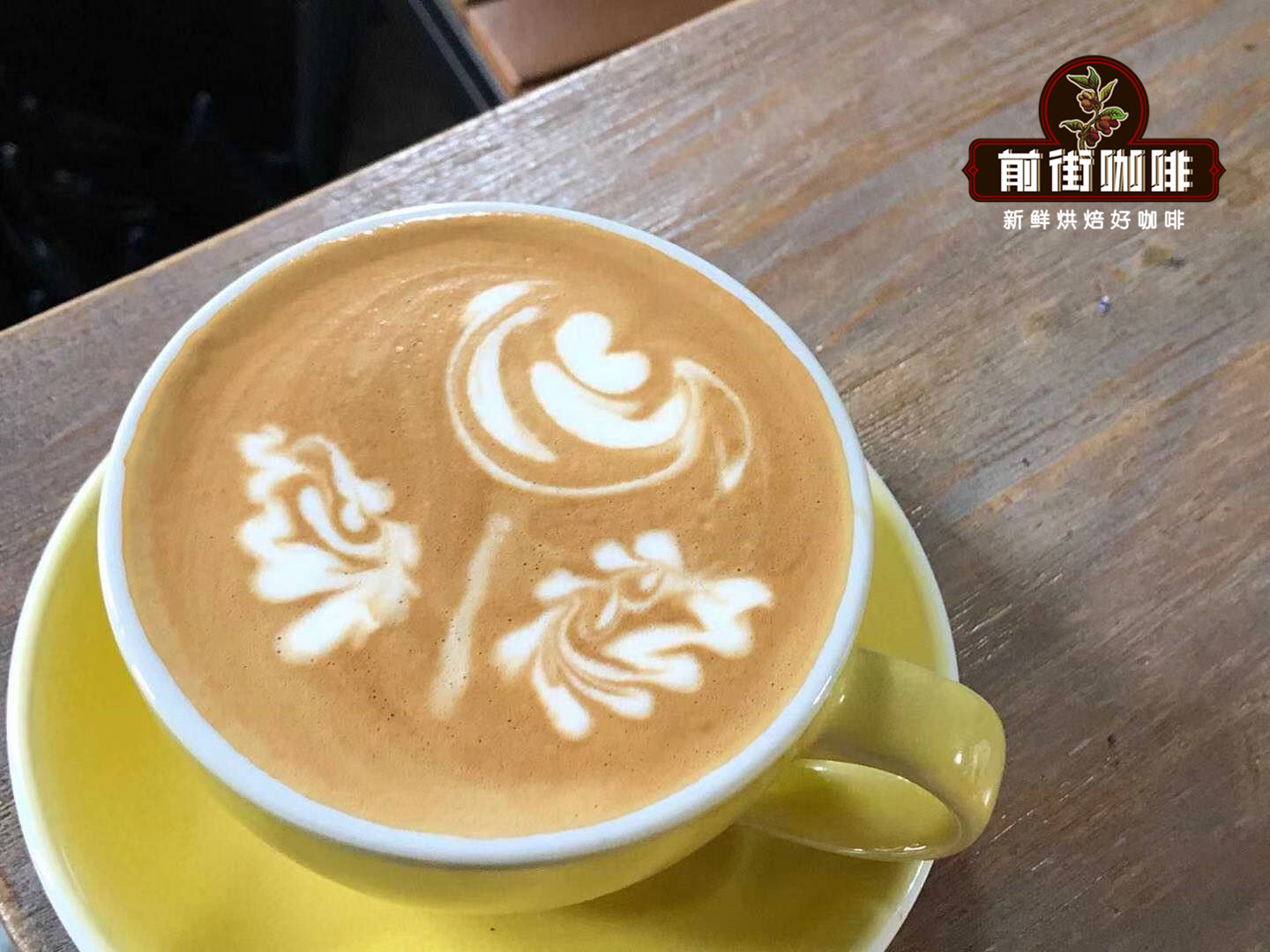
Introduction:Latte, mocha, and cappuccino are entry-level coffees for many people, but do you really understand their differences? This article delves into the characteristics of these three classic coffees—from coffee bean selection, ratio blending, latte art techniques to flavor details—to help you find your perfect match and master the key points of choosing the right coffee beans.
On café menus, latte and mocha are always among the top choices, yet many customers have only a vague understanding of their distinctions. In reality, these two coffees belong to different categories: latte stars the milk, with the bitterness of espresso softened by a large amount of fresh milk—ideal for those who prefer milky aroma over caffeine stimulation. Mocha, on the other hand, is divided into pure and flavored versions depending on the recipe. Pure mocha highlights the coffee’s inherent sweetness, acidity, and richness, while flavored mocha incorporates chocolate syrup and whipped cream, delivering a sweet and creamy flavor.
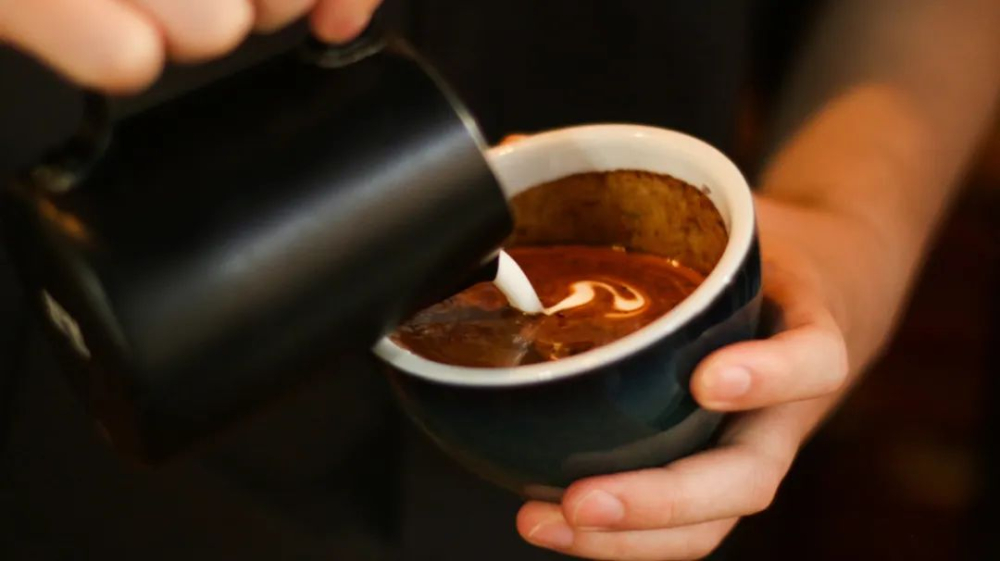
The essence of latte coffee lies in the classic combination of Italian espresso and milk, a pairing beloved by Italians and even a breakfast favorite for many. Traditionally, Italian families would brew coffee and milk together in the morning, enjoying this simple yet satisfying start in the sunlit kitchen. For Italians, the charm of latte comes not only from the espresso but also from the delicate aroma extracted from the milk by the espresso—a transformation that breathes new life into ordinary dairy.
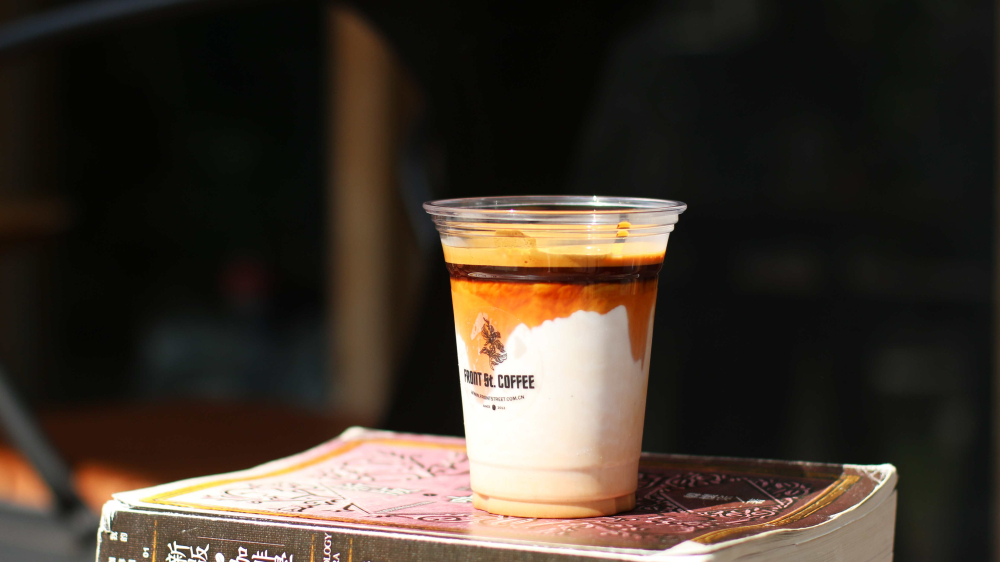
As for mocha coffee (Mocca Cafe), it is a historic beverage composed of Italian espresso, chocolate syrup, whipped cream, and milk. As early as the 15th century, coffee beans from the Middle East and Africa were primarily exported through Yemen’s Mocha Port. At that time, beans from these regions were collectively referred to as “mocha coffee” due to their trading hub. Even after the port’s prominence waned, the name stuck, now specifically denoting beans from that area. Over time, to recreate the chocolate flavor, bartenders and baristas began adding chocolate syrup and whipped cream to coffee, gradually shaping the modern mocha we know. The promotion by international chains like Starbucks further popularized this chocolate-infused milk coffee.
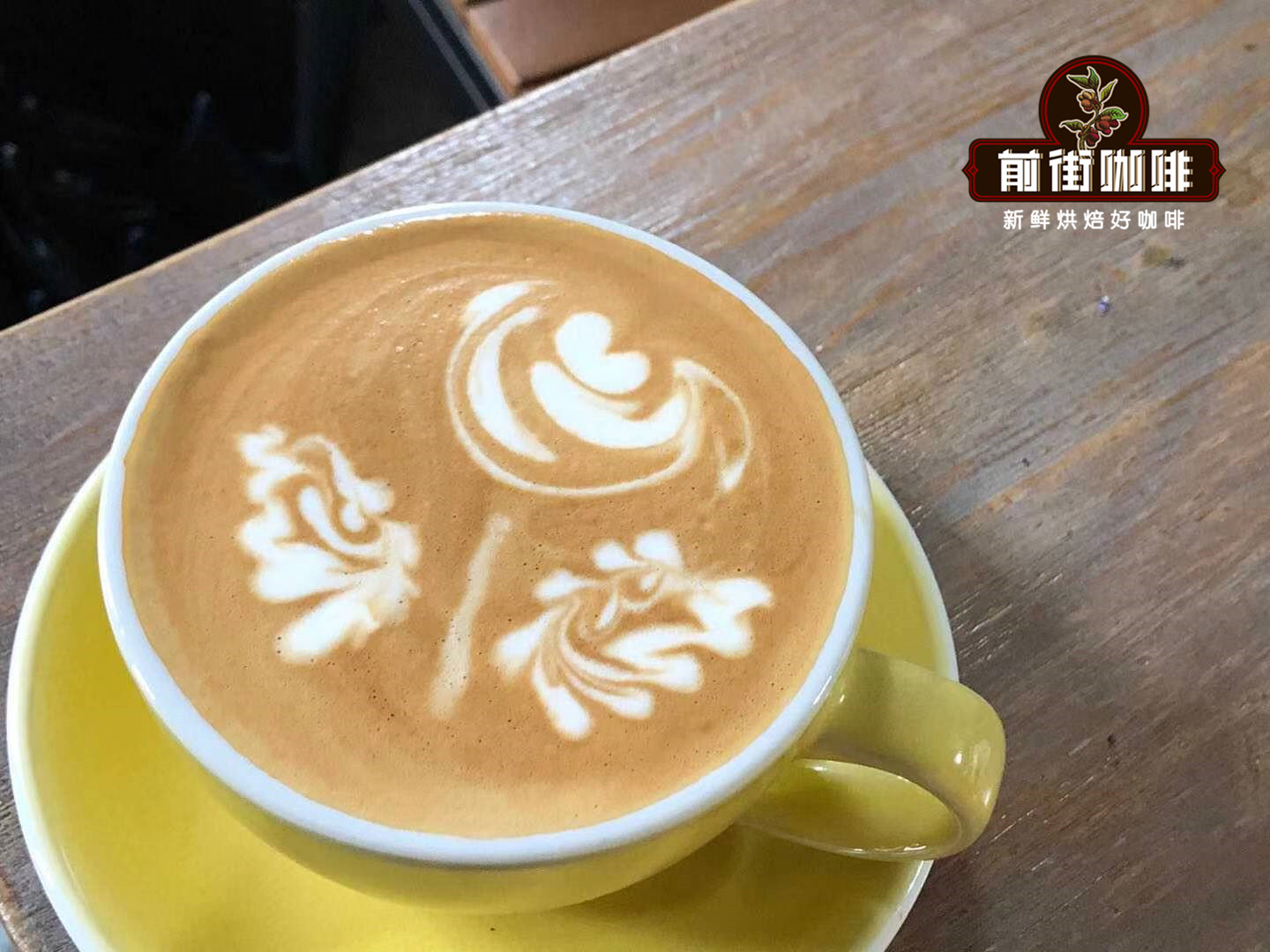
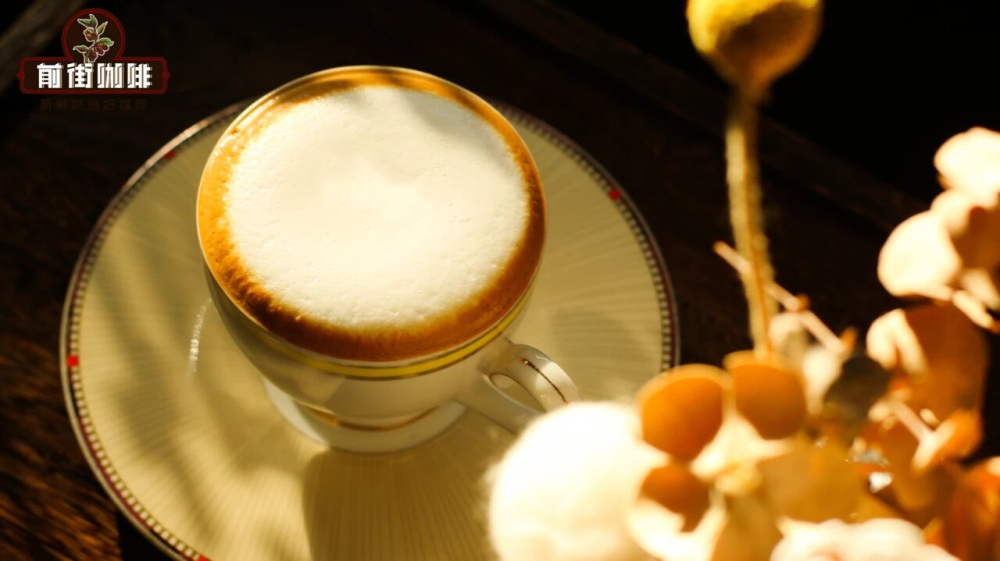
When discussing the differences between latte and cappuccino, the most直观 way to tell them apart is by observing their latte art.Latte requires thinner milk foam, about 1-2 centimeters thick, which gives the coffee good fluidity, allowing for delicate and intricate designs. Hence, “latte art” becomes a stage for professional baristas to showcase their skills. In contrast,cappuccino uses thicker milk foam, typically 3-5 centimeters. The excessive foam makes it difficult to draw fine lines, so it often features carved decorations or skips the latte art step altogether.
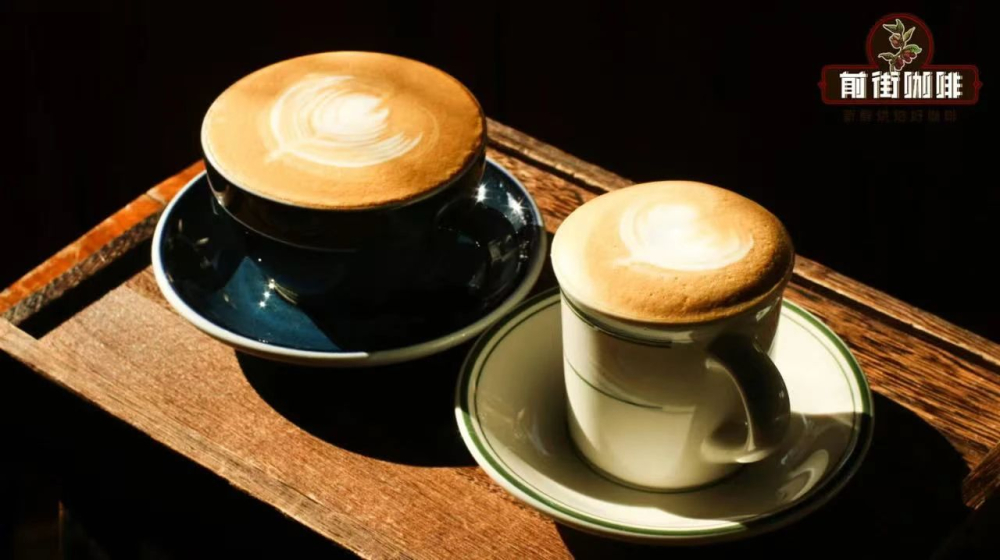
Beyond appearance, the two also differ significantly in taste. Taking a common specialty blend coffee bean as an example—this bean, a medium-dark roast combining Brazilian and Colombian origins, offers aromas of cocoa, chocolate, cookies, and cream, making it highly compatible with milk. In a latte,milk makes up 70%, milk foam about 20%, and coffee only 10%. This ratio delivers a rich milky aroma and smooth texture, drastically reducing the coffee’s bitterness and suiting those who prefer milder flavors. Cappuccino, however, followsthe golden ratio of equal thirds: milk, milk foam, and coffee. With less milk, the coffee’s original aroma is preserved, and the texture is as soft as marshmallow, ideal for consumers seeking a robust coffee experience.
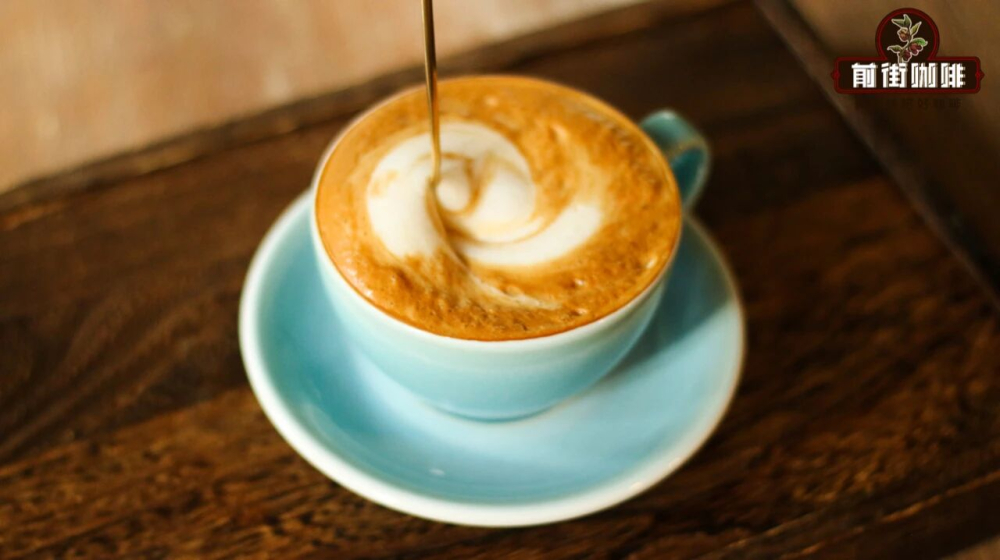
Additionally, the origins of these three classic coffees are each unique. Latte, meaning “milk” in Italian, originally referred to simply hot coffee with hot milk added. It wasn’t until Italian Achille Gaggia invented the steam-pressure espresso machine that the modern Italian latte gradually took shape. Cappuccino was born alongside the advent of the steam coffee machine, its name inspired by the brown habits and pointed hats worn by church friars, symbolizing the coffee’s rich layers in both appearance and flavor. As for mocha, beyond being a coffee variety, it also carries the memory of coffee trade history—from the ancient traditions of Yemen’s Mocha Port to the innovative interpretations of modern flavored blends, showcasing the diverse facets of coffee culture.

If you’re looking for the right coffee beans, it’s recommended to choose based on your drinking preferences:Latte suits beans with medium-light to medium-dark roasts and sweet aromas, such as Brazilian nuttiness or Colombian chocolate notes;Mocha can opt for beans with distinct chocolate or fruity acidity traits, to enhance the pairing with chocolate syrup;Cappuccino prefers medium-dark roasted beans with balanced acidity and a full body, to support the thick milk foam and layered coffee texture. Understanding these details not only elevates your coffee tasting experience but also helps you select the perfect coffee combination tailored to your taste.
The above content is compiled by CoffeeHunters, a coffee news website.


