








Introduction:Want to easily make a cool and smooth cold brew milk coffee at home? This article tests brewing with milk instead of water through cold steeping, analyzing key steps such as coffee bean selection, grind size, ratio adjustment, and low-temperature soaking. From common extraction mistakes to milk storage tips, it guides you through the complete process of making a cold brew latte and explains how different roast levels of coffee beans pair with milk in terms of flavor.
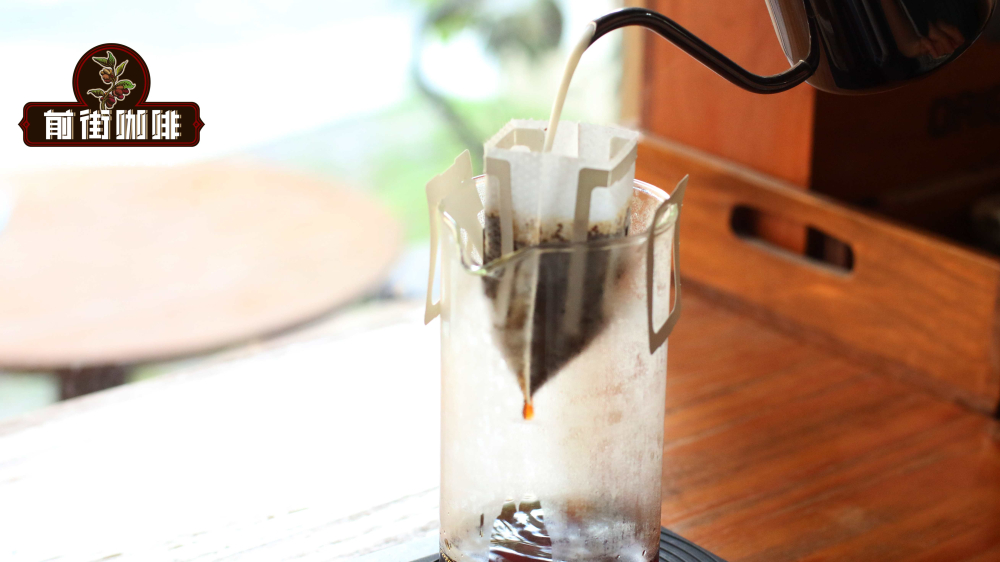
Many coffee enthusiasts have wondered: can milk be used for pour over coffee? The answer is that it’s generally not feasible. First, pour over requires water at temperatures above 90°C, and once milk is exposed to high heat, the amino acids and sugars in it can easily produce harmful compounds like furfural. Additionally, milk itself has a high concentration, resulting in low extraction efficiency for coffee components, making it difficult to effectively bring out desirable flavors.

However, if you switch to using milk with coffee grounds for low-temperature cold brewing, the situation changes significantly. The cold brew process doesn’t require high heat, which prevents the milk from spoiling while enhancing extraction through prolonged soaking. Although milk isn’t as efficient as water at extracting coffee compounds, extending the time still yields a milk coffee with balanced flavors.
When selecting coffee beans, medium to dark roasts are the top choice. These beans typically exhibit rich profiles of dark chocolate, caramel, and roasted nuts, which become even more intense and full-bodied when paired with milk. It’s recommended to choose beans with stable flavor profiles, such as blends with distinct sherry notes and a rich body, which can add layers of complexity to the milk coffee.
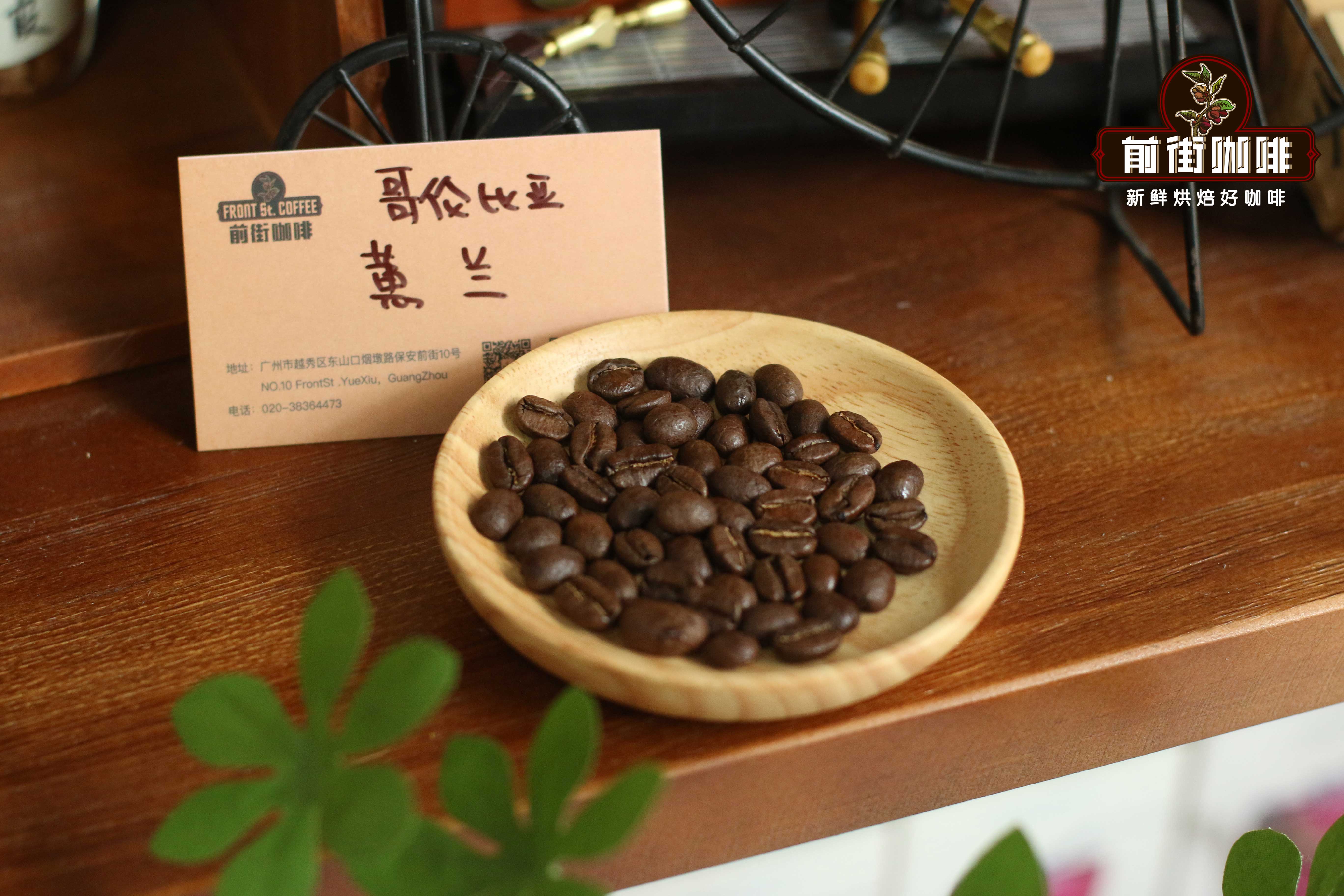
For this test, we used a sunflower-warm-sun blend with a well-balanced flavor profile. Its official flavor notes include vanilla cream, sherry, brown sugar, and chocolate. To enhance the richness of the milk coffee, the cold brew ratio was adjusted to 1 part coffee grounds to 8 parts milk. This ratio effectively balances the strength of the coffee and the milk, avoiding being overly diluted or excessively bitter.
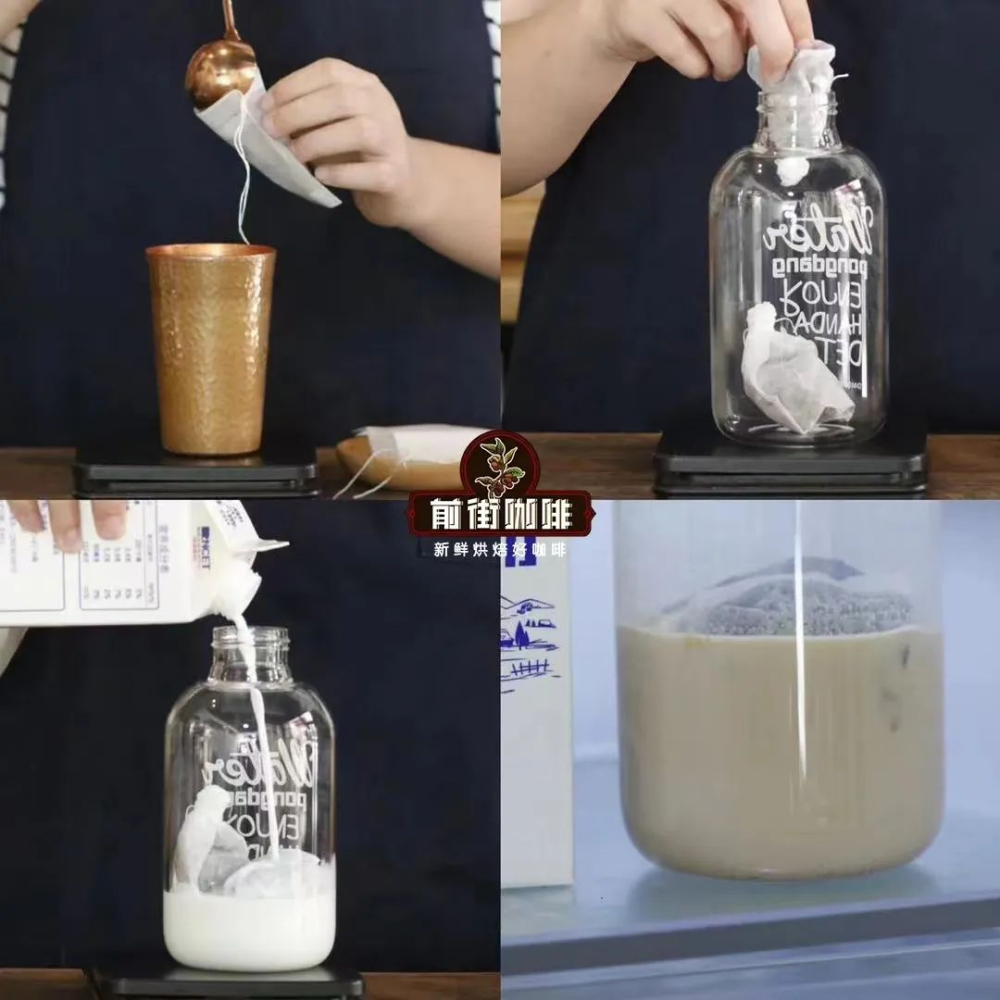
The specific steps are as follows: First, grind 25 grams of coffee beans to a fineness similar to superfine sugar, using a #20 sieve to ensure an 85% pass rate. After grinding, place the coffee grounds into a filter bag—this step is crucial. Previously, pouring the coffee grounds directly into the milk led to extremely slow and troublesome filtration. Wrapping the coffee grounds in a filter bag greatly simplifies the subsequent filtering process.
Place the filter bag containing the coffee grounds into a clean bottle, then pour in 200 milliliters of fresh milk. It’s recommended to gently shake the bottle or use a tool to ensure the coffee grounds are evenly soaked. Then tightly seal the bottle cap, ensuring good airtightness, and place it in the refrigerator for low-temperature storage. This step is extremely important, as milk can easily spoil at room temperature or if the seal is inadequate, so it must be kept in a cold environment.
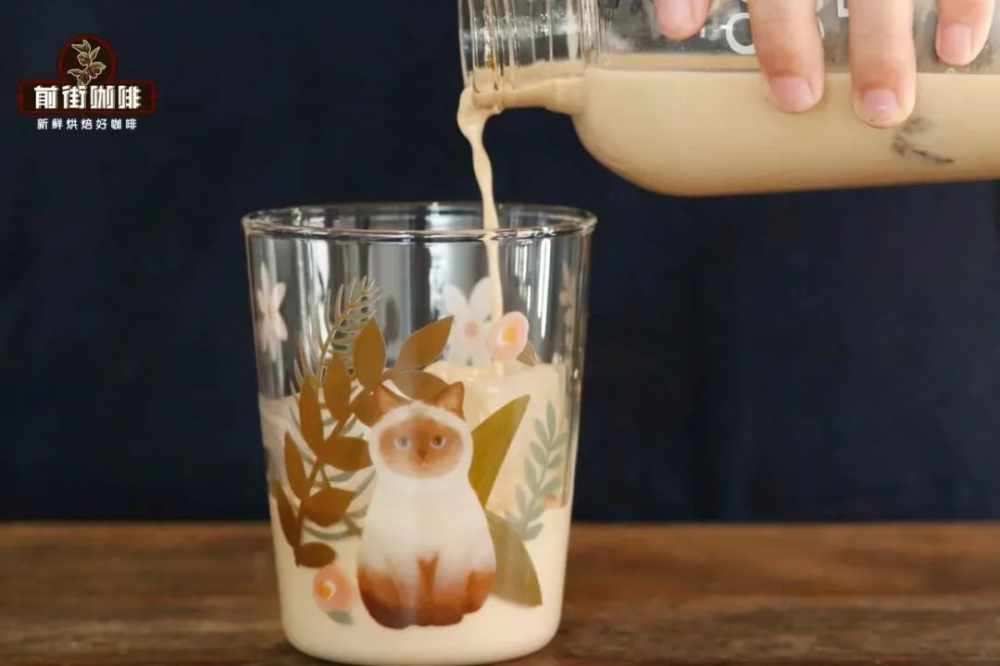
The recommended soaking time is 12 hours. Soaking for too long may increase the risk of milk spoilage. If you want to improve extraction efficiency, you can gently shake the filter bag during the soaking period. Once the time is up, you can either pour out the milk coffee directly or remove the filter bag. The finished product should have a color similar to a typical iced latte, with a delicate aroma of sherry and the sweetness of lactose.

When tasting, you can clearly perceive a chocolate milk flavor, with moderate overall strength and a smooth mouthfeel. One tester commented: “Add ice cubes, and a cold brew latte that has been steeped for 12 hours is complete.” This method is not only simple and easy but also allows you to adjust the coffee-to-milk ratio and soaking time according to personal taste, creating a customized milk coffee flavor.
A small tip: If you prefer a richer and fuller-bodied milk coffee, consider using high-quality coffee beans that have undergone multiple hand-picked selections. These beans have a lower defect rate and can showcase clearer aromas and excellent aftertastes. Additionally, it’s recommended to use freshly chilled milk and consume the brew as soon as possible after extraction to achieve the best flavor experience.
The above content is compiled by CoffeeHunters, a coffee news website.


