







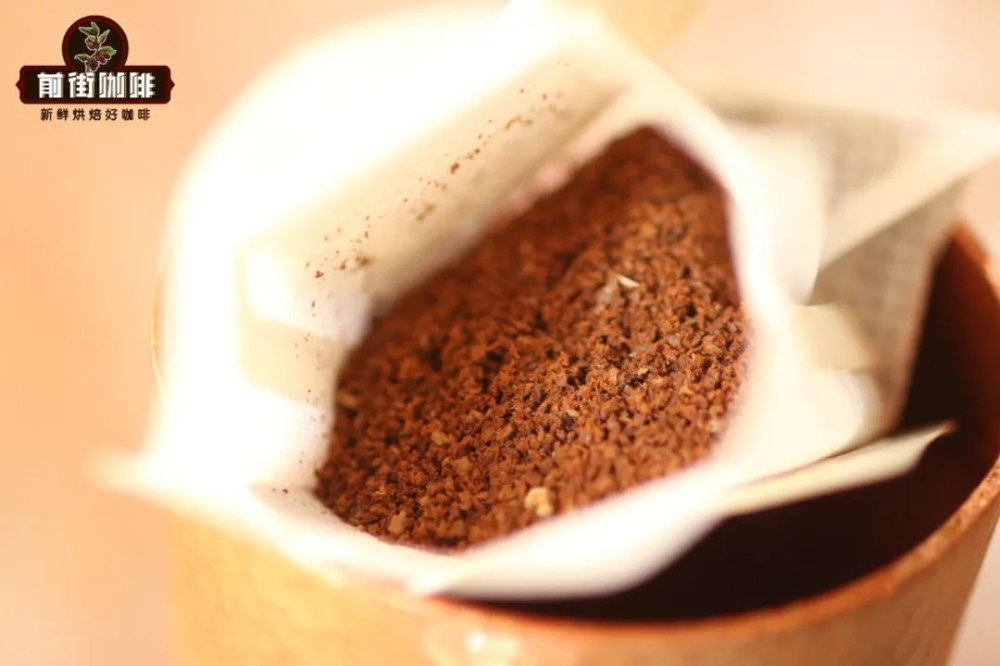
Introduction:Drip bags combine convenience with brewing flexibility, making them a top choice for many busy coffee enthusiasts. This article will delve into the key points of brewing drip bag coffee, analyze the advantages of freshly roasted beans, provide purchasing guidance tailored to different flavor preferences, and explain standard brewing steps and parameters in detail—all to help readers easily master home coffee brewing techniques.
The greatest feature of drip bag coffee is its simplicity—there's no need for professional pour over equipment, nor for precise control over pouring technique, timing, or ratios. With just sufficiently hot water and an appropriate coffee-to-water ratio, you can quickly enjoy a cup of coffee with the flavor of freshly ground beans. Compared to traditional pour over, drip bags have a lower technical barrier and are very suitable for beginners in the coffee world.
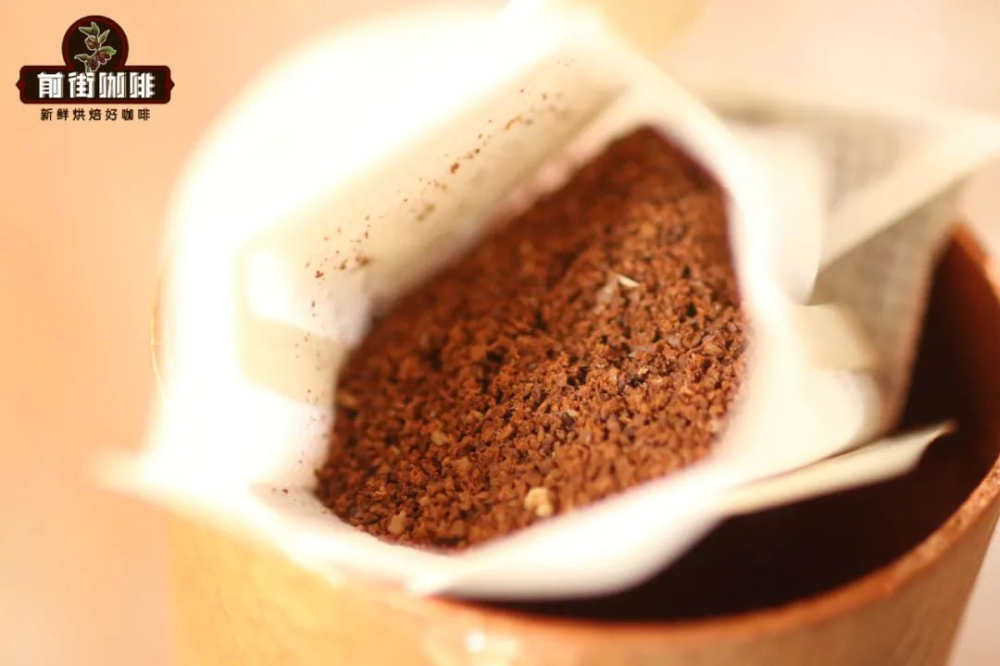
However, due to their simplified operation process, drip bags generally do not showcase flavors as delicately or diversely as pour over. In addition, since the coffee grounds are pre-ground and sealed, their aroma can gradually dissipate after exposure to air. If stored for more than a few months, woody off-flavors may even emerge, affecting the overall drinking experience.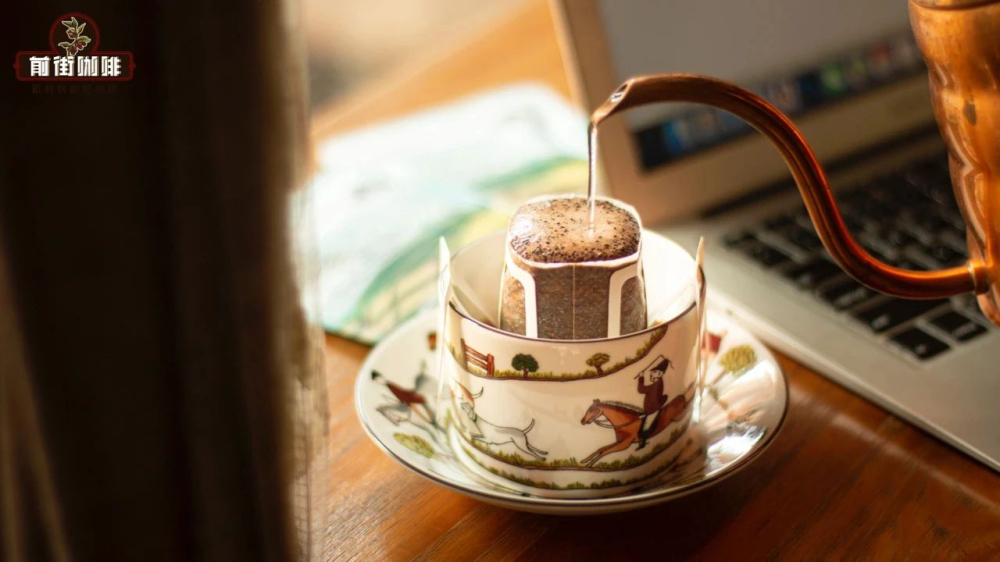
To best present the original flavors of the coffee, it is recommended to choose freshly roasted drip bag products. Generally speaking, coffee beans exhibit their optimal flavors within five days after roasting. For drip bags, they are usually roasted four to five days before delivery, so it’s best to brew them as soon as possible to get the most vibrant aroma. If you're pursuing the ultimate complexity of flavors, buying whole beans and grinding them fresh for brewing remains the more ideal option.
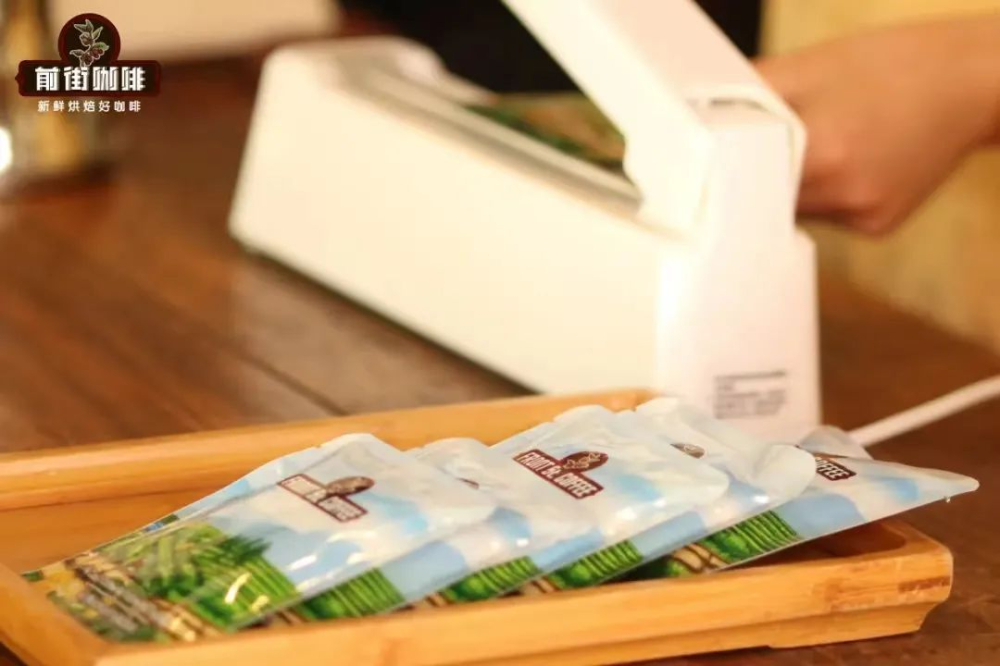
 When choosing the right drip bag coffee, it's first important to understand the flavor differences brought by various regions and processing methods. For example, if you enjoy floral and fruity aromas, you might consider beans from Panama that exhibit prominent floral characteristics. Those who prefer bright acidity and flavors reminiscent of black tea or berries can opt for blends with lively acidity. If you lean toward balanced taste—neither too acidic nor bitter—with a neutral flavor profile, Brazilian beans are usually a safe and popular choice. For coffee lovers seeking rich, full-bodied flavors with a pronounced aftertaste, it’s recommended to choose high-grade Mandheling beans that have undergone multiple screenings. These have a lower defect rate and can showcase clearer aroma profiles and long-lasting sweetness.
 Here is a detailed guide for brewing drip bag coffee: First, boil water and prepare a clean cup or a sharing pitcher. Carefully open the drip bag packaging, tear along the dotted line to open the non-woven filter pouch, then unfold the two “ears” on either side and hang them over the rim of the cup or the mouth of the pitcher to secure.
The first step is the bloom: slowly pour a small amount of hot water to ensure all the coffee grounds are evenly wetted, and let it sit for about 10 to 20 seconds. This process helps release carbon dioxide trapped inside the coffee grounds, making subsequent extraction smoother and more stable, while also awakening more flavor compounds.
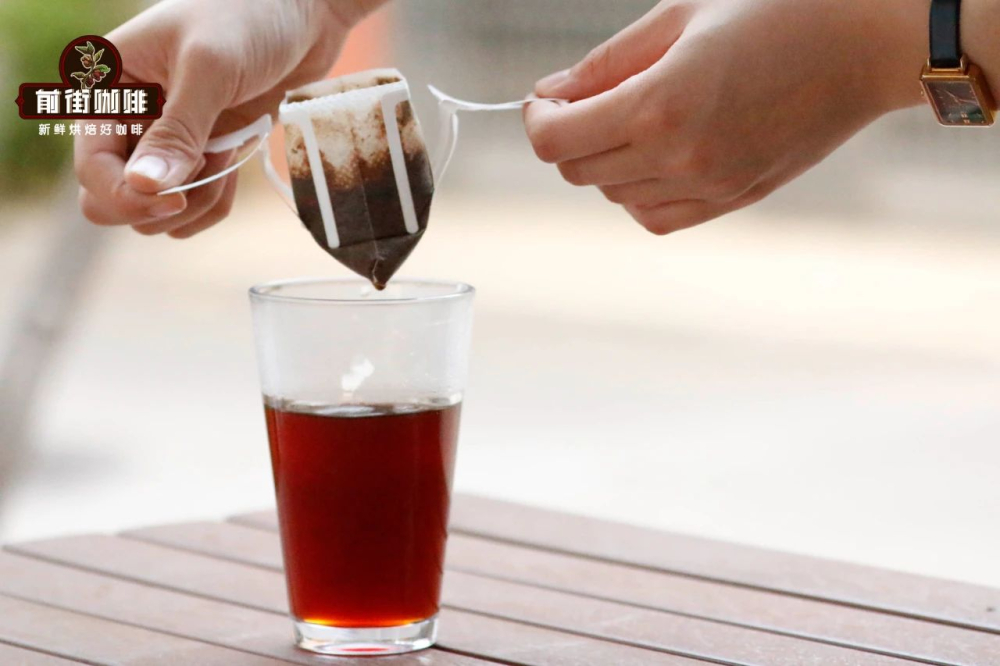
Next comes the main extraction phase: continue pouring with a steady, fine stream of water until the liquid level approaches the rim of the cup. At this point, pause pouring and allow the coffee to slowly drip through until the water level visibly drops. For the final pour, add more water to reach the total desired volume—recommend aiming for around 150 grams in total. Once all the coffee has completely filtered through, your fully flavored drip bag coffee is ready to enjoy.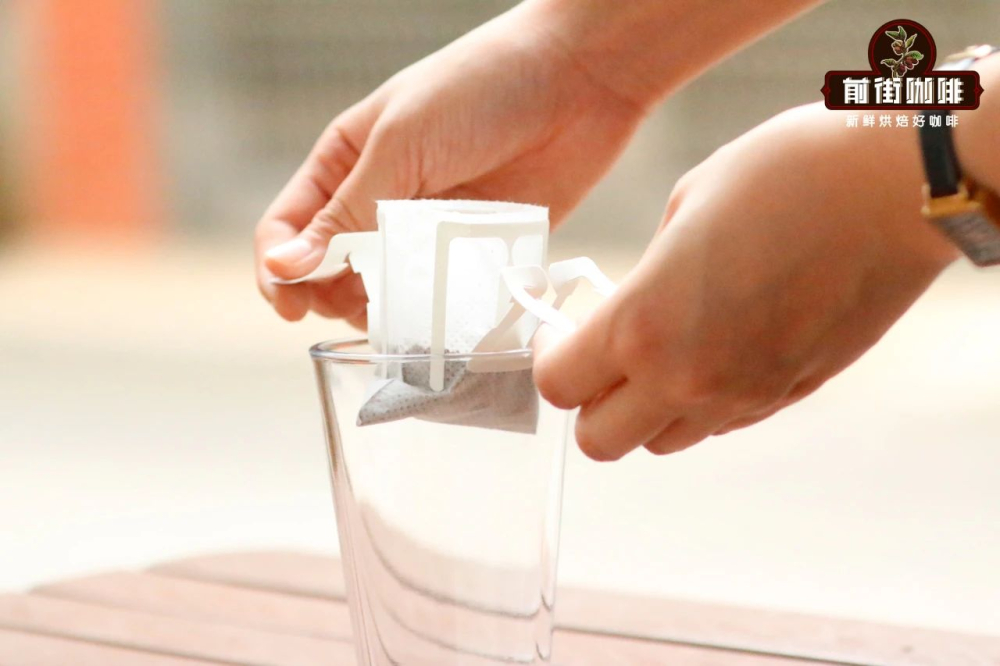
The above content is compiled by CoffeeHunters, a coffee news website.


