







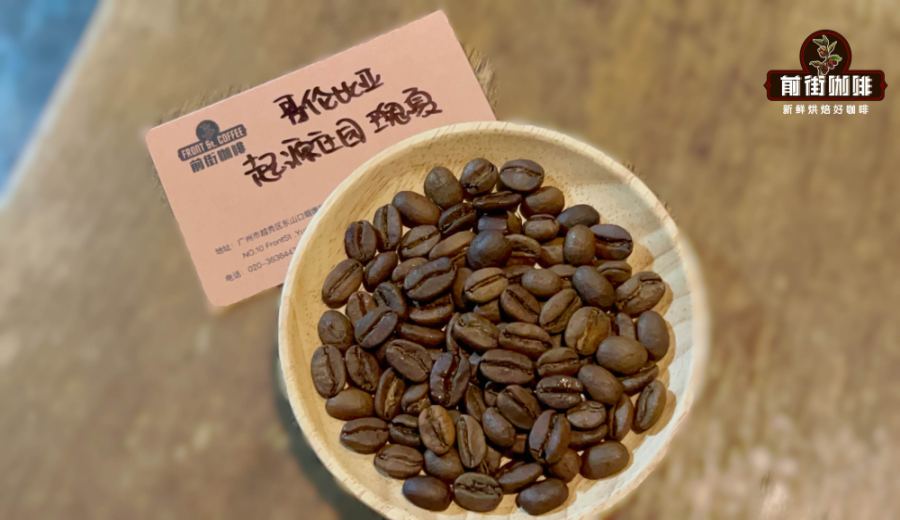
Introduction:This article delves deep into an anaerobic natural Geisha coffee from the Origin Farm in Colombia’s Huila region. It explores everything from the region’s geography and microclimate, to the migration history of the Geisha variety, to how anaerobic fermentation processing influences flavor — offering a comprehensive breakdown of what makes this specialty coffee so unique. The piece also provides practical pour over recommendations to help you fully bring out the berry, floral, and full-bodied characteristics of this bean.
The Geisha (Geisha) coffee variety first gained international acclaim in Panama, and has since gradually expanded to multiple Central and South American producing countries, with particularly impressive results in Colombia. This article will detail an anaerobic natural processed Geisha from the Origin Farm in Colombia’s Huila region, analyzing the origins of its flavor profile through factors such as the growing environment, the variety’s background, and the processing method. This coffee demonstrates a captivating cup profile in sensory evaluation, featuring complex layers of fruity gummy candy, blackcurrant, hibiscus, orange blossom, and lemon black tea, with a round and full mouthfeel.
Colombia is a globally renowned coffee-producing country and has long ranked among the top three in production volume. Although it primarily supplied commercial-grade coffee beans prior to 2001, the country has gradually shifted toward the specialty coffee market — and with notable success. The nation features diverse terrain, and its three north-to-south Cordillera mountain ranges have given rise to numerous high-altitude microclimates with significant day-night temperature variations, allowing coffee cherries to ripen slowly and facilitating the accumulation of flavor compounds. The country is home to approximately 2.7 billion coffee trees, over sixty percent of which are cultivated using modern methods, while the rest are grown on traditional smallholder farms, resulting in a rich and varied coffee flavor spectrum.
The star of this feature — Finca El Orige — is located in Colombia’s Huila region, an area characterized mainly by hilly terrain with elevations generally exceeding 1,500 meters. The region is crisscrossed with rivers, and its humid climate and abundant water resources provide ideal growing conditions for specialty coffee. Compared to the general perception of Colombian coffee as “balanced and full-bodied,” many smallholder microlot coffees from the area actually exhibit distinct regional personalities and unique flavor expressions.
When it comes to the heart of this coffee — the Geisha variety — its origins can be traced back to the Gesha Forest in Ethiopia in 1931. It was later taken to Kenya for research, then spread to Uganda and Tanzania, was introduced to Costa Rica in 1953, and didn’t arrive in Panama until the 1960s. Interestingly, Geisha remained underappreciated in Panama for a long time, until around the year 2000, when Hacienda La Esmeralda discovered its distinctive citrus acidity and delicate floral notes, which helped it begin to stand out. In 2004, the variety won first place in the Best of Panama (BOP) competition, and it has since been gradually introduced to other Central and South American countries, including Colombia.
Geisha is extremely particular about its growing environment. The ideal planting altitude is around 1,625 meters, requiring cloud cover, fertile soil, and ample warmth. The suitable annual average temperature range is 16°C to 25°C, and the annual rainfall needs to reach around 3,500 millimeters — conditions that are often met in high-altitude regions like Colombia’s Huila.
What makes this Colombian anaerobic natural Geisha truly special is its use of the anaerobic natural processing method. This approach builds on traditional sun-drying by first placing freshly harvested coffee cherries into a sealed container to ferment in a low-temperature, oxygen-free environment. The anaerobic conditions slow down the breakdown of mucilage and changes in pH, making the fermentation process more gradual and helping to accumulate flavor compounds, thereby yielding a richer sweetness and greater complexity. The fermentation temperature is generally controlled between 10–15°C and must be closely monitored throughout. The fermentation period typically lasts more than three days, after which the cherries are moved to the sun for drying. Eventually, the pulp is removed to extract the coffee beans.
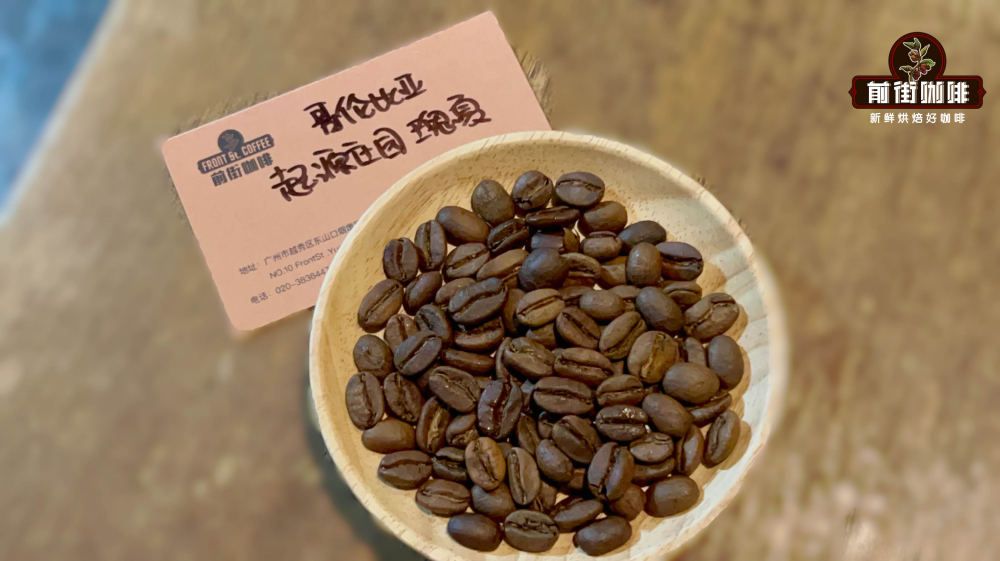
For coffee enthusiasts who enjoy pour over brewing, this Colombian anaerobic natural Geisha also performs excellently. Recommended pour over parameters are as follows: use 15 grams of coffee, set the coffee-to-water ratio at 1:15, control the water temperature at around 90°C, and choose a medium-fine grind size, roughly 80% passing through a #20 sieve. Use the three-pour method: start by pouring about 30 milliliters of water for a 30-second bloom; then pour 100 milliliters in small circular motions, and when the water level drops to about half, proceed to the third pour with the same method, adding another 95 milliliters. The total extraction time should be kept to around two minutes, which helps fully highlight the layered flavors of berries, flowers, and a full-bodied finish.
The above content is compiled by CoffeeHunters, a coffee news website.


