







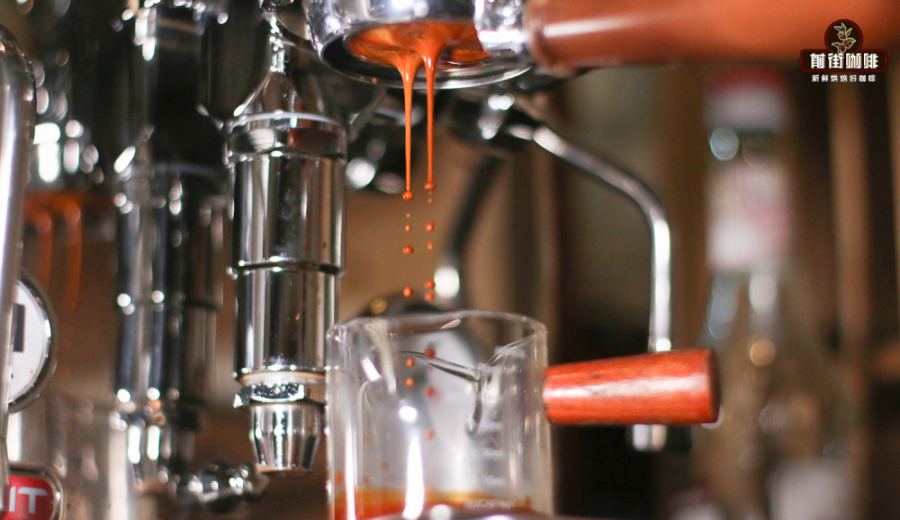
Introduction:Espresso extraction is extremely sensitive to changes in parameters—slight deviations can significantly impact flavor performance. This article provides an in-depth professional analysis of the six key factors influencing espresso extraction, including grind size settings, coffee dose selection, brew ratio configuration, extraction time control, flow rate observation techniques, and equipment pressure & temperature adjustments. It also offers practical guidelines for dosing and distributing coffee grounds to help coffee enthusiasts master the essence of espresso preparation with precision.
Brewing the perfect shot of espresso hinges on precise control of extraction parameters. Compared to pour over coffee, espresso is far more reactive to parameter changes, with even minor adjustments yielding noticeable differences in the final cup. This article systematically introduces the core variables affecting espresso extraction, starting from the most fundamental dose selection and progressively delving into critical aspects such as brew ratios, extraction time, and flow rate observation—while emphasizing the pivotal role of grind size adjustment.
Before adjusting any parameters, it’s essential to first understand your equipment’s basic specifications.Coffee Dose SelectionThis primarily depends on the capacity of your portafilter basket. Common double baskets have standard specifications of 16g, 18g, 20g, and 22g—values that fall within manufacturers’ recommended optimal ranges. In practice, allowable deviations should be kept within 1g. For example, a 18g basket might reasonably accommodate a dose range of 17–19g. Note that significantly deviating from a basket’s standard capacity can affect puck density.
Even minor variations in dose directly influence puck compaction. Under consistent tamping pressure:Insufficient Doseresults in a loose puck structure, causing water to pass through too quickly and often leading to under-extraction.Excessive Dosecreates an overly dense puck that restricts water flow, not only prolonging extraction time but potentially causing complete extraction failure in severe cases. Thus, maintaining the dose within the basket’s specified reasonable range is foundational for stable extraction.
Next comesBrew Ratioconfiguration—the key factor determining espresso concentration and flavor balance. Traditional espresso ratios are expressed as the weight ratio of coffee grounds to extracted liquid, with the most common standard being 1:2 (e.g., 20g of coffee yielding 40g of espresso). This ratio typically ranges between 1:1.5 and 1:2.5, with 1:2 considered the balanced benchmark. Ratios set too low produce overly intense, heavy cups that often highlight bitter notes from over-extraction, while ratios set too high result in thin, under-extracted acidity.
RegardingExtraction Timecontrol, this generally refers to the entire process from locking in the portafilter to completing the shot. The recommended duration typically falls between 20–30 seconds, with specifics influenced by both grind size and brew ratio. Grind size has particularly pronounced effects—finer grinds create denser pucks, increasing water resistance and naturally extending extraction time, whereas coarser grinds allow faster flow and shorter extraction. Thus, adjusting grind size is the most direct and effective way to control extraction time.
ObservingFlow Rate Performanceserves as a crucial indicator of whether your parameters are properly set. An ideal extraction should begin dripping coffee around the 5-second mark (excluding pre-infusion), followed by a relatively stable flow. Flow rate changes直观ly reflect parameter appropriateness: if the first drop appears only after 10 seconds (excluding pre-infusion), it usually indicates overly fine grinding or excessive tamping; conversely, excessively fast or even spraying flow suggests overly coarse grinding or channeling. Maintaining a stable, even flow is key to achieving optimal extraction.
On the equipment side,Extraction Pressureis typically maintained around 9 bar—the standard setting for most semi-automatic espresso machines. Some modern high-end models feature variable pressure profiling, allowing pressure adjustments across different stages. Insufficient pressure reduces extraction efficiency, leading to incomplete flavor compound extraction, while excessive pressure may boost extraction yield but also risk over-extracting undesirable flavors. Another critical parameter isExtraction Temperature, where ideal water temperature should be controlled between 90–94°C. Water that’s too hot risks over-extraction, producing pronounced bitterness, while water that’s too cold leads to under-extraction and heightened acidity.
Beyond core parameter adjustments,detailed operational stepsin the brewing process are equally vital. Standard espresso preparation involves dosing, distributing, tamping, machine extraction, and equipment cleaning. Among these, distribution and tamping quality decisively impact final extraction results. When dosing, two issues warrant special attention: first, residual coffee grounds in the hopper and chute may have lost freshness and should be cleared before use; second, weighing accuracy—using a high-precision scale to maintain ±0.1g error margins ensures consistent dosing for each shot.
During operation, also pay heed toPuck Residue Management—a commonly overlooked detail. Take the Feima 900N grinder, for example: its internal pathways may retain ~2g of coffee grounds. For a 20g double shot, this equates to a 10% impact on the intended dose. Even for doserless grinders, though more convenient, factors like RPM fluctuations, bean hopper pressure variations, and inherent differences in bean size/density can still cause actual output deviations. These cumulative factors can significantly affect final extraction outcomes.
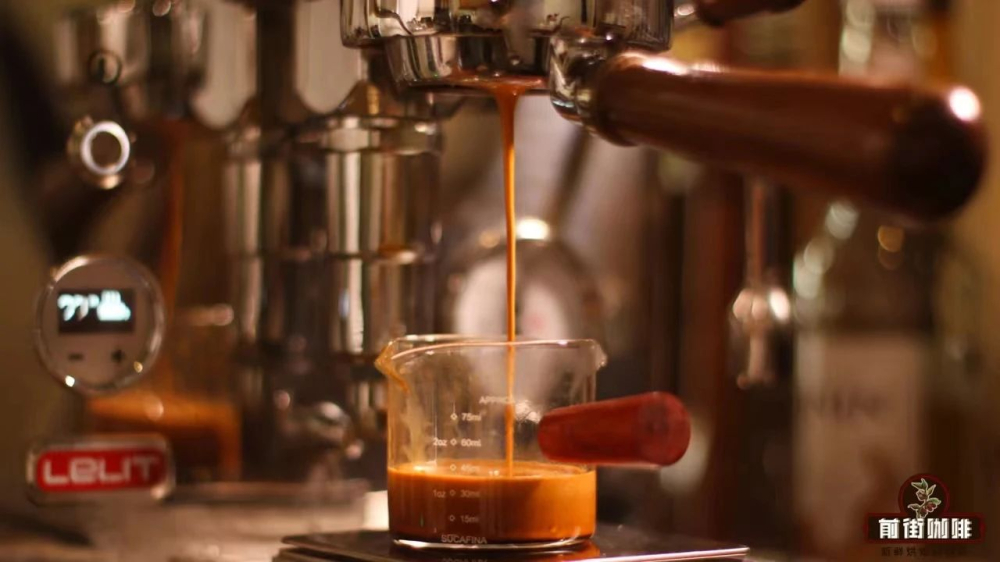
Lastly, maintaining goodEquipment Cleaning Habitsis fundamental to ensuring stable extraction quality. After each shot, promptly clean the portafilter and group head to prevent residual coffee grounds from compromising the next cup. Regularly clear out grinder hoppers, distributors, and tampers—all components in direct contact with coffee grounds—to ensure they remain dry and clean. Establishing standardized operating procedures and cleaning routines is the only way to guarantee consistently high-quality espresso in every cup.
The above content is compiled by CoffeeHunters, a coffee news website.


