








Introduction:Delve into the Musician Series coffee beans from Costa Rica’s Tarrazú region, exploring everything from honey processing methods to the varietal differences among the three flagship beans from Finca Canet. This article provides complete V60 pour over parameters, analyzing extraction performance at 91°C water temperature and a 1:15 coffee-to-water ratio, while comparing the dry and wet aromas as well as flavor profiles of Mozart, Beethoven, and Bach — helping you unlock the flavor potential of light-roasted beans.
Costa Rica is renowned for producing coffee with high sweetness, and the Musician Series from Finca Canet stands as a model of honey processing excellence. Sourced from the high-altitude Tarrazú region, this coffee, through its pulp-retaining processing method, imparts intense floral and fruity notes. This article will guide you through the core distinctions of the series and offer practical pour over brewing solutions.

The popularity of honey processing in Costa Rica stems from the country’s need for effective water resource management. This method, an evolution of Brazil’s pulped natural technique, hinges on controlling the amount of mucilage left on the parchment-covered beans — the more mucilage retained, the more pronounced the resulting sweetness and body. The industry classifies honey processed coffees into five grades from black honey to white honey based on mucilage content, with raisin honey being a special type with extremely high mucilage retention.
The Musician Series primarily features beans from Finca Canet, a family-run farm located in the town of San Marcos. Specializing in Strictly Hard Bean (SHB) cultivation, the Robles brothers — who jointly manage the farm — carefully select red cherries grown at altitudes above 1,900 meters and employ independent water treatment facilities for meticulous processing. Notably, the region is also one of Costa Rica’s main guava producers, meaning coffee plants occupy only limited plots and thus receive more focused care.
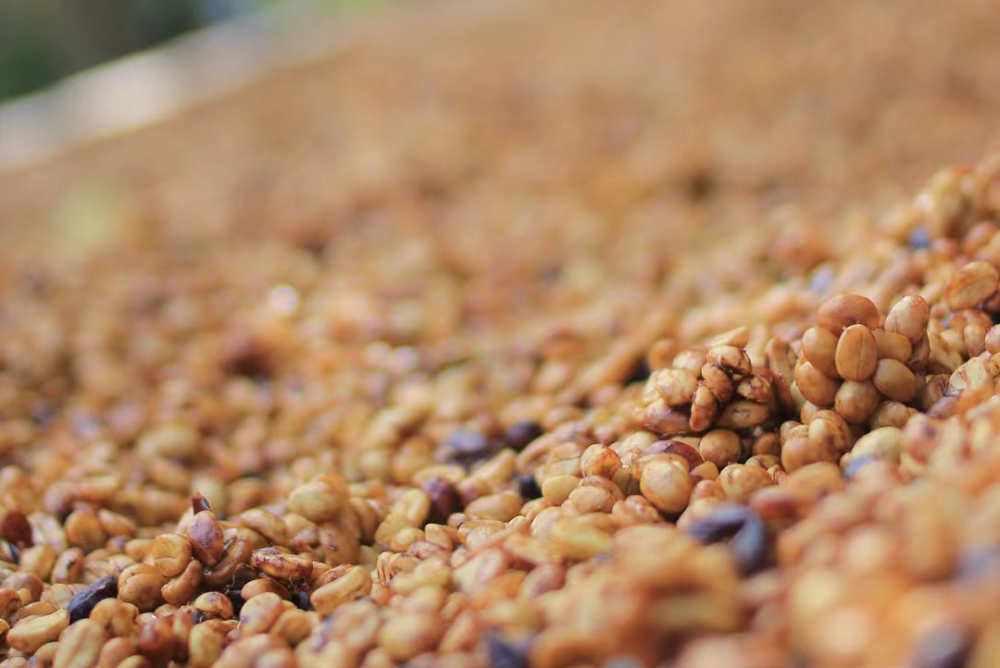
Both Mozart and Bach are processed using raisin honey, a method characterized by initially drying the beans on raised beds for three days before removing the skin but retaining the full mucilage layer. This double fermentation process requires strict monitoring of the drying phase, with constant agitation to ensure evenness and avoid risks of over-fermentation. These two beans are grown at 1,950 meters altitude, with Mozart being a blend of Caturra and Catuaí, and Bach being pure Caturra, each showcasing distinct aromatic profiles.
In contrast, Beethoven highlights clarity through the washed processing method. After the mucilage is removed via a centrifugal washer, the beans are slowly dried on shaded raised beds for 12–14 days, resulting in a bright citrus-forward profile. Although also from the Tarrazú region, the combination of 1,900-meter altitude and the Yellow Caturra variety offers a harmonious balance of black tea and caramel flavors.

As one of Costa Rica’s eight major coffee-growing regions, Tarrazú is known for its high-altitude environment, with over 95% of its coffee classified as Strictly Hard Bean. While the renowned La Minita estate has limited production, it serves as a benchmark for quality — thanks to its rigorous hand-picking standards that ensure every bean meets optimal ripeness. Though part of the same origin, the Musician Series exhibits clear flavor distinctions due to microclimate and varietal variations.
For actual pour over brewing, it is recommended to use a V60 filter cone with water at 91°C.Use 15 grams of coffee grounds at a 1:15 coffee-to-water ratio.Grind to a size where 80% passes through a #20 Chinese sieve. The specific brewing steps are as follows: start with a 30-gram bloom for 30 seconds, then pour in a slow circular motion until reaching 125 grams, and when the water level is about to expose the coffee bed, continue pouring to a total of 225 grams. The entire extraction should take around 2 minutes. This parameter set balances sweetness and acidity effectively.

In terms of flavor, Mozart excels in dry aroma with notes of berries and raisins, gradually revealing osmanthus floral tones as it cools; Beethoven presents a tea-like base with a citrusy top note, finishing with a caramel sweetness; Bach showcases a rich profile of tropical fruits, with a creamy texture and nutty aromas becoming more pronounced as it cools. Under the same brewing conditions, all three beans clearly demonstrate the interplay between altitude and processing methods.

For those seeking a different flavor experience, the anaerobic heavy honey processed beans from the Brunca region are also an excellent choice. With a taste reminiscent of blueberry gummies paired with rose floral notes and a refreshing minty finish, they are suitable for various brewing methods including hot brews and cold drip. This offering from Costa Rica’s southern region showcases yet another possibility of honey processing technology.
The above content is compiled by CoffeeHunters, a coffee news website.


