








Introduction:Yirgacheffe is one of Ethiopia’s most representative specialty coffee regions, widely loved for its bright, floral, and fruity flavor profile with minimal bitterness. It is especially ideal as an entry point for exploring fine specialty coffees. This article will delve into the region’s geography, major coffee varieties, and processing methods, while introducing the signature flavors of two classic processing styles—washed coffee’s clean citrus notes and natural coffee’s rich berry and wine-like aromas. Practical pour over brewing parameters are also provided to help you fully grasp the essence of this high-altitude coffee.
The name Yirgacheffe is more than just a place for many coffee enthusiasts—it symbolizes a bright, clear, and fruity taste experience. As one of Ethiopia’s most renowned specialty coffee regions, Yirgacheffe is celebrated for its vibrant citrus and lemon acidity, clean and refreshing mouthfeel, and almost non-existent bitterness, making it a top choice for beginners entering the world of specialty coffee.
This small town in southern Ethiopia, part of the Sidamo region, has been designated as an independent coffee-producing zone under the grading system of the Ethiopian Commodity Exchange (ECX). With an altitude ranging from approximately 1,700 to 2,100 meters, and some micro-regions even reaching up to 2,300 meters, Yirgacheffe lies within the ideal elevation band for growing Arabica coffee. The high altitude slows the ripening of coffee cherries and aids in the accumulation of flavor compounds, resulting in its distinctive balance of acidity and sweetness, as well as layered aromatics.

The Yirgacheffe region can be subdivided into several micro-regions, including Yirgacheffe proper, Wolisho, Kochere, and Genlena Abay. Though neighboring, these areas exhibit distinct flavor profiles due to variations in soil composition, microclimates, and processing methods—even beans from the same overarching Yirgacheffe region can taste remarkably different. The region benefits from fertile soils and significant day-night temperature variations, both of which contribute to the development of rich fruit acids and complex aromatic profiles in the coffee cherries.
The name Yirgacheffe holds special meaning in the local language. “Yirga” means “to settle down,” and “Cheffe” refers to “wetland,” together translating to “let us settle in this wetland.” This place name also alludes to the deep historical connection between the land and coffee cultivation. Historical records indicate that Yirgacheffe was initially grouped under the Wolega Cooperative until 2012, when certain villages such as Guji Dingding formally established their own cooperatives to further refine cultivation and post-harvest techniques.
In terms of processing methods, Yirgacheffe coffee is most famous for its traditional washed and natural (sun-dried) processes, which are also key indicators of its flavor direction. The washed process typically highlights the coffee’s clean acidity and delicate floral notes, with common flavor descriptors including lemon, citrus, honey, cream, and light berry tones. In contrast, the natural process enhances fermentation with the fruit pulp and mucilage, producing richer berry, strawberry, and lemon aromas, along with unique fermented wine-like notes, and usually results in a fuller, more rounded body.
Take washed Yirgacheffe as an example: these coffee beans generally come from high altitudes of 1,900 to 2,300 meters and are mostly of the local heirloom variety—an ancient, naturally-evolved Ethiopian cultivar that has not undergone commercial hybridization. These heirloom coffees possess high genetic diversity, enabling them to express an exceptionally rich and nuanced spectrum of aromas. The washed processing method is meticulous, involving steps such as pulp removal, fermentation to dissolve mucilage, washing, and sun drying, all of which effectively reduce impurities and allow the coffee’s intrinsic flavors to shine.
In contrast, naturally processed Yirgacheffe offers a different flavor profile. These beans undergo prolonged fermentation at high altitudes and are naturally dried in the sun, preserving the sugars and fermentative compounds in the fruit pulp. This results in intense berry aromas, bright citrus notes, subtle strawberry hints, and wine-like undertones. While this method demands stricter weather conditions and technical precision, when done successfully, it imparts greater complexity and a fuller mouthfeel to the beans.
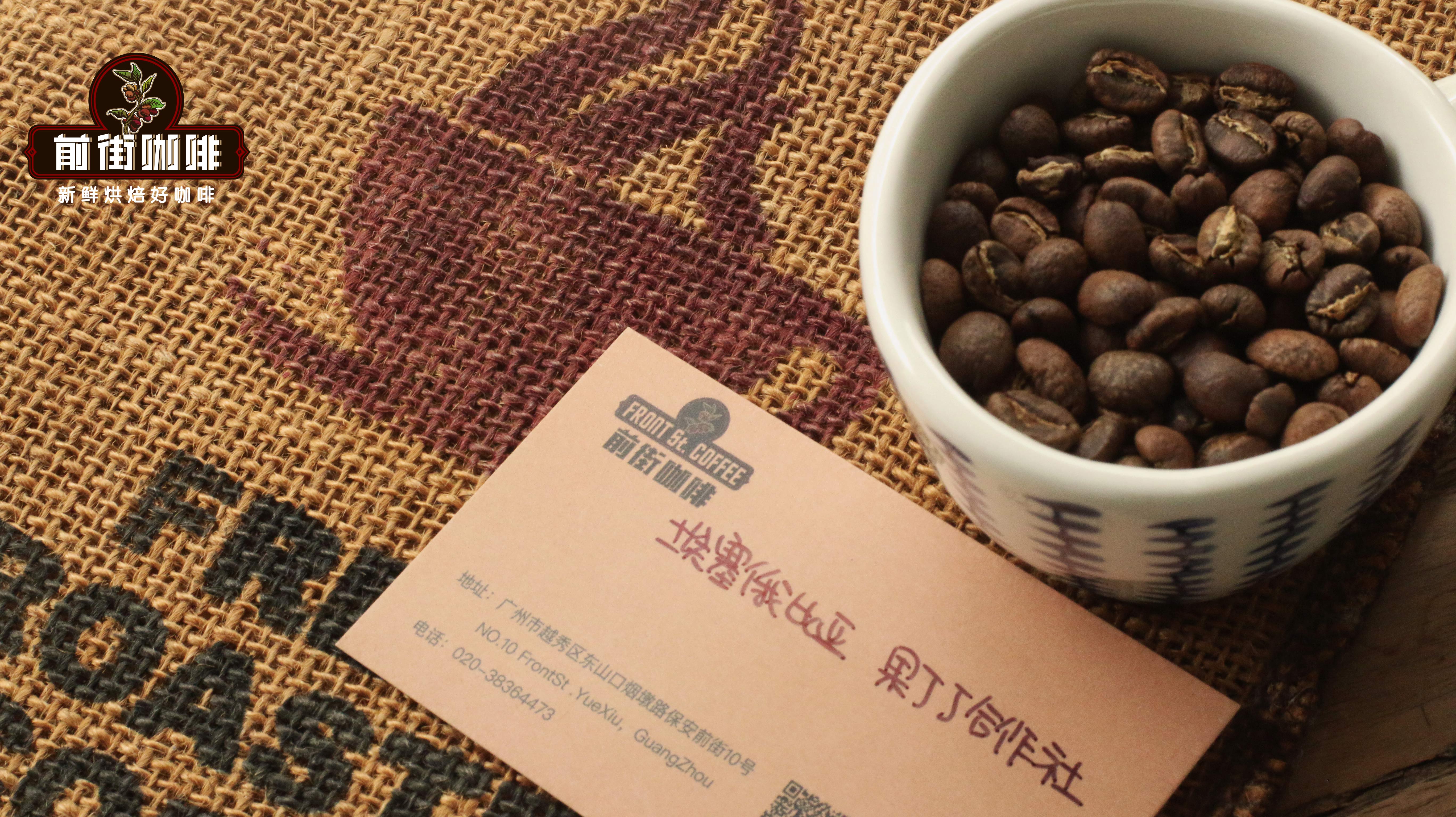
For coffee enthusiasts looking to try pour over brewing with Yirgacheffe, it is recommended to adjust grind size and water temperature according to the processing method. Washed Yirgacheffe generally suits a medium-fine grind (similar to granulated sugar), with a water temperature of around 90–92°C. A pulse pouring technique is advisable to emphasize its bright citrus and floral characteristics. For natural Yirgacheffe, a slightly coarser grind is appropriate, with a water temperature slightly below 90°C, to highlight its rich fruitiness and wine-like nuances—ideal for those who enjoy a fuller-bodied cup.
In summary, Yirgacheffe’s enduring global acclaim stems not only from its exceptional geographical and climatic conditions but also from its diverse micro-regions, abundant coffee varieties, and a post-harvest processing tradition that balances heritage with refinement. Whether you’re a beginner or a seasoned coffee enthusiast seeking new flavor adventures, understanding Yirgacheffe’s regional characteristics, varietal background, and processing methods will allow you to enjoy a more layered and rewarding tasting experience.
The above content is compiled by CoffeeHunters, a coffee news website.


