







Introduction:Yirgacheffe is one of Ethiopia’s most iconic specialty coffee regions, renowned for its bright citrus, lemon, and jasmine fruit notes paired with high acidity. This article delves into the geographical scope, varietal background, processing differences, and diverse flavor profiles of Yirgacheffe, while also compiling purchasing recommendations and common processing methods for beans from this region. Whether you're a beginner or an experienced coffee enthusiast, it will help you fully grasp the characteristics of this classic African bean and find your ideal brewing direction.
Yirgacheffe is one of the important representative coffee-growing regions in Ethiopia, celebrated for its fresh, bright acidity, citrus and lemon notes, paired with delicate floral aromas and tea-like aftertastes. It has won the favor of coffee lovers around the world. The coffee beans from here not only offer unique flavors, but the regional classification, varietal evolution, and processing techniques behind them are also key to understanding the highland coffees of Africa.
From an administrative perspective, Yirgacheffe is part of the northwestern region of Ethiopia’s Sidamo state and is considered a sub-region under this state. In earlier years, coffee from this area was primarily processed using traditional sun-drying methods, and its flavors lacked distinct characteristics. However, by the 1970s, with the establishment of the first washed coffee processing station in Sidamo and the introduction of washed coffee techniques from Central and South America, the quality of Yirgacheffe green coffee beans saw a breakthrough improvement. Features such as citrus and floral notes were fully revealed, gradually establishing its own position in the specialty coffee world.
To promote the development of the coffee industry and protect the brand, the Ethiopian government registered the flavors of three well-known regions, including Yirgacheffe, as commercial trademarks in 2004. In 2008, the Ethiopian Commodity Exchange (ECX) was established, incorporating coffee into an auction system. At the same time, it classified and graded coffee based on quality and flavor, ensuring that consumers could purchase beans that matched the labeled characteristics.
The so-called “Yirgacheffe flavor” generally features distinctive citrus and lemon fruit tones, accompanied by delicate jasmine or floral notes. The overall mouthfeel is clean and bright, with fine and layered acidity and almost no off-flavors. Many first-time drinkers are surprised to find that it differs greatly from their traditional impression of coffee, resembling instead a fruity, high-mountain tea. This flavor makes it suitable both for pour over brewing and as a flagship offering for many specialty coffee brands.
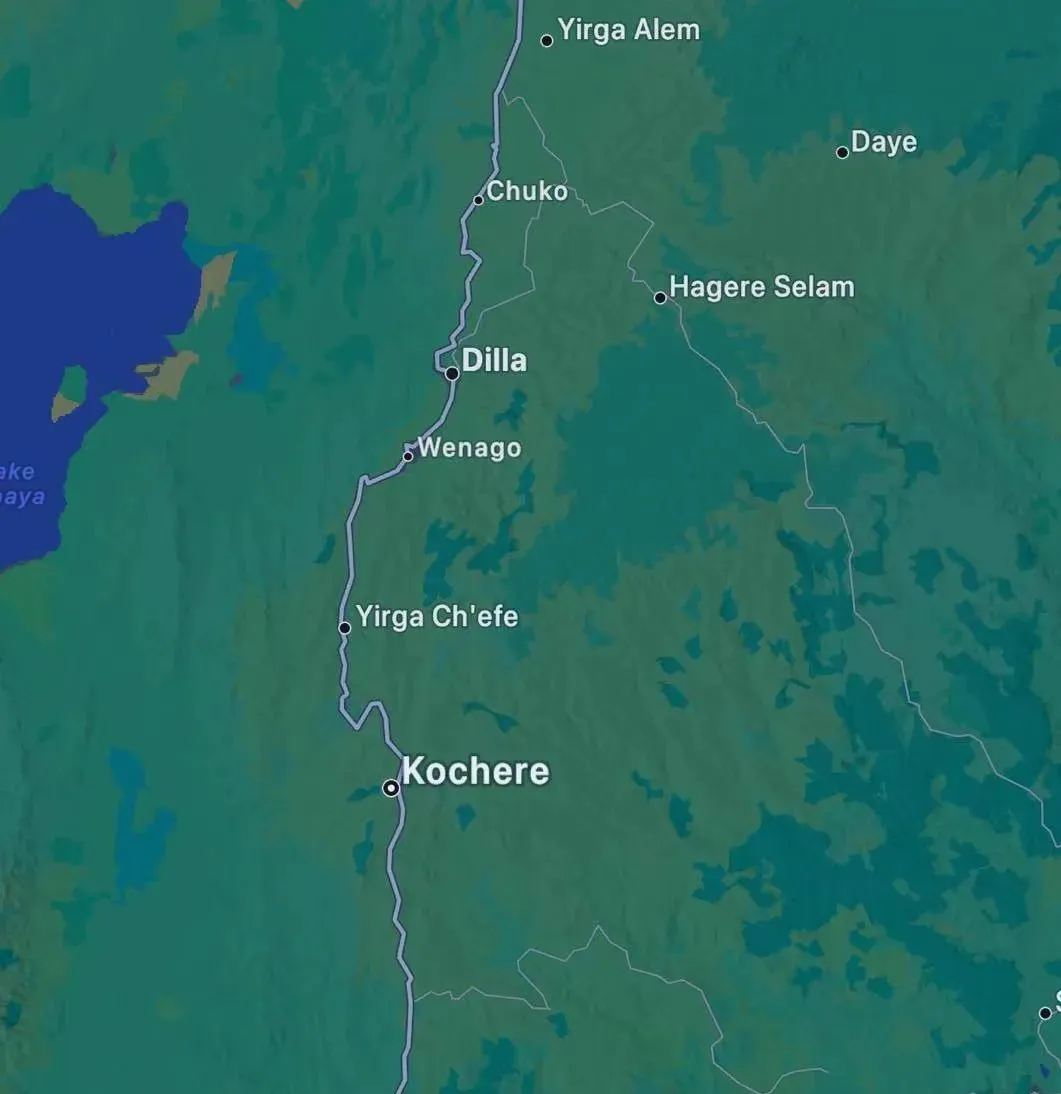
According to ECX regulations, in addition to the town of Yirgacheffe itself, surrounding areas such as Wenago in the north, Gelena Abaya in the west, and Kochere in the south, whose coffee exhibits similar flavor characteristics, can also be categorized under the Yirgacheffe flavor profile. This further expands the geographical and flavor scope of this designation.
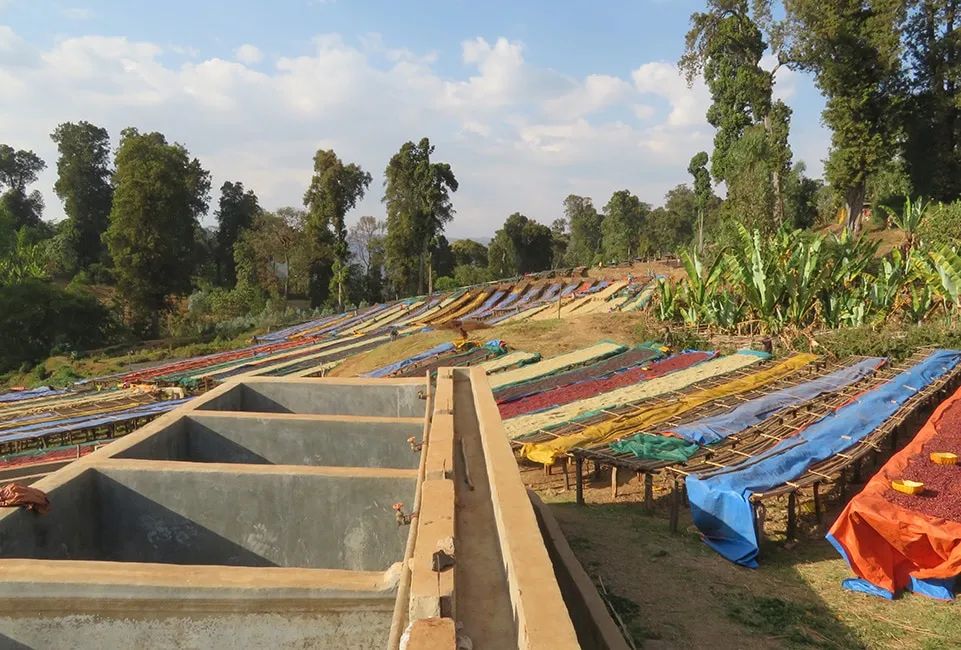
Ethiopia’s natural environment is extremely favorable for coffee cultivation, with highlands across the country ranging from 1100 to 2300 meters above sea level being suitable for growing coffee, particularly in the southern regions. The local soils are mostly deep, well-drained, and weakly acidic, including red soils and loose loams rich in humus. These conditions provide ideal nutrients and a growing environment for coffee trees, which also form the foundation for the unique flavors of coffees from regions like Yirgacheffe.
The Gedeo region where Yirgacheffe is located, along with neighboring small sub-regions such as Wenago, Kochere, and Gelena Abaya, form the core of this flavor group. Although Yirgacheffe was originally a small town under the Sidamo province, its outstanding flavor performance has long established it as a unique entity in the specialty coffee market. The coffee produced in this region shares similar flavors with that from Kochere, which is why the latter has also been included in the Yirgacheffe classification system, further enriching the diversity of this producing area.
It is worth noting that in 2009, Ethiopia introduced a new trading and grading system. In addition to the original Yirgacheffe, it officially separated Wenago, Kochere, and Gelena Abaya as individual sub-regions, highlighting their distinct and recognizable flavor profiles. This move has made this area even more attractive in the global specialty market.
Most of the coffee trees grown in the Yirgacheffe region belong to Ethiopian heirloom varieties. These varieties, having evolved naturally over a long period, vary in bean size and shape. As local farmers often intercrop coffee with other crops and rarely distinguish or label varietals, harvested coffee beans are typically exported under the general term “Heirloom.” This means that each batch of green beans may be a mix of dozens or even hundreds of different varieties, resulting in a high degree of diversity and unpredictability in appearance and flavor.
While this blend of heirloom varieties increases variability between batches, it also brings rich layers and unique regional characteristics to the coffee. For consumers, choosing coffee from Yirgacheffe is not just about tasting a premium bean, but also experiencing the diverse profiles of Ethiopian coffee.
If you want to explore the classic flavors of African coffee, start with washed Yirgacheffe, which often features honey-like sweetness and clear floral and fruity notes, making it perfect for everyday pour over brewing. If you prefer a brighter acidity and a crisper mouthfeel, look out for carefully processed washed G1 beans, whose honey, green tea, and jasmine aromas are often impressive. And if you’re drawn to coffee with intense fruit aromas and a full body, the sun-dried Red Cherry series is a great choice. Through the natural drying process that retains the fruit pulp, it offers a richer complexity and lingering finish.
The above content is compiled by CoffeeHunters, a coffee news website.


