







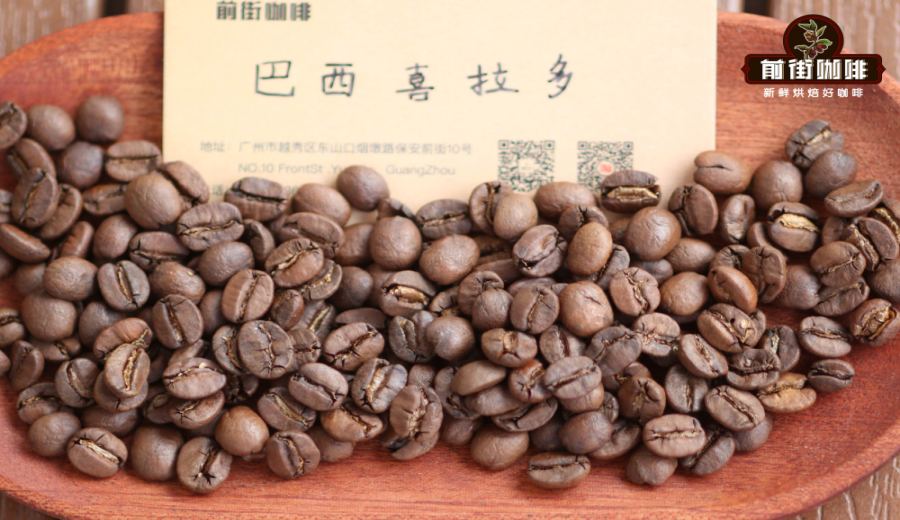
Introduction:Cerrado Red Bourbon is one of the representative varieties of specialty coffee in Brazil, known for its full-bodied balance, low acidity, and sweet undertones. This article delves into the geographical environment of Brazil’s Cerrado region, the characteristics of the Red Bourbon variety, explains the advantages of the semi-washed processing method, and analyzes Brazil’s coffee grading system. It also provides practical Kono filter brewing parameters and flavor evaluations, making it an essential beginner’s guide for coffee enthusiasts who enjoy pour over or want to explore the flavor profile of Brazilian soft beans.
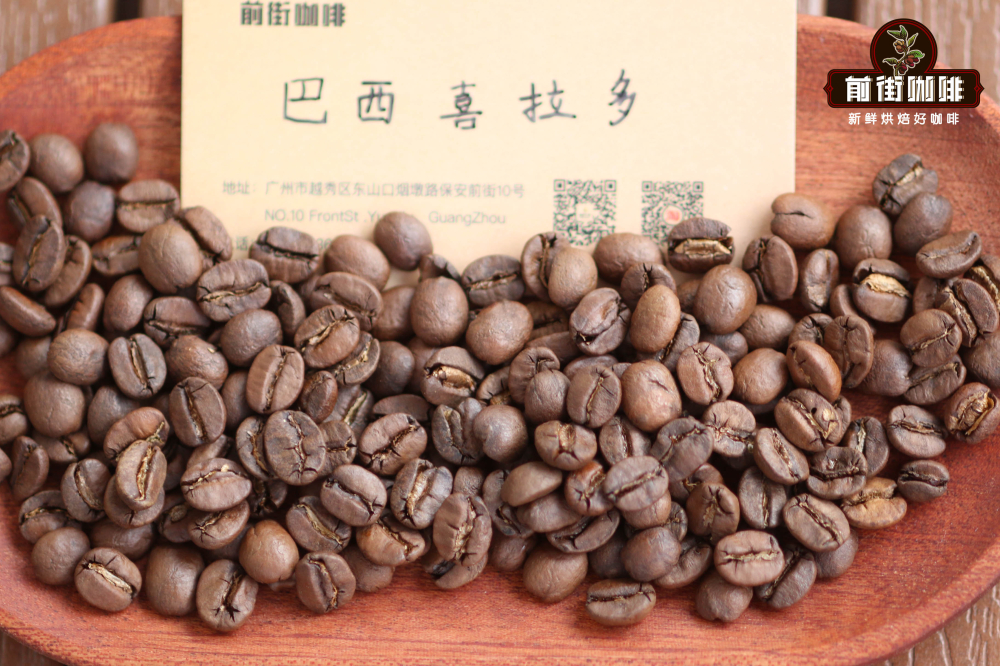
Brazil has long ranked first in global coffee production, and the Red Bourbon coffee from the Cerrado region, with its full-bodied balance, low acidity, and notes of nuts and dark chocolate, has become the go-to choice for many beginners entering the world of specialty coffee. This common Brazilian Red Bourbon, often found in everyday blends, is typically processed using the semi-washed method and roasted to a medium-dark level. Its dry aroma often carries soft notes of cream and peanuts, while the brewed cup delivers a pronounced sweetness, with the aftertaste transforming into the smooth richness of dark chocolate. The overall flavor profile is clear and layered, making it ideal for daily drinking or learning flavor identification.
Geographic and Agricultural Features of the Cerrado Region
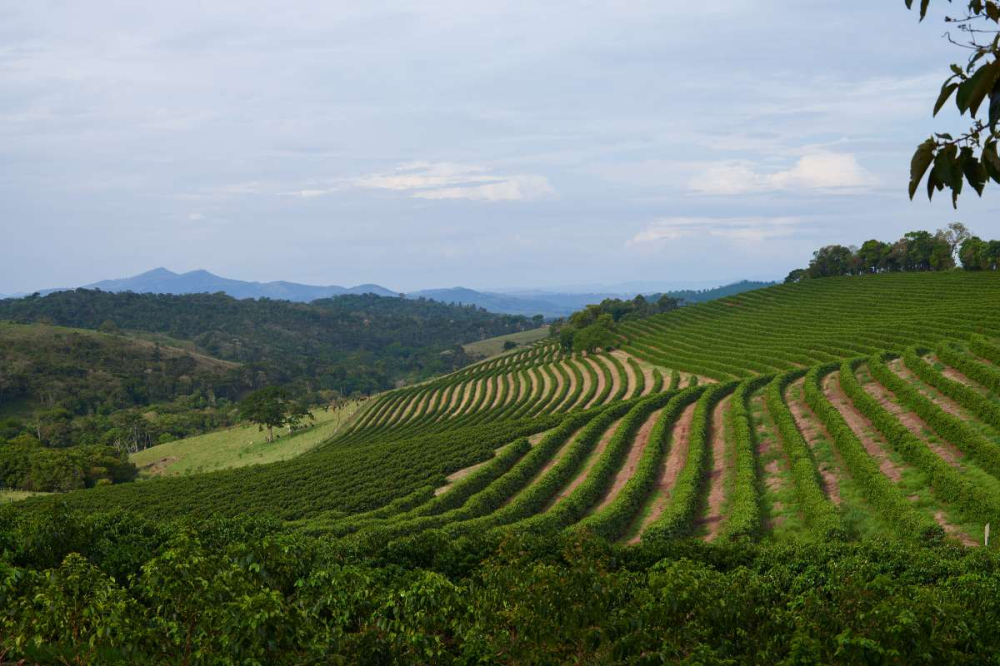
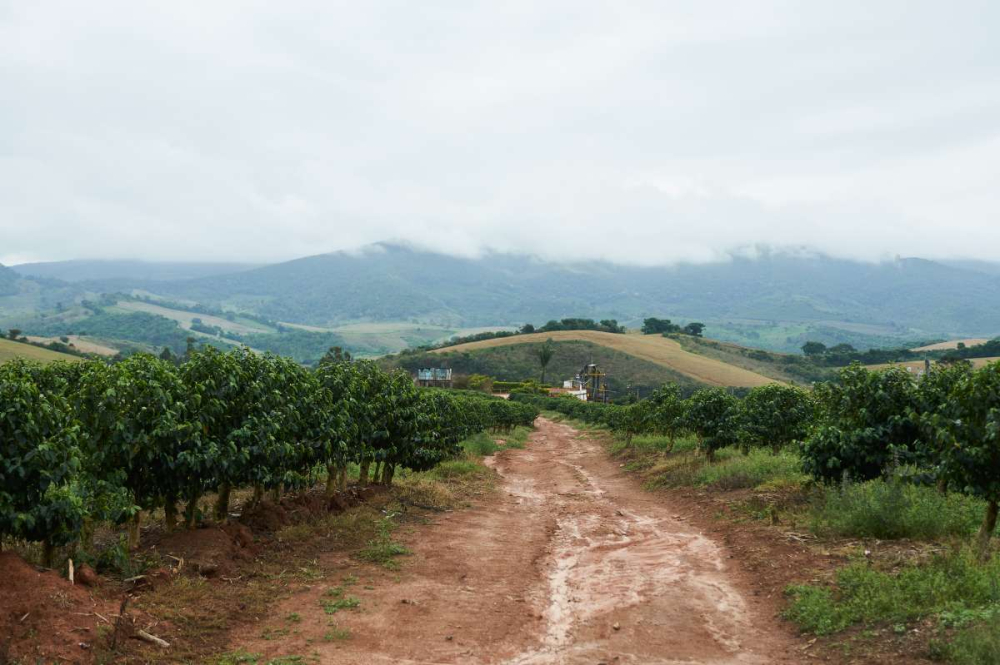
Cerrado is located in the southern part of Minas Gerais, Brazil, on a plateau with an altitude of approximately 1100 to 1300 meters, and is one of the earliest regions in Brazil to develop coffee cultivation. The terrain here is mainly hilly, and while manual harvesting was common in the past, mechanized operations are now widely adopted, effectively reducing production costs. Notably, according to local regulations, only coffee grown at specific altitudes and originating from the high plateaus of central-western Minas Gerais qualifies to be labeled as ‘Cerrado,’ ensuring consistency and quality in flavor.
The region has a relatively dry and stable climate, and coffee is mostly cultivated using the sun-dried method rather than the traditional high-altitude shaded planting. While such an environment is not conducive to developing coffees with prominent fruity aromas or bright acidity, it unexpectedly fosters soft beans with low acidity, abundant sweetness, distinct nutty tones, and a long-lasting aftertaste, making them an important base for balancing the overall flavor profile in many blended coffees.
Application and Advantages of the Semi-Washed Processing Method
Due to the relatively humid and variable climate in most parts of Brazil, traditional sun-drying processing can easily lead to uneven fermentation or off-flavors. As a result, the industry commonly adoptsthe semi-washed method (also known as the semi-sun-dried method). This method involves removing the outer skin and part of the pulp of the coffee cherry, then using a mucilage remover to strip away the sticky mucilage layer adhering to the beans, significantly shortening the subsequent sun-drying time while reducing the risk of mold and microbial growth. This technique is particularly suitable for environments with high air humidity or frequent rainy seasons, making it the mainstream processing method for large-scale commercial bean production in Brazil.
The semi-washed method not only stabilizes quality but also preserves the unique full-bodied and low-acid characteristics of Brazilian beans, making the final coffee easier to extract with noticeable sweetness and consistent mouthfeel.
Brazil’s Coffee Bean Grading System
Brazil has a unique system for grading coffee beans, often seen on export sacks. For example, ‘NY2 SCR17/18 GOOD CUP’ includes three key pieces of information:NY2 represents the defect rate grade, 17/18 refers to the bean screen size (diameter of approximately 17–18 mesh), and GOOD CUP is the cupping performance rating. Brazil uses what is called the ‘deduction method,’ where the number of defective beans detected in every 300 grams of coffee serves as the basis for grading. There are seven grades in total, from NY.2 to NY.8, with NY.2 being the highest quality grade, requiring defects to be limited to within 4 points. Theoretically, zero defects could achieve NY.1, but due to the difficulty of stable supply, NY.2 is generally regarded as the starting point for specialty-grade coffee in the market.
Kono Filter Brewing Parameters and Practical Recommendations
To fully showcase the full-bodied texture and sweetness of Cerrado Red Bourbon, it is recommended to use beans roasted to a medium-dark level and brew with a Kono filter. The design of the Kono filter features fewer ribs concentrated at the bottom, allowing the filter paper to adhere more tightly to the cup wall, thereby reducing the flow rate of the brew and extending the contact time between water and coffee grounds. This helps enhance body and extraction efficiency, especially suited for medium-dark roasted beans.
The recommended brewing parameters are as follows: set the water temperature to 88°C, which helps avoid over-extraction and the release of unwanted flavors; use a medium-coarse grind, approximately 75% passing through a 20-mesh sieve; and maintain a 1:15 coffee-to-water ratio, i.e., 15 grams of coffee grounds to 225 milliliters of water. In practice, it is suggested to start with a 30-gram bloom for 30 seconds, followed by pouring in small circles until reaching 125 grams for the first pour. Once the water level drops slightly, continue pouring until reaching 225 grams to complete the extraction, with the total brew time controlled around 2 minutes. Throughout the process, maintain a steady pour to fully highlight the bean’s nutty, caramel, and dark chocolate flavors.
Flavor Profile and Suitable Audience
The flavor profile of Cerrado Red Bourbon is clear and balanced. Upon tasting, you’ll notice a pronounced sweetness accompanied by subtle citrus aromas and rich nutty tones, transitioning naturally into the smooth, mellow aftertaste of dark chocolate. The overall mouthfeel is round and smooth, with low acidity yet layered complexity, making it highly suitable for coffee lovers who enjoy full-bodied flavors or are new to pour over. Whether as an everyday blend or an introductory choice for exploring the flavor characteristics of different regions, it is an excellent representation.
The above content is compiled by CoffeeHunters, a coffee news website.


