








Introduction:The extraction quality of pour over coffee is closely related to how well the filter paper fits the filter cone. Many coffee enthusiasts, despite trying to press the filter paper, often encounter issues with poor fit — and the root cause usually lies in the initial folding method. This article will thoroughly explain how to properly fold filter paper, from aligning the seam lines and pressing the creases, to the fine details of securing it in the filter cone, step by step guiding you to master the trick of achieving a perfect fit between the filter paper and the cone. It also offers practical advice for special situations such as using non-woven filter paper and cold drip brewing.
During the pour over process, whether the filter paper can tightly adhere to the filter cone directly affects water distribution and the evenness of coffee grounds extraction. Even many coffee aficionados who use pressing techniques may still find the filter paper not fully adhering to the cup walls, and the key issue often stems from incorrect folding. Below, we’ll take you deeper into the correct steps for folding filter paper — from basic seam alignment and crease handling, to fine-tuning techniques after placing it in the filter cone — helping you brew consistently stable and flavor-balanced coffee at home.

Most conical filter cones, such as the common V60, rely on flow-guiding ribs to direct the water. If there are gaps between the filter paper and the cone, these carefully designed structures won’t function as intended. Therefore, before you start pouring water, make sure the filter paper fits snugly against the inner wall of the cone — this is essential to effectively avoid channeling and ensure that every coffee ground is evenly extracted.

Sometimes, even when using common pressing techniques, poor adhesion may occur due to improper folding of the filter paper. In fact, the way the filter paper is folded is extremely important, yet many people often overlook this step. Properly folded filter paper can naturally adhere to the inner wall of the filter cone, even without wetting. If you notice that a certain area of the filter paper doesn’t stick after placing it in the cone, the folding method is very likely the issue.
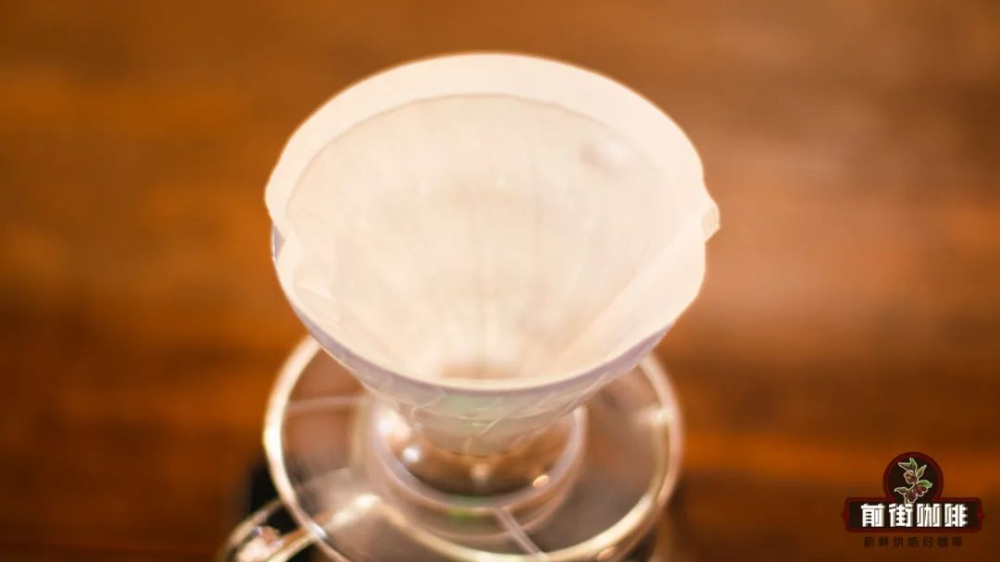
First, observe your filter paper. Typically, cone-shaped filter paper made of wood pulp will have a clear seam line. The first step in folding is to fold along this seam line. Gently fold the filter paper along the seam line to create a crease, then press along the crease with your fingers to make the fold line clearer and more defined.
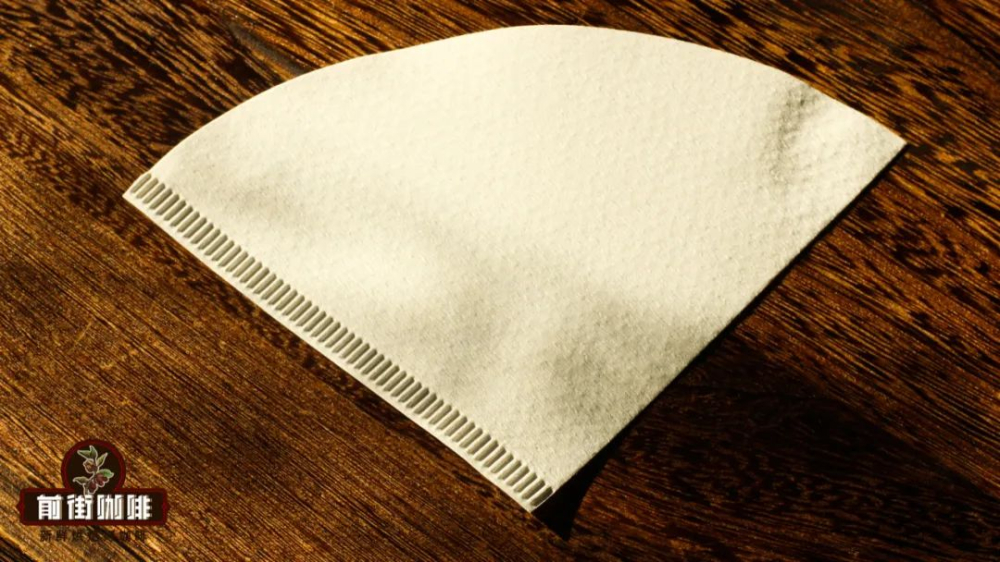
Then, unfold the filter paper and make another fold, aligning both side edges and pressing them tightly together. Again, use your fingers to press the crease flat, ensuring the fold line is straight and secure. Next comes the most crucial step: using the same crease-pressing method, carefully press this new fold line as well, gently pulling it taut from end to end and smoothing it out to ensure the entire fold is tight with no gaps. This step can effectively prevent channeling later on and enhance overall extraction stability.
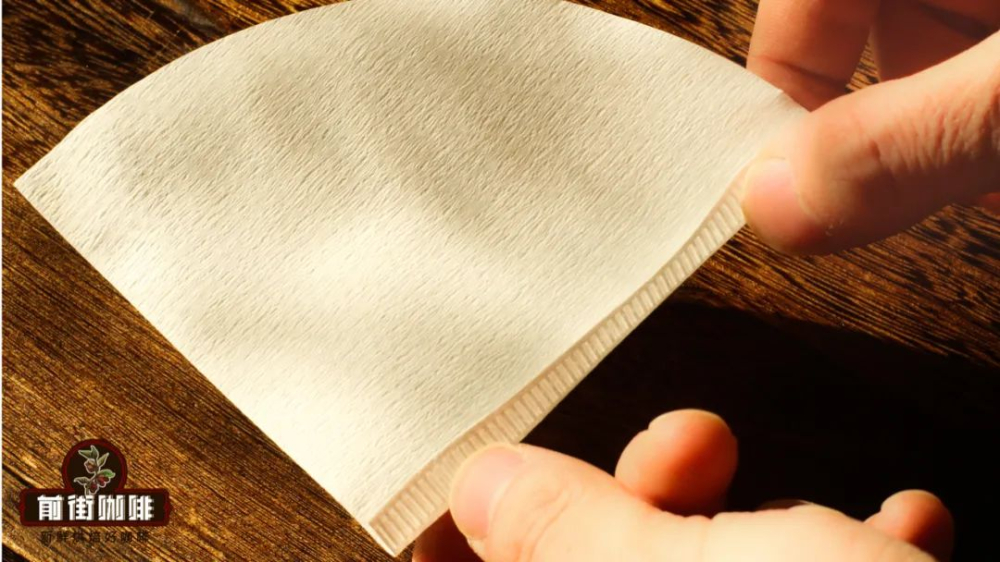
After folding, unfold the filter paper and place it into the filter cone. You’ll notice that even without wetting, the filter paper can already roughly adhere to the inner wall of the cone. To further ensure a good fit, it’s recommended to use two fingers to press down on the two crease positions on the filter paper, lightly applying pressure so that the bottom of the filter paper fully contacts the bottom of the cone. This fine adjustment can significantly improve the seal between the filter paper and the cone.
Next, pour a small amount of hot water from the bottom of the filter cone upward to fully wet the filter paper. This not only helps the filter paper adhere more tightly to the cone but also preheats the equipment, reducing temperature loss during the coffee brewing process. Once this series of actions is completed, the fit between the filter paper and the cone will reach an ideal state, laying a solid foundation for the subsequent coffee extraction.
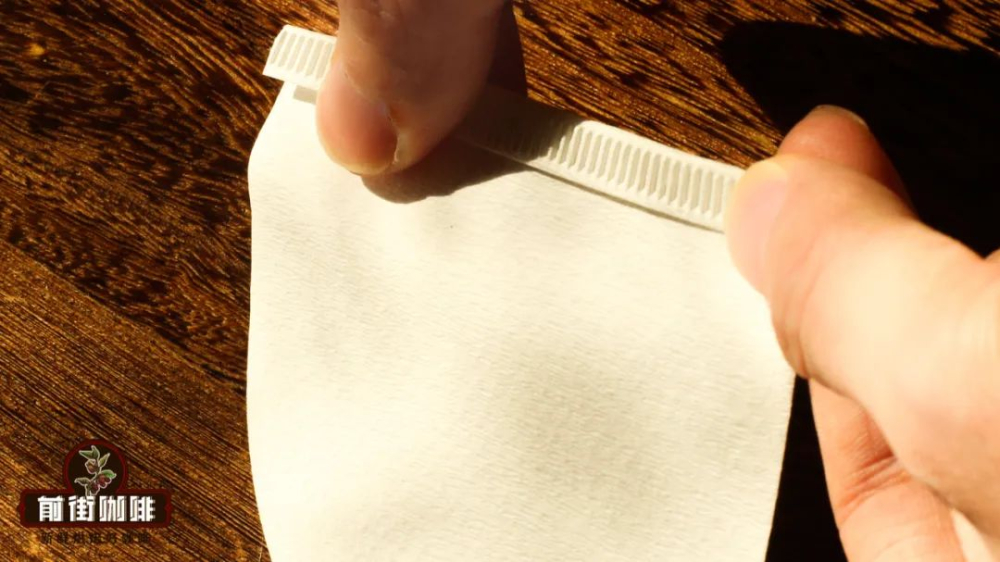
Please note, the above method mainly applies to wood pulp filter paper. If you’re using non-woven or other special material filter papers, due to their material properties, they usually require thorough soaking in hot water to achieve proper adhesion. Additionally, for brewing methods like cold drip or ice brew where you do not want the filter paper to get wet, you can place the folded filter paper into the cone without immediately wetting it, and instead pour the coffee grounds directly in. The weight of the coffee grounds will naturally help the filter paper adhere to the walls. This way, throughout the cold brew process, the filter paper is less likely to lift up, ensuring stable extraction performance.
The above content is compiled by CoffeeHunters, a coffee news website.


