







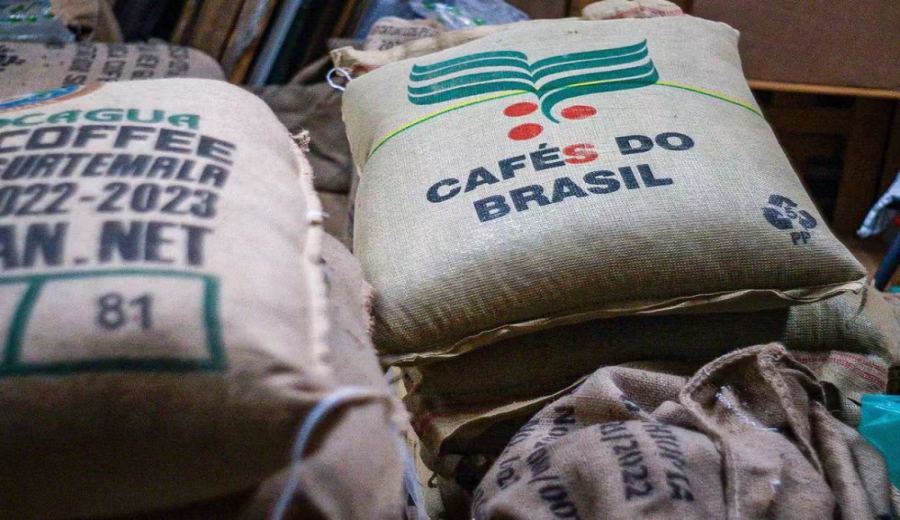
Introduction:As the world’s largest coffee-producing country, Brazil’s stable and mellow characteristics make it the go-to choice for many coffee enthusiasts just starting out. This article delves into the features of Brazil’s three major high-altitude producing regions, compares the genetic origins and flavor differences between Red Bourbon and Yellow Bourbon, and details the evolution of the pulped natural processing method. It also provides expert-level medium-dark roast pour over recommendations, including grind size, water temperature, and specific brewing parameters to help you master the extraction techniques of this classic bean profile.
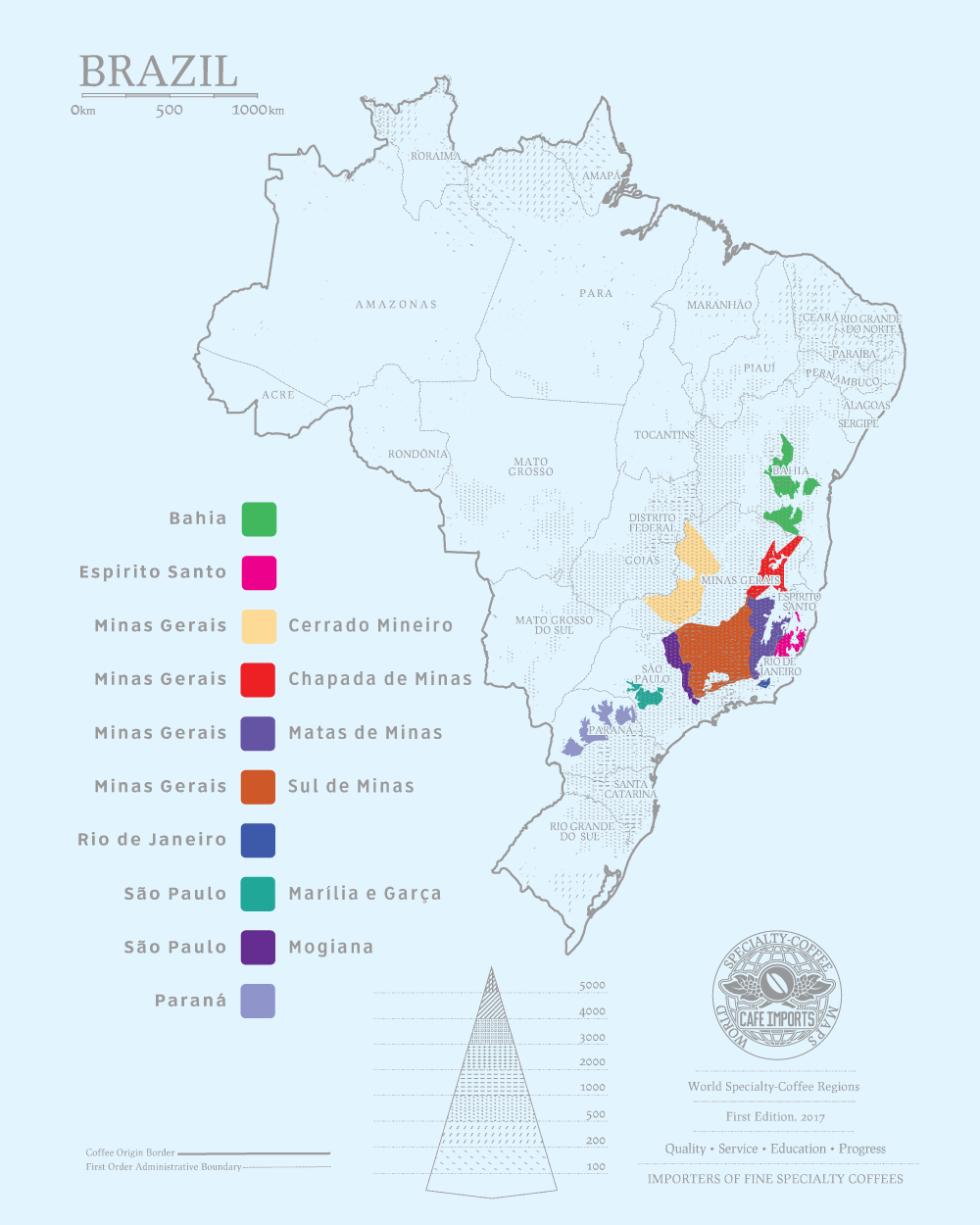
Thanks to over a century of stable output and a distinctive flavor profile, Brazilian coffee has long held the top spot in global coffee exports. Whether as single-origin selections in specialty cafés or as base beans in commercial blends, Arabica from Brazil plays a key role. Among them, the Cerrado region in Minas Gerais, the Mogiana region in São Paulo, and the Sul de Minas in southern Bahia, due to their relatively higher altitudes, have become important sources of premium-grade beans.
Currently, the high-quality Brazilian single-origin beans on the market mainly come from two classic varieties—Yellow Bourbon from the Mogiana region in São Paulo and Red Bourbon from the Cerrado region in Minas Gerais. Both are natural mutations of Typica, and although both have a round, plump, short oval shape, they exhibit distinctly different fruit color changes during ripening: as the name suggests, Red Bourbon turns bright red when ripe and is generally known for its pronounced sweetness and smooth mouthfeel; Yellow Bourbon performs exceptionally well in high-altitude environments, with its fruit turning a rare orange-yellow hue upon ripening, often showcasing a bright and refreshing acidity and delicate layering in cupping.
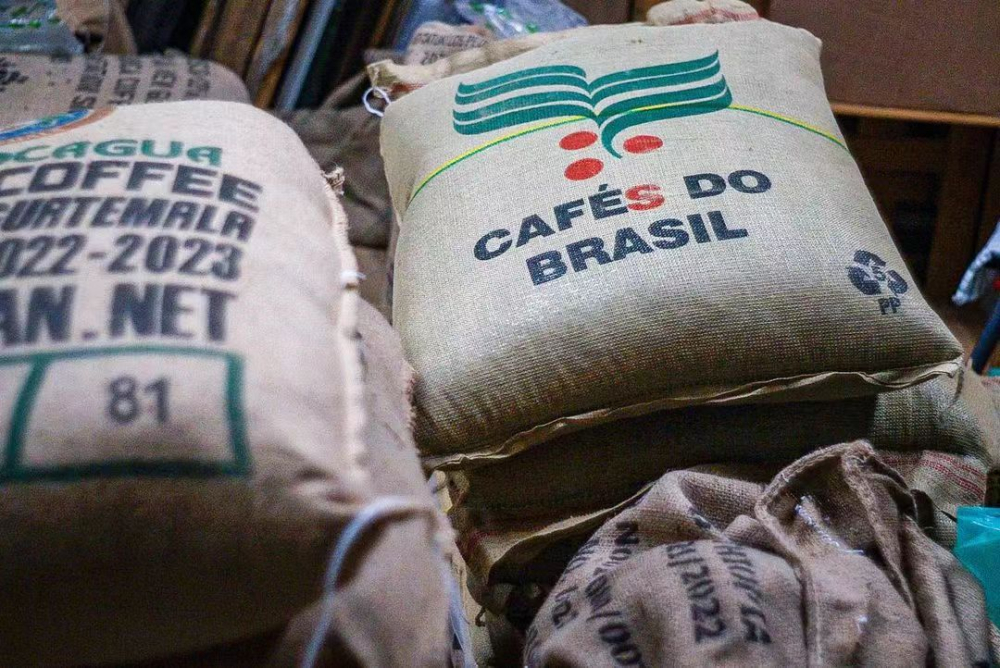
Brazil’s ability to be a significant option for specialty coffee is not only due to its historically accumulated cultivation techniques but also its unique production advantages. Compared to other regions, Brazil’s geographic and climatic conditions allow for vast coffee-growing areas, coupled with high per-unit yields, which naturally lower market prices, enabling consumers to try high-quality Arabica beans at more affordable budgets. Especially for those new to the specialty coffee scene, sensitive to acidity, or preferring a mellow taste, Brazilian beans are undoubtedly an excellent entry choice.
Focusing within Brazil, specialty-grade coffee is primarily concentrated in four core regions: Minas Gerais, São Paulo, Bahia, and Espírito Santo, which together account for over 90% of the country’s total coffee exports. In recent years, the most talked-about specialty beans have been largely concentrated in Mogiana in São Paulo, Cerrado in Minas Gerais, and Sul de Minas in southern Bahia, all because these areas boast the rare high-altitude environments in Brazil, providing ideal growing conditions for Arabica.
When it comes to the variety characteristics of Brazilian specialty beans, one cannot overlook the differences between Red Bourbon and Yellow Bourbon. Both are naturally evolved from Typica and belong to the Bourbon family, with beans that are generally round, short, and plump. Red Bourbon refers to the traditional phenotype where the fruit turns from green to red upon ripening, and its flavor profile typically showcases a rounded sweetness and smooth mouthfeel; Yellow Bourbon, on the other hand, is a unique mutation variety specific to the state of São Paulo in Brazil, with its fruit turning a special orange-yellow color when ripe. When grown in high-altitude microclimates, it often exhibits an exceptionally refreshing and balanced acidity, with a clean and clear flavor line and no off-notes.
Brazilian coffee also has its own unique approach to processing methods. To overcome the challenges of abundant sunlight but significant humidity fluctuations, as early as the 1990s, the Brazilian Coffee Industry Association developed the "pulped natural method (Pulped Natural)," which combines elements of both natural and washed processes. By controlling the fermentation process and the timing of mucilage removal, it effectively reduces defect rates and the risk of off-flavors. This technique first uses sunlight to partially dry the coffee cherries, reducing the moisture content to 20%–25%, then transfers them to mechanical drying facilities to further reduce it to 10%–14%, ensuring a stable bean structure and pronounced sweetness while significantly shortening the overall processing time and improving quality consistency.
The flavor characteristics of Brazilian coffee are closely related to its geographic environment. Compared to other high-altitude, mountainous regions in Central and South America, Brazil is mostly characterized by vast plateaus and flat terrain, lacking significant microclimates and dramatic day-night temperature variations. This results in a slower growth rhythm for coffee cherries, with less complex and diverse flavor development than highland varieties. However, precisely because of this, Brazilian coffee generally exhibits low acidity, a mellow mouthfeel, and rich nutty tones, accompanied by a unique chocolatey sweetness, making it very suitable for drinkers who prefer full-bodied flavors and balanced profiles.
To brew Brazilian beans to their best potential, the key lies in understanding their "low-acidity, mellow" nature. It is recommended to choose freshly roasted beans (generally advised to use within 5 days post-roast) and opt for a medium-dark roast level—typically pulled just before the second crack, when the bean structure is relatively loose, facilitating stable release of flavor compounds. In terms of grind and water temperature, it is recommended to use a coarser grind size (such as about 70% passing through a Chinese standard No. 20 sieve), and to set the water temperature at around 88°C to avoid over-extraction leading to bitter aftertastes.
For actual pour over recommendations, you can refer to the following specific parameters and steps: Use a KONO filter, with a coffee dose of about 15 grams, a coffee-to-water ratio set at 1:15, and the grind size as mentioned above. Begin with a 30-second bloom, pouring about 30 grams of hot water; then continue pouring until the total volume reaches about 125 grams. Once the coffee liquid level drops halfway, pour again until the total reaches 225 grams. Allow the filter to fully drain, with the total extraction time controlled at around 2 minutes and 10 seconds. This method effectively balances the mellow base with delicate sweetness, minimizing the negative effects of over-extraction.
The above content is compiled by CoffeeHunters, a coffee news website.


