







Introduction:Adjusting the grind settings on an espresso grinder is key to influencing the flavor and extraction efficiency of your coffee. This article delves into the workings of espresso grinders and teaches you how to properly adjust burr spacing, grind size, and extraction time based on the condition of the coffee beans, environmental changes, and equipment wear. Whether you're a beginner or a professional barista, you'll learn practical tuning techniques to consistently produce high-quality espresso.
Have you ever wondered why professional cafés fine-tune their grinders almost daily? Even when using the same coffee beans, the same machine, and seemingly unchanged settings, the extraction results can still deviate from the ideal over time. The reasons include the ongoing degassing of coffee beans, natural burr wear, and subtle changes in the surrounding environment. Understanding these variables is essential for accurately adjusting the grinder and maintaining consistent extraction quality.
Based on practical experience, this article will comprehensively introduce the logic and hands-on methods of adjusting espresso grinder settings, including how to determine whether the grind size is appropriate, controlling extraction time through grind adjustment, and the relationship between dose and grind level in electric grinders. Additionally, it will explain important details that affect extraction such as puck height and coffee-to-water ratio, helping you—whether a beginner or advanced user—master stable and delicious extraction techniques.
Why do cafés need to adjust their grinders every day? To customers, grinders and espresso machines may seem like fixed, unchanging equipment, but to baristas, they are actually consumables that gradually wear out. The burrs of the grinder and the brewing system of the espresso machine degrade over time with use, which in turn affects extraction performance. If not adjusted regularly, even if the parameters appear the same, the extraction results may gradually deteriorate until one day you suddenly find the coffee undrinkable and realize there’s a problem.
Changes in the coffee beans themselves are even more obvious. Freshly roasted coffee beans are full of carbon dioxide, and this so-called "optimal flavor period" is actually the bean's degassing phase. Initially, degassing is intense, then gradually decreases over time. When the beans release almost no gas, their flavor also declines. Especially after sitting overnight, the beans' state may be completely different from the previous day, which is why daily grinder adjustments are so crucial.
When coffee beans enter the grinder, the burrs crush them into powder. The closer the burrs are to each other, the finer the resulting particles; the finer the particles, the higher their bulk density, and the greater the resistance to water flow, thus lengthening the extraction time. Conversely, the farther apart the burrs, the coarser the particles, allowing water to pass through more easily and speeding up extraction. You can imagine that water flows through stones much faster than through fine sand because the gaps between stones are larger. Therefore, precisely controlling grind size is key to extraction quality.
How do you determine if the coffee grind is the right size? Ideally, coffee grounds should have a powdery texture with a fine, gritty feel. If it feels as smooth as flour, it’s ground too fine; if it feels rough with strong granular texture, it’s ground too coarse. Observing the texture of the grounds is the most straightforward way to judge whether the grind is appropriate.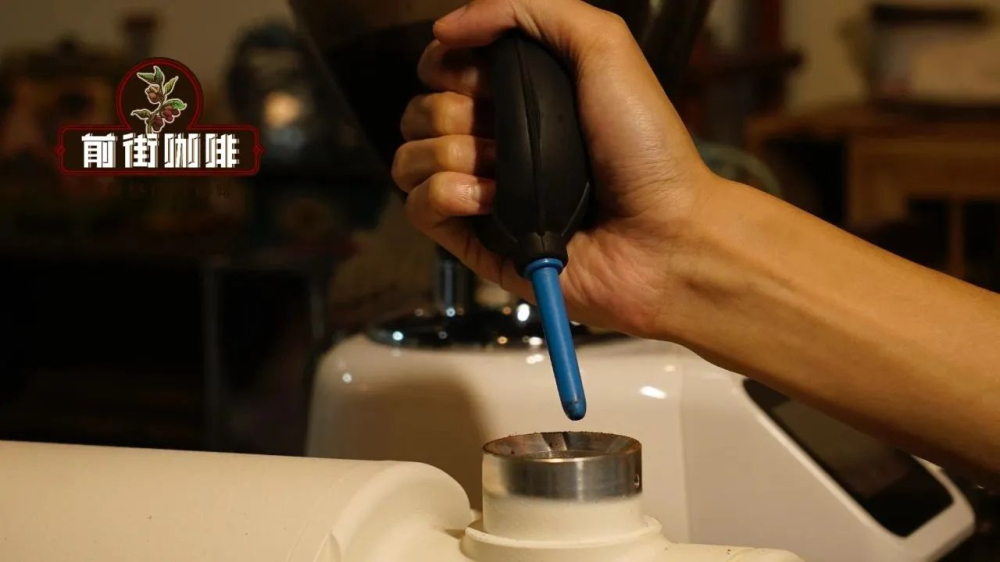
Next, let’s go over the actual process of adjusting the grinder. Different brands and models of grinders may have varying dial designs and operation methods, so the first step is to familiarize yourself with your equipment, read the manual carefully, and understand the direction and range of the dial adjustments. Generally speaking, if you regularly check your grinder settings, only minor tweaks are needed each time—moving the dial no more than 3 millimeters can noticeably change the grind size. This seemingly small adjustment can result in a difference of 3 to 5 seconds in grinding time for the same batch of beans, significantly impacting extraction results.
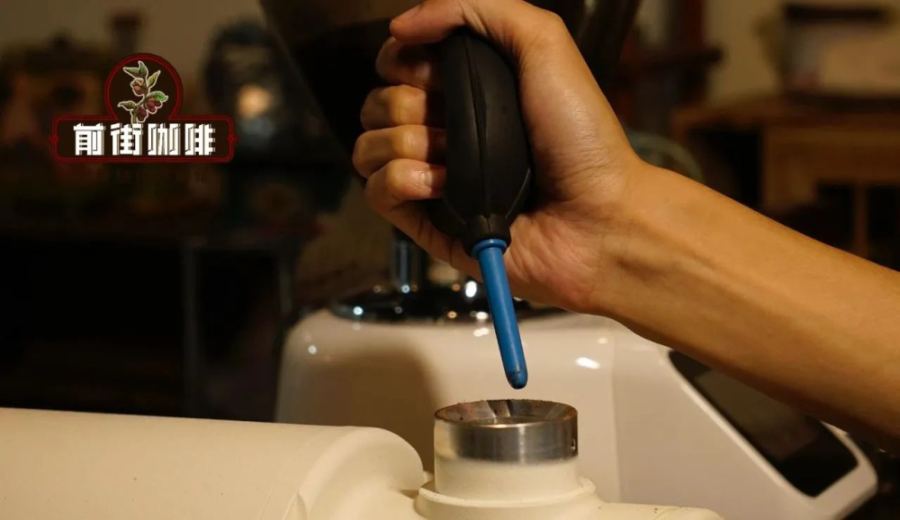
When adjusting, first ensure there are enough coffee beans in the hopper and that the valve between the hopper and burrs is open, allowing beans to smoothly enter the grinding area. Run the grinder for about 10 seconds and discard the initial grounds produced, as these have not yet reflected the adjusted settings and should not be used.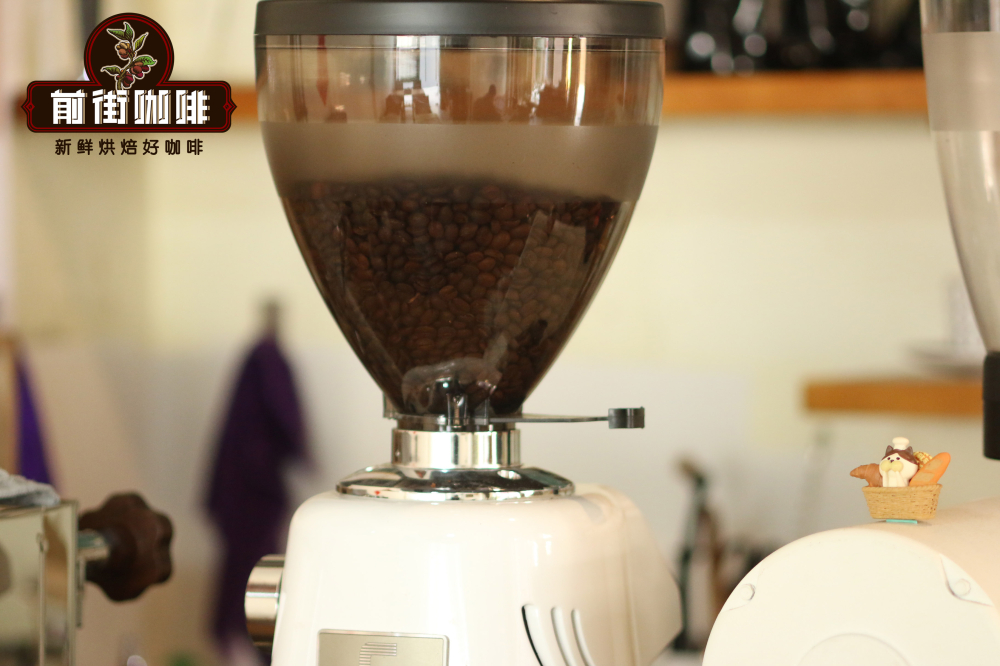
Then, use the freshly ground coffee to make a shot of espresso, ensuring that the dose, tamp, and distribution steps all meet the standard. Taking a common espresso extraction reference as an example, the coffee-to-water ratio is recommended to be 1:2, with extraction time controlled between 25 and 30 seconds. Gradually adjust the grind to approach the target parameters. In practice, many shops use time as a preliminary benchmark—for instance, if the extraction time is 28 seconds after morning adjustments, but becomes 22 seconds by noon, the grinder needs to be adjusted finer to bring the time back into the target range. Of course, the final judgment should always rely on actual taste evaluation.
If using an electric grinder, calibration requires considering both dose and grind level, as these two variables are closely related—one affects the other. Typically, electric grinders adjust grind and dose time based on preset dose amounts (note: control is based on time, not weight). If you’re unhappy with the extraction results, first determine whether the issue stems from the dose or the grind level.
Under correct operation, the distance between the puck and the outlet should be maintained at 5 to 6 millimeters. If the puck height deviates from this range, you may need to adjust the dose (i.e., adjust grind and dose time). It’s recommended to adjust in increments of only 0.2 to 0.3 seconds each time, and re-evaluate coffee quality after each minor adjustment.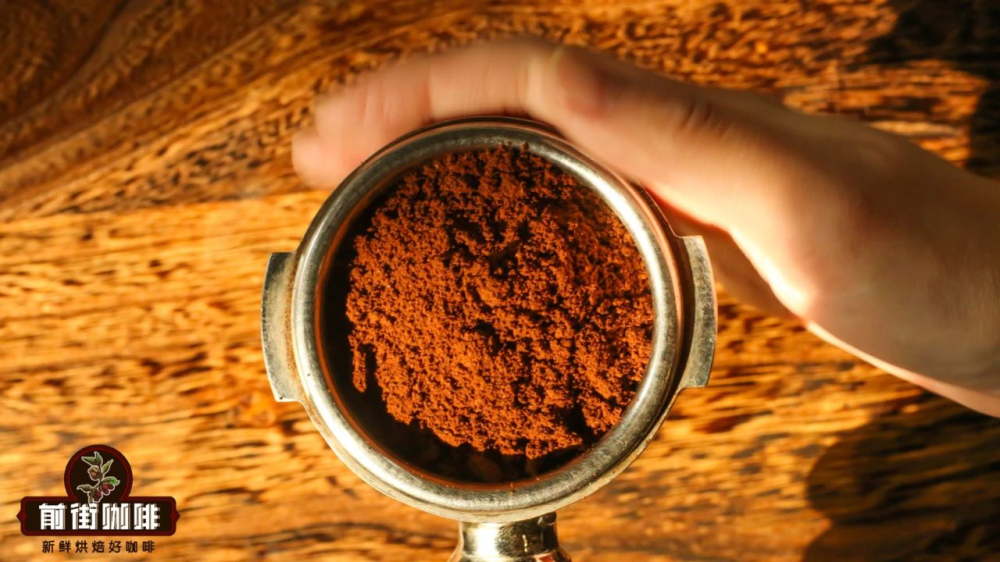
The most critical aspect of using an electric grinder is understanding that changing grind parameters also alters burr spacing, which in turn affects the dose—that is, the amount of coffee passing through the burrs per unit of time. When the grind is finer, burr spacing narrows, reducing the amount of coffee passing through per unit time; conversely, when the grind is coarser, burr spacing widens, increasing the amount of coffee. Therefore, it’s essential to fully grasp the relationship between dose and grind level, repeatedly testing and fine-tuning to achieve the desired extraction. Any slight change can significantly impact the final flavor of the coffee, so it’s recommended that baristas recalibrate their grinders daily to ensure consistently high-quality output.
To further master coffee-to-water ratios, you can fix the coffee dose (e.g., 18 grams) and experiment with different total extraction volumes, comparing how various ratios perform in terms of taste, clarity, and body. Ultimately choosing the ideal coffee-to-water ratio for yourself or your customers often requires multiple trials and adjustments to brew the perfect espresso.
The above content is compiled by CoffeeHunters, a coffee news website.


