








Introduction:Arabica coffee beans are the top choice for pour over enthusiasts, but do you know why they offer such delicate flavors and pronounced acidity? This article delves into the botanical characteristics of the Arabica species, suitable varieties for pour over (such as Typica, Geisha, Bourbon, Caturra, and SL28/SL34), terroir and processing methods, and provides practical brewing references to help you better understand the beans and brew great coffee.
In the world of specialty coffee, the Arabica species (Coffee Arabica) is undoubtedly the go-to choice for pour over aficionados. Not only does it boast a rich flavor profile, but it also impresses with its delicate acidity and sweet aftertaste under the right conditions. However, many people only know it as a synonym for "good coffee," with relatively limited understanding of its varietal differences, regional characteristics, and processing methods. This article will analyze Arabica coffee from multiple dimensions, taking you from its botanical background, varietal evolution, and characteristics suitable for pour over, to the influence of microclimates in different regions and processing methods, to build a comprehensive tasting understanding and help you better grasp the key to a great cup of coffee.
Arabica belongs to the small-seeded coffee variety, with the scientific name Coffee Arabica, originating from Ethiopia in East Africa. Legend has it that it was initially used as a medicinal plant before gradually developing into a culture of roasting and drinking. As early as the 16th century, Arab merchants brought it to the Middle East and Europe through trade, thus beginning the globalization of coffee. Well-known specialty coffees such as Jamaican Blue Mountain, Panamanian Geisha, and Ethiopian Yirgacheffe all belong to the Arabica species, underscoring its significant position in the coffee world.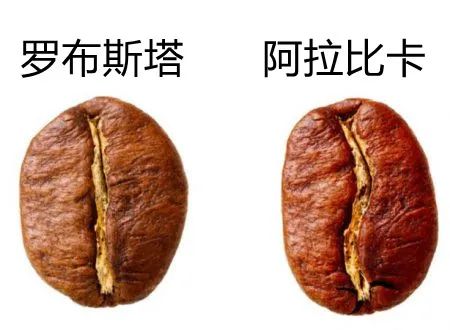
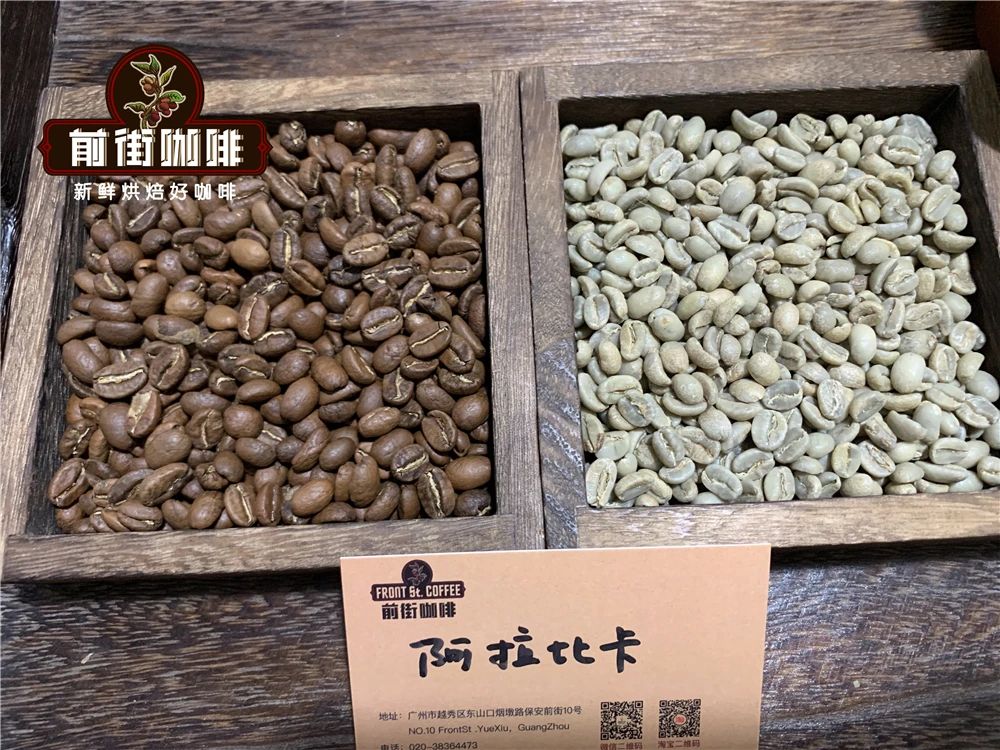
Arabica is a relatively delicate crop, classified as a medium-sized shrub, with the ideal planting altitude ranging between 600 and 2200 meters, and in some regions with unique microclimates, it can even be grown at altitudes as high as 2350 meters. It prefers a cool climate of 15 to 24°C, with an annual rainfall requirement of 1200 to 2200 millimeters. The leaves of Arabica are dark green and oval-shaped, while the fruits are elliptical, typically containing two slightly flattened beans per fruit. The beans are long-oval in shape, with a classic S-shaped center crease and a relatively flat back. A demonstration coffee tree next to a certain store is an Arabica, where you can observe its plant characteristics in person.
In terms of chemical composition, Arabica has a relatively low chlorogenic acid content, about 5.5% to 8%, which also makes it more susceptible to pests and climate change. Compared to Robusta, Arabica contains only 0.9% to 1.2% caffeine, but its fat content is 60% higher, and its sugar content is twice that of Robusta. This results in a softer flavor in Arabica, with bright acidity, noticeable sweetness, and lower bitterness, which are the main reasons for its popularity among pour over enthusiasts.
Currently, there are numerous Arabica varieties, with at least nearly three thousand variants globally, most originating from the two earliest parent varieties—Typica and Bourbon. Different varieties exhibit distinctly different flavor profiles due to variations in climate, altitude, soil, and processing methods. The following will introduce several representative Arabica varieties and their characteristics in pour over performance.
Typicais one of the oldest original Arabica varieties, originating in Ethiopia during the 15th to 16th centuries. It has a relatively tall tree structure, with top leaves exhibiting a distinctive bronze color, and the coffee beans are slender with pointed ends, resembling an egg. Brewed Typica often presents clear citrus acidity, a sweet finish, and an overall clean and elegant flavor profile, regarded as a classic example of the "clean" type. However, it has low yield and weak resistance to leaf rust, gradually being replaced by other disease-resistant varieties. For example, Jamaican Blue Mountain coffee is a strain of Typica, which, due to the region’s unique island climate and meticulous management, showcases an exceptionally balanced flavor of chocolate, nuts, and soft acidity. A certain brand's Blue Mountain No.1, processed with medium-dark roasting, emphasizes a balance of richness and sweetness, representing a classic presentation of high-altitude Typica.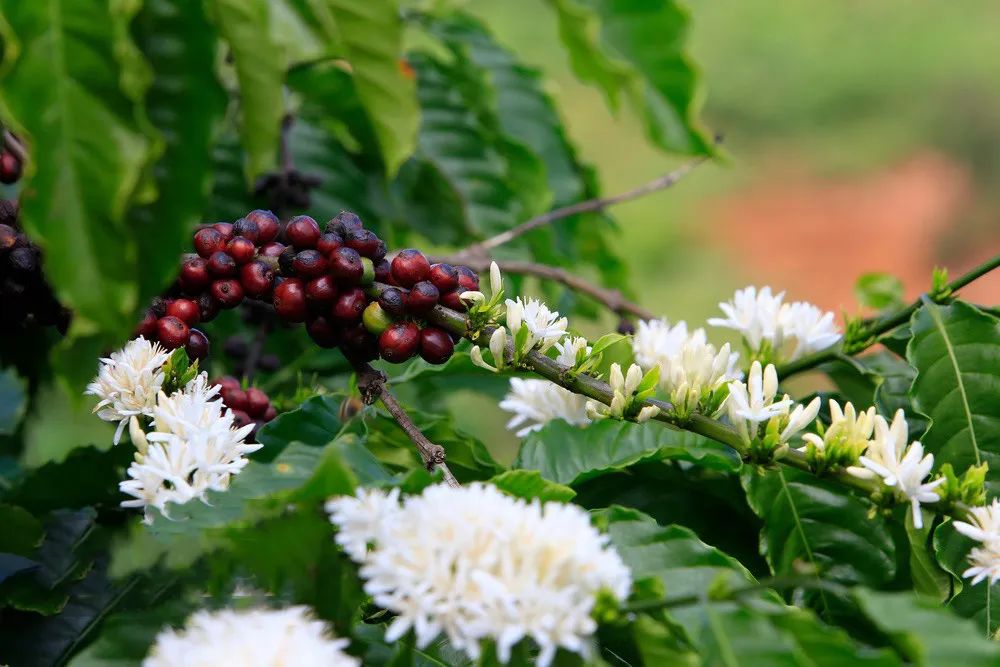
Geishacan be described as the dream variety for contemporary pour over enthusiasts. Originating from Ethiopia and later shining in Panama, it became a representative of specialty coffee largely due to the promotion by Hacienda Esmeralda. Geisha is a mutation of Typica, extremely particular about its environment, requiring high altitude, cloud cover and shade, and fertile soil. Its leaves are thinner, and its root system is not deep, resulting in scarce yield but also creating its extremely delicate aroma and complex layers. Geisha often features aromas of rose, citrus, berries, and honey, with bright acidity and clear sweetness. A certain brand offers multiple Geisha varieties, including the famous Red Label, Green Label, and Volcano Rock series from Hacienda Esmeralda, each with distinct characteristics. Particularly, the Red Label Geisha's pour over performance is considered an excellent entry point for exploring high-end flavors.
Bourbonis a natural mutation of Typica, first discovered in the 18th century on the east coast of Africa on Bourbon Island (now Réunion Island). Its beans are rounder in shape, contrasting with the slender form of Typica. The Bourbon variety has better resistance to leaf rust than Typica and often exhibits richer aroma and acidity layers in high-altitude environments. Bourbon fruits can be categorized by ripening color into red Bourbon and the rarer yellow Bourbon, with the latter having a more pronounced sweetness. An example is the yellow Bourbon from Fazenda Rainha in Brazil, which, after semi-washed processing, presents flavors of nuts, chocolate, and caramel, suitable for brewers who prefer a smooth mouthfeel. A certain brand also includes it in its everyday bean series, as an introductory recommendation for understanding regional flavors.
Caturrais a natural variant of Bourbon discovered in Brazil in 1937. It has a shorter tree structure, suitable for dense planting. Although its disease resistance is average, it outperforms Bourbon in yield and is widely planted in Central America. Caturra features bright acidity and rich fruity notes, often developing chocolate and nutty sweetness after medium-depth roasting, making it a common contender in many competition beans. A certain brand’s recommended Colombian everyday bean is a washed Caturra, emphasizing nut, dark chocolate, and caramel aromas with medium-depth roasting, showcasing a clean and balanced flavor profile.
Finally, let’s introduce SL28 and SL34, selected and bred by Scott Labs in the late 1930s. These two varieties were originally developed to enhance drought resistance and yield but unexpectedly demonstrated exceptional flavor potential. SL28 has a thick bean body, with flavors characterized by soaring acidity and clear sweetness; SL34 has a slightly flatter bean shape, presenting balanced acidity and sweetness with a rich caramel aftertaste. A certain brand’s Kenny Little Tomato Coffee combines these two varieties, using a 72-hour extended washed process to bring out unique acidity notes reminiscent of plum, brown sugar, black plum, and cherry tomatoes, making it an excellent choice for exploring the interaction between special processing and varietals.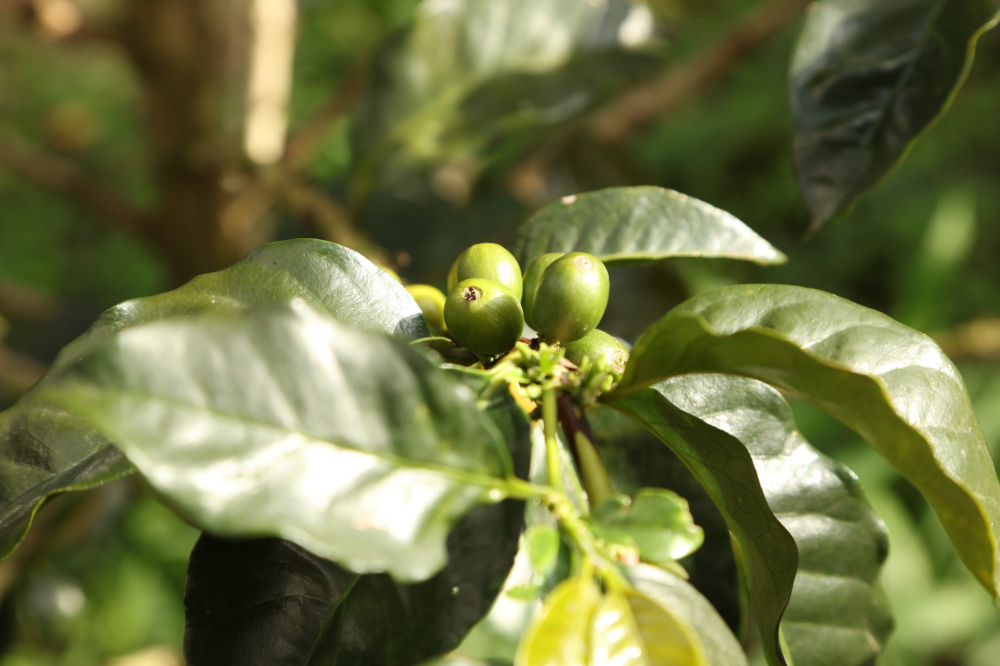
The above content is compiled by CoffeeHunters, a coffee news website.


