







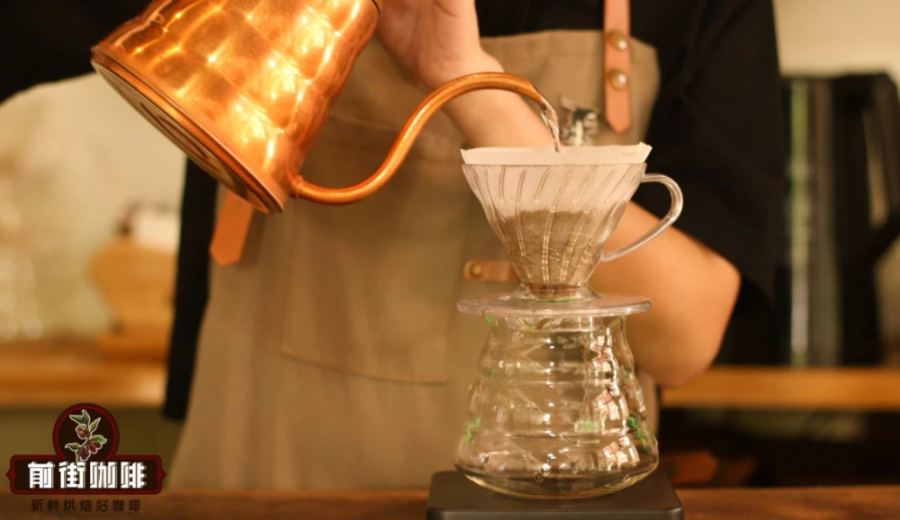
Introduction:The key to mastering espresso lies in precisely controlling the combination of grind size and extraction time. This article delves into how adjusting the grind setting for a double basket, using a 1:2 coffee-to-water ratio and aiming for the golden extraction window of 25 to 30 seconds, allows you to accurately manage the release of flavors. From theoretical foundations to practical parameters, it explains why too long leads to over-extraction and too short results in under-extraction, and provides expert advice to help you pull a balanced and rich espresso shot.
In the process of making espresso, the combination of grind size and extraction time is arguably the core element that determines a cup’s flavor profile. Simply put, extraction is the process of using water as a medium to dissolve various flavor compounds from the coffee grounds. However, not all of these compounds contribute positively to the overall cup—some substances, when over-extracted, can introduce bitterness or unpleasant off-flavors.
Therefore, finding the optimal extraction time window is crucial to fully releasing the coffee’s aroma and sweetness while avoiding the extraction of undesirable flavors. Next, we’ll focus on four key elements: using a double basket as the standard extraction volume, measuring by coffee liquid weight rather than volume, maintaining a 1:2 coffee-to-water ratio, and keeping the extraction time within the ideal range of 25 to 30 seconds.
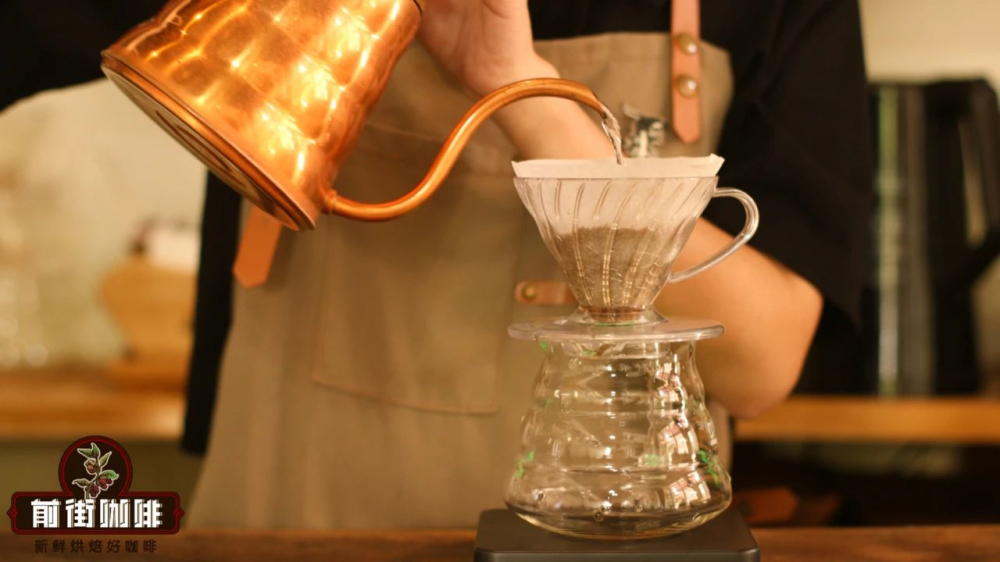
First, using a double basket as the baseline is not only a common industry practice but also ensures stability in extraction volume. With this specification, we can more precisely control the amount of coffee grounds used, thereby influencing the final extraction outcome.
Second, when evaluating extraction results, it’s recommended to use the actual weight of the extracted coffee liquid as the measure, rather than relying on traditional volume judgment. This method provides more accurate data reference and helps precisely control the 1:2 coffee-to-water ratio—that is, extracting about 2 grams of coffee liquid per 1 gram of coffee grounds, the ideal state.
Regarding extraction time,25 to 30 secondsis considered the golden range. This time frame balances the efficiency of flavor extraction, allowing the aromatic compounds, sweetness, and moderate acidity of the coffee to be fully expressed while avoiding the negative effects of over-extraction. It’s important to note that this time is measured from the start of extraction until the target yield is reached.
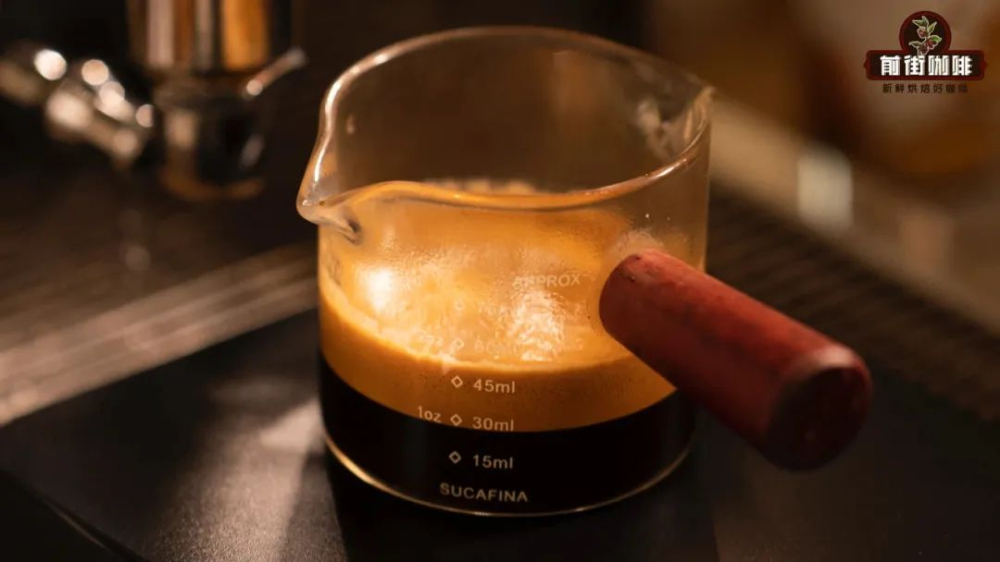
To understand this process, it’s essential first to grasp the nature of extraction: the longer the time, the more substances are dissolved from the coffee grounds. But not all released substances are desirable—some compounds are released only after longer extraction times, and these are often the culprits behind bitterness, astringency, or paper-like flavors.
Therefore, adjusting the grind size becomes a key method for controlling extraction time. A coarser grind slows down the water flow through the coffee puck, while a finer grind speeds up the extraction. In practice, you’ll need to fine-tune the grind setting based on the actual characteristics of the coffee beans you’re using, your grinder model, and current environmental conditions such as humidity and temperature.
A practical tip is: if you find the coffee flavors too sharp or noticeably burnt and bitter, try adjusting the grind to a coarser setting and observe the change in extraction time. Conversely, if the coffee tastes thin, lacks complexity, or comes across as overly sour, you may need to grind finer to slightly extend the extraction time.
In actual practice, it’s recommended to use a scale to accurately measure both the amount of coffee grounds and the final extracted liquid weight. This helps you more reliably recreate ideal extraction parameters. At the same time, record each adjustment of parameters along with corresponding flavor outcomes—over time, you’ll build your own extraction database.
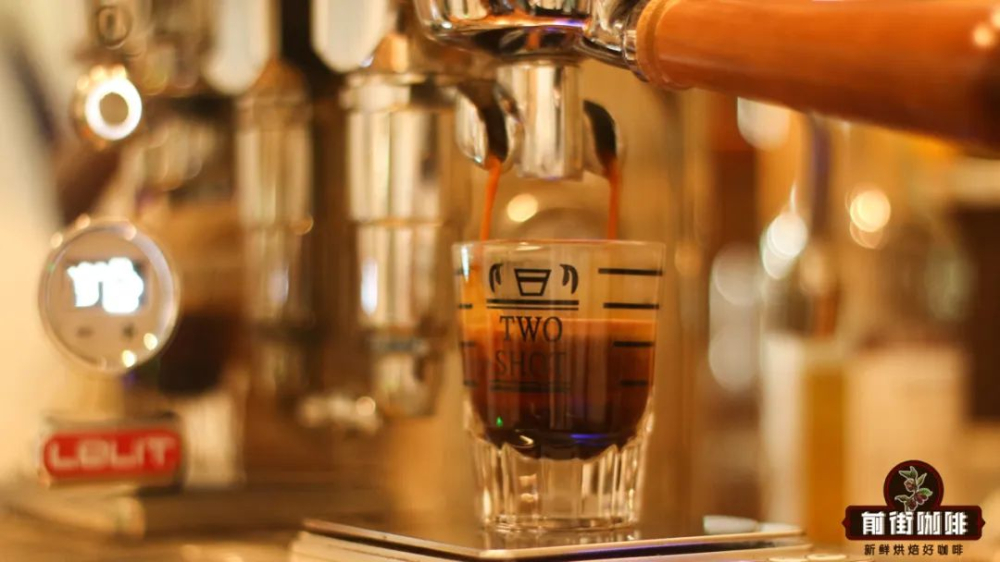
In summary, dialing in espresso is an art that requires patience and observation. By understanding the interplay between grind size and extraction time, and strictly controlling the 1:2 coffee-to-water ratio and the 25 to 30-second extraction window, you’ll be able to consistently pull shots with balanced flavors and a rich mouthfeel. Remember, every coffee bean has its unique characteristics—continuous experimentation and documentation are the best ways to improve your extraction skills.
The above content is compiled by CoffeeHunters, a coffee news website.


