








Introduction:Catimor coffee beans are widely cultivated in Yunnan due to their disease resistance and high yield, making them the mainstream variety. However, their flavor is often considered relatively ordinary. This article delves into the origin of the Catimor variety, the evolution of its cultivation in Yunnan, and advancements in post-harvest processing techniques. It explores the unique flavor characteristics and challenges of Catimor, and provides professional V60 three-stage brewing parameters to help you fully showcase the layered and tea-like qualities of Yunnan coffee.
Catimor is an extremely common variety in Asian coffee-growing regions, especially prominent in Yunnan. This variety has long been favored by farmers for its strong disease resistance and high productivity. However, compared to other specialty coffee varieties, Catimor is often perceived as having a thinner flavor profile, lacking refinement and complexity, which leads to polarized opinions within the specialty coffee community.
Nevertheless, with improvements in cultivation techniques and post-processing methods, the overall performance of Catimor coffee has gradually improved in terms of cleanliness and consistency, slowly regaining market confidence. Understanding Catimor’s background and potential can help coffee enthusiasts view this variety more holistically and explore how it performs across different regions and processing methods.

Catimor is not a naturally occurring variety but was developed through artificial breeding techniques. One of its parent varieties is Caturra from Brazil, a natural mutation of the Bourbon variety, known for its compact plant size and good yield. The other parent is Hibrido de Timor (abbreviated as Tim Tim), a unique variety that emerged from natural crossbreeding between Robusta and Arabica on the island of Timor in the early 20th century, carrying some Robusta genetics.
Due to its Robusta lineage, some coffee enthusiasts question whether Catimor can be considered pure Arabica. However, from a practical cultivation and commercial perspective, Catimor has become an important cash crop in many regions thanks to its disease resistance and stable yield. When grown at suitable high altitudes and paired with proper post-harvest processing, Catimor can also deliver surprisingly clean profiles and promising flavor potential.
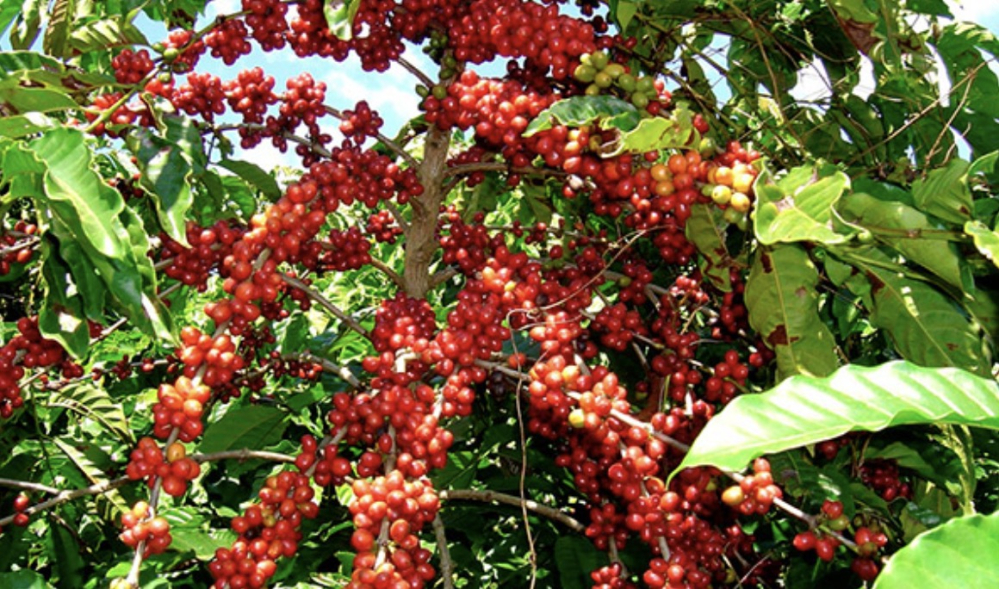
When discussing Catimor, Yunnan inevitably comes up. As China’s primary coffee-producing region, Yunnan’s coffee cultivation history dates back to 1904, when French missionaries introduced the first batch of coffee trees, later genetically identified as the Typica variety. However, early cultivation was mainly aimed at repaying foreign debts, with little attention paid to variety selection or subsequent management, resulting in limited coffee quality.
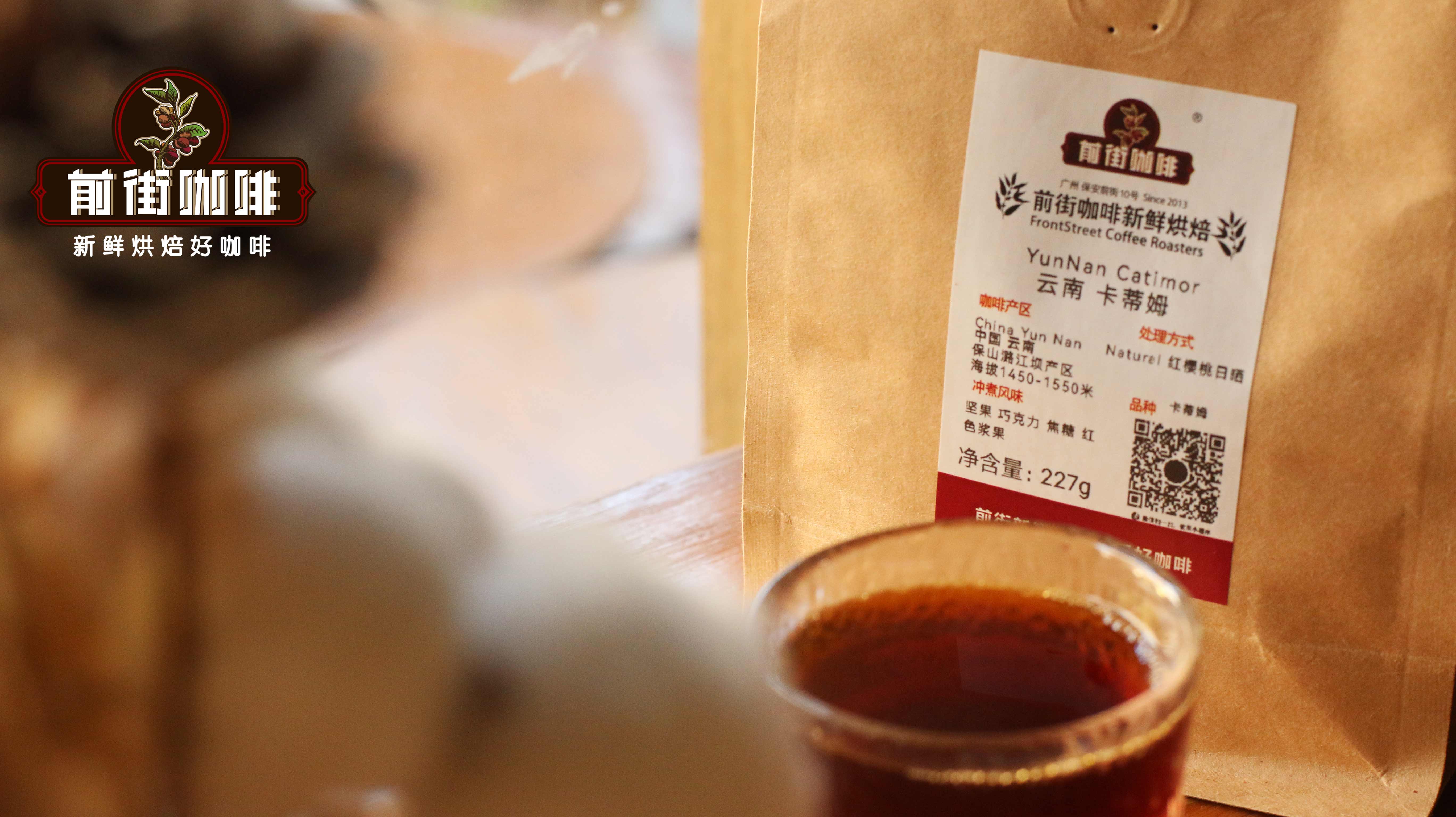
It wasn’t until the 1990s, when Nestlé began promoting the Catimor variety in Yunnan to secure a stable raw material supply, that the variety gained traction. Known for its stronger resistance to leaf rust and suitability for large-scale cultivation, Catimor became the dominant variety in Yunnan over the following decades, primarily supplying major international brands. However, early cultivation and processing methods were relatively rudimentary, leading to a long-standing poor reputation for Yunnan coffee among consumers, with its flavor profile struggling to stand out.
In recent years, with the rise of the domestic coffee consumption market, Yunnan producers have begun prioritizing quality improvement. They have optimized everything from cultivation management and harvest timing to post-processing techniques, experimenting with various processing methods such as natural, honey, and washed to enhance flavor profiles. These efforts have gradually improved the cleanliness and flavor complexity of Yunnan Catimor, encouraging more consumers to try this locally distinctive coffee.
Despite advancements in post-processing techniques improving the performance of Yunnan Catimor, experienced coffee experts point out that the inherent characteristics of the variety still significantly influence its flavor. To further explore the potential of the coffee, one coffee brand has been cultivating the Typica variety in Yunnan since 2013, hoping to achieve a flavor profile closer to that of specialty coffee through varietal change.
As one of the oldest Arabica varieties, Typica boasts a pure genetic background, with flavors often described as clean, bright, and distinctly acidic, accompanied by pronounced fruitiness. Although the brand’s Yunnan Typica has a limited production of just over 600 kilograms, its refined processing and moderate sun-drying reveal rich notes of berries, brown sugar, black tea, and nuts, demonstrating the importance of varietal selection on flavor.
In addition to Typica, the brand also offers Catimor coffee beans from Yunnan’s Baoshan growing region as an entry-level option. This bean showcases the region’s distinctive plum-like acidity, brown sugar sweetness, and soft melon-like aroma, offering excellent value for money and making it highly suitable for everyday drinking.
To fully highlight the flavor characteristics of Yunnan coffee, especially its acidity, sweetness, and tea-like qualities, choosing the right brewing method is crucial. One brand recommends using the V60 dripper for pour over, with a brew ratio of 1:15. The grind size should be medium-fine, roughly the size of coarse sugar, or with a 75% extraction rate through a Chinese No. 20 standard sieve. Water temperature is advised to be controlled between 88-89°C to help balance acidity and sweetness.
For specific brewing, a three-stage pouring method is suggested: start with a 30g bloom for 30 seconds to initiate extraction; then, in the second stage, pour in a small circular motion to reach 125g, wait for the water level to drop by about half, and continue pouring to 225g, with the total brew time kept around 2 minutes and 10 seconds. These parameters help fully bring out the layered profile of Yunnan coffee while minimizing over-extraction or undesirable off-flavors.
In summary, although Catimor remains controversial in the specialty coffee realm, it can still deliver respectable flavor performance under suitable conditions and careful processing. As a key producing region, Yunnan is gradually establishing its own coffee identity through continuous technical improvements and varietal exploration. Whether you’re a coffee novice or an advanced enthusiast, you can start with Yunnan Catimor to experience the diverse possibilities of coffee from this land.
The above content is compiled by CoffeeHunters, a coffee news website.


