







Introduction:This article provides an in-depth look at a honey-processed Red Cherry coffee bean from the Hafursa Cooperative in Ethiopia’s Yirgacheffe region. It covers the background of the producing area, the principles behind the honey processing method, and offers a detailed explanation of the bean’s unique flavor profile and optimal pour over parameters. It aims to help both beginner and advanced coffee enthusiasts master the brewing techniques and tasting highlights of this medium-to-high altitude honey-processed coffee.
In the world of specialty coffee, Yirgacheffe has long been the first stop for many newcomers exploring African flavors. Many baristas recommend starting with classic washed and natural processed methods, with certain brands’ washed Guatiding and natural Red Cherry being common entry choices. However, if you’re looking to try a different processing style, consider this honey-processed Red Cherry coffee from the Hafursa Cooperative. It blends the clarity and layering of washed processing with the sweet fruity notes of natural processing, resulting in a more three-dimensional and mellow flavor experience.
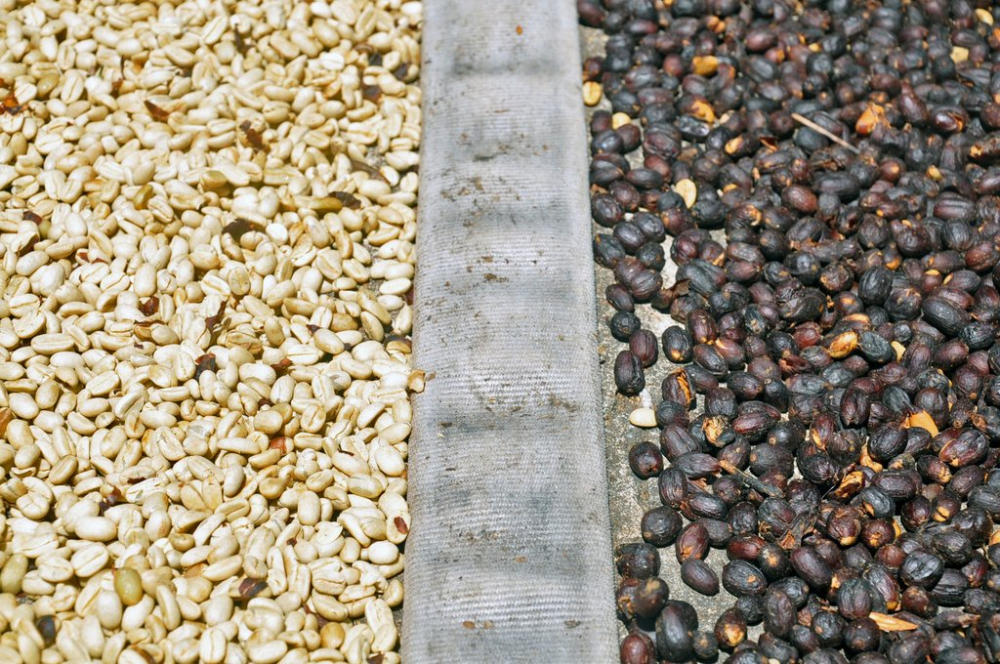
For beginners, the starting point for tasting Yirgacheffe is often the two classic types: washed and natural. Washed beans are dried after removing the fruit skin and mucilage, typically exhibiting bright acidity and a clean profile — for example, certain brands’ washed Guatiding showcase elements like jasmine, citrus, green tea, and grapefruit, with a crisp and clean mouthfeel. Natural beans, on the other hand, are dried with the entire coffee cherry intact under the sun, which intensifies the fruity aromas. A certain brand’s natural Red Cherry, for instance, reveals layers of berries, peaches, sweet orange, and black tea, offering a round mouthfeel and a long, lingering finish.
Speaking of Hafursa, it is a traditional village located in Ethiopia’s Yirgacheffe region and one of the smallest administrative units there. Interestingly, it lies just west of the town of Yirgacheffe, and you can reach this coffee-growing haven by taking a short walk westward from the town center. The Hafursa Cooperative was established in 1975 and is one of the key participants in Ethiopia’s early cooperative movement, boasting a history of nearly half a century.
The coffee sourced by this cooperative mainly comes from two areas: the slopes of Hafursa Village west of the processing facility, at elevations of about 1850 to 2100 meters, and the hills near Konga Village to the south of the facility, ranging between 1870 and 2000 meters above sea level. Both areas benefit from high altitude, good drainage, and ample sunlight, providing ideal growing conditions for coffee beans and laying the foundation for their rich flavor complexity.
The Hafursa Cooperative officially joined the Yirgacheffe Coffee Farmers Cooperative Union (YCFCU) in 2013 and obtained dual certifications for “organic” and “fair trade.” They practice shade-grown cultivation, intercropping coffee trees with bananas and other crops, which not only maintains biodiversity but also helps naturally control diseases. The entire process relies on manual harvesting and organic fertilizers, and traditional ecological farming methods are used to minimize chemical inputs, resulting in purer and more natural coffee flavors. Notably, Hafursa’s coffee received a remarkable score of 95 from Coffee Review in 2013, with its flavors described as honey-like sweetness, smooth acidity, and an enticing aroma profile of citrus, almond, and caramel.
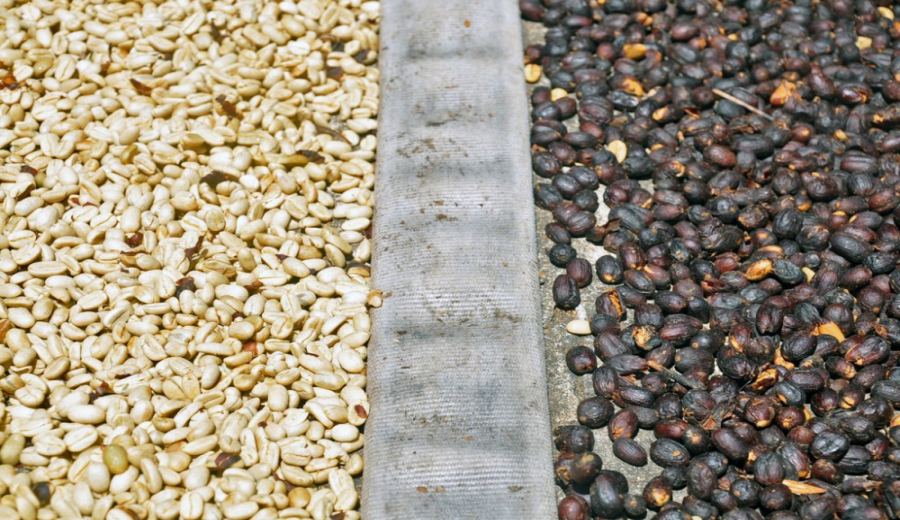
So, what exactly is the “honey processing method” used for this Yirgacheffe honey-processed Red Cherry? In simple terms, it involves removing the outer fruit skin of the coffee bean but retaining the sticky mucilage layer on the surface, followed by sun drying. Compared to traditional washed processing, which completely washes away the mucilage, honey processing varies the amount of mucilage retained, the drying time, and the frequency of turning the beans. This results in subcategories such as black honey, red honey, orange honey, yellow honey, and white honey. This technique retains some of the cleanliness of washed processing while enhancing sweetness and caramel notes, leading to a fuller and more layered cup profile.
The honey processing method sits between the two extremes, maintaining the clean characteristics of washed processing while incorporating the sweet aftertaste of natural processing. The star of this article — a certain brand’s Yirgacheffe Hafursa Red Cherry — showcases unique aromas and flavors through the honey processing method. This coffee bean features a refreshing citrus acidity, a full yet soft mouthfeel, along with caramel-like sweetness and almond notes. Its long and delicate aftertaste makes it highly suitable for those who enjoy balanced flavors and medium body.
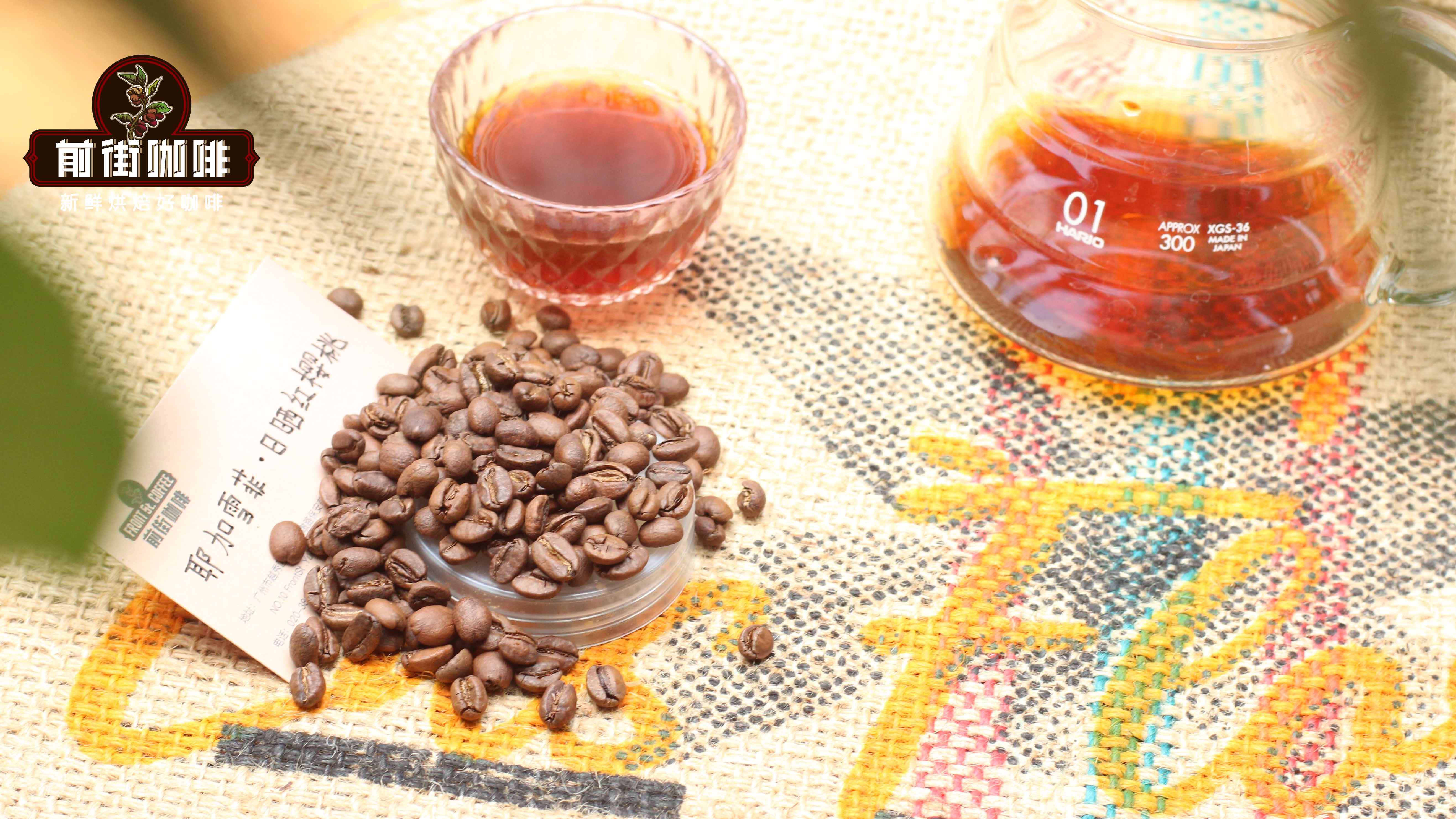
Here are the specific pour over steps: First, perform a 30-second bloom with 30 grams of water; second, pour 95 grams of water to reach a total of 125 grams, completed within about 1 minute; third, pour another 100 grams of water to reach a total of 225 grams, finished around 1 minute and 40 seconds. The total extraction time should be controlled at around 2 minutes and 10 seconds, after which you can remove the filter and enjoy. The flavor profile of this coffee centers around citrus, almond, honey, and caramel. It has a bright yet non-aggressive acidity, natural sweetness, and a long-lasting aftertaste, making it perfect for coffee lovers who prefer a medium body, well-defined layers, and balanced flavors.
The above content is compiled by CoffeeHunters, a coffee news website.


