







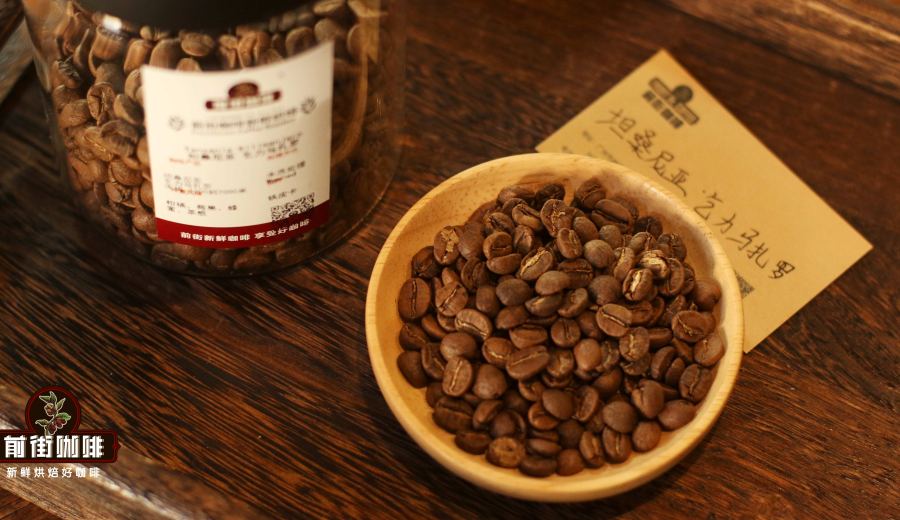
Introduction:As an important specialty coffee-producing region in East Africa, Tanzania is renowned for its soft acidity and rich, sweet aromas. Among its offerings, Kilimanjaro coffee is hailed as the "Gentleman of Coffee." This article delves into the origin of Tanzania’s coffee varieties, its main producing regions, grading standards, and washed processing methods, while also comparing its flavor profile with that of neighboring Kenya. Additionally, it provides a detailed look at the roasting characteristics, cupping notes, and practical pour-over parameters for AA-grade Kilimanjaro coffee, helping coffee enthusiasts gain a comprehensive understanding of this classic regional bean with its distinctive wine-like and berry notes.
Tanzania is located in East Africa and boasts uniquely favorable geographical and climatic conditions, making it one of the region’s renowned specialty coffee origins. The country’s coffee beans are primarily characterized by a full-bodied mouthfeel, soft yet bright acidity, and rich sweetness. In particular, coffee produced in the northern Kilimanjaro region has received widespread acclaim in the international market and is esteemed as the "Gentleman of Coffee." This article will comprehensively introduce the main variety sources, key production region distributions, grading systems, and washed processing procedures of Tanzanian coffee, while also comparing it with coffee from neighboring Kenya to give readers an in-depth understanding of this uniquely flavored coffee.
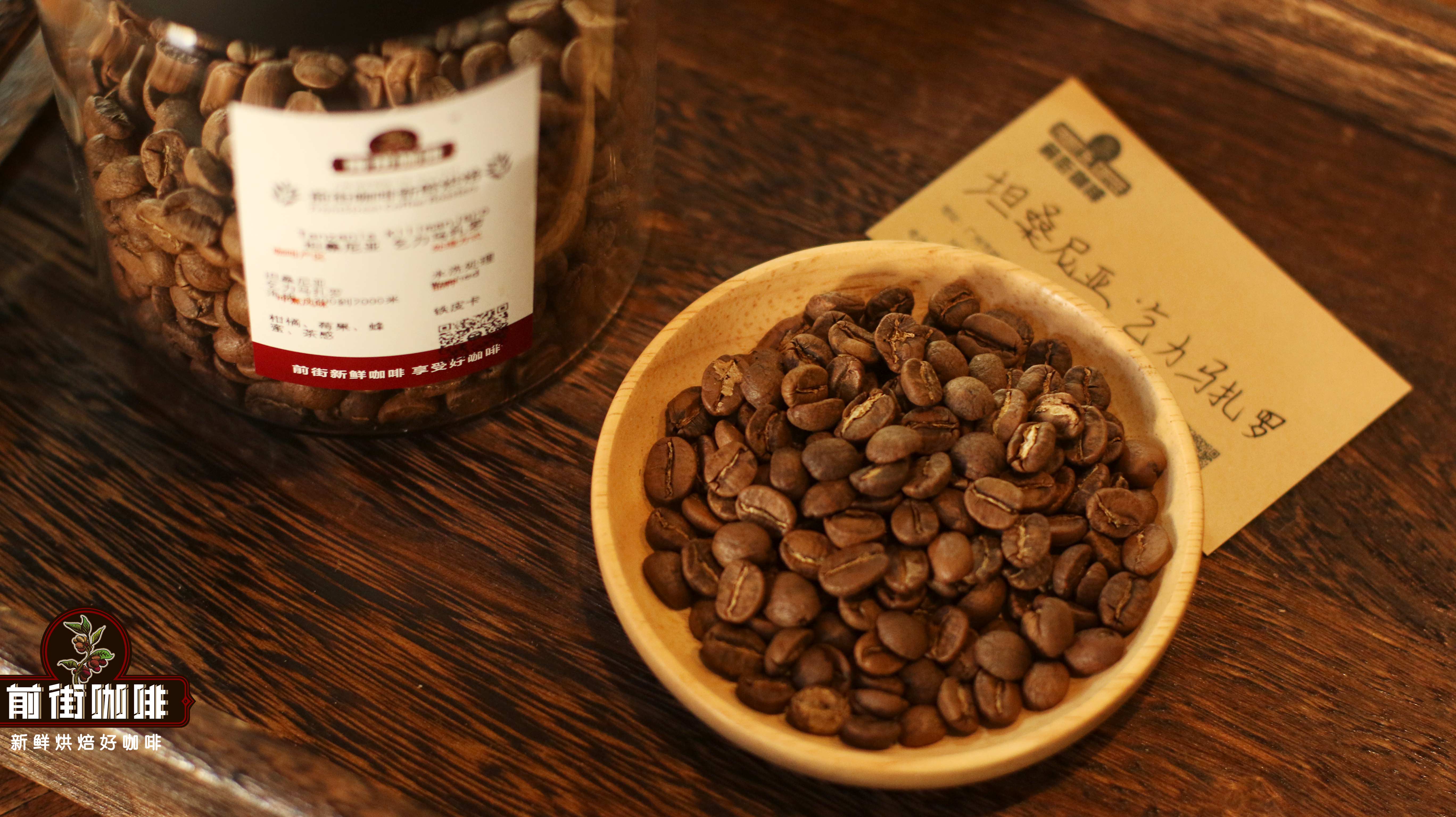
The history of coffee cultivation in Tanzania dates back to 1898, when Catholic missionaries introduced the Bourbon variety to the Kilimanjaro region, followed by the Kent variety in 1920. To this day, these two varieties remain the primary ones grown in the country. Bourbon coffee beans are small and dense, known for their high sweetness and bright acidity, but they tend to have lower yields and are susceptible to leaf rust. The Kent variety is a hybrid of Typica originating from India, valued for its strong disease resistance and stable yields. These two major varieties together shape the unique flavor profile of Tanzanian coffee.
The main coffee-growing regions in Tanzania includeKilimanjaro (乞力马扎罗), Ruvuma (鲁武马), and Mbeya (姆贝亚). Kilimanjaro is the country’s oldest and most representative coffee-growing region, situated around Africa’s highest peak—Mount Kilimanjaro. Planting altitudes generally range between 1,050 and 2,500 meters, with the harvest season running from July to December each year. The region has a well-established coffee industry foundation, but some areas face challenges such as declining yields due to aging coffee trees and crop diversification.
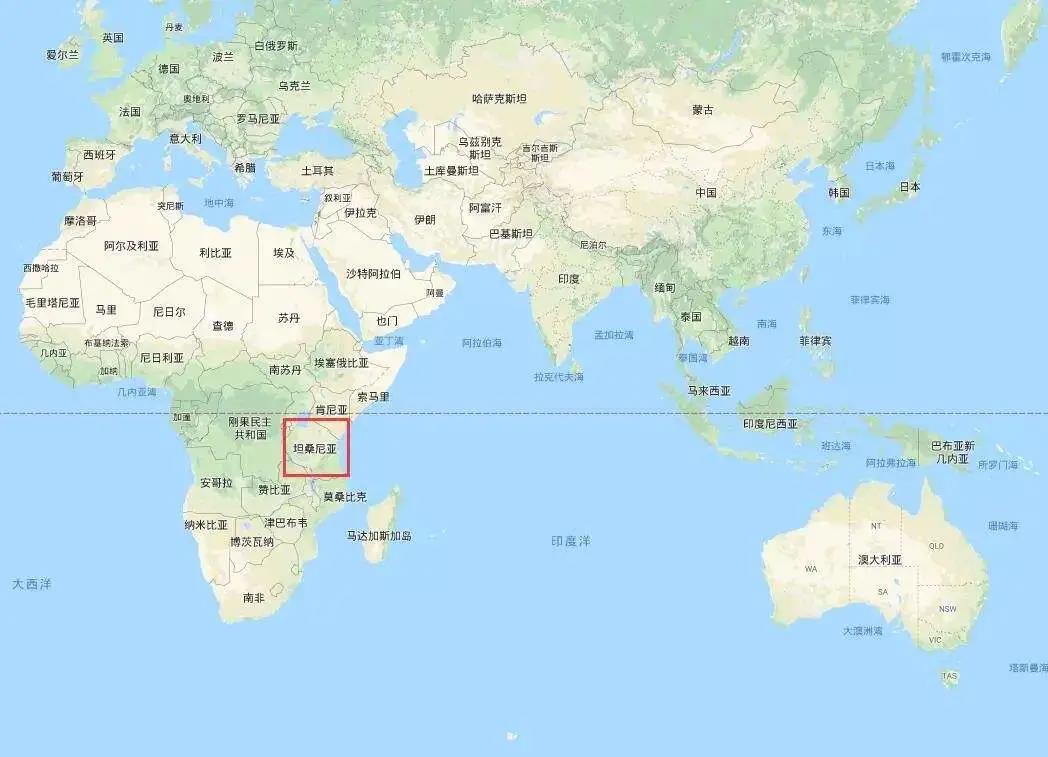
The Ruvuma region is located in the southernmost part of Tanzania and is named after the Ruvuma River, with planting activities concentrated in the Mbingo area. The altitude here ranges approximately from 1,200 to 1,800 meters, and the harvest season spans from June to October. Although it currently enjoys limited overall recognition, the region is considered to have potential for producing high-quality coffee. Mbeya is located near the southern Tanzanian city and serves as a hub for various high-value crops such as tea, cocoa, and spices. In recent years, thanks to efforts by international organizations to improve local coffee quality, its altitude range is about 1,200 to 2,000 meters, and the harvest season also falls between June and October.
In terms of grading, Tanzania, like its neighbor Kenya, primarily uses the screen size (i.e., bean size) of green coffee beans as the main grading criterion. Common grades include:AA grade (17 to 18 mesh, approximately 7.20 mm), AB grade (15 to 16 mesh, 6.8 mm to 6.2 mm), PB grade (peaberry, about 10%), C grade (12 to 14 mesh, 4.8 mm to 5.6 mm). Among these, the AA grade, due to its largest size and typically superior quality, is considered a premium choice in the market.
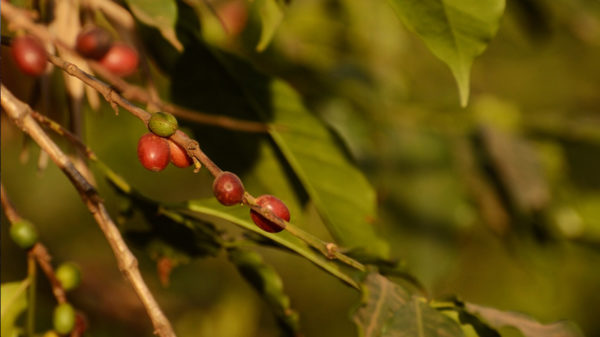
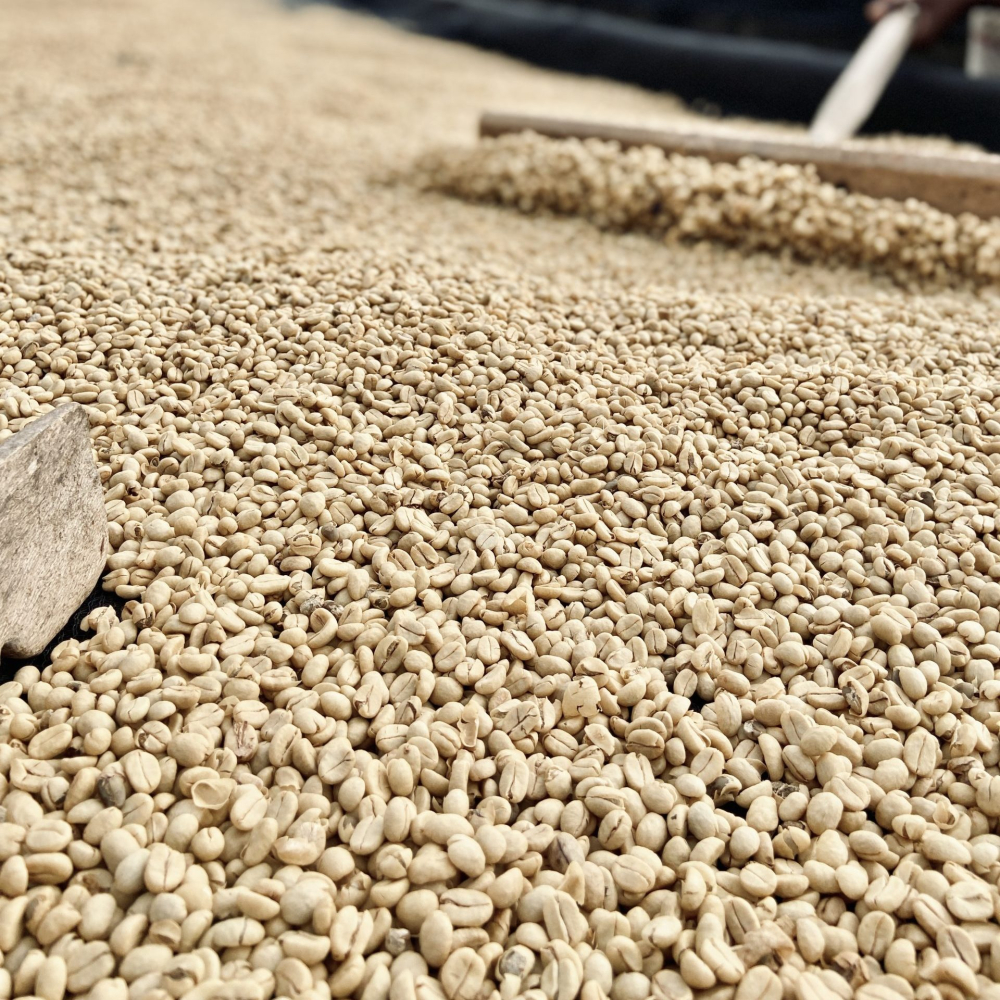
The majority of Tanzanian coffee is processed using the washed method, which highlights the coffee’s cleanliness and bright acidity. The process generally includes the following steps: first removing impurities, then stripping the pulp and outer skin, followed by fermenting the mucilage-covered beans in tanks to remove the fruit mucilage, and finally thoroughly washing and drying the beans. This technique helps preserve the original flavor characteristics of the coffee while improving overall purity and consistency.
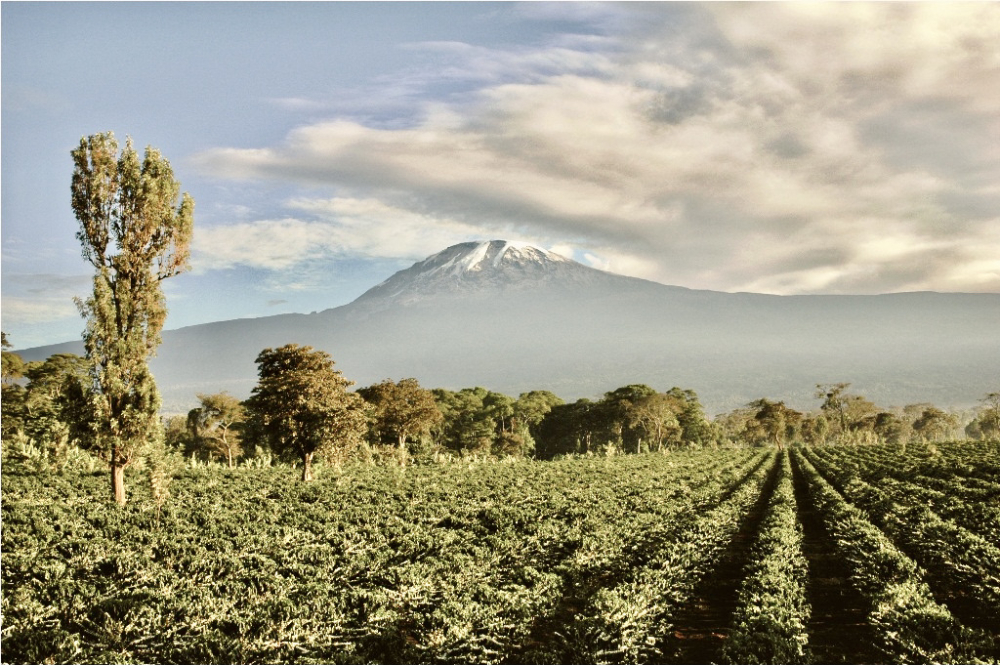
Kilimanjaro coffee is the most iconic type of coffee in Tanzania, grown in the country’s northeastern high-altitude regions surrounding Africa’s highest peak—Mount Kilimanjaro. Farmers in this area typically cultivate coffee in volcanic soil at elevations of 1,300 to 2,000 meters, resulting in beans with a dense structure, intense aroma, and full-bodied taste. Kilimanjaro coffee is widely praised for its rich mouthfeel, balanced acidity, and bold aroma, particularly the washed AA-grade beans, which are celebrated as the "Gentleman of Coffee" and are known for their unique notes of berries, honey, and wine.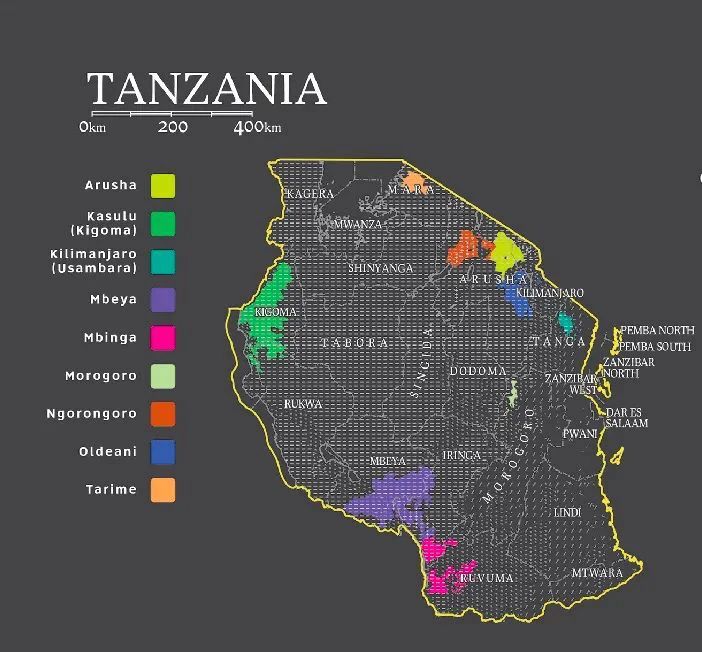
Light to medium roasting of AA-grade Kilimanjaro coffee beans can fully highlight their bright acidity and berry aromas. These beans are usually grayish-green in color with uniformly plump grains, and roasting releases sweetness along with vibrant fruit acids. It is recommended to use a V60 dripper, with a coffee dosage of about 15 grams, a coffee-to-water ratio of 1:15, water temperature controlled at 91°C, and a grind size of approximately 80% passing through a #20 sieve. During pour-over, start with a 30-second bloom using 30 grams of water, then pour in circles incrementally up to 125 grams and 225 grams. The total extraction time is around 2 minutes, which helps bring out layered flavors of citrus, berries, and tea.
During cupping, this coffee typically exhibits pronounced caramel and dried berry aromas, with a wet aroma carrying fresh berry notes. Upon tasting, one can discern citrus tones, berry flavors, and a soft tea-like mouthfeel, with a finish highlighted by delicate notes of honey and nuts. Different batches may also show subtle fermentation aromas, adding complexity to the flavor. These characteristics have secured Tanzanian coffee a place in the international specialty coffee market, especially appealing to those who enjoy wine-like and fruity profiles.
Overall, Tanzanian coffee beans are known for their soft and balanced acidity, rich sweetness, and refined mouthfeel. Compared to neighboring Kenya, its acidity is more subdued, its sweetness more pronounced, and it often carries unique wine and berry notes. Whether as a daily drink or an entry point for exploring East African coffee flavors, Tanzanian coffee offers a rich and unforgettable taste experience.

The above content is compiled by CoffeeHunters, a coffee news website.


