







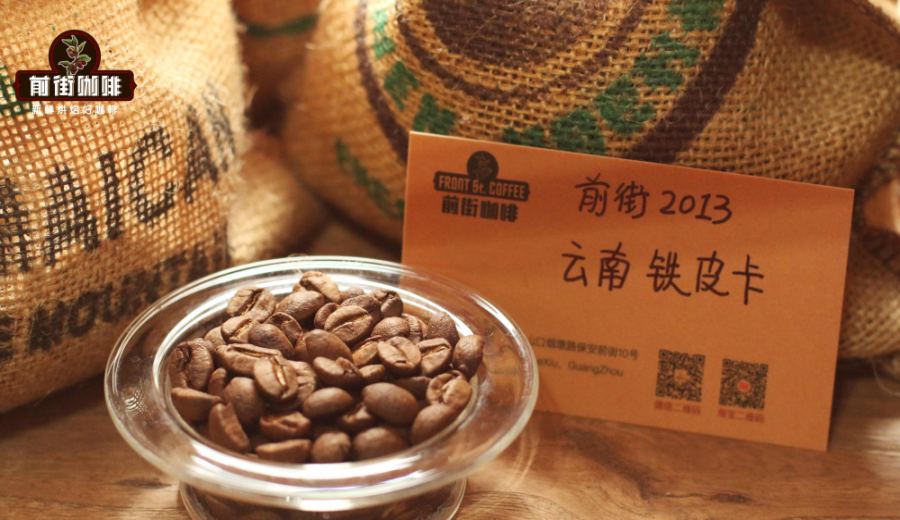
Introduction:Explore the unique flavor origins of Yunnan small-bean coffee—from varietal evolution, core growing region environments, to the impact of washed and natural processing methods, and how precise pour over techniques can bring out the best expression. This article systematically breaks down the key factors influencing Yunnan coffee flavors and provides practical recommended bean selections and brewing suggestions. Whether you’re a beginner or an advanced enthusiast, you’ll gain valuable insights.
When it comes to coffee from Yunnan, many people first think of a balanced taste that is rich yet refreshing—with a solid but not overpowering bitterness base, just-right bright acidity, and a hint of sweetness lingering in the aftertaste. This kind of “moderate and harmonious” drinking experience is a major reason why Yunnan small-bean coffee has gradually gained recognition in the international market in recent years. This article will comprehensively analyze the underlying factors that create Yunnan coffee’s unique character, covering everything from varietal background, regional geographic conditions, processing technique differences, to hands-on pour over parameters. It also includes a selection of tried-and-true recommended beans to help you delve deeper into savoring the “Yunnan flavor.”
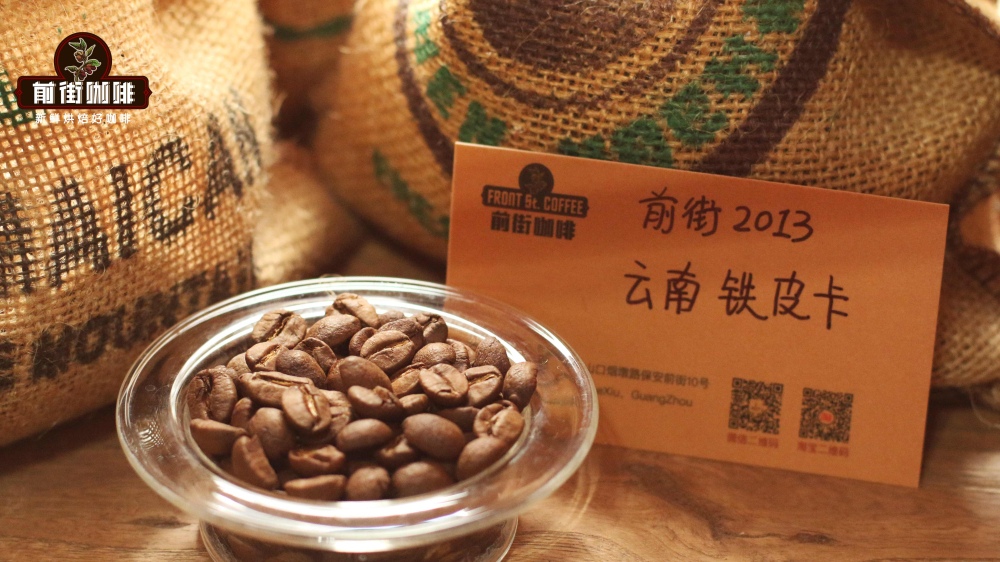 So what exactly is “Yunnan small-bean”? This term was originally used to distinguish it from the medium-bean Robusta grown in places like Hainan. In fact, like other major producing regions, Yunnan small-bean belongs to the broader Arabica family. Before the 1960s, the main varieties planted in Yunnan were the small-bean Typica and Bourbon. However, by the 1970s and 1980s, with the widespread outbreak of coffee leaf rust globally, industry players began actively seeking more disease-resistant alternatives. In 1990, driven by Nestlé’s introduction, the Catimor variety—originating from Latin America and known for both high yield and disease resistance—was brought to Yunnan, gradually replacing the less economically viable Typica. Since Catimor is a hybrid of Arabica and Robusta (with about 25% Robusta genes), it not only inherits Robusta’s disease resistance and rich crema characteristics, but also retains some of the complex flavor layers of the original Typica, though it is comparatively slightly less clean in profile. Tasting experiences indicate that Yunnan-grown Catimor often exhibits notes of nuts, brown sugar, and plums. Though not absolutely pure, it has a rustic charm of its own.
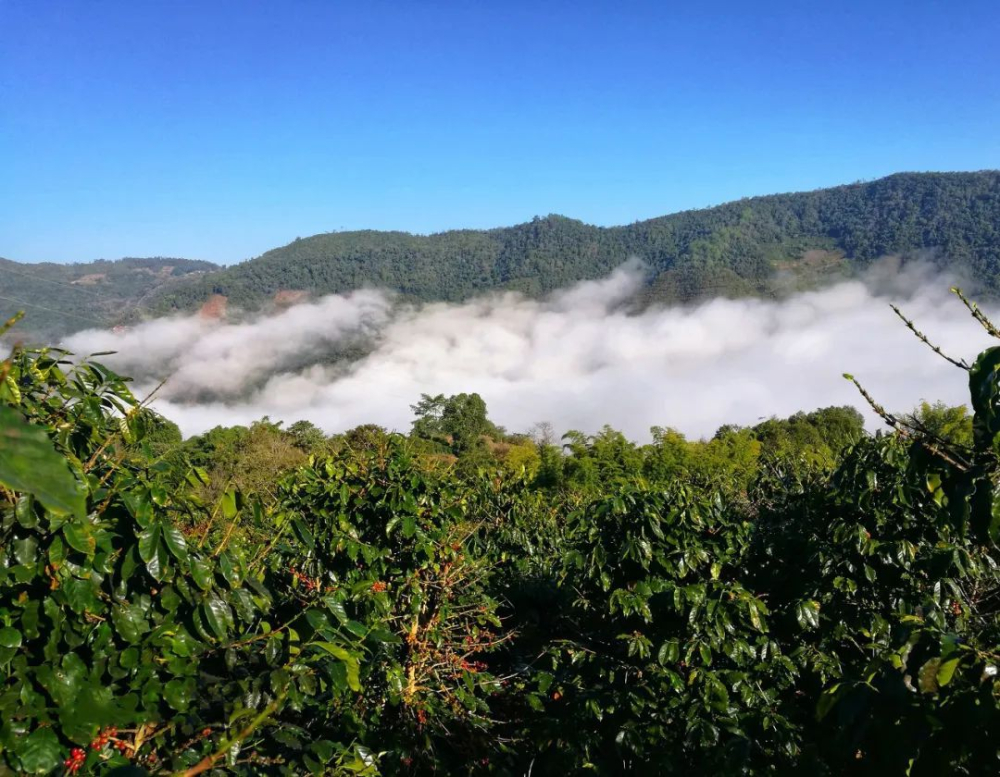
Currently, Yunnan’s coffee cultivation spans nine prefecture-level cities including Pu’er, Baoshan, Dehong, Lincang, Wenshan, and Xishuangbanna, covering a total of 35 counties. This article focuses on two core producing regions carefully selected from industry bean lists—Baoshan and Lincang. Among them, Baoshan benefits from a frost-free warm climate year-round, especially the dry-hot river valley terrain around the Lugujiang Dam area, where the significant day-night temperature variation and moderate-to-low annual rainfall provide ideal conditions for sugar accumulation and flavor development in coffee cherries. This region is not only one of Yunnan’s earlier and larger-scale producing areas, but the high altitude and low rainfall characteristics of the Lugujiang Dam farm also result in thinner coffee cherry pulp, relatively enhancing sweetness. It is particularly recommended to try Yunnan small-bean as an entry point to experiencing “domestic Yunnan coffee” and to savor its unique sweet aftertaste.
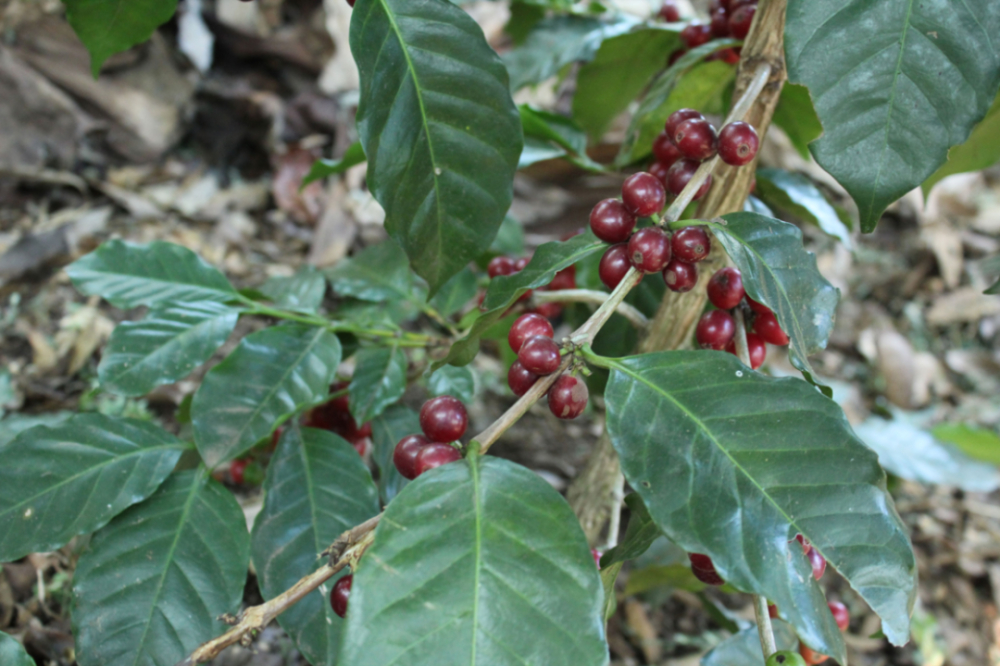 Another key producing region, Lincang, is influenced by both the warm, moist air currents of the Indian Ocean and the southwest monsoon. Although the boundaries between the four seasons are not distinct, the distinction between dry and wet seasons is clear. The area enjoys abundant sunshine, ample rainfall, and very short frost periods, with some highlands even frost-free year-round. Coupled with the diversity of its three-dimensional climate, it is extremely suitable for the growth of Arabica varieties. Here, we’ve specially selected the most representative original Typica variety—widely recognized as a classic line of high-quality Arabica, represented by Blue Mountain and Kona, which boasts rich fruit acidity layers, delicate mouthfeel, and a complex aroma profile.
When it comes to processing methods, there are no shortage of cases in the market where special flavor-enhancing techniques are used to mask defects or artificially add intense aromas to raise selling prices. But believes that such practices not only fail to authentically reflect the intrinsic flavors of Yunnan coffee, but can also mislead consumers’ understanding of the region’s characteristics. In fact, due to equipment and technical limitations faced by most Yunnan coffee farmers, the vast majority of Yunnan beans still use the two traditional, natural, and economical processing methods: washed (Washed) and natural (Natural). If you wish to experience the true profile of the “Yunnan flavor,” it is recommended to prioritize beans processed using the washed method. The “Yunnan Small-Bean Everyday Bean” launched by is one such example. This batch of beans is carefully selected from seven classic producing areas, covering multiple representative regions and varieties, and follows the locally common washed process: after harvesting, the coffee cherries are first mechanically stripped of their skin and pulp, then the parchment beans are sent to fermentation tanks where microbial action breaks down the mucilage layer; after fermentation, they are thoroughly rinsed with clean water to completely remove residual mucilage, and finally sun-dried outdoors for about 1 to 2 weeks until the moisture content meets the standard. This processing method not only effectively reduces defect rates, making overall quality more stable, but also significantly enhances flavor cleanliness and clarity.
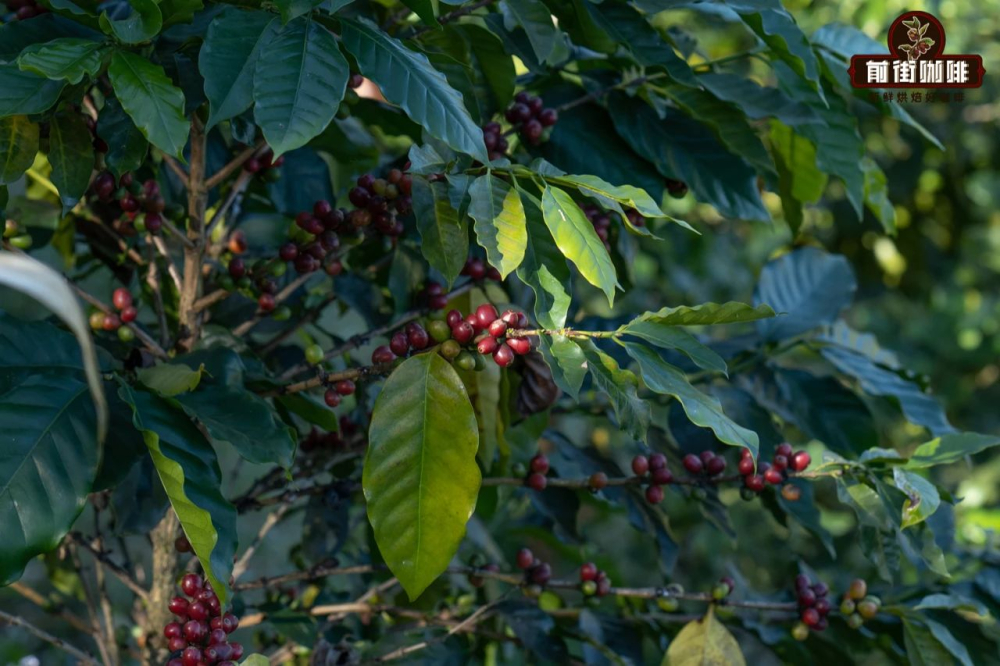 If you prefer a more fruity and sweet expression, also offers a naturally sun-dried bean “2013” from its own Lincang estate, using the elegant Typica variety. Every November, as the coffee cherries gradually turn red and ripen, workers hand-pick them one by one and evenly spread the fresh fruit under the sun to dry naturally. During this period, they continuously turn the fruit to ensure even dehydration and avoid over-fermentation that could lead to off-flavors. Compared to washed processing, sun-dried Yunnan coffee often carries more pronounced fruit fermentation aromas, while its sweetness is also more prominent.
Finally, for roasted Yunnan small-bean coffee beans, how can you fully bring out their potential through proper pour over techniques? The primary key lies in “freshness”—roasted coffee beans typically have an optimal flavor peak window of about 5 to 14 days. Once this period is exceeded, the completeness of aroma and taste will be greatly compromised. All beans produced are guaranteed to be shipped within 5 days after roasting, ensuring consumers can brew them in the best possible condition.
Recommended pour over parameters are as follows:
- Filter: Hario V60 (resin material, helps enhance aroma expression and layering)
- Coffee dose: 15 grams
- Water temperature: 90°C (avoid being too high, which can lead to over-extraction and bitterness, or too low, causing under-extraction)
- Grind size: 75% passing through a #20 sieve (equivalent to medium-coarse, suitable for Yunnan beans with moderate flavors)
- Coffee-to-water ratio: 1:15 (adjust slightly according to personal taste)
For operation, it is recommended to use the “three-stage pouring” method: the first stage involves quickly wetting the coffee grounds with twice the dose of water (about 30 grams) to form a bloom, then letting it sit and degas for 30 seconds; the second stage uses a small stream of water to pour in circles from the inside out, accumulating to 125 grams before pausing, and waiting for the coffee bed to naturally descend to the middle of the filter; the third stage then pours with the same fine stream until the total reaches 225 grams. Once all the coffee liquid has dripped through, remove the filter. The entire process should be controlled within about 2 minutes. This method balances completeness and layering in flavor extraction, and is suitable for most home brewing setups and user experience levels.
In actual tasting experience, the Yunnan Small-Bean Everyday Bean (washed) emits a distinct nutty aroma, with layered herbal, chocolate, and caramel flavors upon entry, and a hint of soft fruit acidity in the aftertaste. The overall mouthfeel is refreshing with excellent cleanliness; whereas the “2013” sun-dried Typica showcases dry fragrance notes of caramel, nuts, and citrus. At high temperatures, it features chocolate, fermentation, and berry as the main axis, gradually revealing the bright acidity of plums as the temperature drops, with the finish turning into a mild, sweet warmth like black tea and sugarcane. With a medium-to-high body and a clear, varied mouthfeel, it is highly suitable for advanced enthusiasts looking to explore the diverse profiles of Yunnan coffee.
The above content is compiled by CoffeeHunters, a coffee news website.


