







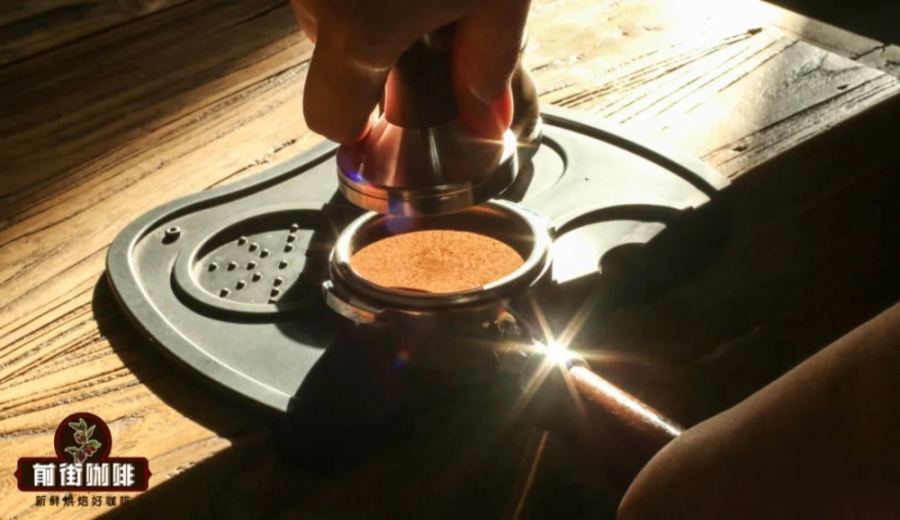
Introduction:When making a high-quality espresso, the uniformity of the coffee puck and the tamping pressure are crucial. Many coffee enthusiasts often wonder: how much force should be used to tamp? Does light or heavy tamping change the extraction results? This article delves into the relationship between tamping and 9-bar extraction pressure, analyzes the actual impact of different tamping forces on extraction time and flavor, and explains why tamping remains an indispensable step even under high-pressure extraction.
During the process of brewing espresso, the distribution of coffee grounds and tamping are two steps that often determine the final extraction quality and flavor performance. Many pour over or espresso enthusiasts have had such questions: how much force should be applied when tamping? Does light tamping versus heavy tamping really cause differences in extraction? Through actual extraction data, combined with an in-depth analysis of the 9-bar extraction pressure of espresso machines, we will help you understand the relationship between tamping force and extraction outcomes, and clarify why the tamping step is still essential even in such a high-pressure extraction environment.
How does tamping pressure affect extraction?
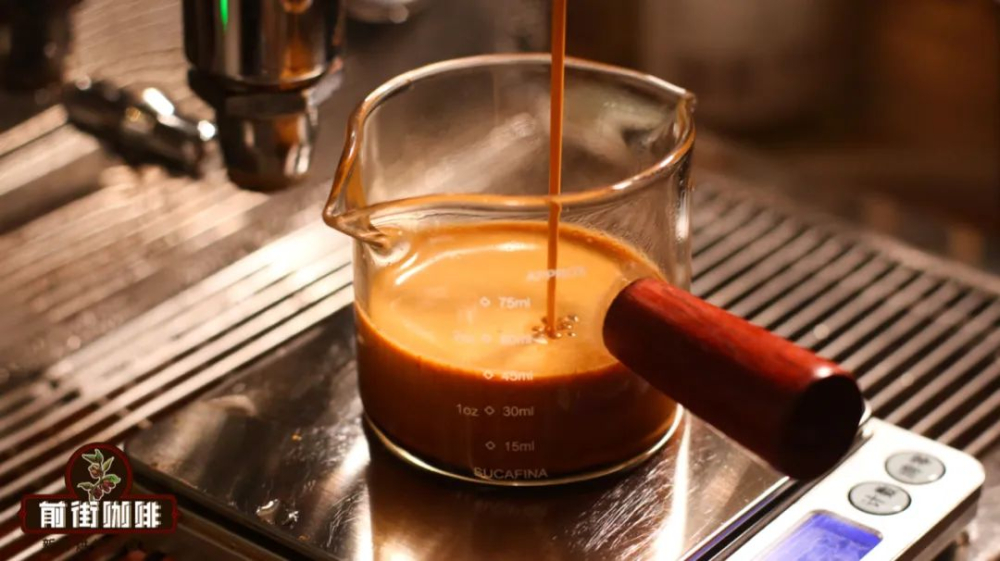
To verify the impact of tamping pressure on extraction, we selected a medium-dark roasted blend of 20 grams, aiming to extract 40 ml of espresso. In the experiment, tamping was performed with light pressure of 2 kilograms and heavy pressure of 18 kilograms, each extracted 6 times and averaged. The experimental results showed that the average extraction time for the 2 kg light tamping was 33 seconds, while the 18 kg heavy tamping averaged 34 seconds, with almost no significant difference in extraction time. Additionally, the flavor profiles of both were quite similar, with balanced acidity, sweetness, and bitterness, and flavors that were clear and distinguishable.
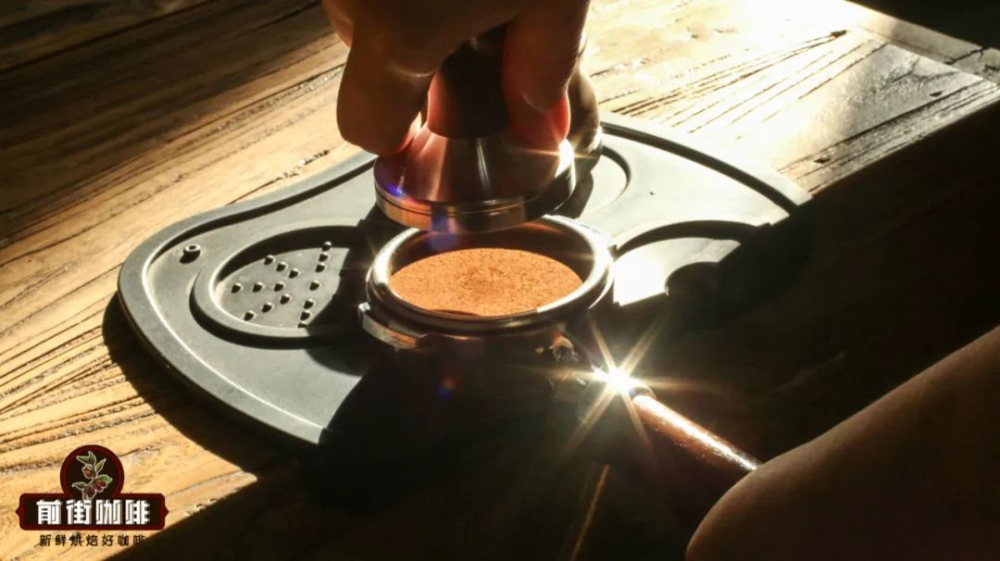
To gain a more comprehensive understanding of the role of tamping, we also conducted a special control experiment—extracting without any tamping, going directly to extraction after distributing the coffee grounds. Surprisingly, the untamped sample also had an extraction time around 33 seconds, similar to the lightly and heavily tamped results. This result challenges many people's preconceived notions about the necessity of tamping.

What is 9-bar extraction pressure?
To understand the true role of tamping, it’s first necessary to grasp the pressure used by espresso machines during extraction. Generally speaking, when making espresso, an espresso machine uses9-bar pressurefor extraction. What does 9-bar mean? Simply put, it is 9 standard atmospheres of pressure, which is roughly equivalent to 9 kilograms of force per square centimeter.
To put it into specific terms, using a common 58mm diameter portafilter basket for calculation, the 9-bar pressure acting on the coffee puck is approximately equal to243 kilogramsof pressure per puck—that’s equivalent to the weight of four adults pressing down on it. From this, it can be seen that even if you tamp with all your might, compared to the pressure during coffee machine extraction, the actual impact is not very significant.

So why is tamping still needed?
Since 9-bar pressure is so strong, and tamping seems to have limited impact on the final extraction, why do we still need this step? The key lies in "channeling."
When coffee grounds are not properly compacted, many gaps are left between the coffee particles. Hot water, as it flows through the coffee bed, naturally seeks the path of least resistance, meaning it will preferentially pass through these gaps. This leads to some coffee particles being barely extracted, while others are over-extracted. This uneven extraction can result in flaws in the final cup, such as sharp acidity, thin body, or even unpleasant off-flavors.
Although in the experiment, the untamped sample had an extraction time similar to normally tamped conditions, its actual extraction quality was noticeably poorer, which is also why we cannot provide a flavor description for it. Proper tamping helps to compact the coffee puck, reduce preferred water pathways, and allow water to penetrate the puck more evenly, thereby improving extraction consistency and flavor balance.
In summary, the purpose of tamping is not to drastically alter extraction pressure or time, but to uniformly compact the coffee grounds, reduce the occurrence of channeling, and ensure that every coffee particle participates in extraction evenly, resulting in a more balanced and layered coffee flavor. When facing the machine’s high pressure of 9 bar, a moderate tamping force (typically recommended between 15–20 kilograms) is sufficient to achieve the desired effect, while excessive force may lead to an overly compact puck, hindering water penetration.
The above content is compiled by CoffeeHunters, a coffee news website.


