








Introduction:The French press is favored by many coffee enthusiasts for its simplicity and rich flavor. However, to brew a cup with a velvety crema and well-defined layers, it’s essential to master grind size, coffee-to-water ratio, water temperature, and steeping time. This article delves into the extraction principles of the French press, guiding you from scratch on how to adjust each parameter, along with practical tips and precautions to help you achieve professional-grade flavors using this “tea infuser.”
The French press is one of the most common full-immersion coffee brewing devices. It allows coffee grounds to directly contact hot water through a metal filter, extracting rich oils and a bold flavor. However, if key variables such as grind size, coffee-to-water ratio, water temperature, and time are overlooked, it’s easy to end up with over-extracted or astringent coffee. By mastering the correct parameters, you can not only reduce the chance of mistakes but also fully highlight the unique characteristics of each coffee bean.
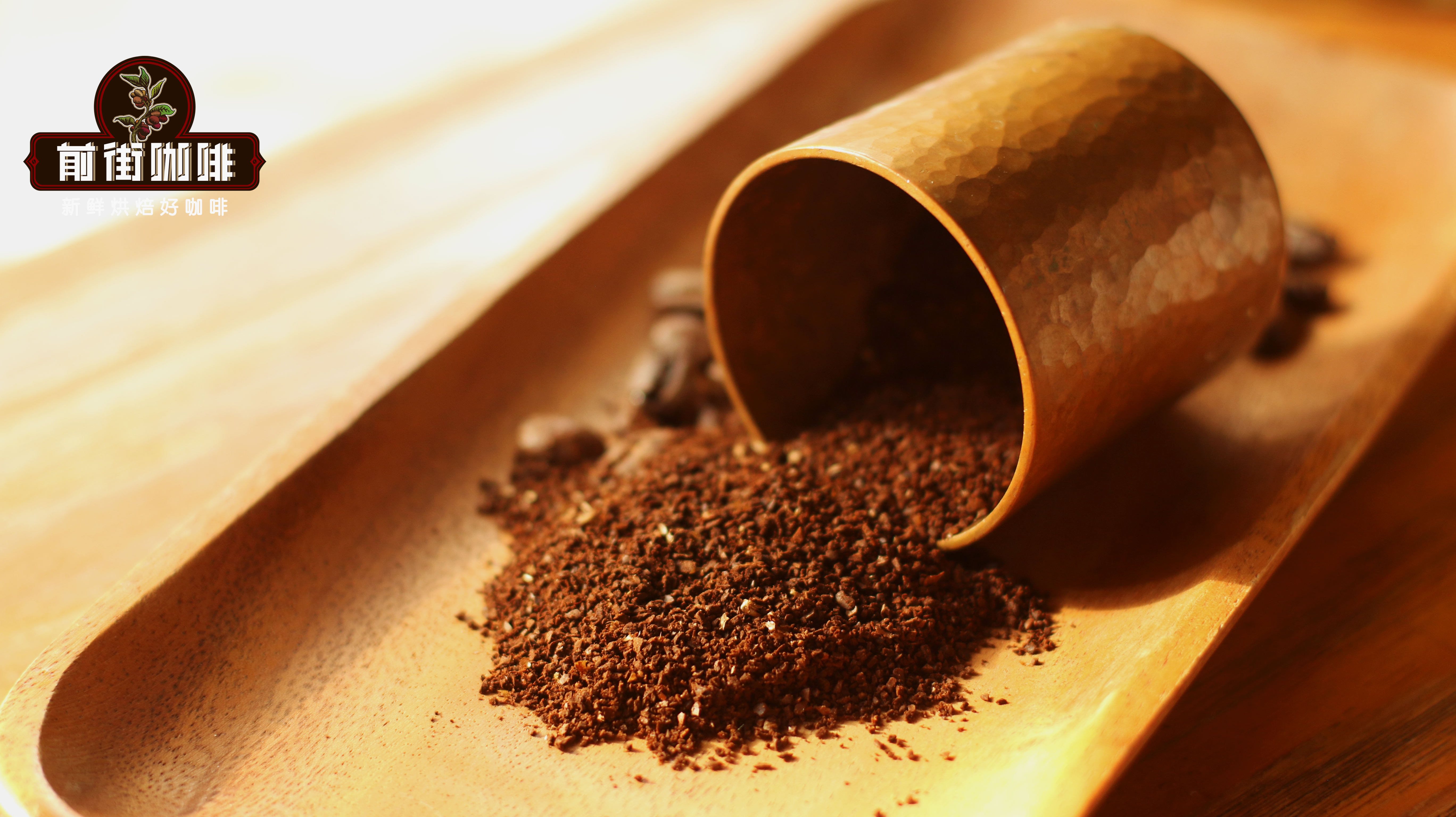
First,Grind Sizeis the primary factor affecting extraction efficiency. The French press calls for a relatively coarse grind, similar in texture to coarse sugar or small gravel, rather than fine sand. Grinding too finely can cause fine particles to pass through the metal filter, resulting in cloudy coffee with a rough mouthfeel. In practice, you can aim for a coarseness with about 70% of particles passing through a Chinese No. 20 standard sieve, or simply judge it as visibly coarse, like sugar crystals.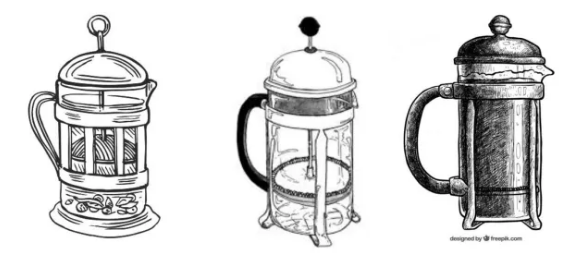
RegardingCoffee Dosage and Coffee-to-Water Ratio, a common and easily adjustable benchmark is 1:15 — that is, 15 grams of coffee grounds to 225 milliliters of hot water. This yields a coffee concentration of around 1.1% to 1.2%, which falls within a balanced and full-bodied range. If you prefer a stronger flavor, you can stick with this ratio; if you like a lighter taste, you can adjust the ratio to 1:16 or 1:17, experimenting to find the combination that best suits your palate.
Water Temperature Controlis also a key aspect of French press brewing. Generally, the water temperature should be slightly higher than that used for pour over, around 90°C to 94°C. For medium to light roasted beans, a temperature of 92°C to 94°C is recommended to enhance extraction efficiency; for medium to dark roasts, it’s advisable to lower the temperature to 89°C to 90°C to avoid extracting excessive bitter compounds. If you don’t have a thermometer, let boiled water sit for about 45 seconds before use, adjusting the wait time slightly based on room temperature.
In terms ofSteeping Time, the French press typically recommends 3 to 5 minutes, with 4 minutes being the most common and beginner-friendly standard. Too short a steeping time, such as just 3 minutes for light roasts, may result in underdeveloped flavors; too long, especially beyond 5 minutes for dark roasts, can lead to over-extracted, burnt bitterness. Therefore, beginners are advised to start with 4 minutes and then fine-tune based on actual flavor results.
In the actualBrewing Process, it’s recommended to first preheat the French press. Add the coarsely ground coffee, then slowly pour hot water, ensuring all the grounds are evenly saturated. You can use about twice the amount of water as coffee (e.g., 30 grams of water for 15 grams of coffee) for a 30-second pre-infusion or bloom, followed by pouring the remaining water. After letting it steep for about 4 minutes, slowly press down the plunger — avoid applying too much force to prevent disturbing the fine grounds. If you feel significant resistance while pressing, it may indicate the grind is too fine; if it’s too easy, the grind might be too coarse.
The French press is particularly well-suited for medium to dark or medium roasted coffee beans, highlighting bold nutty, chocolatey, or caramel notes. If you prefer fruity profiles, you can also try light to medium roasted beans, but be sure to adjust grind size and time to avoid over-extraction. Additionally,the brewed coffee should be poured out immediately after brewingto prevent continued immersion of the grounds, which can release bitterness. If you can’t finish the coffee in one go, transfer it to another container for storage to avoid flavor degradation.
Finally,cleaning is equally important. After each use, thoroughly clean the French press, especially the metal filter, as leftover coffee grounds can affect the flavor of your next brew. Regularly check if the filter is clogged and ensure the plunger moves smoothly to maintain optimal extraction performance. Though often jokingly called a “tea infuser,” the French press — when used with the right technique — can produce a professional-level, full-bodied coffee experience.
The above content is compiled by CoffeeHunters, a coffee news website.


