







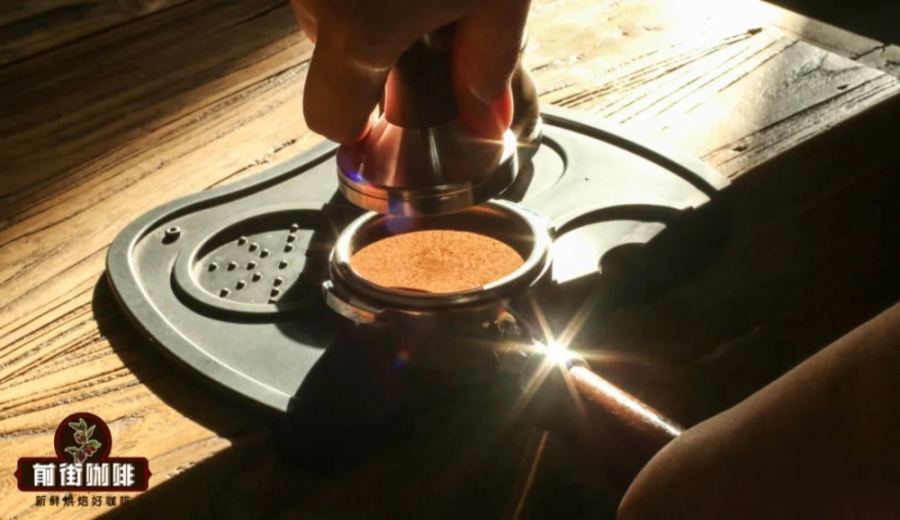
Introduction:Tamping is an often overlooked yet crucial step in making espresso, directly impacting the uniformity of extraction and the expression of flavors. Many baristas and enthusiasts remain uncertain about how much pressure to apply when tamping—what’s the right force to ensure stable extraction? This article will start with the basic principles of distributing and tamping coffee grounds, combine them with practical experience, and deeply analyze the reasonable range of tamping pressure along with its judging criteria, helping you master a more precise tamping technique and thereby improve the overall quality of your espresso.
When making a high-quality espresso, many people tend to focus on steps like grinding beans and dosing, but often overlook the seemingly simple yet extremely critical step of “tamping.” In fact, tamping is not just about compacting the coffee grounds—it is also a key foundation that ensures subsequent even extraction and balanced flavor. Many beginners often wonder “how much force should I use when tamping?” and this directly affects the final outcome of the espresso.
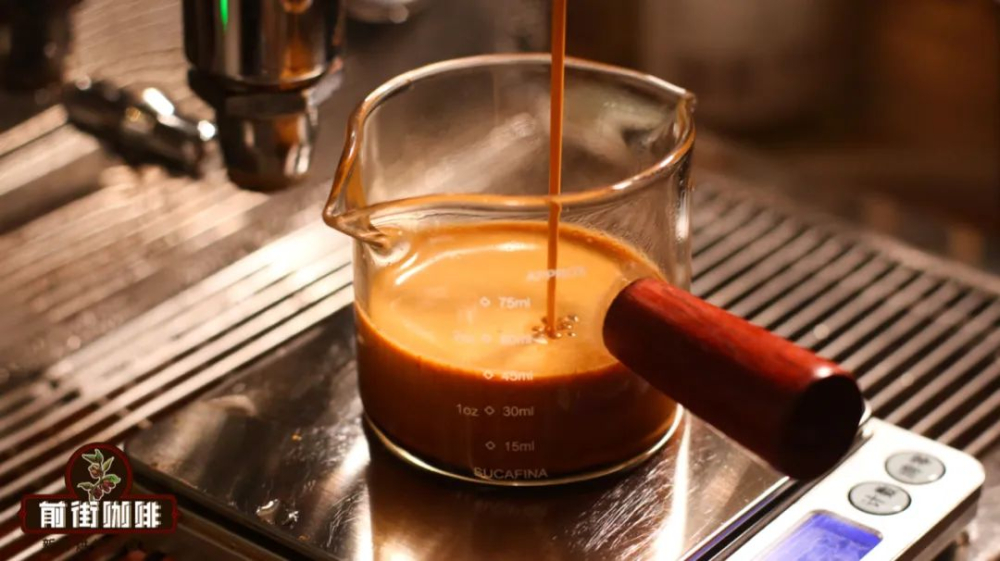
To understand the importance of tamping, it’s first necessary to grasp its fundamental principles. When coffee grounds are evenly poured into the portafilter basket, proper tamping helps form a compact and consistent puck structure. This allows hot water to pass through the coffee bed at a stable flow rate during extraction, bringing out rich and balanced flavors. If the tamping pressure is uneven or too light or too heavy, it may cause channeling, where some coffee grounds are over-extracted while others are under-extracted.
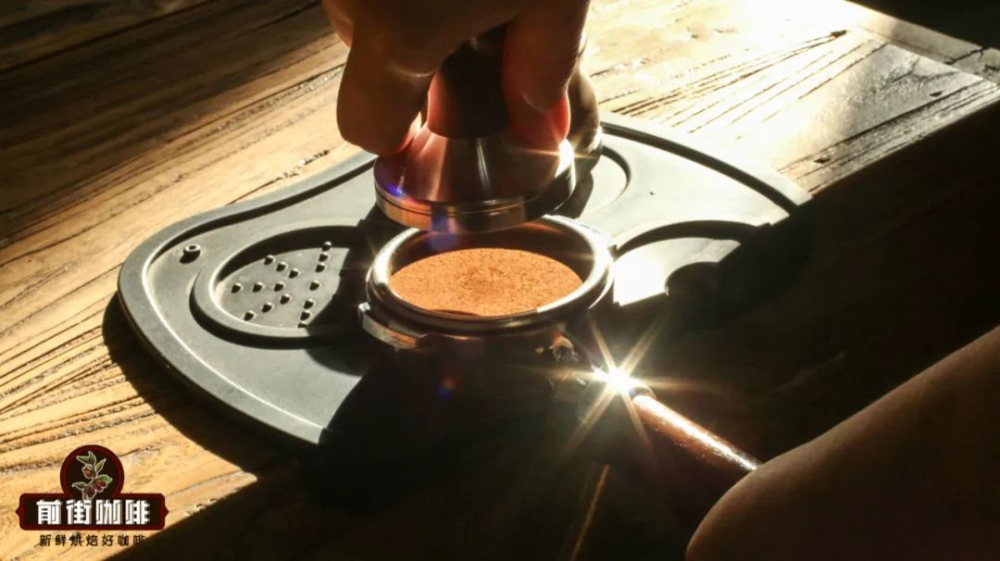
So, how much force should be used when tamping? According to the experience and practical operations of most professional baristas, the recommended tamping pressure typically falls between 15 to 20 kilograms. This range ensures that the coffee grounds are compacted enough for stable extraction, without being overly dense and impeding water flow. Of course, adjustments may be needed based on the design of the portafilter basket, the coarseness of the coffee grounds, and the grind size.
In addition to the amount of force, the technique used when tamping is equally important. It is recommended to tamp straight down vertically to ensure the pressure is evenly distributed across the entire coffee surface, avoiding localized over-tamping or insufficient pressure. Additionally, before tamping, gently tapping or swirling the portafilter can help level the coffee grounds, which contributes to achieving better uniformity during tamping.
Many people encounter issues with inconsistent pressure control when practicing tamping. To improve stability, consider using a tamping tool with pressure markings or develop a feel through daily practice. For example, you can start by using a simple kitchen scale to measure the force applied each time you tamp, gradually getting familiar with the sensation of 15 to 20 kilograms of pressure, and eventually forming muscle memory.

Additionally, tamping pressure is also affected by the grind size of the coffee. If the coffee is ground too fine, excessive pressure may create too much resistance to water flow; conversely, if the coffee is too coarse, insufficient pressure may lead to inadequate extraction. Therefore, when adjusting tamping pressure, it’s also essential to review the grind settings to ensure the two are well matched.
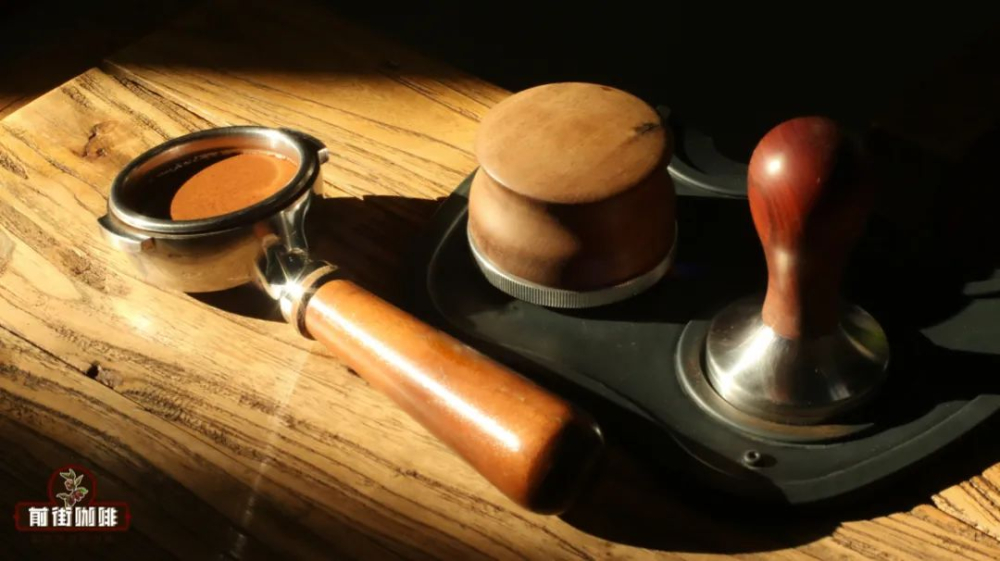
Besides force and technique, the distribution of coffee grounds before tamping is also not to be neglected. Even distribution lays a solid foundation for tamping and reduces the chances of channeling. It is recommended to use an appropriate amount of coffee grounds when distributing, and use gentle tapping or rotating motions to make the coffee layer more even, so as to achieve a better compaction effect during subsequent tamping.
In summary, although tamping is a small step in making espresso, its impact on the final flavor should not be underestimated. By mastering the appropriate tamping pressure, maintaining stable technique, and aligning it with the grind size, you’ll be able to produce espresso that is more balanced and rich in flavor. Whether you’re a barista or a coffee enthusiast, with more practice and observation, you can gradually improve your tamping skills and enjoy a more professional coffee experience.




The above content is compiled by CoffeeHunters, a coffee news website.


