







Introduction:This article delves into the Red and Yellow Bourbon coffees from Fazenda Rainha in Brazil’s Mogiana region, covering everything from its COE competition-winning background and hand-harvesting in volcanic valleys, to the varietal differences between Red and Yellow Bourbon and their flavor profiles. It also includes practical roasting and pour-over brewing recommendations, guiding you through cultivation, processing, and cup characteristics to fully grasp the essence of this classic Brazilian bean.
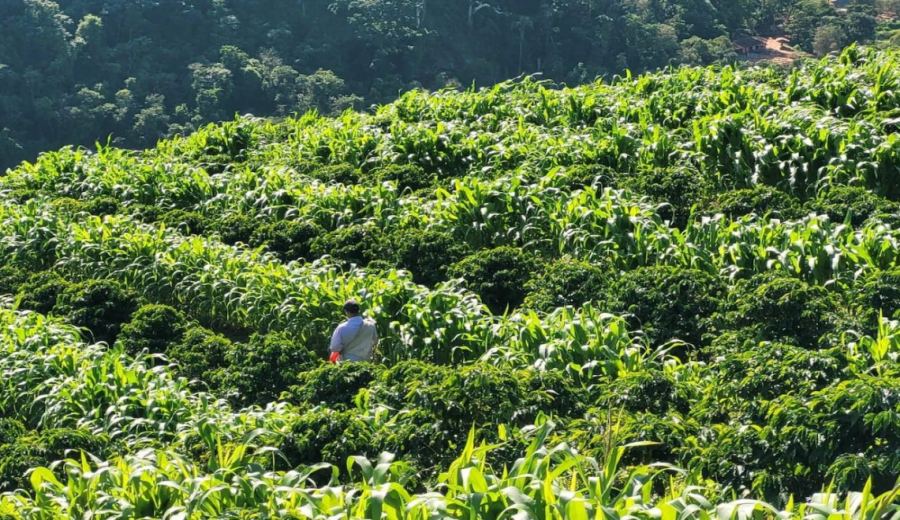
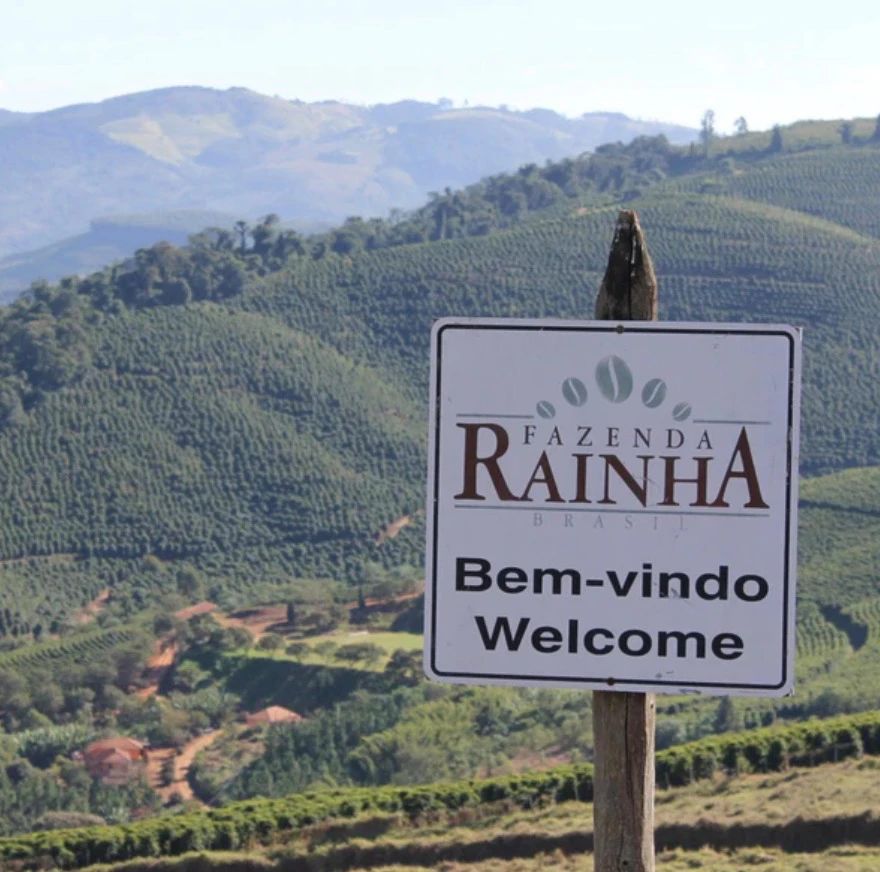
Brazil consistently ranks as the world’s top coffee producer, with its annual output fluctuations often directly impacting international coffee bean market prices. Located in Brazil’s Mogiana region, Fazenda Rainha is a renowned specialty coffee estate under the Carvalho Dias family. Since the first Brazilian COE competition in 1999, the family has achieved remarkable success, earning over 12 awards, including the championship in 2011. Spanning 280 acres, the estate is situated in the ancient volcanic valley of Vale da Grama. Due to the steep terrain that prohibits mechanical harvesting, all Yellow and Red Bourbon cherries are hand-picked, and processed using the Pulped Natural method.
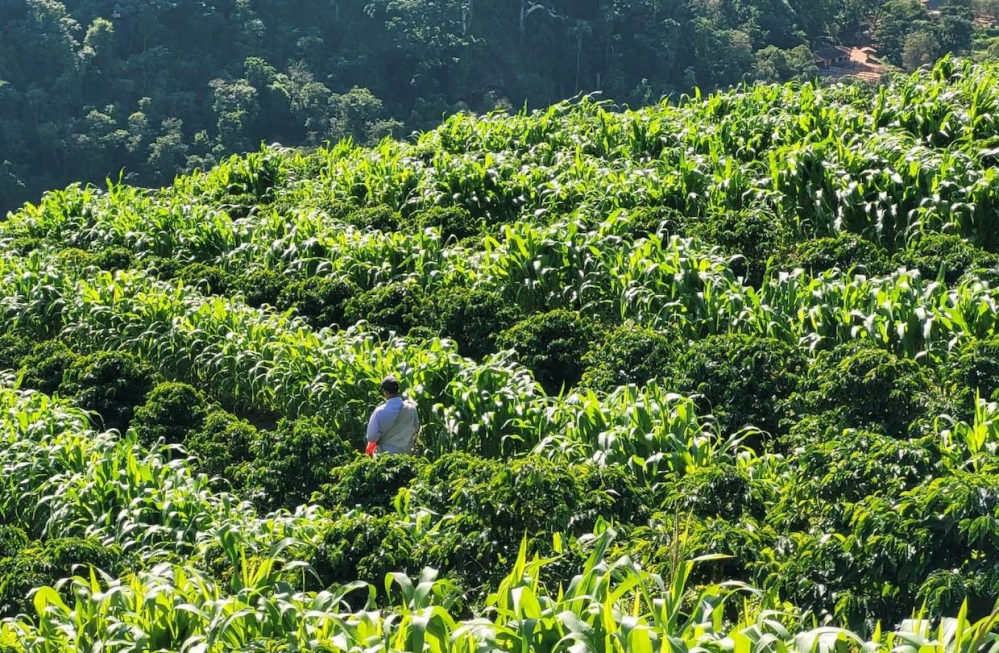
Central and South America hold a central position in the global coffee map, and as the highest-producing country in the region, Brazil supplies over one-third of the world’s total coffee. Brazilian coffee is known for its mild and solid profile, often exhibiting roasted hazelnut and creamy textures, with relatively low acidity and a long, smooth aftertaste. However, recent challenges such as the impact of the pandemic and climate change have emerged—issues like reliance on manual harvesting and shrinking suitable growing areas. Yet, these challenges have also driven growers to experiment with shade trees to mitigate rising temperatures, with studies showing that 50% shade cover can maintain up to 75% of production capacity.
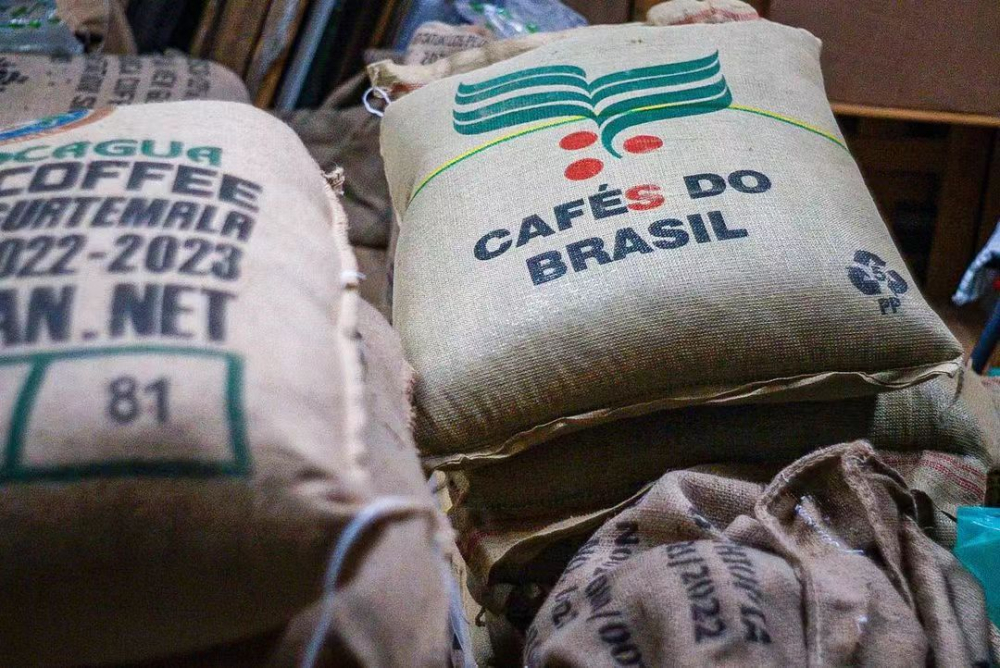
Brazilian coffee generally features low acidity and prominent nutty notes. While some enthusiasts may find its flavors lacking in surprise, this is also one of the reasons for its widespread popularity: balanced and easy to drink, suitable for most occasions. Fazenda Rainha is an outstanding representative of this tradition. Its coffee not only inherits the classic traits of Brazilian beans but also showcases a richly layered flavor potential thanks to its unique varieties and processing methods.
Fazenda Rainha belongs to the Carvalho Dias family, which is not only a founding member of the Brazilian Specialty Coffee Association but also long committed to quality control and ecological preservation. The estate utilizes a natural waterfall to develop pollution-free hydropower, achieving self-sufficiency in electricity. The property also houses a church, classrooms, a daycare, and a medical station, while maintaining native forest cover and ongoing reforestation efforts. Due to the high elevation and complex terrain, the estate cannot use mechanical harvesting—all coffee cherries are handpicked to ensure each coffee cherry is at its optimal ripeness. Additionally, the estate specifically grows low-yield but high-quality Bourbon varieties, combined with a rigorous processing procedure—including hand-basket harvesting, same-day delivery to the processing facility for Pulped Natural (semi-washed) processing, followed by water sorting, pulping, drying on raised beds and in dryers, and finally hand sorting to ensure every bean meets high standards.
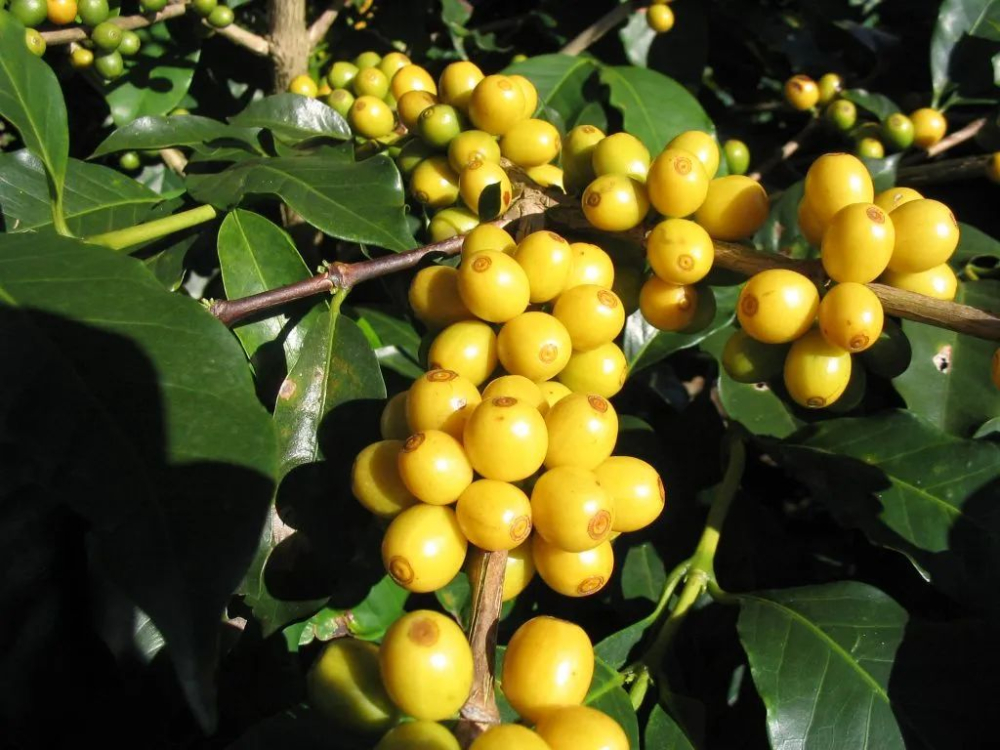
The Bourbon variety originated from a mutation of Typica and was first cultivated in Yemen before being introduced to Bourbon Island in Africa (now Réunion Island), hence its name. In 1727, the variety made its way to Brazil and gradually became an important coffee plant in Central and South America. Bourbon beans are rounder than Typica, and the cherries are usually red (Red Bourbon), but there are also yellow (Yellow Bourbon), orange, and other variants. Among them, Yellow Bourbon has a relatively lower yield and higher environmental requirements, so its cultivation is more limited, but it often demonstrates superior flavor performance at high altitudes.
Yellow Bourbon cherries turn yellow when ripe and were first discovered in Brazil. The mainstream view is that it may be a hybrid mutation derived from red-fruited Bourbon and a certain yellow-fruited Typica variant (such as "amerelo de Botocatu"). When planted in Brazil, due to recessive gene influence, the fruits exhibit a unique yellow color. The Pulped Natural method (similar to honey processing) used by Fazenda Rainha is a unique natural processing technique in Brazil. It involves removing the pulp and skin with a small amount of water, then placing the coffee on drying racks for several days of turning, and finally mechanically drying it to the appropriate moisture content. This method falls between washed and full natural processing, imparting a rounder mouthfeel and rich sweetness to the coffee while retaining bright acidity.
Practical roasting curves show that for Fazenda Rainha Yellow Bourbon (grown at 1400-1950 meters, processed via Pulped Natural), it is recommended to start with an inlet temperature of 200°C, using high heat and a small air vent in the initial phase for rapid dehydration. After dehydration, switch to medium heat and medium air vent to promote the Maillard reaction and control the development during first crack, finally dropping the batch around the end of first crack (approximately 197.5°C). This batch of green beans has a moisture content of 9.9% and a firm texture, with notes of orange peel and spices. After roasting, the flavor profile highlights pronounced sweetness and bright acidity well-balanced with sweetness, accompanied by tropical fruit aromas. The aftertaste carries black chocolate and nutty tones, with a clean and rounded mouthfeel, fully embodying the classic traits of Brazilian coffee.
For pour-over extraction, it is recommended to use a Hario V60 dripper, with a water temperature of 90°C, 15 grams of coffee, a 1:15 coffee-to-water ratio, and a medium-fine grind (BG#6S). The step-by-step extraction process is: 30 grams of water for a 30-second bloom, then pour in a small circular motion until reaching 125 grams, pause when the water level drops and is about to expose the coffee bed, then continue pouring to 225 grams. The total extraction time is about 2 minutes. Under these parameters, the coffee exhibits notable sweetness and a lemony aroma, especially prominent in the wet fragrance stage. The latter part features clear black chocolate notes, with an overall taste that is fresh, bright, smooth, and delicate.
Red Bourbon and Yellow Bourbon both belong to the Bourbon family. The color change of their cherries typically progresses from green → light yellow → light orange → red → dark red, hence Red Bourbon is often regarded as the classic form of Bourbon. Red Bourbon grown at high altitudes usually features brighter acidity and elegant aromas, with flavor profiles reminiscent of red wine. For Brazilian Cerrado Red Bourbon (grown at 1000 meters, processed via Pulped Natural), it is recommended to use a medium roast (inlet temperature 160°C, first crack at 186.8°C, post-first crack development for 3 minutes until 202.5°C for dropping). Use a Kono dripper (water temperature 88°C, 15g coffee, 1:15 ratio, medium-fine grind) for step-by-step extraction (30 grams of water for a 30-second bloom, pour to 125 grams for the first pour, then continue to 225 grams). The flavor profile includes nuts, chocolate, cream, peanuts, and caramel, with a full-bodied and balanced mouthfeel.
Overall, both Red and Yellow Bourbon share a flavor profile centered around black chocolate, cocoa, nuts, and caramel, with soft acidity and low bitterness. However, Yellow Bourbon typically has a brighter sweetness, while Red Bourbon offers clearer acidity with an elegant, wine-like character. Whether you’re pursuing a balanced and easy-drinking classic flavor or exploring the nuanced layers of high-altitude processing, the Red and Yellow Bourbons from Fazenda Rainha are exemplary Brazilian specialty coffees worthy of in-depth appreciation.
The above content is compiled by CoffeeHunters, a coffee news website.


