







Introduction:Catimor coffee beans are the main variety in Yunnan’s coffee-growing regions, known for their disease resistance and high yield, yet often misunderstood as having mediocre flavor. This article delves into the varietal origins of Catimor, the environmental characteristics of Yunnan’s coffee regions, and through practical brewing tests using three different brewing devices — the Kalita wave dripper, Hario V60, and siphon pot — compares their flavor differences and optimal extraction parameters. It aims to help coffee enthusiasts uncover the potential of this Asian bean and master its brewing techniques.
Catimor is a hybrid variety successfully developed in 1959 by Portugal’s coffee leaf rust research center, with Timor and Caturra as its parent varieties. Its most distinctive feature is its combination of disease resistance and high productivity, making it a popular choice in many coffee-growing regions, especially in Yunnan, where Catimor has become the dominant planted variety. Although locally grown Typica from Yunnan is often regarded as the representative of “specialty coffee” and Catimor is categorized as “small coffee,” this bean actually delivers noteworthy performance in multiple global producing regions.
Looking back at the development of coffee in Yunnan, the early-introduced Typica variety, while offering good flavor, was gradually phased out by farmers due to its weak disease resistance. Later, the leaf rust-resistant S288 was introduced, eventually evolving into today’s mainstream Catimor variety. Interestingly, in Sumatra, Indonesia, Catimor is locally referred to as Ateng, and together with Tim Tim (i.e., Timor), which has Robusta lineage, it accounts for over 70% of the region’s coffee exports. The so-called “Mandheling” is often a blend of these hybrid varieties with Typica.
Moreover, Colombia has actively promoted its locally cultivated Catimor, significantly reducing the proportion of Robusta genes through multiple generations of backcrossing, even marketing it globally under the name “Colombia.” Additionally, Kenya’s Ruiru 11 is also a hybrid of Robusta and Arabica, gradually carving out a place in the commercial market. It’s clear that Catimor and its derivatives have become key players in increasing yield and disease resistance in many regions.
However, Catimor also has clear limitations. Due to inheriting some Robusta genes, while it boasts strong disease resistance, suitability for dense planting, high yield, and fast fruit maturation, it is often criticized for its relatively limited flavor complexity. Especially when grown at lower altitudes (below 1200 meters), its cupping performance often falls short compared to traditional premium varieties such as Bourbon, Caturra, or Catuai. Furthermore, Catimor demands high fertilizer input, requires significant shading, and has a relatively short commercial lifespan of about ten years, which are practical considerations for farmers.
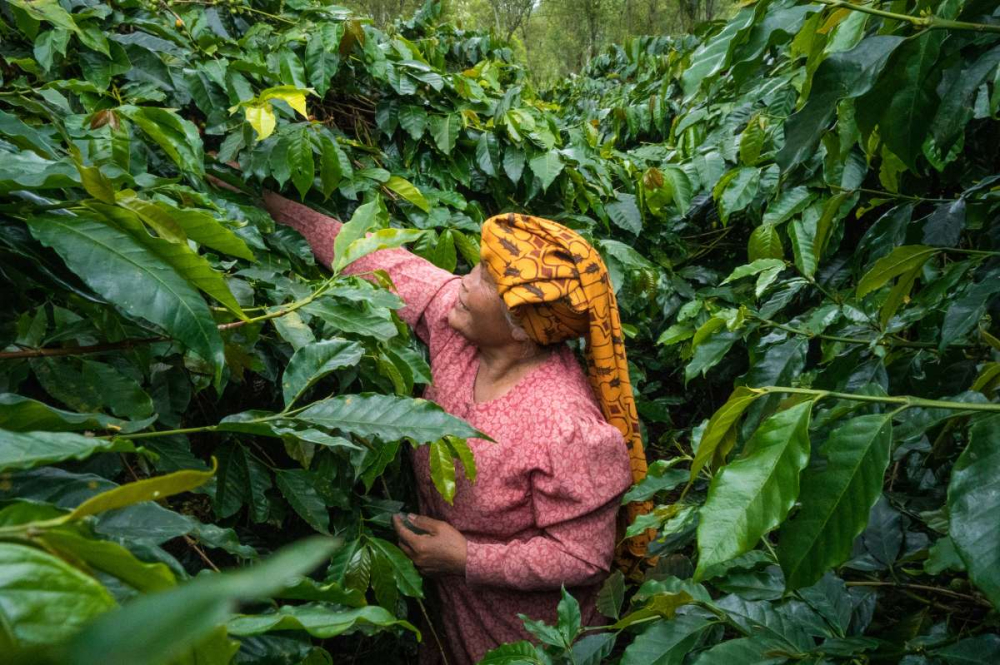
When it comes to Asian coffee, many people’s first impression is a rich and full-bodied taste, which is why beans from Asian regions are often used as base beans in espresso blends. Generally, Asian beans are processed using wet or semi-wet methods, resulting in more uniform bean shapes, with semi-wet processed beans often appearing darker in color. Overall, Asian coffee tends to have intense, sweet flavors but relatively lower aroma and acidity brightness, which is also one reason why Catimor is often perceived as bland when not properly processed or brewed.
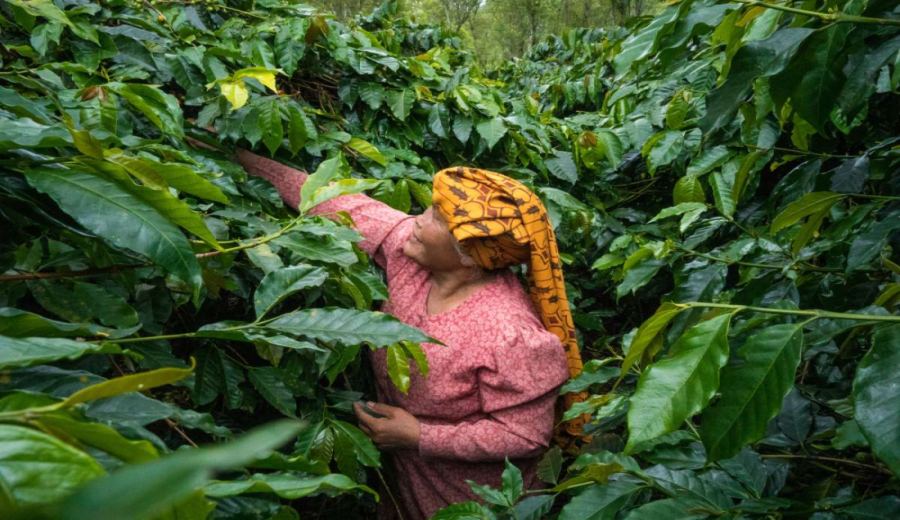
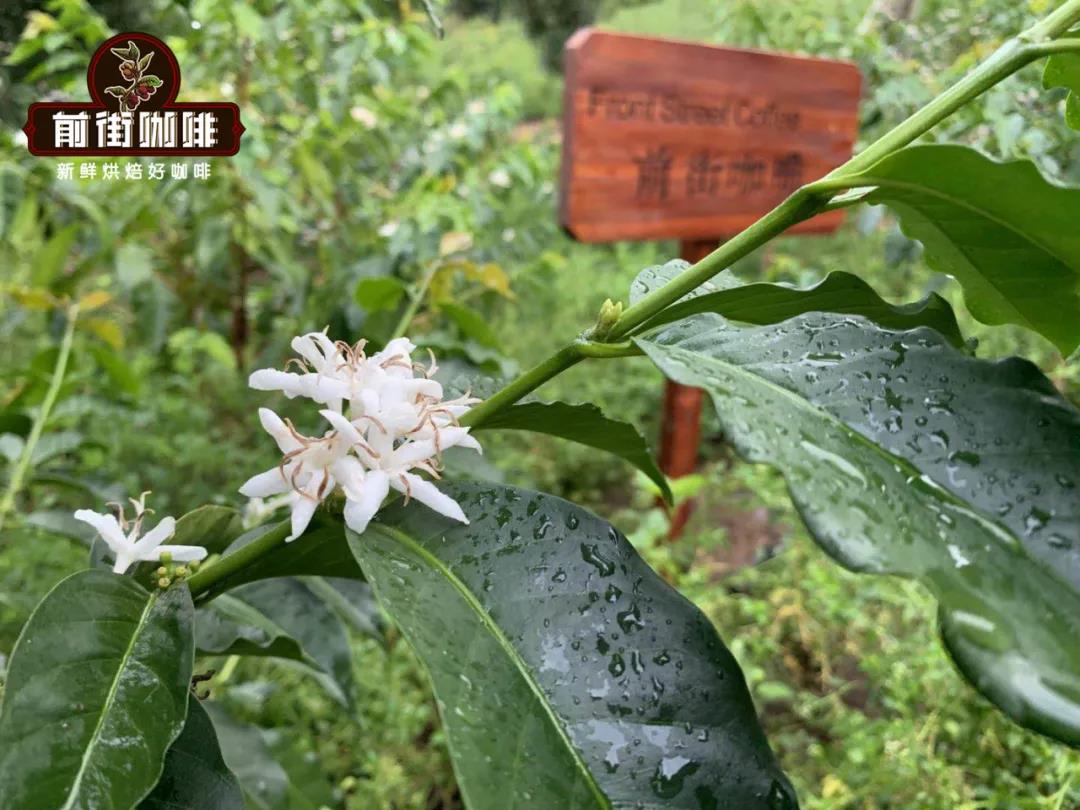
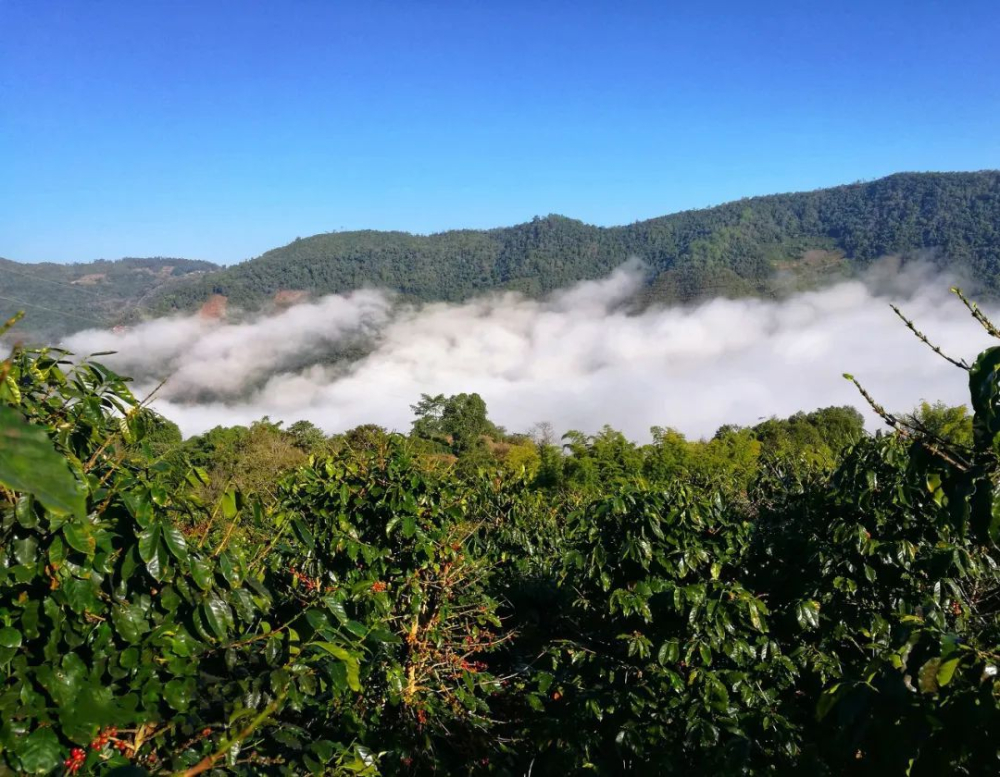
As China’s most important coffee-producing region, Yunnan boasts uniquely favorable geographical and climatic conditions. Located south of the Tropic of Cancer, it features a subtropical mountain climate along with its distinctive highland red soil, which is loose and fertile — perfect for growing small-bean coffee varieties. As early as 1902, French missionaries introduced coffee to Yunnan, and to this day, coffee trees over ninety years old can still be found in Zhukula Township, Binchuan County. In 1914, the Jingpo ethnic people from Myanmar’s border regions also introduced coffee to Longxian Village, including classic Typica and Bourbon varieties. Notably, Bourbon has green-tipped young leaves, commonly referred to as “green-tip coffee,” while Typica has reddish-copper tips, known as “red-tip coffee.”
The International Coffee Organization has rated Yunnan coffee as being on par with “wet-processed small-bean coffee from Colombia,” placing it among the world’s top-quality grades. Currently, Yunnan’s coffee is mainly distributed across 11 prefectures and cities, including Baoshan, Simao, Yuxi, and Dehong, with Baoshan’s Luxi Dam and the Simao region being particularly representative. Luxi Dam, with its dry-hot valley climate and large diurnal temperature variations, produces coffee that is rich, aromatic, and distinctly fruity; Simao, with its abundant mountainous and dry-hot valley terrains, moderate altitude (1000–2000 meters), ample sunlight, and rainfall, offers highly promising coffee flavor profiles.
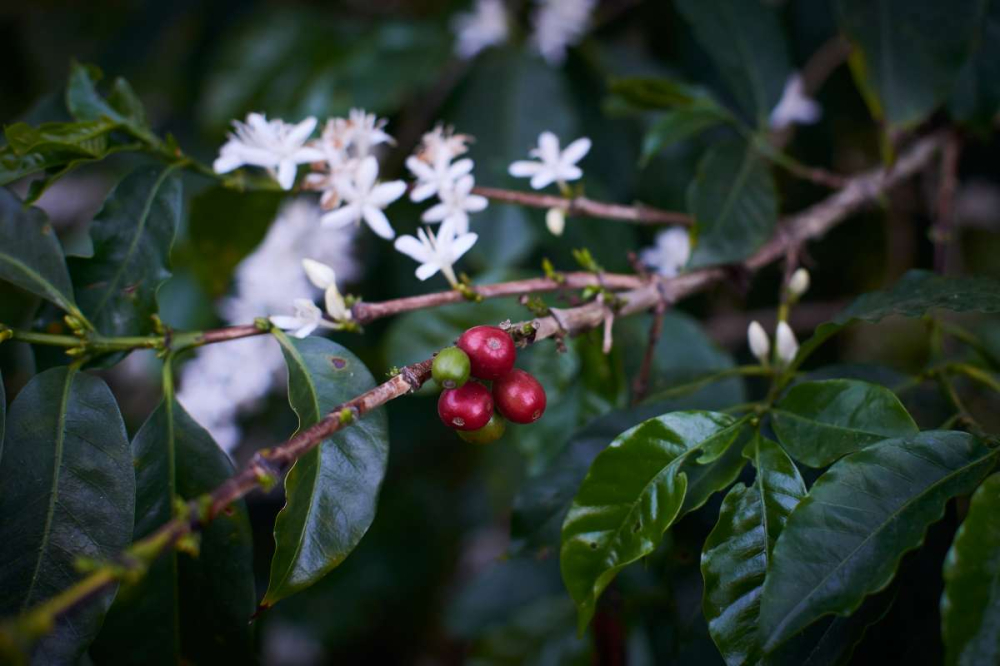
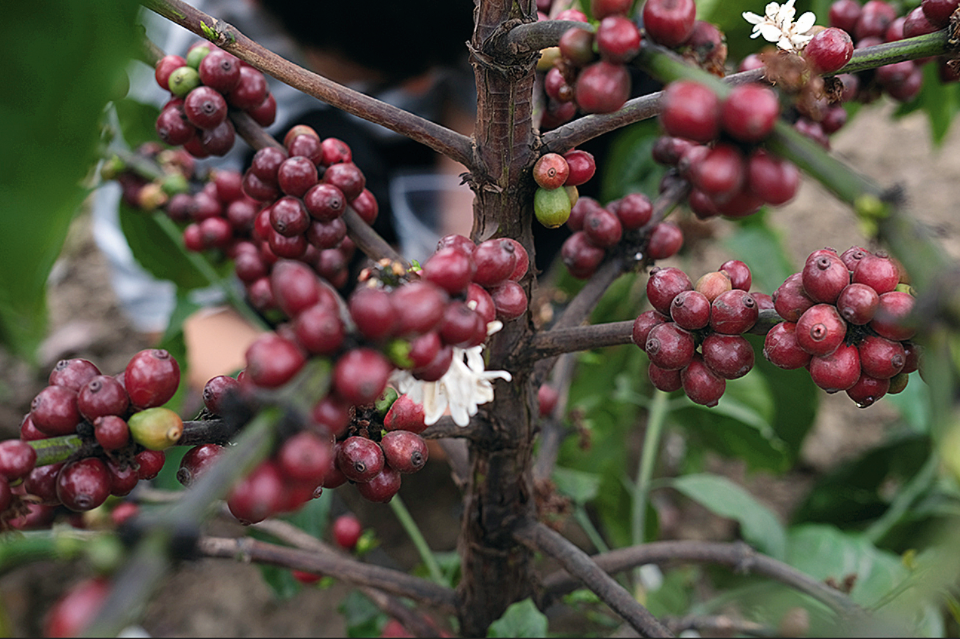
The star of this article — the Catimor variety — is mostly washed-processed in Yunnan, grown at an altitude of around 1200 meters. Brewing and cupping data from a certain coffee brand show that, under appropriate roasting and brewing conditions, this bean can exhibit Asian herbal aromas, vibrant acidity, and rich layers, with a finish that delivers notes of dark chocolate, honey, and cane sugar sweetness, and even more pronounced brown sugar flavors upon cooling.
Next, we’ll use three different brewing devices to explore the performance differences of Catimor:
Kalita Wave Dripper
Featuring a three-hole design and dense rib structure, it has a slower flow rate, making it suitable for immersion-style extraction. Recommended parameters: grind size EK43 setting 10 (80% passing through a #20 sieve), water temperature 91°C, coffee-to-water ratio 1:15. Begin with a 30-second bloom using 29 grams of water, then pour in stages up to 130 grams and 229 grams, with total extraction time around 1 minute and 40 seconds.
Flavor Profile:Distinct aromas of spices, cantaloupe, cream, passionfruit, caramel, and nuts, with a hazelnut sweetness in the aftertaste.
Hario V60
The filter’s ribs are curved and asymmetrically arranged, allowing smooth airflow and faster flow, ideal for highlighting flavor layers. Parameters: medium-fine grind (80% passing through a #20 sieve), water temperature 91°C, coffee-to-water ratio 1:15. After a 30-second bloom, pour to 125 grams and then 227 grams, with total time around 1 minute and 42 seconds.
Flavor Profile:Flavors of starfruit, plum, melon, cream, and black tea, with bright acidity and a tea-like finish with slight sourness.
Siphon Pot
Utilizes steam pressure differential for extraction, primarily through immersion, resulting in a rich and balanced mouthfeel. Recommended: 20 grams of coffee grounds / 1:10 coffee-to-water ratio, coarse grind (60% passing through a #20 sieve), 210 grams of water in the lower chamber, water temperature 90°C. Stir once at 30 seconds and once at 1 minute after mixing coffee and water, then remove heat after 1 minute and let residual heat draw the coffee back up.
Flavor Profile:Flavors of cantaloupe, cucumber, cream, citrus, chocolate, almond, and sweet orange, with a fruity sweetness and passionfruit acidity in the finish, and clear layering.
Conclusion
Across the three brewing methods, it’s evident that the V60 and the more perforated wave dripper can highlight Catimor’s fruity acidity and aromatic layers, while the siphon pot and Kalita excel at showcasing its richness and sweetness. Whether you’re pursuing complex flavors or a fuller body, as long as you master grind size, water temperature, and brewing rhythm, Catimor can deliver performance that exceeds expectations.
The above content is compiled by CoffeeHunters, a coffee news website.


