








Introduction:Espresso is the base for many classic coffee beverages such as lattes and cappuccinos, and it is also an important metric for evaluating a barista’s skills. This article will delve into the key extraction parameters, operational procedures, and the science behind crema formation in espresso, offering you a professional understanding of the origins of its intense flavors. Whether you’re a coffee enthusiast or looking to try making espresso at home, this comprehensive guide provides practical advice and key considerations.
Espresso is the core base for many classic coffee drinks such as lattes and cappuccinos, and it is also an important benchmark for testing a barista’s skills. An ideal shot of espresso should not only be rich and full-bodied but also have a delicate, balanced mouthfeel and an enticing layer of golden foam. Achieving this level of quality requires precise control over extraction parameters, including coffee dose, yield weight, time, and grind size. This article will guide you through the logic behind espresso preparation, key extraction points, and how to assess quality by observing the crema—thereby enhancing your appreciation and brewing capabilities for this highly concentrated coffee.
Standard Double Shot Espresso Extraction ParametersA double shot typically uses a double basket with a capacity of about 18–20 grams, though in practice,20 grams of coffee groundsis commonly used as the standard. The extraction ratio is generally set at1:21:2, meaning 20 grams of coffee grounds yield 40 grams of espresso. The recommended extraction time is between20–35 seconds. Too short a time (e.g., under 20 seconds) can lead to under-extraction and a weak flavor, while exceeding 35 seconds may result in over-extraction, producing a distinctly burnt and bitter taste. Many professional shops aim for an extraction time within the range of28–30 secondsto achieve the best balance.
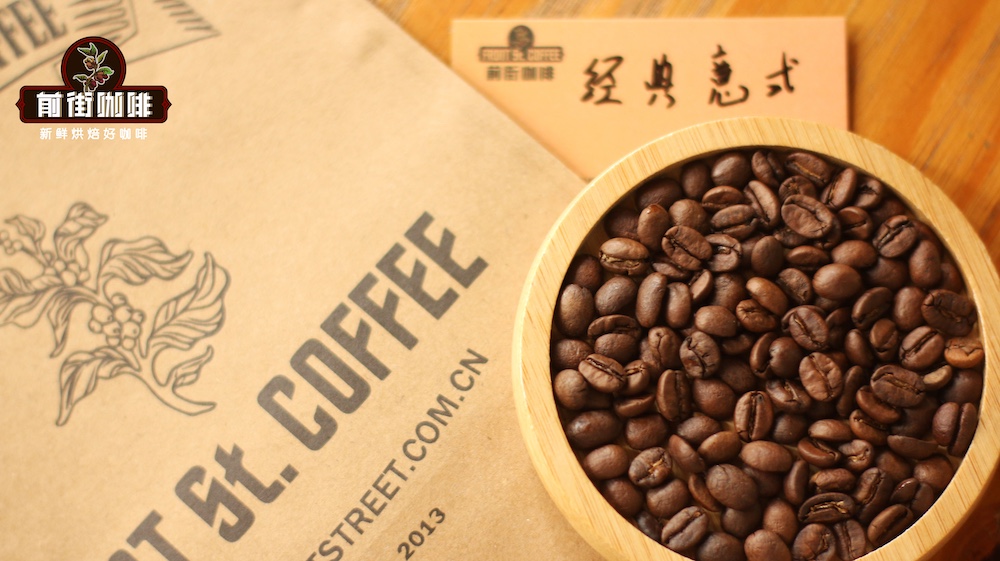
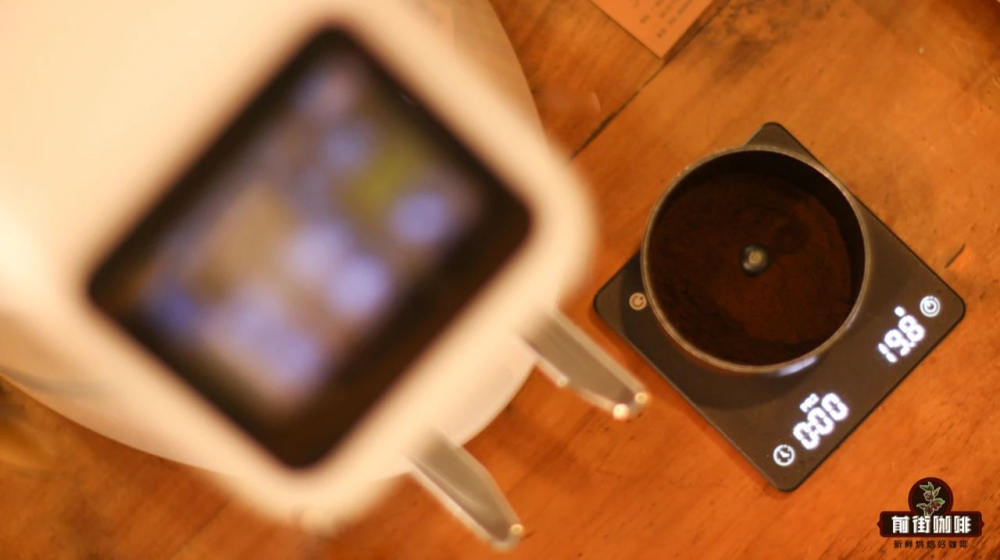
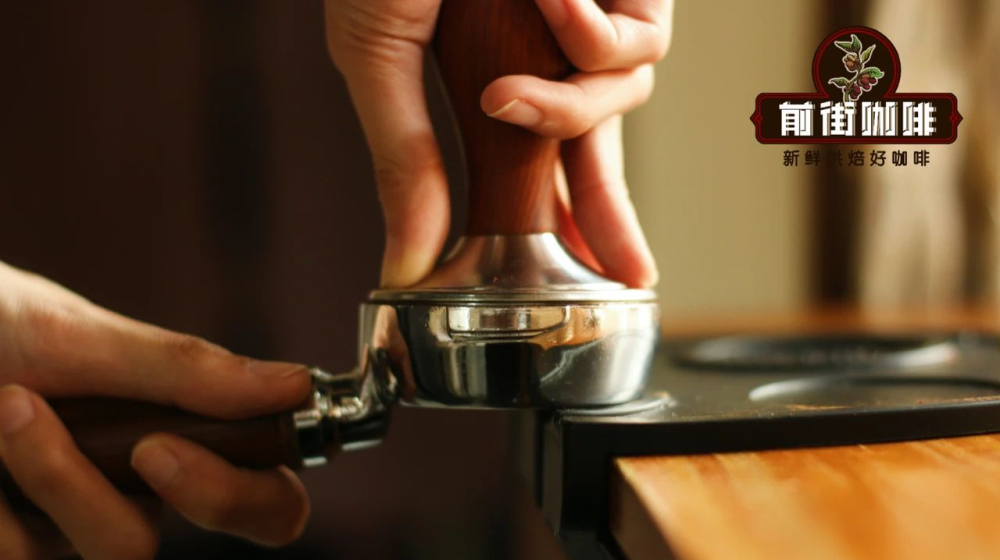
Before starting the extraction, make sure the portafilter basket is clean and free of old coffee grounds. Then, grind fresh coffee beans using a grinder and precisely weigh out the target dose with a digital scale. To ensure even distribution of the coffee grounds, use a distribution tool to level the puck, then tamp it down vertically with a tamper to create a compact and level coffee bed—an essential step for stable extraction. Tamping too lightly or too hard can affect the flow rate and evenness of extraction.
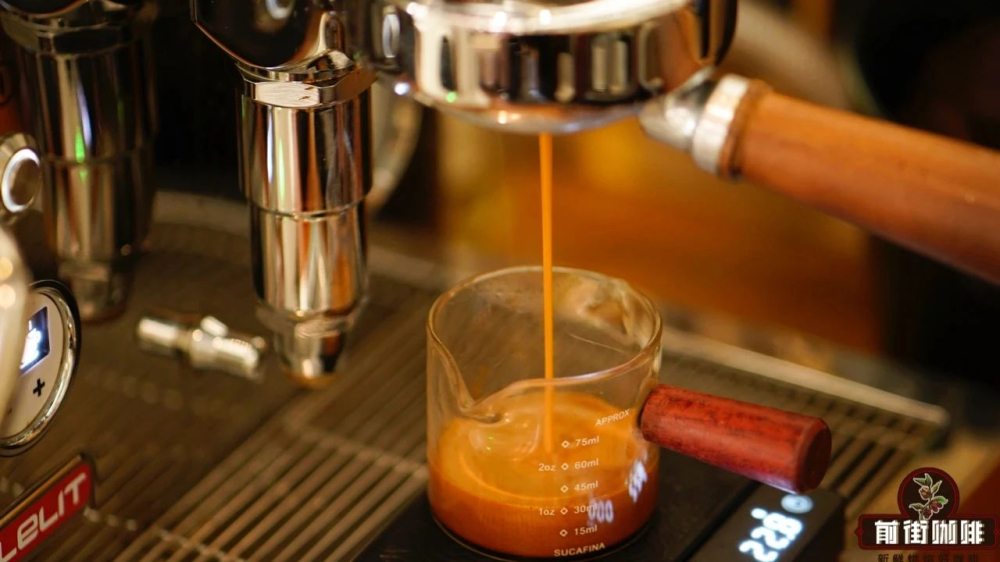
Before beginning extraction, it’s recommended to run water through the group head for1–2 secondsto wet the brew head and remove any potential residue. Next, place the cup on the digital scale, tare it, and position it directly under the group head. After securely inserting the portafilter into the group head, start the extraction and closely monitor the flow of coffee and the extraction time.
When the digital scale shows that40 grams of espressohave been extracted and the time reaches approximately30 seconds, turn off the extraction switch to complete the shot. Keep in mind that daily factors such as humidity, bean freshness, and roast level can affect the stability of these parameters, so you may need to adjust the dose, grind size, or target yield flexibly to maintain consistency.
Freshly brewed espresso is best enjoyed straight, but if you’d like to better perceive its crema and flavor layers, try sipping some water beforehand to cleanse your palate. If the flavor feels too intense or bitter, you can adjust the strength and mouthfeel by adding hot water or milk according to personal preference. However, adding other ingredients will make it harder to appreciate the original subtlety and complexity of the espresso.
Espresso (Espresso)is a form of coffee brewed quickly under high pressure and high temperature. Its most distinctive feature is the layer of golden foam that forms on the surface, commonly known asCremacrema. This crema is not just a visual highlight—it is also an important indicator of coffee freshness and extraction quality. When carbon dioxide from roasted coffee is released under high-pressure water and cannot fully dissolve back into the liquid once atmospheric pressure is restored, tiny bubbles accumulate on the surface, forming a stable golden-hued foam layer.
Generally speaking,the denser and brighter the crema, the fresher the coffee beans and the more moderate the roast level. Over time, the carbon dioxide in the beans dissipates, resulting in thinner or even absent crema during extraction. Additionally, the color of the crema is related to roast level: darker roasts produce more pigments due to the Maillard reaction, often yielding a deeper golden-brown crema with a richer, more intense flavor.
A high-quality espresso not only has abundant crema but is also highly concentrated. This is because, in a very short extraction time, extremely finely ground coffee beans release a large amount of soluble flavor compounds under around9 atmospheres of pressureand near-boiling water, resulting in a bold taste and intense aroma. For this reason, many coffee shops serve espresso with a side of water to help customers cleanse their palates and better appreciate its complex layers.
In summary, making espresso involves multiple critical factors—from coffee bean selection and grind size, to dose control, extraction time, and tamping technique—each influencing the final flavor. Especially the formation of crema serves as a vital sign of successful extraction and bean freshness. If you’re attempting to make espresso at home with a home machine, remember to use freshly roasted coffee beans (ideally within five days of roasting) and fine-tune grind and extraction settings based on your machine’s characteristics to gradually approach professional-level results.
The above content is compiled by CoffeeHunters, a coffee news website.


