







Introduction:To brew a well-balanced shot of espresso at home, the correct grind size is key. This article explains how to choose and adjust the grind settings on a fully automatic coffee machine, teaching you how to quickly find the ideal coffee-to-water ratio and extraction time based on flow rate and flavor performance. It also includes practical parameter suggestions to help you effectively avoid common issues like over-extraction and under-extraction.
Achieving a balanced taste and vibrant flavors in an espresso shot depends heavily—and perhaps most dauntingly—on controlling the grind size. Unlike methods such as pour over or cold brew, espresso is extracted under high pressure in just seconds, which means the coarseness or fineness of the coffee grounds has an even greater impact on the final flavor. Even a slight deviation, such as grinding too fine, can easily lead to over-extraction and pronounced bitterness. If the grind is too coarse, the water flows through too quickly, resulting in a thin, dull cup with weak flavor. This article will start by helping you assess grind coarseness, then guide you step-by-step in using flow rate and flavor feedback to pinpoint the most suitable grind setting. Based on the characteristics of different coffee beans, you’ll learn to flexibly adjust coffee-to-water ratios and extraction times, allowing you to replicate near-café-quality espresso at home.
Before diving deeper, let’s first understand how grind size practically affects extraction. When using a fully automatic coffee machine, even tiny adjustments to the grind setting—like a change of just 0.1 on the scale—can lead to vastly different results. Grinding too fine slows down water penetration through the coffee bed, not only extending extraction time but also potentially releasing excessive bitter and astringent compounds. Conversely, grinding too coarse allows water to pass through almost unimpeded, leading to under-extraction, resulting in a flat-tasting or overly acidic cup. The most straightforward way to judge whether your grind is just right is to observe the espresso’s flow rate and taste its flavor, then make subtle adjustments accordingly.
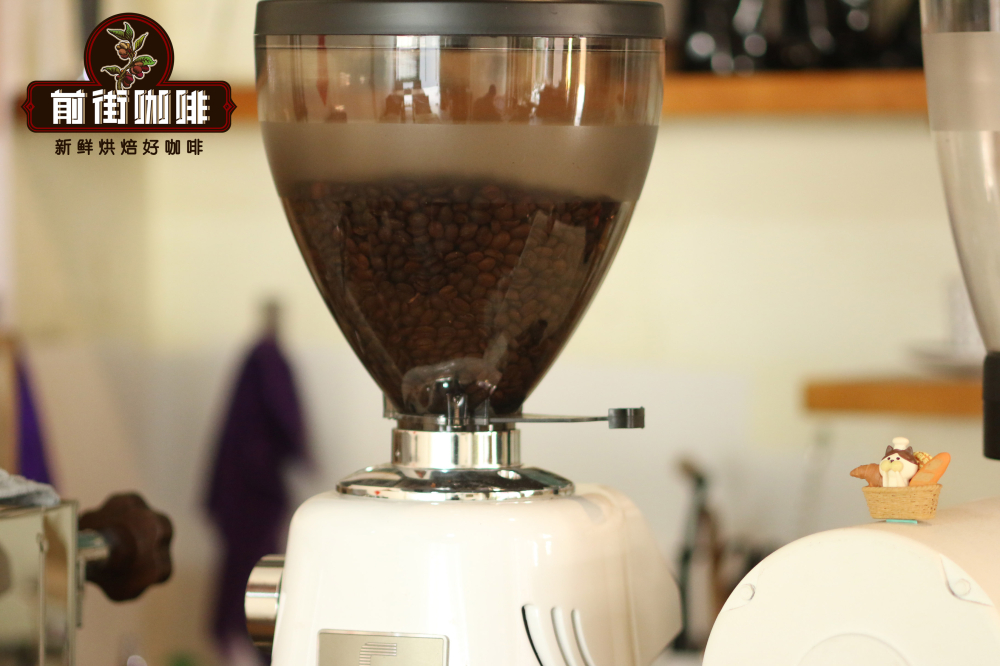
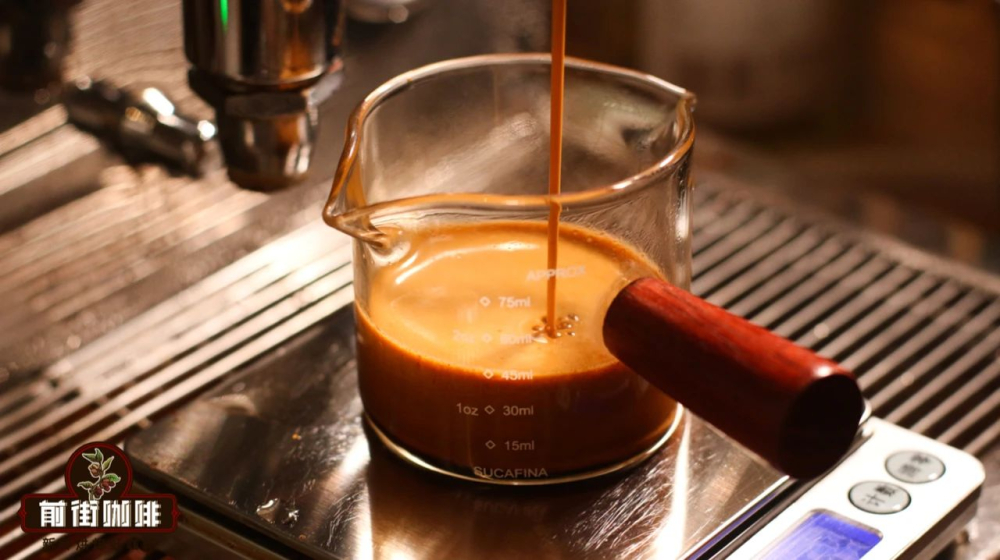
For beginners who have just started using a fully automatic coffee machine and haven’t yet found their ideal grind range, it’s recommended to start by testing small amounts of coffee beans across different grind settings. A simple rule of thumb is: when the ground coffee feels as fine as flour with almost no noticeable granules, you’re likely within the appropriate range. Then, you can apply the common espresso brewing formula, using a 1:2 coffee-to-water ratio as a baseline—that is, extracting about 2 grams of coffee liquid for every 1 gram of coffee grounds, while keeping the extraction time between 20 to 30 seconds. For example, if your portafilter basket holds 20 grams, you’d aim to use 20 grams of coffee grounds and extract approximately 40 grams of coffee liquid. If the actual extraction time is less than 20 seconds, it means the flow rate is too fast, and you should consider grinding finer. If it exceeds 30 seconds, the flow is too slow, so you should adjust the grind to be coarser.
When adjusting the grind setting, it’s advisable to decide the adjustment amount flexibly based on how far you are from the target time. If the difference is within 5 seconds, adjust by just 0.2 of a notch each time. For larger gaps, you can adjust by 0.5 to 1 notch at a time. Even if you initially grind too coarse and end up with a long extraction time, then overcorrect and go too short, this iterative process will help you quickly narrow down the general grind range before fine-tuning to optimal results. On the other hand, if you notice the flow is too fast, it usually indicates the grind is too coarse, allowing water to pass through the coffee bed too smoothly and causing under-extraction—in which case, you’ll need to adjust the grind coarser.
However, relying solely on flow rate and time formulas doesn’t guarantee that you’ll extract the best-flavored espresso. More importantly, you need to further evaluate the extraction results based on the characteristics of the coffee beans you’re using. For instance, if your espresso has a noticeable burnt or bitter taste but still decent concentration, it likely means the extraction time is too long, releasing too many bitter compounds. In this case, it’s recommended to slightly coarsen the grind to shorten the extraction time. If you observe that the crema on the coffee’s surface is pale and thin, it may indicate over-extraction in the later phase, and you might consider reducing the total yield—for example, adjusting the coffee-to-water ratio to 1:1.5 to 1:1.7—to better control the extraction volume and quality.
On the other hand, if the coffee has a rich flavor profile but a slightly short aftertaste, you can try increasing the yield by adjusting the ratio to 1:2.5, allowing more delicate flavors to shine through. It’s worth noting that while a 1:2 ratio is often considered standard, it doesn’t suit all coffee beans. Some beans may perform better at 1:1.7, while others may express their full flavor at 1:2.5. Similarly, extraction time doesn’t necessarily have to be limited to 25–30 seconds—some beans may actually deliver their best flavors at 24 or 36 seconds.
Therefore, when brewing at home, it’s advisable not to be confined to a single reference formula. Instead, observe and record each set of parameters along with the corresponding flavor outcomes, gradually developing your own adjustment logic. Through continuous experimentation and observation, you’ll gain a more accurate understanding of the characteristics of your specific coffee beans, enabling you to fine-tune the optimal grind size and extraction conditions. This approach helps avoid wasting beans due to blind adjustments and allows you to consistently brew espresso with outstanding flavor.
The above content is compiled by CoffeeHunters, a coffee news website.


