







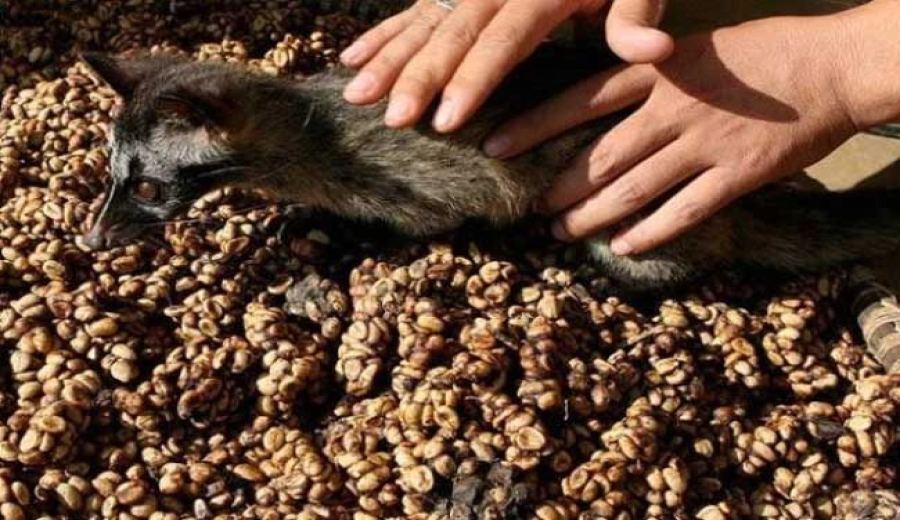
Introduction:Civet coffee claims to be one of the most expensive coffees in the world, yet many products on the market are often misrepresented. So what exactly is true kopi luwak? And how can you distinguish between genuine and fake versions of Vietnam’s well-known instant coffee brand, G7? This article provides a comprehensive breakdown of the differences between the two—from origin traceability, natural fermentation principles, rarity background, to brewing recommendations and flavor characteristics—helping coffee enthusiasts make informed choices and master key authentication techniques.
Civet coffee, officially known as kopi luwak, originated in Indonesia and is globally recognized as one of the most expensive types of coffee. Its uniqueness does not lie in roasting or origin, but in its peculiar “natural fermentation” process—where civets consume coffee cherries, which then undergo a unique fermentation in their digestive system. The undigested beans are later excreted and collected for processing. This process not only reduces acidity and bitterness but also imparts a distinctive aroma and mouthfeel, securing its place in the specialty coffee world.
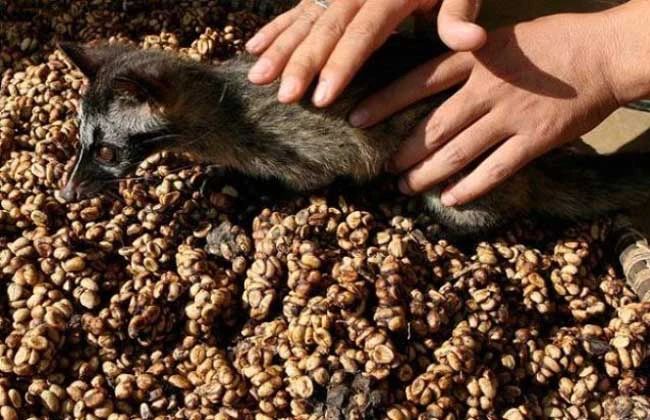
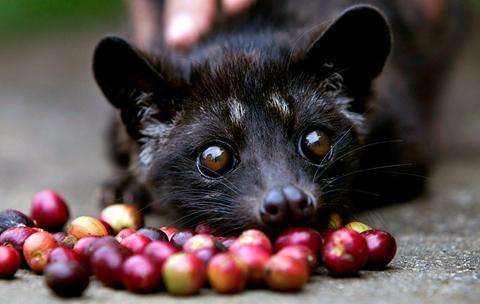
The civet, locally called Luwak in Indonesia, is a wild omnivorous animal that is nocturnal and uses its keen sense of smell to seek out ripe coffee fruits, particularly red, ripe cherries. They selectively pick the sweetest and fullest coffee fruits, digesting the flesh but not fully breaking down the hard coffee beans. As the beans move through the intestine, they are coated with secretions from the civet’s anal glands before being excreted in feces. It is estimated that around 1,300 beans must be collected to produce 100 qualified kopi luwak beans, illustrating their rarity and the difficulty of procurement.
This natural fermentation process via the civet’s digestive system replaces traditional washing or sun-drying steps, resulting in reduced acidity and bitterness while delivering a richer, smoother mouthfeel with fewer off-flavors. Coffee beans processed this way often yield a syrupy body when brewed, and some even detect subtle hints of mint coolness along with a rich sweetness—characteristics that are difficult to replicate with conventional processing methods.
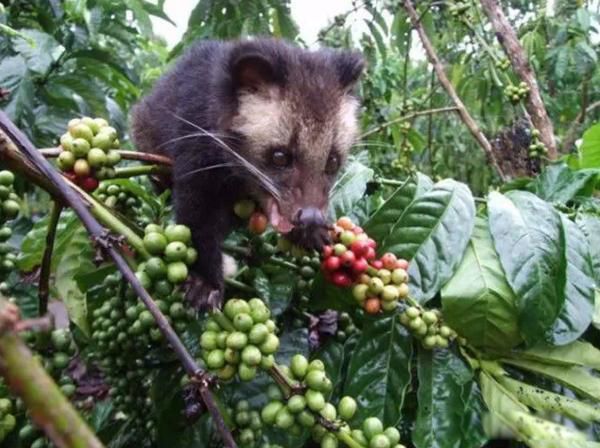
However, due to the limited number of civets, their wild nature, and the near impossibility of large-scale domestication, coupled with each civet excreting only a small number of beans per day, the annual production of genuine kopi luwak does not exceed 400 kilograms, making it extremely precious. While many products on the market claim to be “civet coffee,” most are merely blends or flavor simulations, not derived from the natural fermentation process of civets. Consumers should be especially cautious when purchasing.
Even more concerning is that some commercially available products come from factory-style production involving caged civets. These animals are confined in small spaces and force-fed coffee cherries, leading to deteriorated health, immense psychological stress, and even self-harming behaviors. Such practices are not only ethically controversial but also severely impact the quality and credibility of the coffee’s origin. Therefore, consumers should be wary of “civet coffee” that is priced too low or has an unclear source.
On the other hand, Vietnam’s well-known instant coffee brand G7, while enjoying high global recognition, mostly consists of instant formulations that are fundamentally different from traditional specialty coffee. There are also counterfeit or mislabeled G7 products circulating in the market. Consumers should look for authentic packaging and verified import sources to avoid purchasing unauthorized or questionable-quality goods. The most obvious differences between genuine and fake G7 lie in aroma purity, dissolution speed, and aftertaste—authentic products typically offer a consistent roasted aroma and a smooth, clean taste.
In terms of flavor, traditional kopi luwak is often described as having herbal and nutty notes, with a smooth mouthfeel and rich layers. It has very low acidity but a pronounced sweetness, making it especially suitable for coffee lovers who prefer bold, full-bodied flavors. In contrast, G7, as an instant coffee, emphasizes convenience and consistency. Its flavor profile leans more toward strong caramel and creamy notes, suitable for everyday quick consumption, but it cannot be compared to the complexity of specialty coffee.
If you wish to brew kopi luwak, it is recommended to use a medium-dark roast to highlight its herbal and full-bodied characteristics. Suggested parameters are as follows: use a KONO filter, water temperature around 88°C, a coffee-to-water ratio of 1:15, grind size at 75% through a #20 sieve (approximately medium-fine), with a total coffee dose of 15 grams. Brewing can follow a three-stage extraction: first pour double the coffee dose (about 30 grams) of water for a 30-second bloom, then pour in a slow circular motion until 125 grams and pause, followed by pouring up to 225 grams before stopping. Total brew time should be controlled to around 2 minutes. This method helps balance flavors and showcase subtle layers.
After brewing, it is advised to gently swirl the cup before drinking. Flavor-wise, it features a herbal aroma base with distinct nutty notes, a smooth mouthfeel, and a rich lingering aftertaste. However, given its rarity and high price, many coffee experts suggest that if you’re purely seeking a flavor experience, you might also consider specialty coffee beans from other regions—for example, the citrus notes of Panamanian Geisha, the bright floral and fruity aromas of Ethiopian beans, or the nutty-chocolate flavors of Brazilian beans—all of which offer a diverse and enjoyable coffee experience.
Lastly, bear in mind that coffee bean freshness greatly impacts flavor. It is recommended to purchase beans roasted within five days and consume them within 4–7 days of receipt for optimal flavor performance. If buying coffee powder, make sure to use it promptly after opening to avoid aroma loss due to oxidation. Considering overall flavor, purchasing feasibility, and ethical concerns, choosing truly high-quality coffee is the wise choice for every coffee enthusiast.
The above content is compiled by CoffeeHunters, a coffee news website.


