







Introduction:Many beginners who are new to espresso often encounter issues such as insufficient crema, weak flavor, or bitterness after extraction. In fact, the key lies in precise control of grind size and coffee-to-water ratio. This article will guide you on how to determine the grind setting suitable for your equipment, recommend five blends that cover rich, fruity, nutty, and other flavor profiles, explain the working principle and adjustment logic of flat burr grinders, and finally discuss when you need to recalibrate your grinder — all to help you achieve a consistently ideal shot of espresso.
Many beginners, whether at home or running a café, find that even when following the manufacturer’s recommended parameters, the espresso they extract may still have thin crema, overly light taste, or noticeable bitterness. These issues are often related to two main variables: grind fineness and coffee-to-water ratio. So, how do you find the grind size and ratio that match your equipment? The following will explain in detail.
Before discussing grind settings, one premise must be emphasized: always choose high-quality espresso beans that are freshly roasted. When purchasing, it is recommended to prioritize beans with clearly labeled roast dates (rather than expiration dates), from reputable brands known for freshness. Fresh coffee beans are the foundation of stable extraction.
Next, we’ve compiled a list of espresso beans worth trying in 2025. Based on different flavor preferences, you can choose according to your needs:
1. Bold & Rich Blend: Made with Brazilian Red Bourbon, Indonesian Mandheling, and Vietnamese Robusta, dark roasted to highlight full-bodied aromas, easily producing a dense crema, suitable for making Americano or latte.
2. Floral & Fruity Blend: Based on medium roast, using Costa Rica Tarrazu honey-processed beans and Ethiopian beans, paired with Colombian beans, offering gentle acidity and sweetness, reminiscent of strawberry gummy flavors, with good crema texture.

3. Nutty Blend: Combining beans from Brazil and Colombia, the former brings nutty notes and balanced mouthfeel, while the latter adds chocolate layers, resulting in overall flavors like butter cookies, cocoa, and roasted nuts — a favorite among many.
4. Commercial-Style Blend: Recreating the common Americano and latte flavors found in cafés, using Brazilian, Colombian, and Vietnamese beans, medium-dark roasted to deliver rich crema and toasty aroma, great value, suitable for daily drinking.
5. Entry-Level Blend: Designed for beginners or those on a budget, this coffee offers mild fruit acidity, caramel sweetness, complemented by nutty and dark chocolate notes, smooth and viscous, at an affordable price.
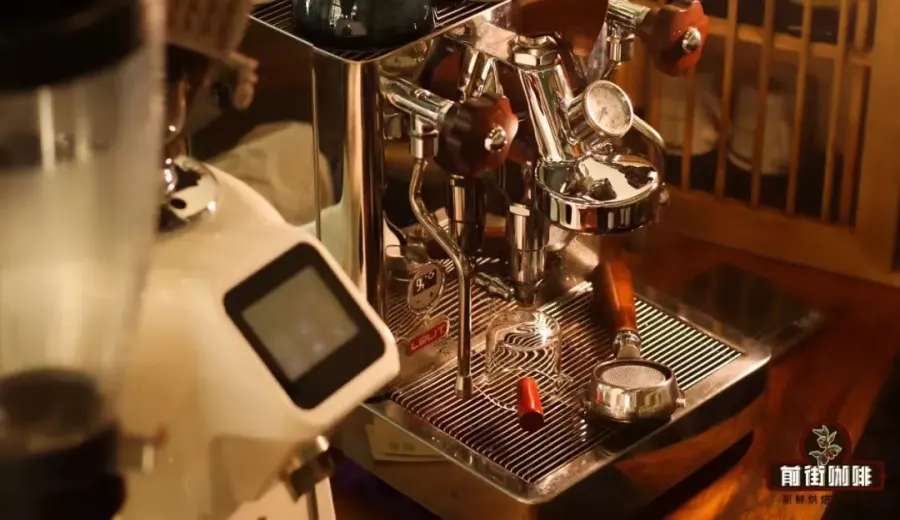
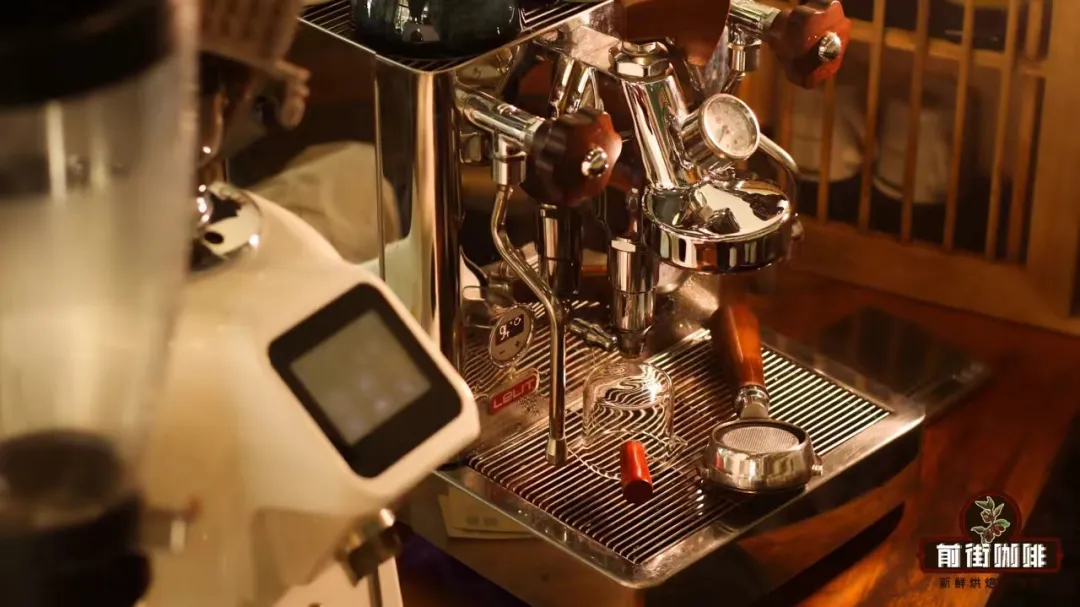
Regarding grinder selection, electric grinders are generally divided into two types: espresso-specific and single-origin-specific, with the main difference being grind fineness. Espresso-specific grinders are characterized by extremely fine grinding, high speed, and large burr discs, and can be further divided into three structures: flat burr, conical burr, and ghost burr. This article focuses on the widely used flat burr grinder, exploring its working principle and adjustment methods.
A flat burr grinder consists of two parallel burr discs, one on top of the other. The motor drives the discs to rotate, and coffee beans fall from the center and are pushed outward for grinding. Because coffee beans rely on the rotation force of the bottom burr to enter the grinding area, the amount of beans above can affect the evenness of bean intake, which in turn affects grinding consistency; additionally, during the pushing process, beans collide frequently, often producing more fine particles. The advantage is that it can quickly increase coffee liquid concentration and extraction yield in a short time, making the aroma more concentrated; the downside is slightly poorer particle uniformity and more fine powder, which may lead to uneven extraction and a burnt, bitter taste over time.

When adjusting grind size, the key is to control the speed at which water passes through the coffee bed. The smaller the gap between burrs, the finer the coffee grounds, the more resistance the water faces, and the longer the extraction time; conversely, coarser grounds allow smoother water flow and faster extraction. It is generally recommended to use a 1:2 coffee-to-water ratio (e.g., 20g of coffee grounds to 40ml of extracted liquid) as a baseline, with a target extraction time of 25 to 28 seconds. Observe the flow rate and taste the flavor: if the grind is too coarse, the water flows too fast, the crema color is light, and the flavor is sharp and sour due to only extracting surface acidic compounds; if too fine, the filter holes may clog, the water flow becomes thin, the crema is dark, but it may cause over-extraction in the early stage and under-extraction later, resulting in sharp acidity, burnt bitterness, and off-flavors.
So, when do you need to readjust the grind size? Taking a double shot of espresso as an example, when the flow rate noticeably deviates from the 25–28 second range, it’s time to check the grind settings. However, factors affecting flow rate are not limited to the grinder; they also include: storage time and environmental humidity changes, causing different bean conditions; switching to a newly opened bag of beans, due to differences in roast date, batch, or degassing period, requiring adaptation; and after continuous extraction of 5–6 shots, the motor and burrs may experience heat and friction buildup, causing the gap to narrow and the grind to become finer, extending extraction time. Therefore, regularly checking and adjusting the grind size is an important step in maintaining extraction stability.
Finally, do cafés need to adjust espresso parameters every day? In reality, most shops primarily sell lattes and Americanos, not straight espresso. Over-focusing on the flavor of espresso itself may actually overlook the overall balance of the beverage. It is recommended to prioritize adjusting the espresso base for one milk-based coffee (like a latte) and one Americano, ensuring the consistency of these two best-selling drinks. For instance, an flat white emphasizes coffee flavor expression, which can be enhanced by increasing coffee dose and adjusting the early-stage extraction to boost body, balancing the integration of milk and coffee. In short, purposeful and selective daily fine-tuning of espresso parameters is the key to ensuring consistent quality in every cup.

The above content is compiled by CoffeeHunters, a coffee news website.


