







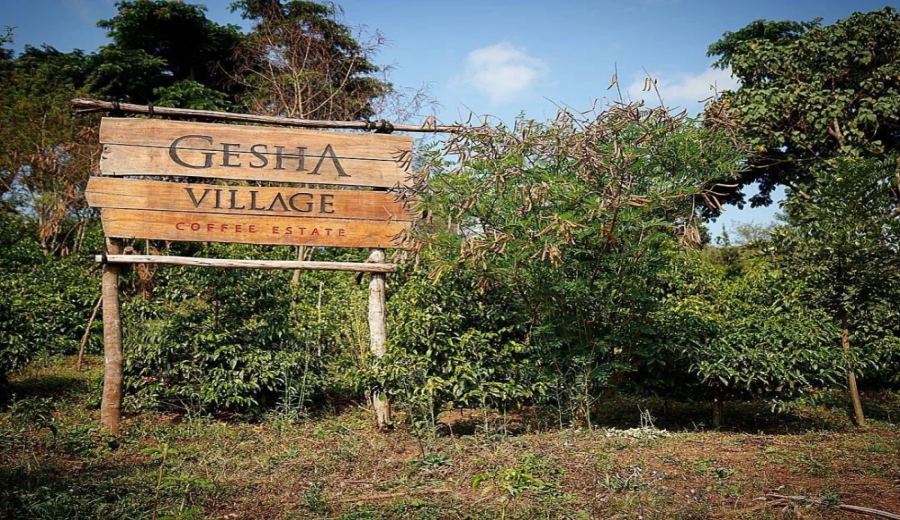
Introduction:Want to learn about the various grading lots from Ethiopia’s Gesha Village Estate? This article provides an in-depth analysis of the origins, varietal composition, growing altitudes, processing methods, and flavor profiles of the Gold Label, Red Label, Green Label, Chaka, and auction lots. It also offers practical pour over recommendations and roasting references to help you find the right Gesha experience, whether you're a beginner or a seasoned enthusiast.
In the world of specialty coffee, Ethiopia’s Gesha Village Estate is undoubtedly one of the most talked-about regions in the past decade. Located in the Bench Maji zone, this estate is not only the genetic origin of the renowned Panamanian Gesha but is also celebrated for its diverse varietals and rigorous grading system. This article will take you through the genetic origins, regional topography, microclimate differences, and more, to deeply understand Gesha Village’s four major regional grades—Gold Label, Red Label, Green Label, and Chaka—as well as the extremely rare auction lots. We’ll also analyze their varietal makeup, cupping characteristics, and recommended brewing methods.
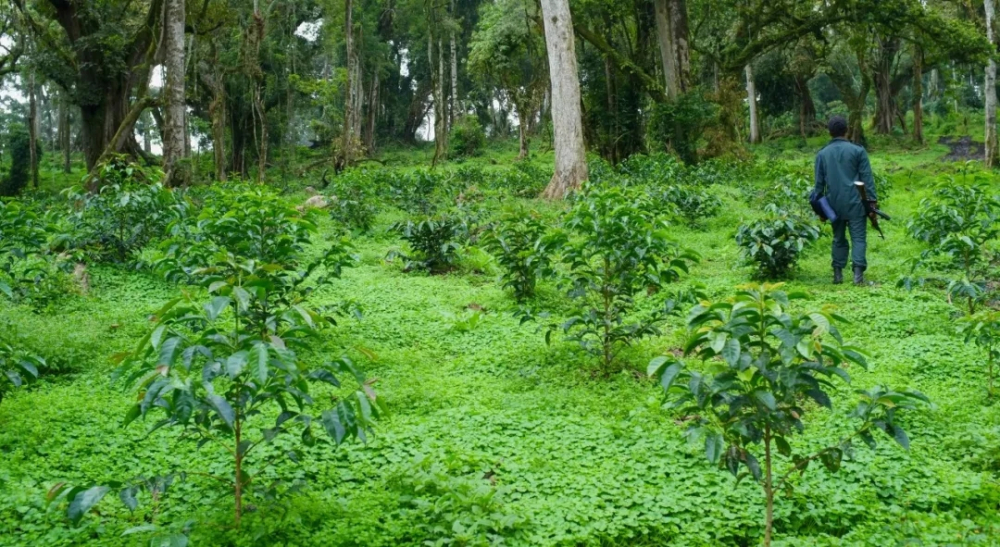
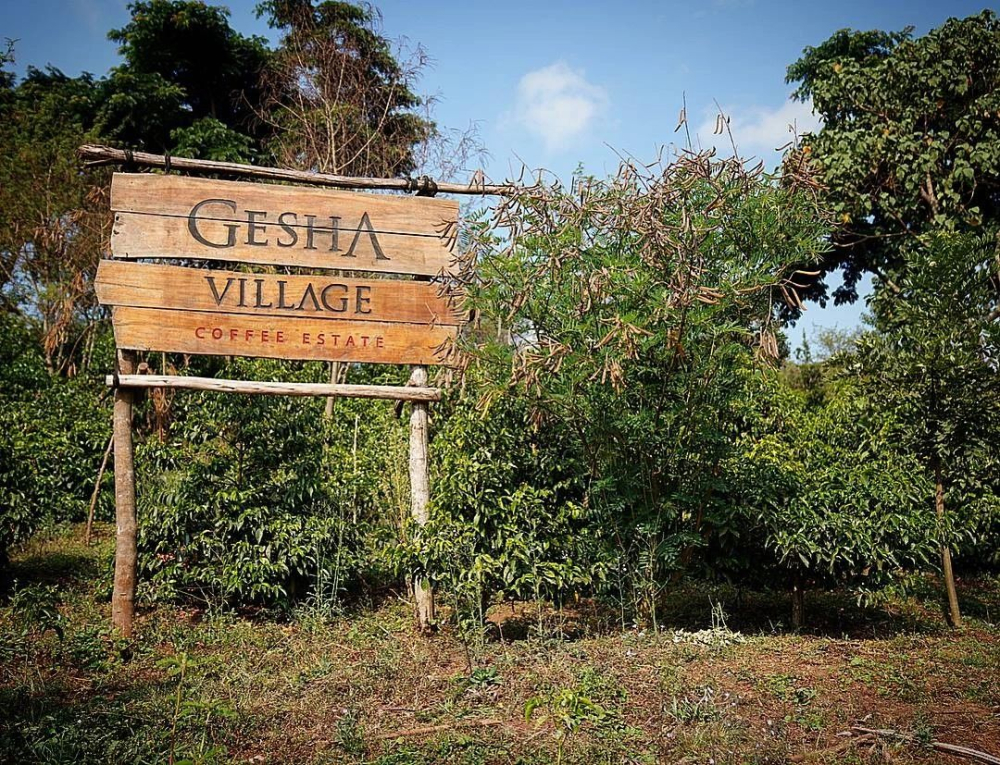 The history of Gesha Village dates back to 2011, when founder Adam and consultant Willem Boot discovered an area surrounded by dense forest near the estate. It was later confirmed to be the Gori Gesha forest—the birthplace of the original Gesha variety. They collected seeds from wild Gesha trees, and after genetic testing and botanical comparison, confirmed these were the “ancestors” of Panamanian Gesha. The team then selected the varieties most similar to modern Panamanian Gesha based on cupping performance and plant morphology, and began cultivating unique Gesha Village coffee cultivars on Ethiopian soil, including Gori Gesha, Gesha 1931, and Illubabor Forest.
Gesha Village Estate spans a wide range of altitudes and enjoys a temperate, rainy climate—ideal conditions for growing specialty coffee. However, unlike the common single-varietal Gesha farms in Panama, this estate grows not just one Gesha variety, but three genetically distinct ones. Planting is meticulously planned according to microclimate conditions. For example, western plots such as OMA, SURMA, and SHEWA-JIBABU, at elevations of 1900–2069 meters, feature varying altitudes and shading levels, so more adaptable varieties are planted accordingly. Differences in shading in the south and sunlight duration in the north also influence varietal selection and the final flavor expression.
 In terms of grading, Gesha Village has five categories: Auction Lots, Gold Label (RARITIES), Red Label (GROWERS RESERVE), Green Label (SINGLE-TERROIR), and Chaka. Among them, the auction lots account for only 3.7% of annual production. Each bean can be traced back to a specific plot, processing batch, and cupping data. These represent the highest-tier, most complex-flavored Gesha beans of the year and are only available through global auctions, making them highly collectible.
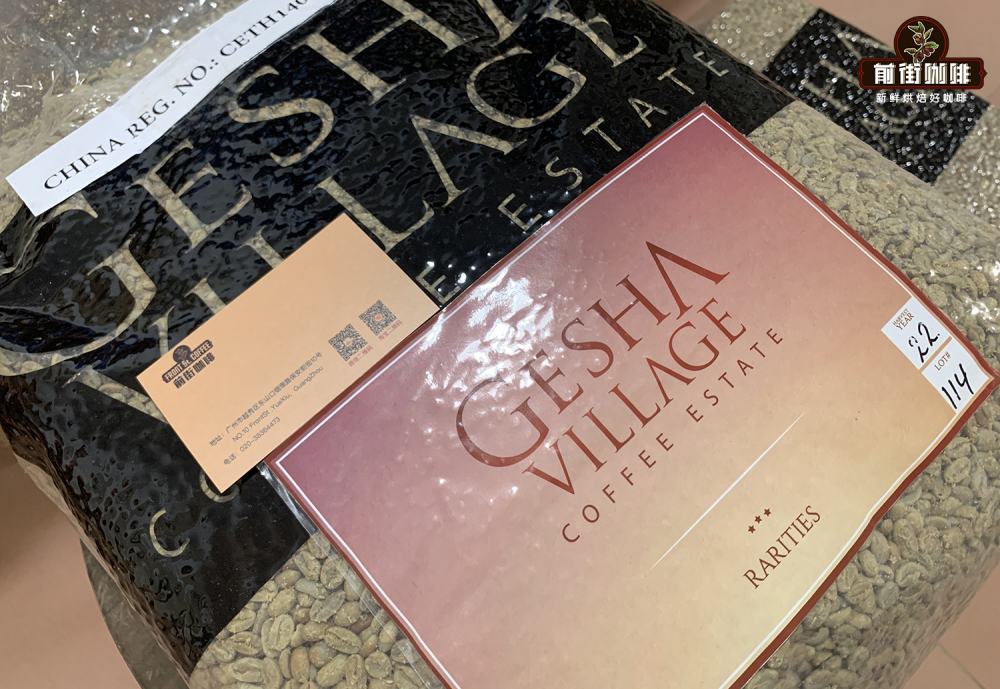
Gold Label Gesha accounts for about 10% of total production and is considered a popular choice for competition-level and high-end roasters. Taking a lot purchased from a certain supplier as an example, it comes from the Oma plot, at an altitude of 1900–2040 meters, with the Gesha 1931 variety and sun-dried processing. This bean performs exceptionally well in cupping: the dry aroma is fresh, and the cup reveals intense layers of citrus, berries, melon, caramel, and honey. The finish is long and smooth, with a buttery mouthfeel. It’s perfect for coffee lovers who enjoy complex fruitiness and sweetness. For pour over, we recommend a medium-light roast, using water at 91–92°C, a fine grind (e.g., 80% passing through a #20 sieve), and a three-stage extraction to highlight its delicate flavors.
Red Label Gesha (GROWERS RESERVE) makes up about 15% of annual production, primarily using the Gori Gesha variety, and must meet an SCA cupping score of 88 or higher. While its overall flavor complexity and explosiveness are slightly less than that of the Gold Label and auction lots, it still embodies the classic Gesha Village lineage and offers excellent value. For instance, a Red Label lot from the Shewa-Jibabu plot, at 1973–2069 meters altitude, is also sun-dried. Its flavor profile centers around lemon, plum, citrus, and tropical fruits, with a soft floral-tea undertone. It’s suitable for everyday drinking or as an excellent entry point into Gesha.
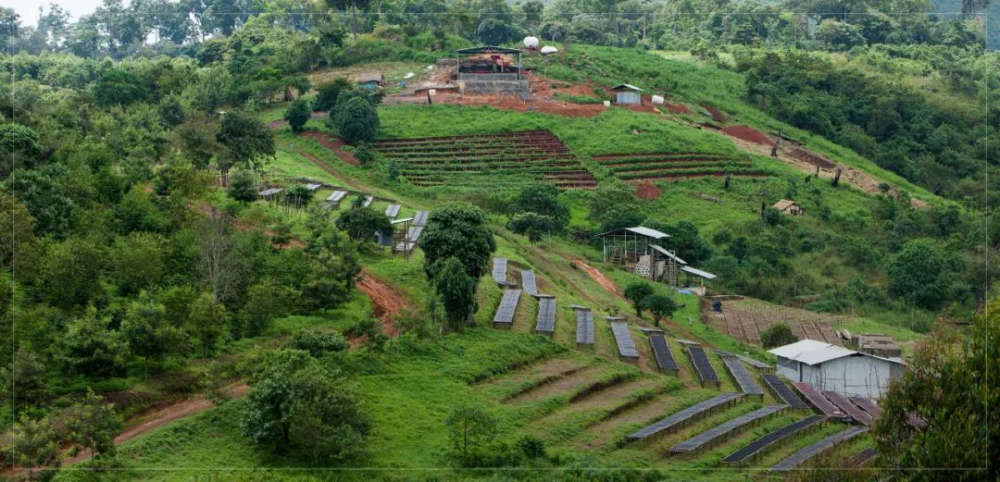 Green Label Gesha (SINGLE-TERROIR) features single-plot, single-variety offerings. Each batch comes with detailed farm information, including plot name, variety, and processing date, though it does not have a mandatory cupping score threshold. It’s an entry-level single-origin Gesha. For example, the Bangi plot’s sun-dried Gori Gesha, at 1901–2001 meters altitude, has clear and faithful flavor expressions that reflect the local microclimate. It’s ideal for consumers wanting to explore Gesha’s terroir-specific character.
Most unique of all are the Chaka lots. This series blends Gesha from all plots across the estate and from different harvests throughout the year, encompassing the three varieties: Gori Gesha, Gesha 1931, and Illubabor. It offers both washed and sun-dried processing methods. A sun-dried Chaka lot from a certain supplier undergoes floatation to remove impurities, then is spread thinly on African raised beds, covered with plastic sheeting for 18–30 days of sun-drying. During this period, frequent turning and hand-sorting ensure even drying. This lot delivers a bright and vibrant cup, with notes of citrus, berries, cream, oolong tea, and a hint of cane sugar sweetness. It suits users who prefer fruity acidity and floral-fruity profiles. For brewing, a medium-light roast is recommended, with slightly higher water temperature and a fine grind to enhance aroma.
In summary, Gesha Village’s diverse grading system allows coffee lovers at all levels—from beginners to advanced—to find their own Gesha experience. If you’re seeking ultimate complexity and the refined feel of auction-grade beans, go for the auction or Gold Label lots. If you prefer balanced, layered classic flavors, the Red Label is an excellent choice. Meanwhile, the Green Label and Chaka offer diverse exploration possibilities with single-plot or blended varieties. No matter the grade, the right roast level and brewing parameters are key to unlocking Gesha’s full potential.
The above content is compiled by CoffeeHunters, a coffee news website.


