







Introduction:After selecting the right coffee equipment, grind size is often the key factor influencing flavor performance. Different brewing methods—such as French press, pour over, or espresso machines—have vastly different requirements for coffee grind coarseness, ranging from coarse sugar-like grinds to nearly flour-fine particles. This article delves into the ideal grind parameters for seven mainstream extraction methods, including siphon pots and cold drip, and offers practical advice on adjusting based on roast level, water temperature, and brewing time to help you master the grind secrets of each device and brew better coffee.
To unlock the captivating aromas and flavors in coffee beans, grinding is an essential first step, but the operating principles of different brewing devices vary greatly, and so do their required coffee grind sizes. Using the wrong grind can lead to over-extraction or under-extraction, affecting overall flavor performance. Based on the industry-standard cupping criteria (70–75% extraction rate through a #20 sieve), this article takes you in-depth into the ideal grind coarseness and recommended dosages for seven common brewing methods—French press, pour over, cold drip, siphon, espresso machine, and Moka pot—and teaches you how to make precise adjustments based on bean roast level, water temperature, and extraction time to find the grind size that’s best for you.
The variety of coffee brewing equipment on the market is diverse—even with the same coffee beans, switching tools can completely change the flavor profile. Whether you prefer the clean layers of pour over or the rich intensity of espresso, the first step is always to grind the coffee beans into a powder form suitable for that device. Only the right grind can effectively extract the aromatic compounds from the beans. However, each extraction method has vastly different grind requirements due to differences in principle and operational conditions. Therefore, understanding and mastering the corresponding grind sizes for various devices is a key factor in improving brewing quality.
Among common home or professional coffee equipment—including siphon pots, cold drip, French press, pour over, espresso machines, and Moka pots—if ranked by grind coarseness, the general order is: French press > pour over > cold drip > siphon pot > Moka pot ≥ espresso machine. Each device, due to its extraction method (such as immersion, drip filtration, pressure brewing, etc.), requires a precisely matched coffee particle size to avoid issues like uneven extraction or excessive release of impurities.
Although broadly speaking it can be divided into “coarse grind” and “fine grind,” in actual practice there is no absolute numerical value for how coarse or how fine. Therefore, we must rely on an industry-recognized reference standard and then fine-tune based on the characteristics of each device. That standard is “cupping grind size”—filtered through a #20 sieve at a 70–75% extraction rate. This value is an ideal benchmark established through repeated experiments and sensory evaluations.
Grind Size Standards
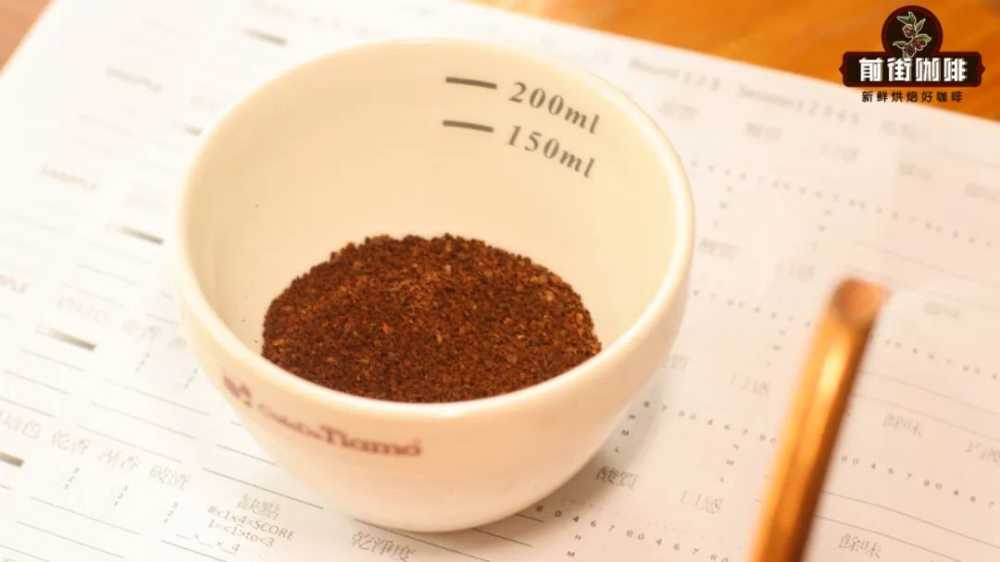
Although there is no single set of unified grind parameters suitable for all extraction methods on the market, the grind size used in “cupping” is an industry-recognized and valuable reference standard. Cupping typically uses a #20 sieve with an extraction rate between 70–75%, a figure established through repeated testing and sensory assessment (for information on how to actually use a #20 sieve, you can refer to related sieve tutorial materials).
Using this widely accepted standard as a baseline, and then adjusting according to the extraction conditions of different devices (such as water temperature, time, pressure), you can find the most suitable grind coarseness for each brewing method and present it with concrete data, making adjustments more evidence-based.
French Press Grind Size
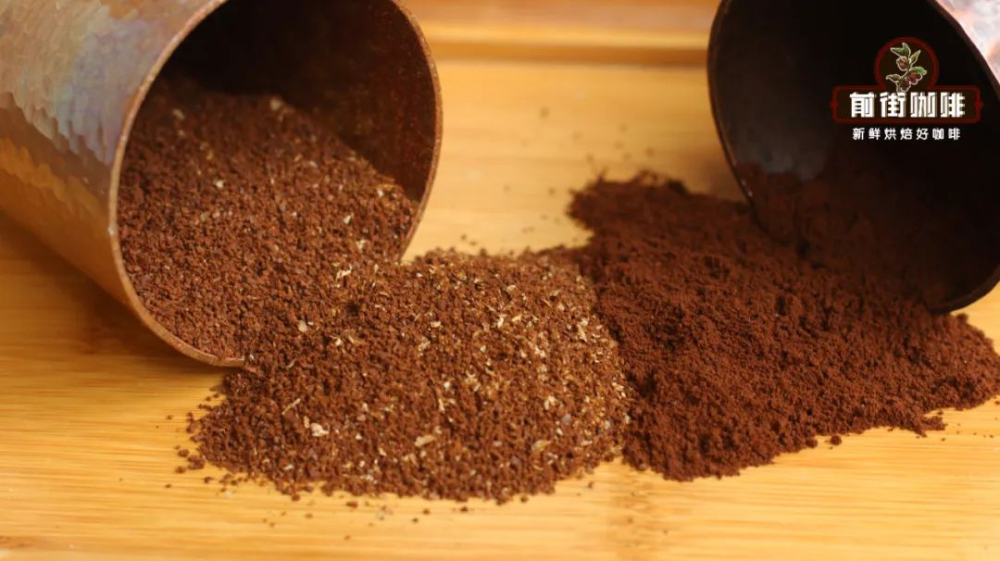
The French press is a classic immersion-style extraction method, which shares similarities with cupping, so its grind size is also similar. However, the French press usually involves pouring freshly boiled hot water directly in, and the water temperature is often slightly higher than the 94°C standard for cupping, which increases extraction efficiency and can easily lead to over-extraction. Therefore, it is recommended to adjust the grind size to be slightly coarser than cupping to slow down the extraction rate.
In practical terms, the French press grind size should be controlled within the range of 68–75% extraction rate through a #20 sieve, which is close to the texture of coarse sugar. If you are using water at a higher temperature or beans with a darker roast, it is recommended to set the grind size in the coarser range of 68%–71%; conversely, if the water temperature is normal (or close to 94°C) and the beans are light roast, you can adjust the grind size to 71%–75% for a more balanced extraction.
Pour Over Grind Size
The extraction conditions for pour over are usually lower water temperature and shorter brewing time. To compensate for these factors, the grind size needs to be finer than that of the French press to improve overall extraction efficiency and ensure that the coffee flavors are fully released to achieve the desired concentration.
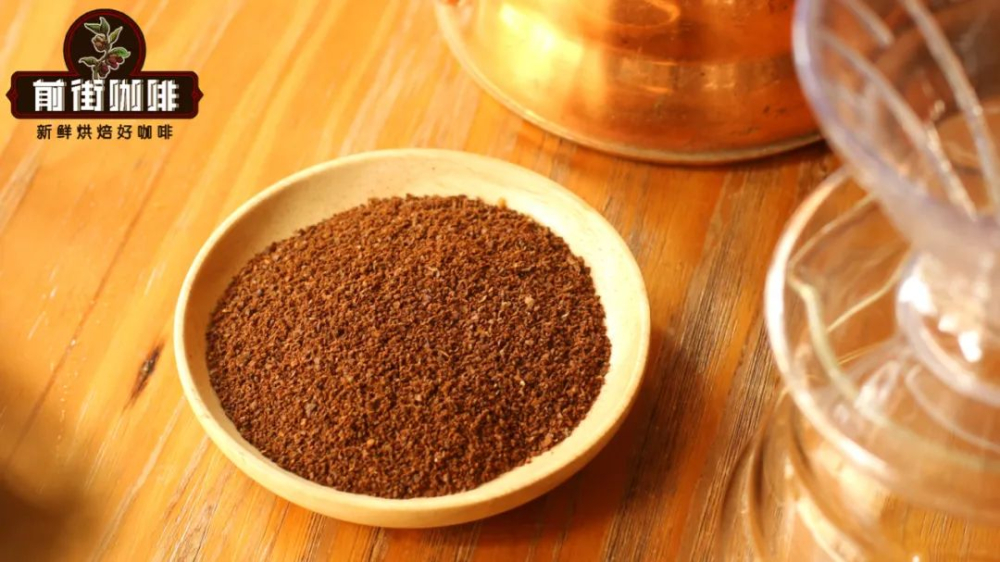
It is generally recommended that the pour over grind size fall within 70–80% extraction rate through a #20 sieve, with a texture similar to fine sugar. If you are using medium-light roasted beans, it is recommended to choose a finer grind in the 75%–80% range; if using medium-dark roasted beans, you can adjust to a slightly coarser range of 70%–75%. If you prefer ice pour over (iced drip), you can increase the extraction rate by an additional 5% on top of the recommended base—that is, go one step finer—to compensate for the lower extraction efficiency at colder temperatures.
Cold Drip / Ice Drip Grind Size
Both cold drip and ice drip use icy water for extremely low-efficiency extraction, leading many to believe that a finer grind than pour over is needed—but actually, it is not. Because the extraction time with icy water often lasts several hours or even longer, this duration is sufficient for the coffee flavors to slowly release, without needing to rely on finer particles to speed up extraction.
In practice, it is recommended to increase the extraction rate by about 5% over your standard pour over grind (i.e., slightly finer than pour over). If you prefer a cleaner, less intense flavor, you can also use the same grind size as pour over. But be especially mindful that an overly fine grind may cause fine particles to clog the filter layer, prolong dripping time, or allow too many ultra-fine particles into the coffee liquid, affecting the cleanliness of the taste.
Siphon Pot Grind Size The operating characteristic of the siphon pot is high water temperature and vigorous stirring—theoretically, the extraction efficiency should be very high—but in reality, its extraction time is extremely short, usually less than one minute. Therefore, it is necessary to adjust the grind size to increase extraction efficiency and ensure that the flavors are fully released.
For the siphon pot, we recommend using a grind size of 85–90% extraction rate through a #20 sieve, which is slightly finer than pour over but still falls within the medium-to-fine range. This setting helps to effectively bring out the layers and aromas of the coffee within the brief extraction time.
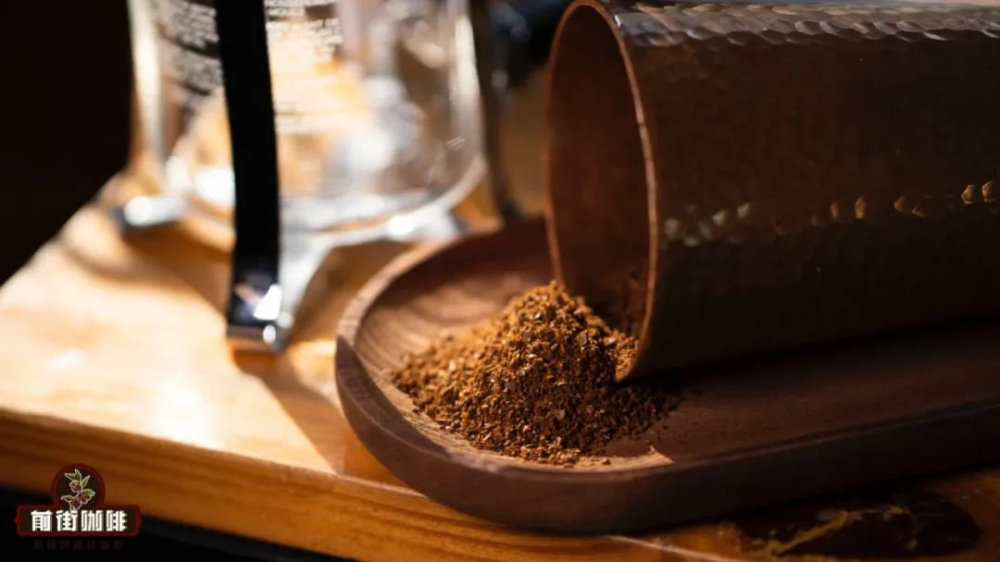
Espresso Machine Grind Size The grind size used in espresso machines is extremely fine, almost powder-like. Such ultra-fine particles cannot be measured with traditional sieves and are extremely sensitive to extraction parameters—even a difference of just 0.1g in coffee dose can lead to significant changes in extraction flavor.
It is recommended that you first establish a stable extraction baseline, such as “20g of coffee ground to produce 40ml of espresso in 28±1 seconds,” and then adjust the grind coarseness based on the actual extraction time and flow rate. If you find that extraction cannot be completed within the target time, you will need to adjust the grinder settings until the ideal extraction state is achieved, and then further fine-tune the coffee dose or liquid volume based on taste.
Moka Pot Grind Size Although the Moka pot is a pressure-based extraction method, its pressure is not as high as that of an espresso machine. Therefore, its grind size falls between the finest pour over and espresso-fine. You can choose the finest grind your pour over grinder can produce, or directly use the medium-fine setting on an espresso grinder—both are suitable. Generally, the finer the Moka pot grind, the more it helps to produce rich crema (coffee foam).
It is important to note that the Moka pot grind is too fine to be accurately measured with a sieve, so it is recommended to adjust entirely based on the flavor performance after extraction, finding the fineness that is best suited to your coffee beans and taste preferences.
The above content is compiled by CoffeeHunters, a coffee news website.


