








Introduction:Starbucks' Autumn Blend is crafted from beans sourced from Sumatra, Antigua in Guatemala, and Kenya, offering a medium-to-dark roast with a smooth, layered profile. This article delves into the regional characteristics of the blend, the story behind its packaging design, and provides practical Kono dripper pour over parameters and steps to help you fully capture the flavor notes of amber pecan, sage, and dried figs—from bean selection to brewing, mastering every step.
Each autumn, Starbucks releases a seasonal blend that echoes the mood of the season, delivering a warm and rich flavor to convey the comforting essence of fall. This Autumn Blend combines beans from Sumatra, Antigua in Guatemala, and Kenya, using a medium roast to highlight herbal, cocoa, and spicy layers, allowing drinkers to experience the tranquility and steadiness unique to the season.
The flavor profile of this blend originates from the distinctiveness of its three main origins. Sumatran coffee features pronounced herbal and earthy tones, Antigua in Guatemala contributes soft acidity and smokiness, while Kenyan coffee adds vibrant acidity and nutty notes, bringing liveliness to the whole. When blended and roasted to a medium-dark level, the result is a full-bodied, rounded, and layered cup—ideal for those who enjoy bold flavors without heaviness.
The packaging design of Autumn Blend draws inspiration from natural elements of the season, such as the golden hues of ginkgo leaves and the warm orange tones of sunset. It not only conveys visual warmth but also resonates with the coffee’s rich and comforting aura. The botanical illustrations and richly layered color blocks on the packaging hint at the complexity and harmony of the coffee’s flavors, allowing you to sense the change of seasons and the beginning of the coffee’s story as you open the bag.

In terms of flavor, this coffee showcases the nutty aroma of amber pecans, paired with the herbal character of sage and the natural sweetness of dried figs. These flavor combinations not only reflect the unique personalities of the three origins but also demonstrate the blender’s precise control over balance and layering. Whether brewed via CT (barista pour over) in stores or at home, its rich layers can be brought out through delicate extraction.
The Sumatran beans in this blend mainly come from the Linton region, located in south-central Sumatra, which boasts fertile soil and suitable altitude. Compared to the common high-grade G1 Mandheling, the Linton Mandheling used in Autumn Blend, though not subjected to multiple hand-pickings, still retains the classic characteristics of Sumatran coffee: intense herbal aromas, the richness of dark chocolate, and a caramel-like sweetness in the aftertaste. These qualities provide a solid foundation and a steady back-end expression for the entire blend.
The Antigua region in Guatemala is renowned for its unique volcanic soil. The area’s active volcanoes produce mineral-rich volcanic pumice and fertile ground, combined with the region’s distinctive shade-grown cultivation methods, which help coffee cherries retain more flavor nuances during ripening. Antiguan coffee typically exhibits soft acidity, nutty aromas, and subtle smoky notes—traits that add a touch of warmth and depth to Autumn Blend.
The Kenyan beans from Africa are one of the highlights of this blend. Grown in high-altitude areas around the East African Rift Valley, Kenyan coffee benefits from significant day-night temperature variations and slow growth, allowing the beans to accumulate ample flavor compounds. Its pronounced tomato-like acidity, paired with nutty and fruity notes, remains clear and vibrant even under medium-dark roasting. This acidity brings a bright front-end expression to the coffee, perfectly balancing the richness of Sumatra and Guatemala.
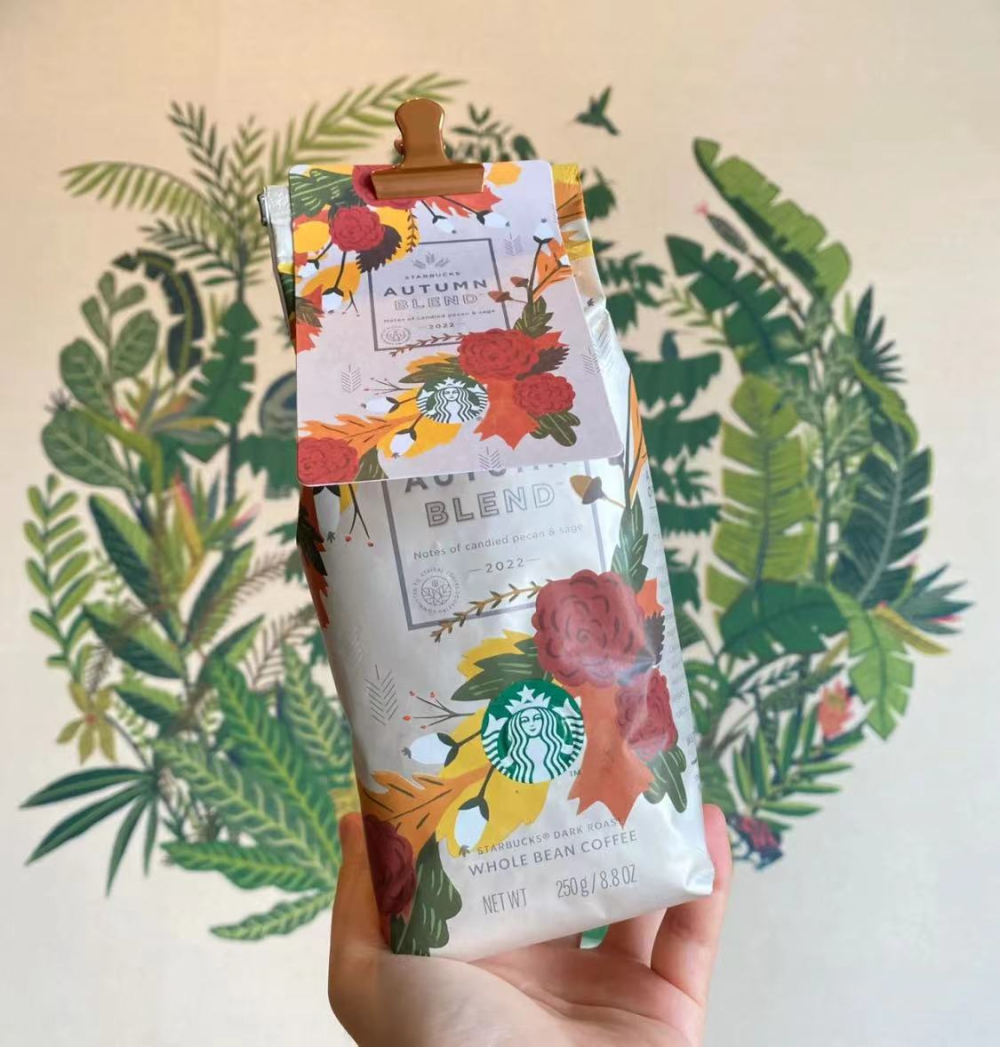
To brew Autumn Blend at home and achieve its optimal flavors, it’s recommended to use a Kono dripper with a medium-coarse grind (approximately the size of coarse sugar, 70-75% passing rate through a Chinese No. 20 standard sieve). The Kono dripper’s rib design extends only to one-third of the filter wall; when the paper is fitted, it reduces airflow and slows the water flow, creating an immersion-like extraction effect that helps medium-dark roasts fully release their bold flavors.
Recommended parameters are as follows: water temperature of about88°C,a coffee-to-water ratio of 1:15, with the overall grind size leaning toward medium-coarse to ensure even extraction without over-extraction. For the brewing technique, a step-by-step pour is advised: start by pouring30 grams of water for a 30-second bloom, then slowly circle-in water to125 grams, wait until the bed’s water level drops by half, then circle-in again to225 grams, keeping the total brew time around2 minutes and 10 seconds. This method effectively highlights the coffee’s nutty, herbal, and dried fruit flavors while maintaining a rich yet smooth mouthfeel.
The above content is compiled by CoffeeHunters, a coffee news website.


