







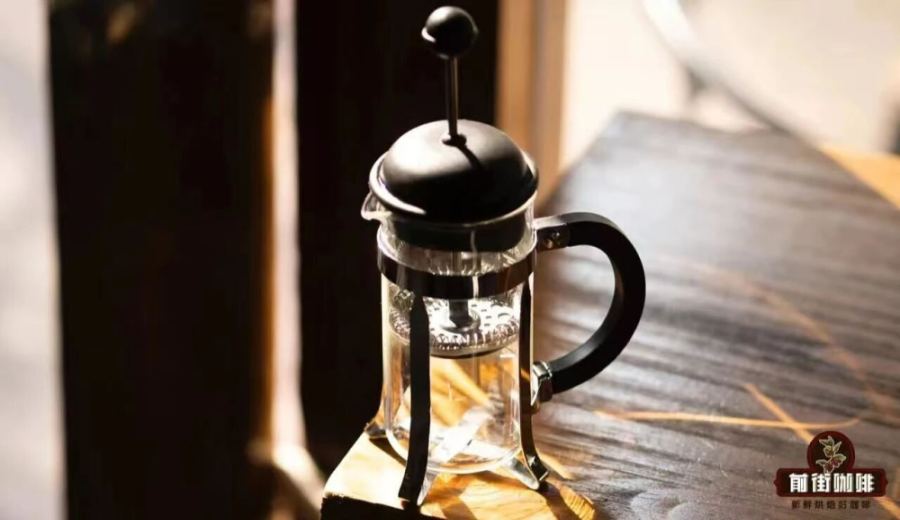
Introduction:The French press is the go-to brewing tool for many coffee enthusiasts just starting out. It’s simple to use and preserves coffee oils, making it perfect for quickly enjoying a rich cup of coffee every morning. This article will delve into the key elements of French press brewing, including suitable coffee bean types, recommended grind size, standard coffee-to-water ratio, and the complete brewing process. It will help you master the technique for producing smooth, balanced flavors—even beginners can get the hang of it with ease.
The French press (French Press), with its intuitive immersion brewing method, has become a daily essential for many coffee drinkers. This brewing device is not only simple in structure but also retains the precious natural oils in coffee, delivering a richer, more layered taste—especially appealing to those who enjoy bold flavors.
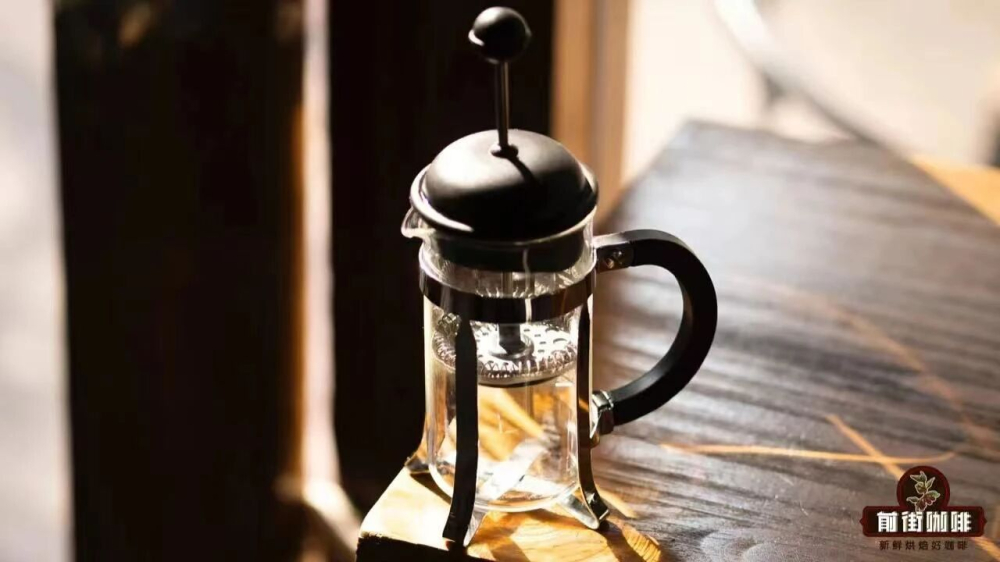
The basic principle of the French press is very straightforward: coarse-ground coffee is steeped in hot water, and after sufficient extraction time, a metal filter is used to separate the grounds from the liquid. This filter is not only durable but also reusable, saving on paper filter costs and being more environmentally friendly. Compared to paper-filtered brewing, the French press retains more coffee oils, presenting a fuller original flavor, including enhanced body and sweetness.
For busy modern lifestyles, the French press is a “lazy-friendly” brewing method—you don’t need professional skills to make a good cup of coffee. It’s suitable for quick morning preparation and allows you to fine-tune parameters according to personal preference to recreate your ideal coffee flavor.
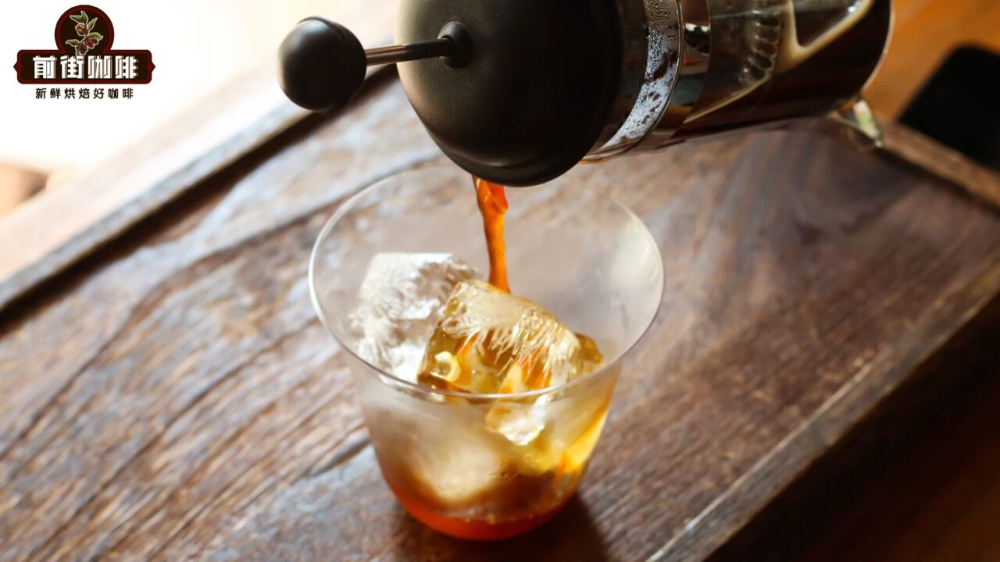
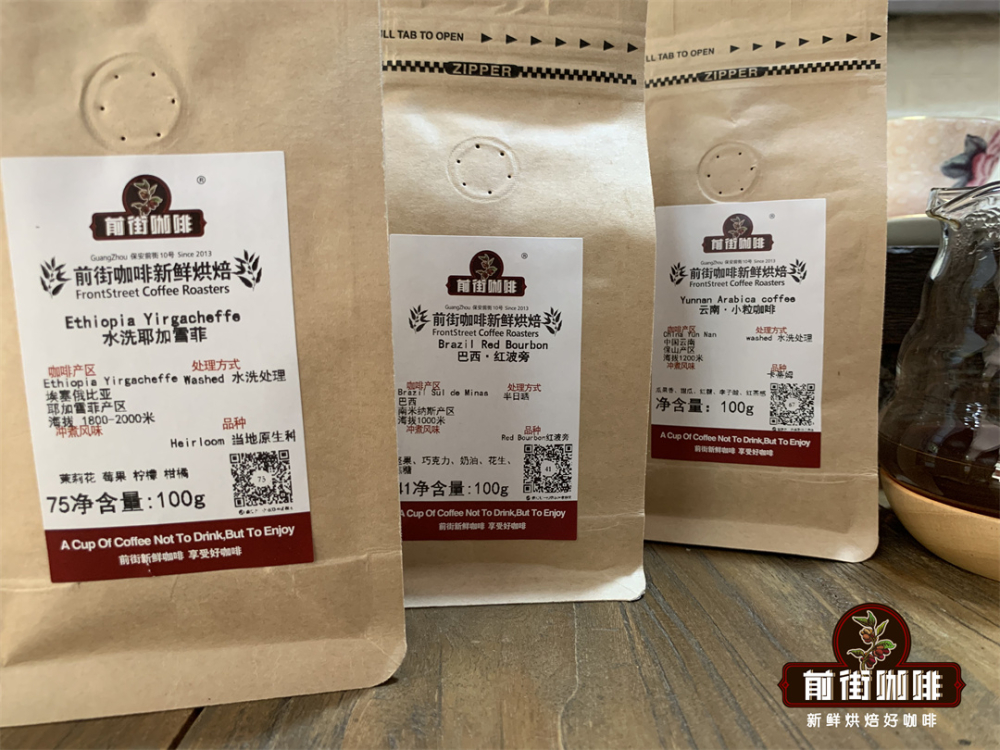
When choosing coffee beans suitable for the French press, it is recommended to prioritizemedium to dark roasts. These beans typically feature notes of dark chocolate, nuts, and caramel, which pair perfectly with the immersion characteristics of the French press, extracting a stable and full-bodied taste. Dark roasts can showcase more intense aromas and a heavier mouthfeel—for example, Brazilian Cerrado, Colombian Huila, and Indonesian Mandheling are common and excellent choices.
If you prefer pronounced fruit acidity or fresh flavors, light roast beans can be used, but they are not the best match for the French press. Light roasts are generally better suited for pour over or cold brew, where they can express more vibrant floral and citrus notes. Brewing them with a French press may result in duller flavors, losing their intended brightness.
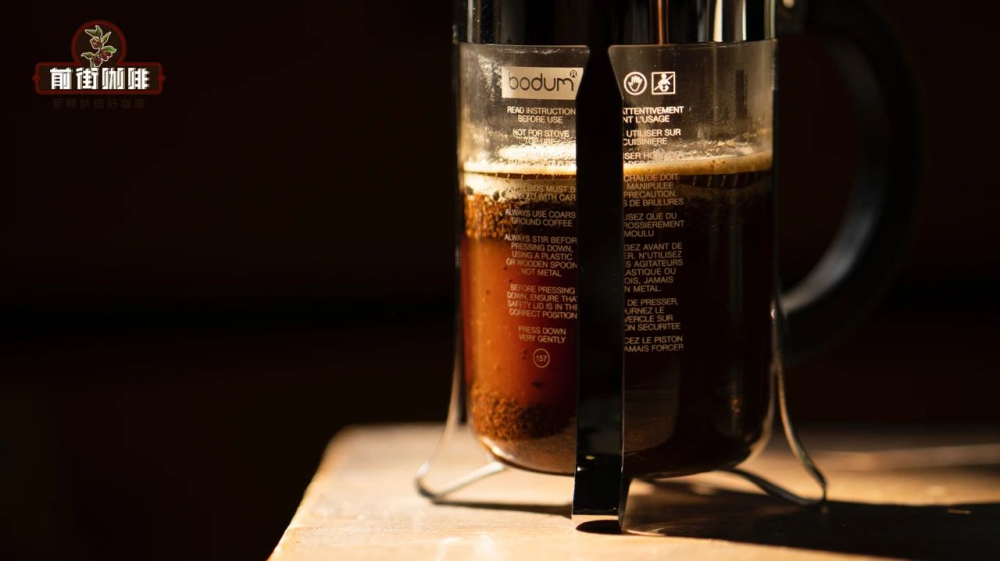
In terms of grind size, the French press recommends usingmedium-coarse grind, similar to the coarseness of sea salt—slightly coarser than typical pour over grind—to effectively avoid over-extraction and coffee sediment leakage. Ideally, you can test with a standard sieve, aiming for a70% to 75%pass-through rate. If the grind is too fine, it can not only lead to over-extraction but may also pass through the filter, resulting in cloudy coffee and affecting the taste.
The coffee-to-water ratio is another key parameter. It is generally recommended to start with a1:10 ratio, such as using 20 grams of coffee beans with 200 grams of hot water, suitable for two servings. Based on personal taste, this ratio can be further adjusted. For ready-to-use drip coffee bags, such as those containing 10 grams of coffee powder per bag, a 1:16 ratiois suggested—for example, 15 grams of coffee with 240 grams of water—can also yield good extraction results.
During preparation, it is recommended to use an electronic scale for accurate weighing. Even if the French press comes with volume markings or a scoop, weight-based measurement is still preferred because different beans vary greatly in density and volume. Accurate weighing helps stabilize extraction results and makes it easier to replicate your favorite flavors later.
Water quality should not be overlooked either—it is recommended to usesoft water, such as Yibao mineral water, and to avoid high-hardness water or unfiltered tap water, which may affect the purity and flavor expression of the coffee.
Here is the actual brewing process for the French press:
First, grind an appropriate amount of coffee beans to medium-coarse and place them in the French press. Then, heat the water to approximately93°Cthe ideal temperature range for brewing coffee. Pour the calculated amount of water—for example, 15 grams of coffee beans with 240 grams of hot water—and gently stir with a spoon to ensure the coffee grounds are evenly saturated.
Put the lid on the French press, but keep the filter at the top. Allow the coffee grounds to steepfor about 4 minutes. This period is crucial for flavor release and should not be too long or too short.
When the time is up, you can first open the lid and use a spoon to remove any floating coffee foam and fine grounds on the surface, which helps improve the clarity of the taste. Then slowly and steadily press the filter down to the bottom, maintaining even pressure throughout to prevent coffee grounds from rising.
After brewing, it is recommended to pour the coffee immediately into a cup or insulated container to avoid over-extraction from continued soaking. If you prefer a crisper taste, you can use a paper filter for a second filtration to remove tiny particles, making the coffee smoother and cleaner.
In summary, the French press is a simple, eco-friendly, and flavorful brewing method that doesn’t require complex equipment yet can produce rich, smooth coffee with aromatic oils. Whether it’s a busy morning or a leisurely afternoon, you can easily enjoy a high-quality hand-brewed cup of coffee.
The above content is compiled by CoffeeHunters, a coffee news website.


