







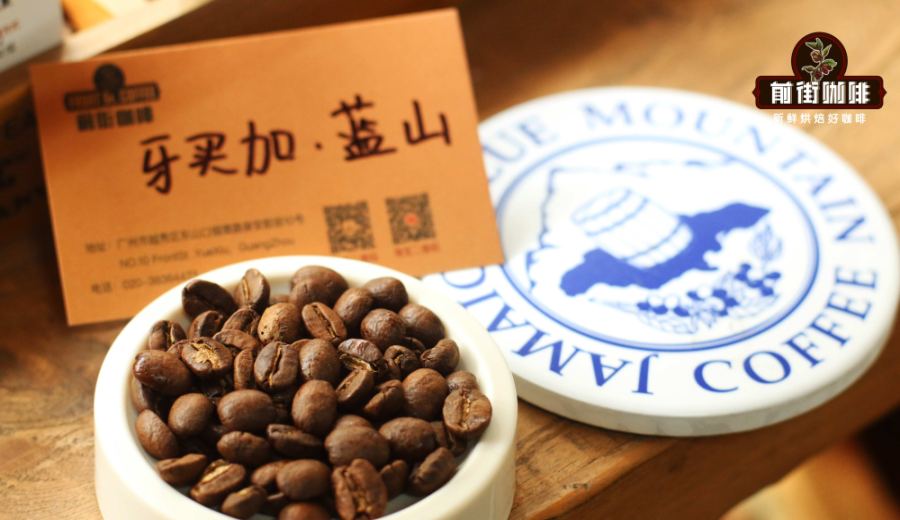
Introduction:Blue Mountain coffee is hailed as the finest coffee in the world, yet many people still have numerous questions about its origin, variety, and authenticity. Can Yunnan grow Blue Mountain coffee? Where does real Blue Mountain coffee actually come from? This article delves into the historical background, regional characteristics, flavor profile, and common misconceptions surrounding Blue Mountain coffee, while also guiding you through the key points of selecting and appreciating authentic Blue Mountain beans, helping you truly understand this world-class premium coffee.
Blue Mountain coffee is widely recognized as one of the highest-quality coffees in the world. However, there are also countless misunderstandings about it: Does Yunnan really grow Blue Mountain coffee? Where does genuine Blue Mountain coffee come from? What makes it one of the most expensive coffees globally? This article will start from Blue Mountain’s country of origin—Jamaica—and provide a detailed introduction to its variety characteristics, the evolution of its historical quota system, and how to correctly identify genuine vs. fake Blue Mountain coffee, taking you deep into the true nature of this legendary coffee.
First, regarding the question “Does Yunnan grow Blue Mountain coffee beans?” the answer is no. Blue Mountain coffee has a very clear and unique geographical production area, limited to specific regions within the Blue Mountains of Jamaica at elevations between 1200 and 1700 meters. The microclimate, soil conditions, and high-altitude environment here create the irreplaceable flavor characteristics of Blue Mountain coffee. Although Yunnan is a high-quality coffee-producing region, it does not possess the geographical and climatic conditions required for Blue Mountain coffee.
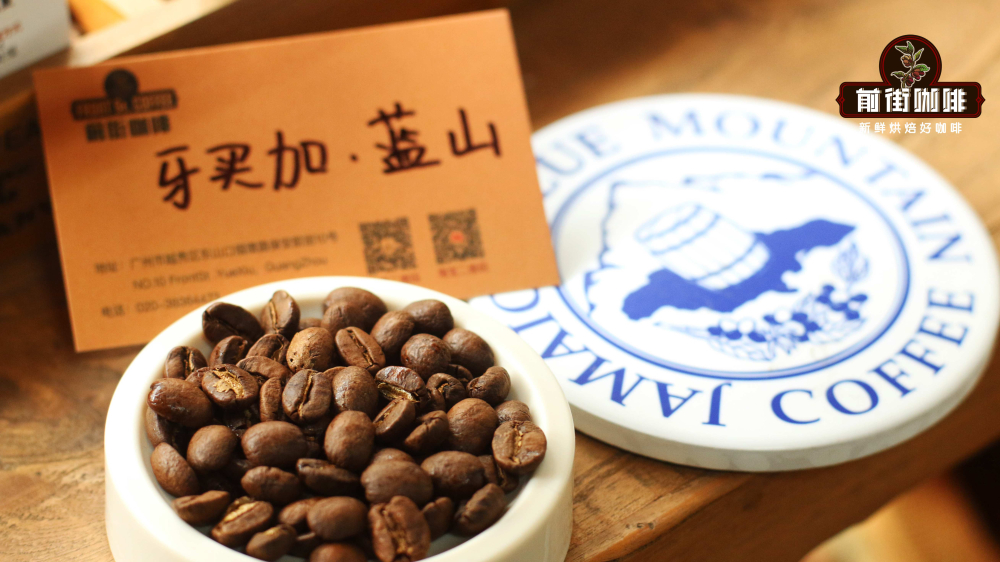
Authentic Blue Mountain coffee adheres to extremely strict standards throughout the entire production chain. From fertilizer use during cultivation, care of the coffee trees, to harvesting, processing, roasting, and packaging of the green beans, each step is rigorously overseen by the Jamaica Coffee Industry Board. It’s particularly worth mentioning that Jamaica still insists on using traditional wooden barrels to export coffee beans, with each barrel accompanied by an officially certified certificate to ensure the authentic origin of every batch of Blue Mountain coffee. This commitment to quality is also a key reason why Blue Mountain coffee remains highly sought after by coffee lovers worldwide despite its premium price.
In terms of flavor profile, Blue Mountain coffee demonstrates an exceptionally balanced taste, with acidity, sweetness, bitterness, and body skillfully blended, without any single flavor characteristic being overly prominent. This harmonious taste experience makes Blue Mountain coffee especially suitable for drinking as black coffee, allowing one to fully appreciate its delicate chocolate and roasted hazelnut aromas. For those who seek the essence of coffee flavor, Blue Mountain coffee is undoubtedly the ultimate choice.
Looking back at the history of Blue Mountain coffee, even before the 1960s, it was already a focal point in the specialty coffee market. However, Hurricane Gilbert in 1969 severely damaged Jamaica, and the coffee industry was also significantly affected. At that time, Japan’s UCC company provided funding and technical support to Jamaica, introducing advanced eco-friendly cultivation methods. In gratitude, the Jamaican government signed a 30-year quota agreement with Japan, supplying 90% of the annual Blue Mountain coffee production to the Japanese market, with the remaining 10% allocated to Europe and America. This move made Japan the main importing country for Blue Mountain coffee and also indirectly boosted its recognition in other parts of Asia such as Taiwan, Hong Kong, Singapore, and South Korea.
After 2000, the Blue Mountain craze further expanded to mainland China, leading to a surge in demand but also causing prices to climb steadily due to quota restrictions, making it hard to find even a single bean. After the 2008 global financial crisis, the original quota agreement expired, and Jamaica gradually began exporting Blue Mountain coffee to more countries. Coupled with rising demand in the Chinese market, Blue Mountain coffee is now relatively easier to obtain, with adjusted pricing, but it still belongs to the high-end market.
However, commonly seen products in the market such as “Blue Mountain flavor coffee,” “Blue Mountain blend coffee,” or “Blue Mountain roasted beans” are often just dark-roast blends with only a small amount of Blue Mountain beans—or may not contain any at all. Consumers should pay special attention to both price and quality when purchasing. Generally speaking, truly high-quality Blue Mountain coffee is not cheap. If a single 100g pack is priced at just a few dozen yuan, it can almost certainly be confirmed as not genuine. Based on market reference prices, authentic Blue Mountain coffee is approximately 198 yuan per 100 grams.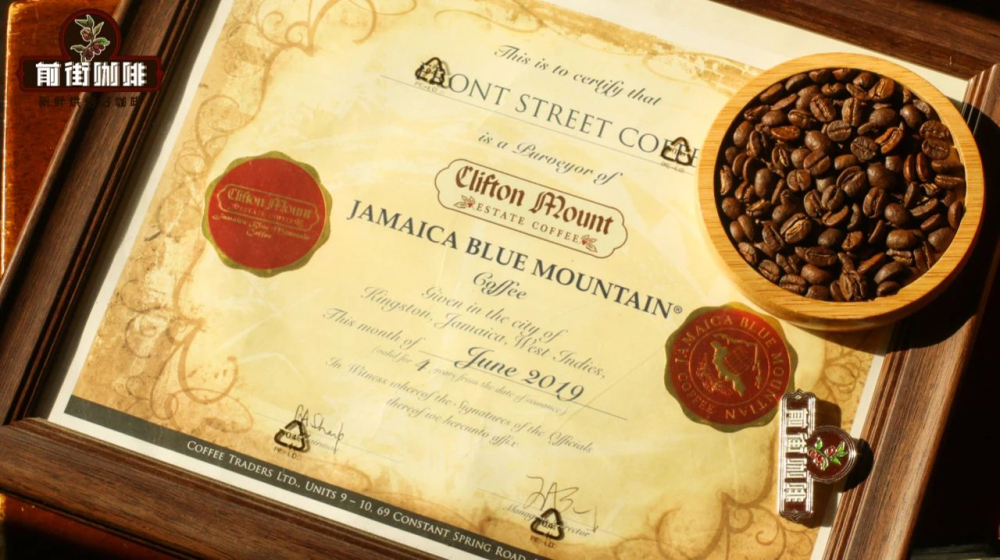
So, how can you distinguish between genuine and fake Blue Mountain coffee? First, observe the appearance of the green beans: genuine Blue Mountain green beans are bluish-green in color, medium to slightly small in size, with slightly upturned ends, and visibly expand and become plump in shape after roasting. Second, during grinding, because Blue Mountain coffee grows at high altitudes, its cellular structure is relatively loose—you can feel that the beans are brittle and easy to crush with a hand grinder, with no obvious resistance. Third, real Blue Mountain coffee has a rich and long-lasting chocolate and roasted hazelnut aroma, a level that is hard for ordinary blends to achieve. Lastly, in terms of taste, authentic Blue Mountain coffee achieves an excellent balance of acidity, sweetness, bitterness, and body, with no single flavor being particularly prominent or missing—this is the most precious and hard-to-replicate trait of Blue Mountain coffee.
The above content is compiled by CoffeeHunters, a coffee news website.


