








Introduction:Yunnan small-grind coffee has garnered significant attention in recent years, but many people still struggle with how to brew a pour over that is not bitter or astringent and has balanced flavors. This article delves into the characteristics of Yunnan Catimor coffee beans, offering practical pour over parameters and steps—from water temperature, grind size, and coffee-to-water ratio to a three-stage pouring technique—along with flavor descriptions to help you easily brew a smooth and aromatic cup of Yunnan coffee.
As China’s primary coffee-growing region, Yunnan’s small-grind coffee has gradually gained recognition both domestically and internationally. Baoshan, Pu’er, and Lincang are the main growing areas, where the region’s unique geographical and climatic conditions have shaped the distinctive flavor profile of Yunnan coffee. Among these, the Catimor variety, known for its adaptability and stable yield, has become the market mainstream. However, due to its genetic traits, specific brewing techniques are required to bring out its optimal flavors and avoid bitterness.

Located between 15°N and the Tropic of Cancer, Yunnan’s elevation mostly ranges from 1,000 to 2,000 meters, with large day-night temperature variations, abundant sunlight, and ample rainfall—providing an ideal environment for Arabica coffee. The coffee produced in this region generally boasts rich herbal and nutty aromas, gentle acidity, a full-bodied mouthfeel, and occasionally a hint of fruity acidity, making it highly suitable for drinkers who prefer balanced flavors.
With presence in both Baoshan and Lincang, Yunnan’s small-grind coffee from the Baoshan growing area is renowned for being rich yet not bitter, with fragrant and fruity notes. Lincang, on the other hand, has its own coffee plantations and grows the long-established Typica variety, offering another choice for consumers seeking traditional flavors.
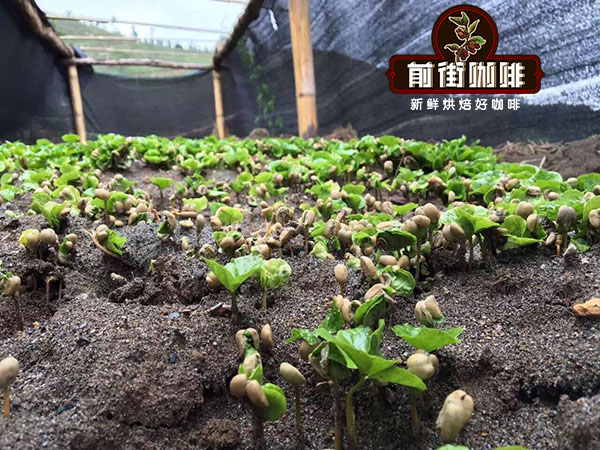
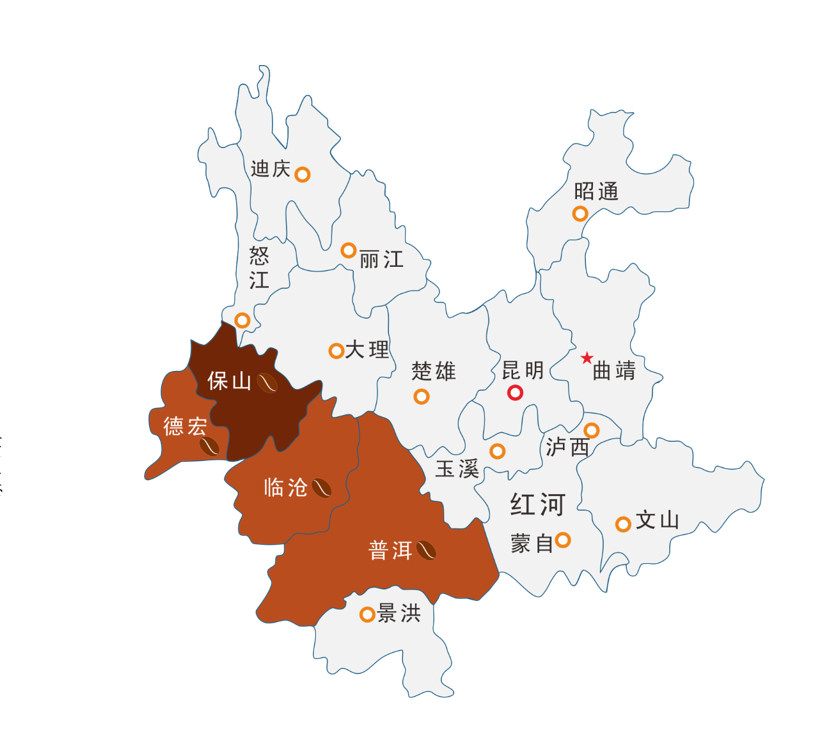
Yunnan’s coffee cultivation is concentrated in regions such as Lincang, Baoshan, and Pu’er. These areas, characterized by low latitude and high altitude along with distinct day-night temperature differences, allow Arabica coffee to thrive and produce high-quality beans. Baoshan’s climate conditions are particularly ideal—with no frost throughout the year and moderate temperatures—yielding small-grind coffee that is not only fragrant but also has a unique fruity taste, earning praise from international experts as one of the world’s top small-grain varieties.
Pu’er is one of the earliest regions to cultivate coffee and has now become the mainland’s largest and highest-yielding coffee production area, as well as an important coffee trade hub. Lincang, located in the southwestern frontier, benefits from distinct wet and dry seasons and abundant sunshine, also providing favorable conditions for coffee cultivation.
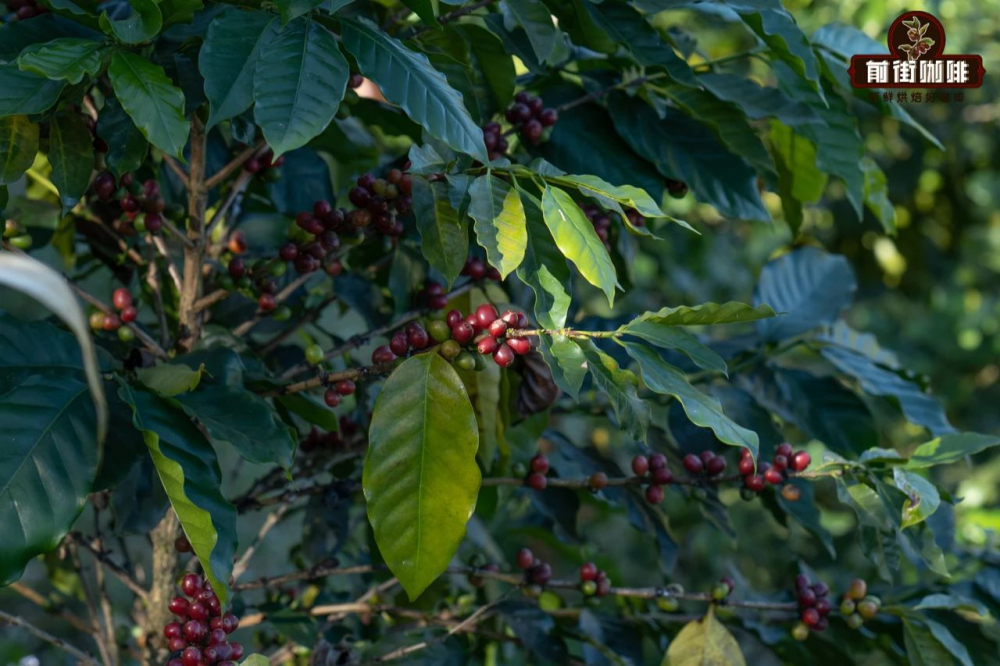
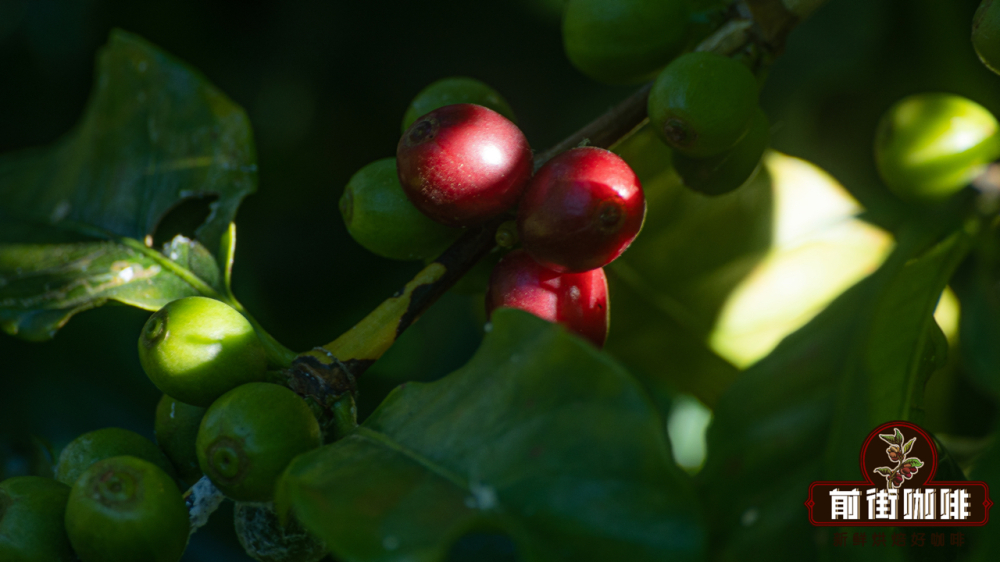
Currently, the most widely planted coffee variety in Yunnan is Catimor. This variety, which incorporates Robusta genetics, is highly disease-resistant and yields stably, but its flavors are often considered relatively light, prone to bitterness and a rough aftertaste. In contrast, Typica retains softer acidity and richer aromas, though it is grown on a relatively smaller scale. The two main bean varieties offered—Catimor and Typica—allow consumers to experience the diverse profiles of Yunnan coffee.
Yunnan coffee beans are mostly processed using washed and natural (sun-dried) methods. Due to the region’s variable climate and long rainy season, washed processing is the mainstream method, ensuring stable fermentation and preserving clear flavors. The launched washed Yunnan small-grind coffee and natural Catimor coffee each showcase distinct flavor profiles—the former highlighting herbal and nutty notes, while the latter features intense chocolate and spice tones.
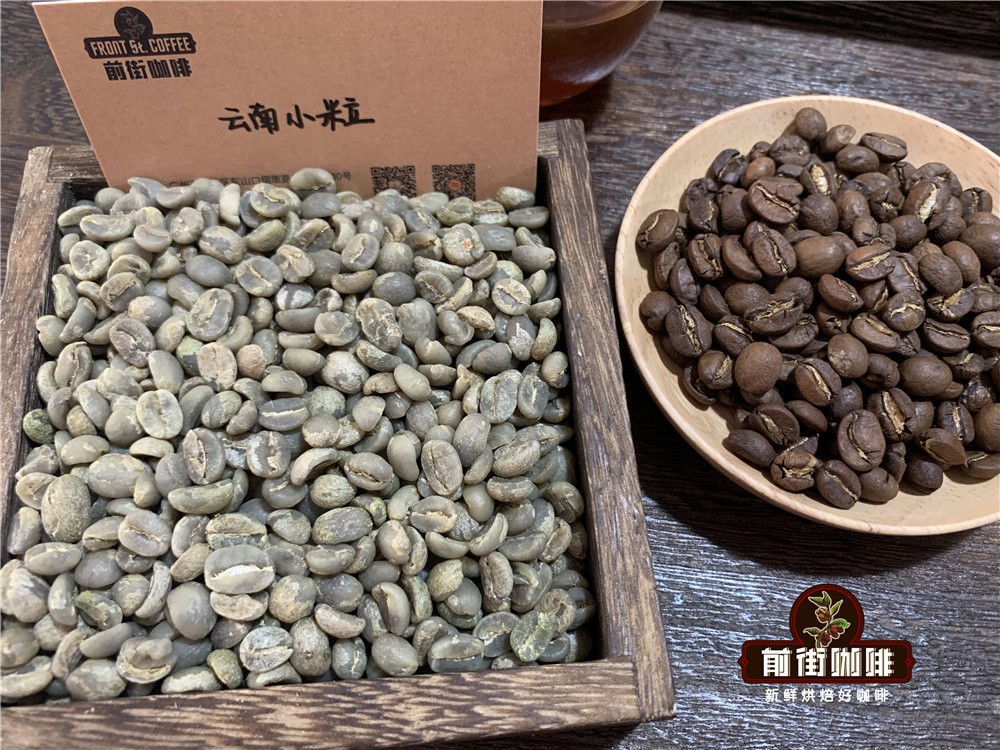
For Yunnan Catimor coffee beans, it is recommended to use a medium-dark roast to balance their flavor characteristics. Paired with fine grinding and precise parameters, this can effectively suppress bitterness and highlight the beans’ rich foundational flavors. When pour over brewing, water temperature, grind size, coffee-to-water ratio, and pouring technique are the four key factors that influence extraction results.
First,Water Temperatureshould be adjusted according to the roast level. For medium-dark roasted Catimor, it is recommended to use88℃for water temperature to avoid over-extraction that can bring out undesirable flavors. If using a medium-light roast, the temperature can be slightly increased to90-91℃to fully draw out the aroma and acidity.
Grind Sizeshould also match the roast level. Generally, medium-dark roasts suit a finer grind, with a recommended extraction rate of about75%(based on a No. 20 sieve), meaning that 10 grams of coffee grounds should yield about 7.5 grams of fine particles. If the grind is too coarse, it may lead to under-extraction; if too fine, it may cause over-extraction and produce unpleasant astringency. Using a cupping sieve for calibration can help effectively determine the optimal grind coarseness.
Coffee-to-Water Ratiois recommended to be1:15, which is considered the golden ratio in the Golden Cup extraction theory for balancing concentration and extraction yield. This ratio helps to showcase the layered flavors of the coffee, avoiding excessive intensity or thinness.
As for theThree-Stage Pouring Technique, it is the most beginner-friendly brewing method. This approach clearly presents the coffee’s early-, mid-, and late-stage flavors, aids in even extraction, and reduces the occurrence of bitterness and off-flavors. The specific steps are as follows:
1. Blooming Stage: After wetting the filter, place 15 grams of coffee grounds and pour 30 grams of hot water for blooming, for about 30 seconds. Blooming helps release carbon dioxide from the coffee beans, ensuring even extraction afterward.
2. Second Pour: After blooming, start pouring from the center with small circular motions and a fine stream, stopping when you reach 125 grams. Be careful not to let the water flow exceed the height of the coffee bed to maintain stable extraction pressure.
3. Third Pour: When the coffee bed has descended to about half the height of the filter, continue pouring to reach 225 grams. During this stage, observe the water level, maintain small circular pours, and increase agitation to encourage the coffee grounds to fully release soluble substances.
The total extraction time is recommended to be around2 minutes. After completion, gently shake the server to evenly distribute the coffee liquid before pouring into your cup for drinking.
The washed Yunnan small-grind coffee presents layers of herbal, nutty, chocolate, and black tea notes, while the natural Catimor showcases aromas of nuts, spices, caramel, and plum. Both have distinct characteristics, suitable for different flavor preferences.
When brewing Yunnan small-grind coffee, it is recommended to choose freshly roasted beans and start enjoying them 4 to 7 days after roasting, when the flavors are at their best. If using coffee powder, pay attention to storage methods to avoid oxidation affecting the taste. Grinding and brewing fresh will allow you to experience the true flavors of the coffee.
The above content is compiled by CoffeeHunters, a coffee news website.


