







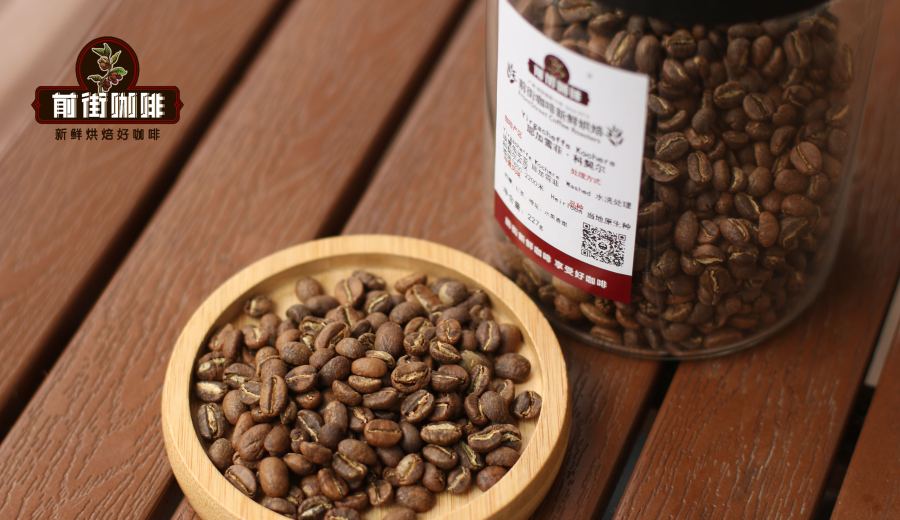
Introduction:Yirgacheffe Kochere is a significant micro-region within Ethiopia’s specialty coffee landscape, renowned for its washed processing method that delivers clean, bright citrus and floral flavor profiles. This article delves into Kochere’s geographical location, native variety characteristics, the ECX grading system, and provides a detailed breakdown of its washed processing procedure along with optimal pour over parameters to help you master the extraction essentials and flavor profile of this classic bean.
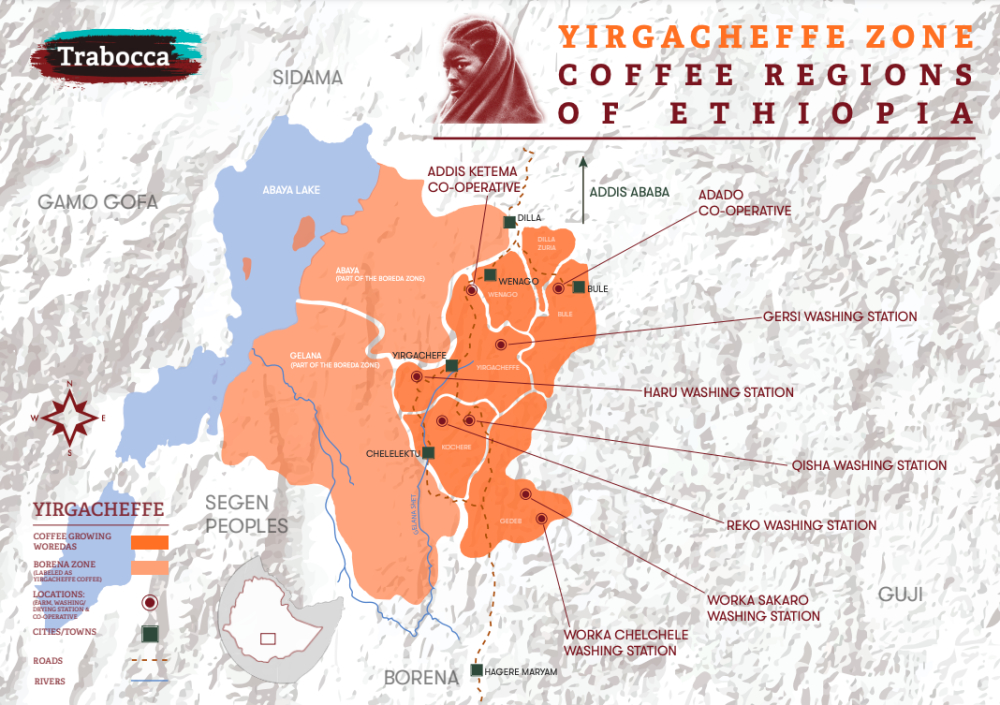
Yirgacheffe is a key coffee-growing region in Ethiopia’s Southern Gedeo Zone and a global mecca for specialty coffee enthusiasts. Among its many micro-regions, Kochere stands out as one of Yirgacheffe’s most prominent, celebrated for its washed processing technique that highlights exceptional clarity and intricate citrus and floral notes, earning widespread acclaim on the international market.
As early as the 1970s, the town of Yirgacheffe established its first washed coffee processing station, introducing modern washed processing techniques originating from South America. This innovation allowed the region’s coffees to fully express their vibrant citrus and lemon aromas, resulting in a cleaner, brighter cup profile and solidifying its distinctive flavor identity. Subsequently, Yirgacheffe separated from the Sidamo region to become one of Ethiopia’s most representative specialty coffee-producing areas.
To promote the development of the coffee industry, the Ethiopian government registered the flavor profiles of three major regions, including Yirgacheffe, as commercial trademarks in 2004. In 2008, the Ethiopian Commodity Exchange (ECX) was established to enforce rigorous grading and flavor classification for exported coffee beans, ensuring buyers could reliably obtain coffee that met their expectations based on these trademarks.
The so-called "Yirgacheffe flavor" typically features pronounced citrus and lemon fruit aromas paired with delicate jasmine floral notes. The cup is clean, bright, and refreshing, with a well-defined acidity and an overall lack of off-flavors—often likened to a mild yet distinctive fruit tea. In addition to the town of Yirgacheffe itself, surrounding areas such as Kochere, Wenago, and Gelena Abaya also produce coffees that fit within the Yirgacheffe flavor classification, thus falling under the same production and sales system.
Ethiopia boasts an exceptionally favorable natural environment, with elevations generally ranging between 1,100 and 2,300 meters. The soil is predominantly red loam and loamy mixtures that are well-draining, mildly acidic, and rich in nutrients and organic matter, making it highly suitable for cultivating high-quality coffee. The Gedeo Zone, where Yirgacheffe is located, is a core hub for the country’s specialty coffee production, while the neighboring Kochere region has gained market attention for its excellent washed processing and consistent flavor output.
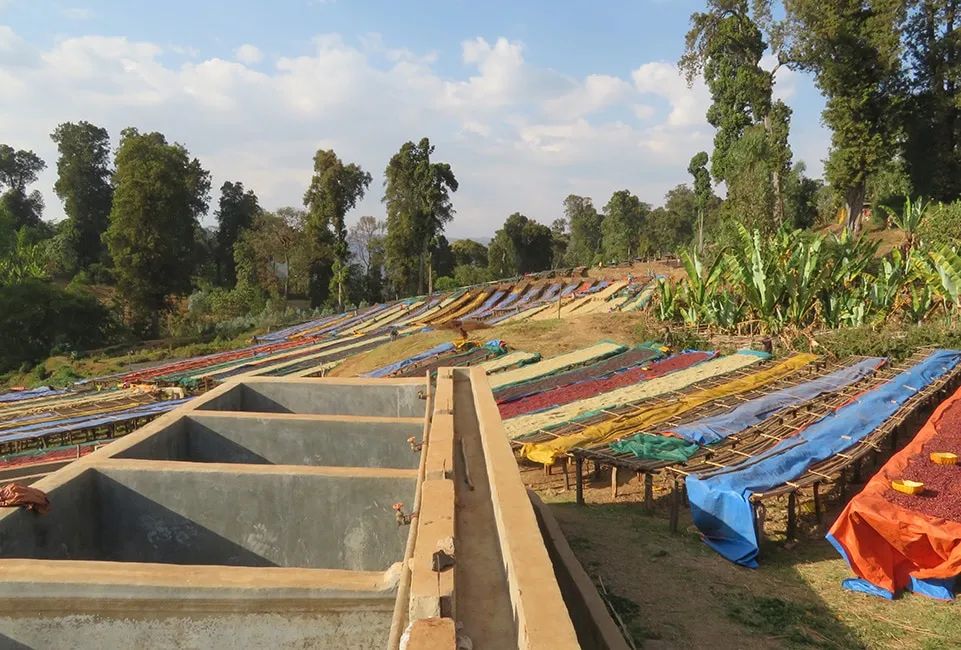
Kochere (Kochere) is one of the 77 Woredas (administrative districts) in Ethiopia’s Southern Nations, Nationalities, and Peoples' Region (SNNPR). Geographically situated approximately 25 kilometers southeast of Yirgacheffe, it is not only a vital part of the Yirgacheffe area but also one of the globally sought-after sources of specialty coffee. With a population of around 100,000 and coffee as its primary cash crop, the region benefits from relatively advanced processing techniques and equipment. It has even earned a prestigious 94-point rating from the renowned coffee review website Coffee Review.
The Kochere region can be further divided into multiple micro-zones. Some coffees are named after specific villages (such as Chelelektu or Teklu Dembel), processing mills (like the Alim Washing Station), or geographical features (e.g., Banko Gutiti) to enhance traceability. Such lots often exhibit more consistent flavor profiles and collectible value, and are correspondingly priced higher.
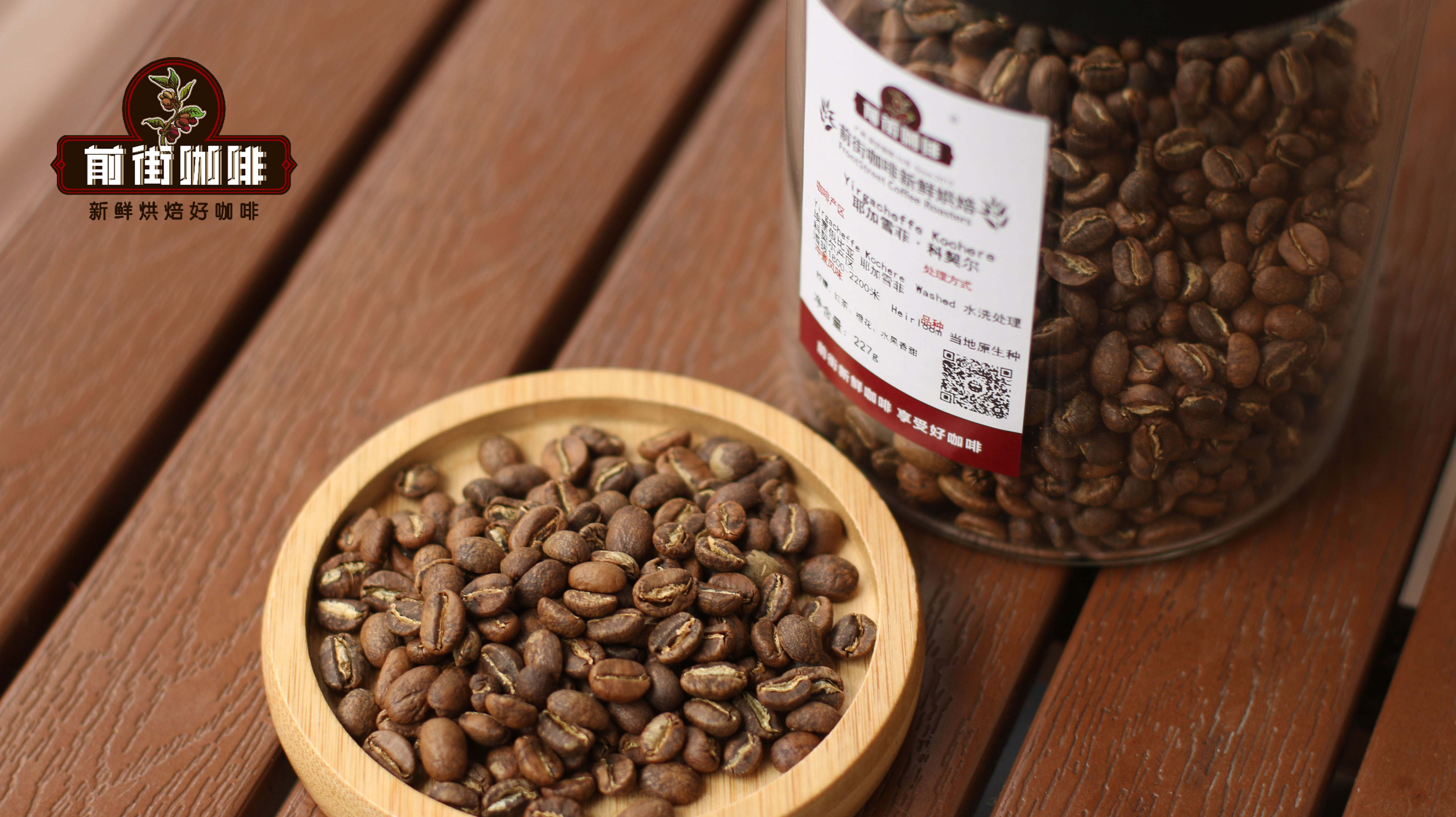
The coffee varieties grown in the Kochere region mostly fall under the category of Heirloom (native varieties). As Ethiopia is the genetic birthplace of coffee, many local coffee trees have not been commercially classified and are often intercropped with other plants. During harvest, red cherries are supplied by numerous smallholder farmers and then exported collectively under the "Heirloom" designation. In practice, this represents a blended lot comprising dozens or even hundreds of uncategorized varieties, resulting in diverse bean sizes and shapes that contribute to the region’s unique and layered flavor complexity.
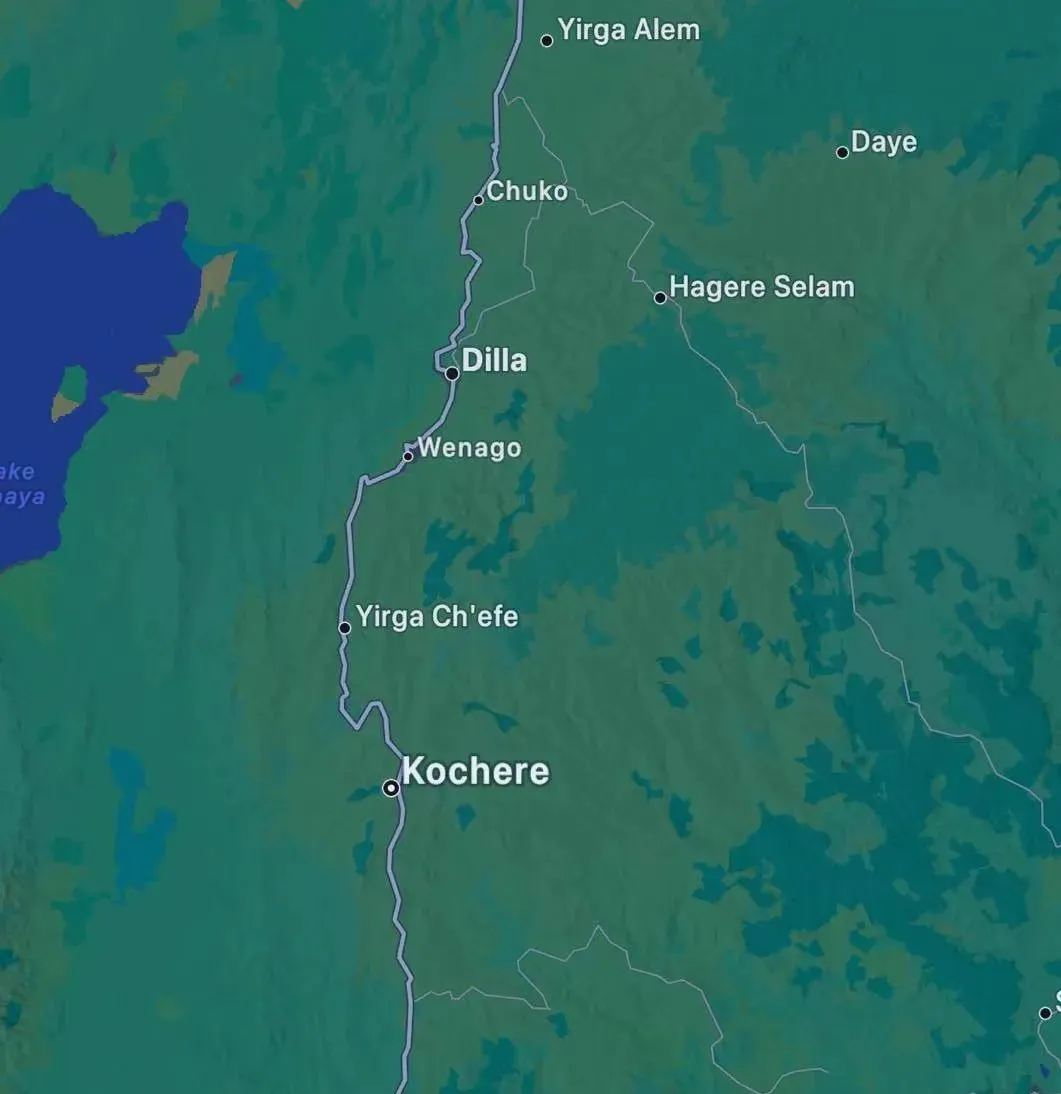
Kochere’s washed processing method is renowned for its precision. The local harvest season runs from November to December, with most farmers managing coffee trees using traditional manual methods without chemical pesticides. As a result, even without organic certification, the cultivation is widely regarded as pesticide-free or nearly organic. The combination of advanced washed processing facilities and traditional meticulous techniques yields coffees with a clean sweetness that balances honey-like and citrus notes, making them highly favored in the international market.
The washed processing procedure generally includes: after sorting, removing the pulp and flesh, then fermenting the mucilage-covered beans in water for 18 to 36 hours; after fermentation, rinsing with clean water to remove residual mucilage, followed by drying the parchment-covered beans either in the sun or using mechanical dryers until the moisture content drops to around 12%, and finally hulling to remove the parchment to complete the process.
For brewing Kochere washed coffee beans, it is recommended to use a medium-light roast to preserve bright acidity and delicate floral notes. In practice, it is suggested to use a V60 filter cone, with water temperature controlled at91°C, a coffee-to-water ratio of1:15(for example, 15 grams of coffee beans to 225 milliliters of water), and a medium-fine grind size (such as approximately 80% passing through a Chinese No. 20 sieve). These parameters are designed to fully highlight core flavors such as citrus, florals, and cane sugar, while avoiding over-extraction that could lead to bitterness.
A specific brewing method can involve a pulsed pour: begin with a 30-gram bloom for about 30 seconds to allow the coffee bed to fully expand; then pour 125 grams of water at the one-minute mark, and when the water level drops to two-thirds of the coffee bed, perform a second pour around the 1:40 mark for a total of 225 grams of water; the total brew time should be controlled at approximately2 minutesto achieve the optimal balance of flavors.
After brewing, it is recommended to gently swirl the cup to evenly distribute the flavors before tasting. Kochere washed coffee typically showcases distinct citrus notes such as lemon, mandarin, and orange, complemented by soft florals and bright cane sugar sweetness, with a honeyed finish and an aftertaste reminiscent of oolong tea. Overall, the cup is clean and refreshing, making it a classic origin bean suitable for both beginners and experienced enthusiasts.
The above content is compiled by CoffeeHunters, a coffee news website.


