







Introduction:American-style black coffee is a daily pick-me-up for many office workers, but do you know its historical background and cultural differences? This article delves into the WWII origins of Americano coffee, the drinking habit disparities between the US and Italy, and explains in detail the authentic brewing methods and optimal drinking temperatures. We also recommend three high-cost-performance espresso blends to teach you how to brew a well-balanced American-style black coffee at home.
American-style black coffee can be considered the most common type of black coffee found in offices around the world, yet many still only have a vague understanding of its origins and unique charm. This article will take you back to the birth story of American coffee during World War II, analyze its vastly different drinking cultures in the United States and Italy, and provide a detailed explanation of how to make an authentic American-style black coffee using espresso. In addition, we’ll share the ideal drinking temperature and tasting tips for American coffee, along with recommendations for three suitable espresso blends for making American coffee, so you can easily brew a consistently flavorful, high-quality American-style black coffee at home.
American coffee is arguably the most widely recognized type of black coffee, seen in nearly every country and serving as an indispensable “wake-up companion” for many busy professionals. However, many are also curious: what makes this relatively bitter-tasting coffee so widely loved? Let’s uncover the allure of American coffee together.
In fact, in the United States, what is called “American coffee” usually refers to black coffee with a lower concentration. According to popular accounts, this beverage originated during World War II when American soldiers stationed in Italy couldn’t adapt to the intense flavor of espresso, so they diluted it with water to a tolerable strength. Interestingly, Italians at the time primarily drank coffee to quickly intake caffeine and continue working, and they looked down on this diluted version, even jokingly calling it “Americano (American coffee).”
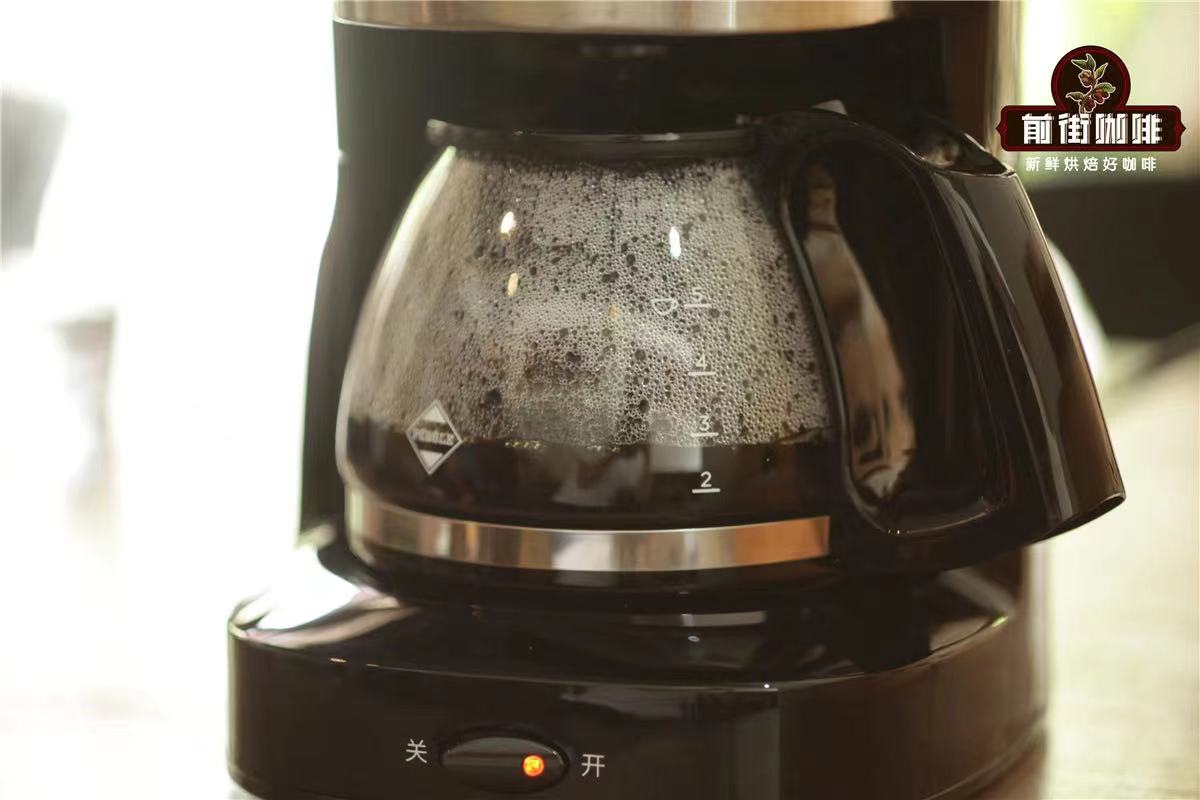
Although Americans generally prefer strong flavors in their food, the opposite is true for coffee—they favor a lighter taste. Whether paired with desserts or savory dishes, a light black coffee is always present. Before the introduction of Italian espresso extraction techniques to the US, locals commonly boiled ground coffee beans with water and then filtered the mixture through a sieve to obtain clear coffee liquid. With the arrival of espresso machines, the ability to quickly make a shot of espresso and dilute it rapidly gained popularity among busy office workers. Later, the widespread use of drip coffee makers made it even easier for people to enjoy a mild black coffee at home.
So why has American coffee become so popular worldwide? Aside from being affordable and a quick source of caffeine, it also helps boost metabolism (though exercise is still essential) and cuts through greasiness. Whether it’s for a morning wake-up or an afternoon pick-me-up, a cup of American coffee always brings a refreshing sensation.
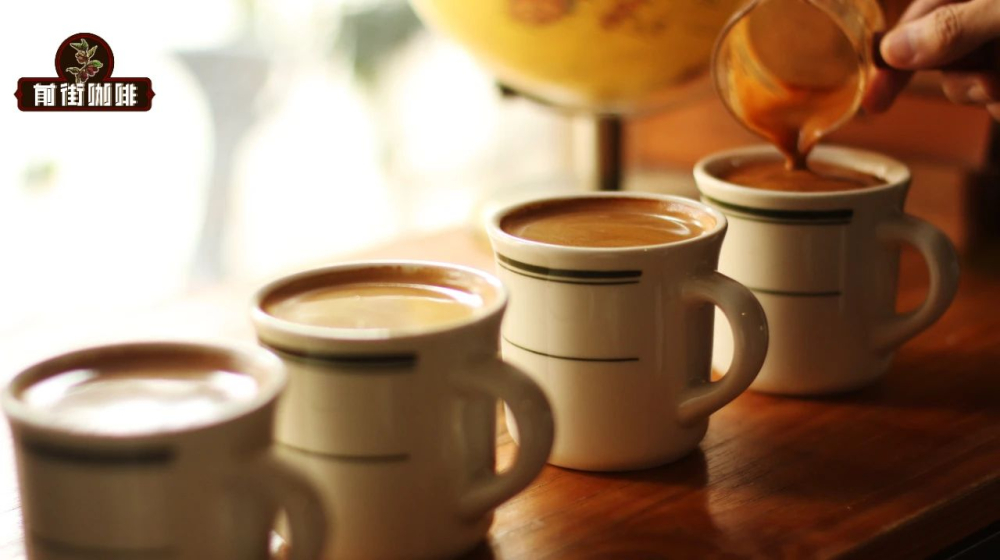
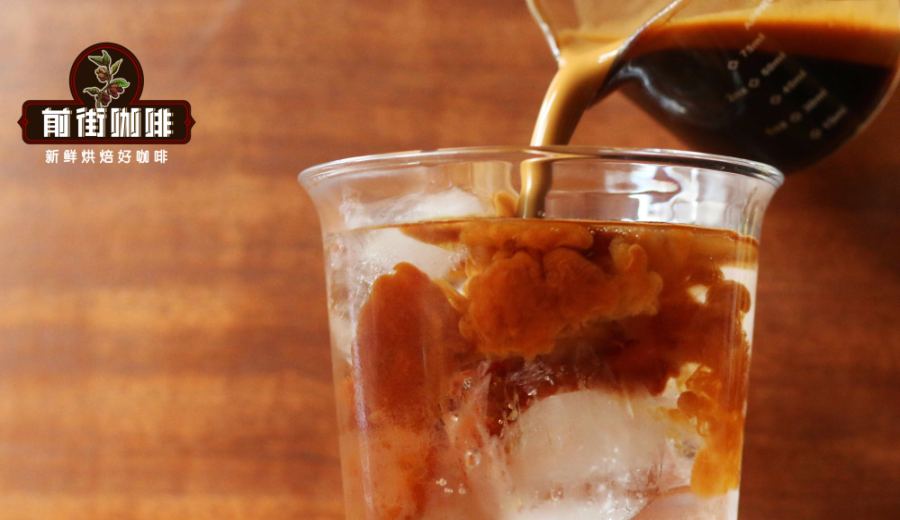
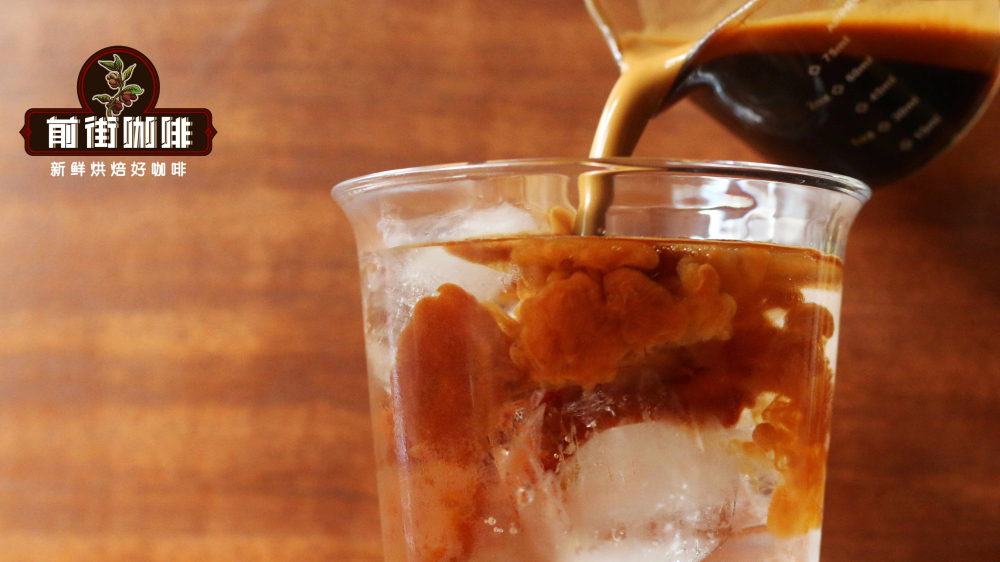
So, how do you make an authentic American-style black coffee? The standard method is to first extract a double shot of espresso using an espresso machine, then adjust the concentration by adding hot or cold water at a ratio of 1:4 to 1:8 according to personal preference. The recommended parameters for extracting a double shot are: using 20 grams of coffee grounds to yield 40 grams of coffee liquid, followed by adding approximately 80°C hot water (note that the water temperature should not be too high to avoid intensifying bitterness) or a mixture of ice water.
As for drinking method, it’s recommended to let hot American coffee cool down to about 60°C before drinking, as this is when you can fully appreciate its rich and layered flavors. If you find the taste too bitter, you may add a small amount of milk or sugar, but doing so will weaken its original fat-burning and palate-cleansing effects.
When selecting coffee beans suitable for making American coffee, it’s advisable to prioritize espresso blends, as these beans ensure stable flavor performance. For example, blends combining Colombian and Brazilian Arabica beans often exhibit complex flavors of nuts, cocoa, berries, and caramel; another commercial blend that combines Colombian and Brazilian beans with a small amount of Vietnamese Robusta delivers rich notes of nuts, cocoa, and caramel, along with abundant coffee oils; additionally, blends made from Brazilian and Yunnan Arabica beans are frequently recommended by professional baristas, characterized mainly by nutty, plum, and herbal flavor notes.
The above content is compiled by CoffeeHunters, a coffee news website.


