







Introduction:As an important coffee-growing region in Indonesia, Sumatra’s Mandheling beans are globally renowned for their uniquely rich flavor and distinctive herbal aroma. This article will delve into the differences between Lintong, Tiger, Aged, and Golden Mandheling, explore how the wet-hulling process shapes their flavor profiles, and analyze their practical applications in espresso and blends. This will help you gain comprehensive knowledge from bean selection to brewing.
The fame of Sumatran coffee beans largely stems from their representative Mandheling flavor. These coffees typically feature a bold, full-bodied taste with unique herbal, spicy, and earthy notes, making them a classic favorite among coffee enthusiasts worldwide. Starting with the classification of main bean varieties from Sumatra’s key producing regions, this article provides a detailed analysis of the differences in flavor, processing method, and suitable usage scenarios among Lintong Mandheling, Tiger Mandheling, Aged Mandheling, and Golden Mandheling. It also further explores their roles and potential in espresso blends, enabling you to make more precise choices whether you’re brewing pour over or espresso.
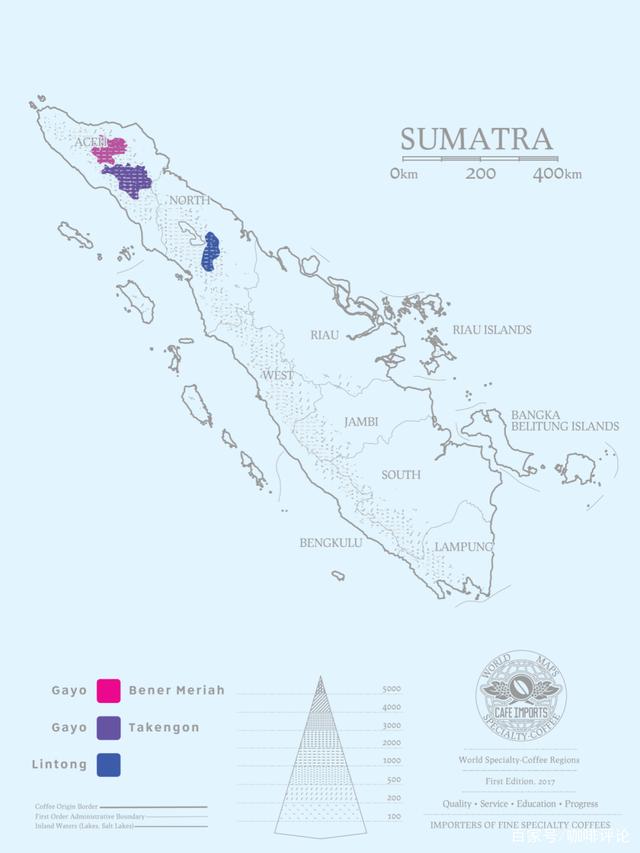
Located in Southeast Asia and composed of numerous islands, Sumatra has a diverse geographical environment and a humid, rainy climate, making it one of the regions well-suited for growing Arabica coffee. Indonesia has long been a major global coffee producer. According to data from the International Coffee Organization, in 2015 its green bean production reached 12.317 million bags, ranking second in Asia. Among these, Robusta accounts for 70–80% of total production, mainly grown in low-altitude areas such as Java and Bali due to its disease resistance and suitability for large-scale cultivation. In contrast, Sumatra primarily grows Arabica at high altitudes, with the Mandheling series being the most famous. Most of the coffee here is cultivated by small family farms, with approximately 11 million people in the country relying on the coffee industry for their livelihoods, forming a unique production ecosystem.
When mentioning Mandheling, many people first think of Golden Mandheling. However, the Mandheling family actually includes several distinctive bean varieties. For example, in the product line introduced by a well-known coffee brand, besides Golden Mandheling, there are also Lintong Mandheling, Tiger Mandheling, and Aged Mandheling. Lintong Mandheling is often regarded as the entry-level choice of the series, showcasing the most typical core flavors of Mandheling. Tiger Mandheling, though niche, offers more distinct aroma layers, making it suitable for careful tasting. Aged Mandheling, on the other hand, undergoes long-term proper aging, developing a smoother and richer taste over time, making it a choice for advanced enthusiasts.
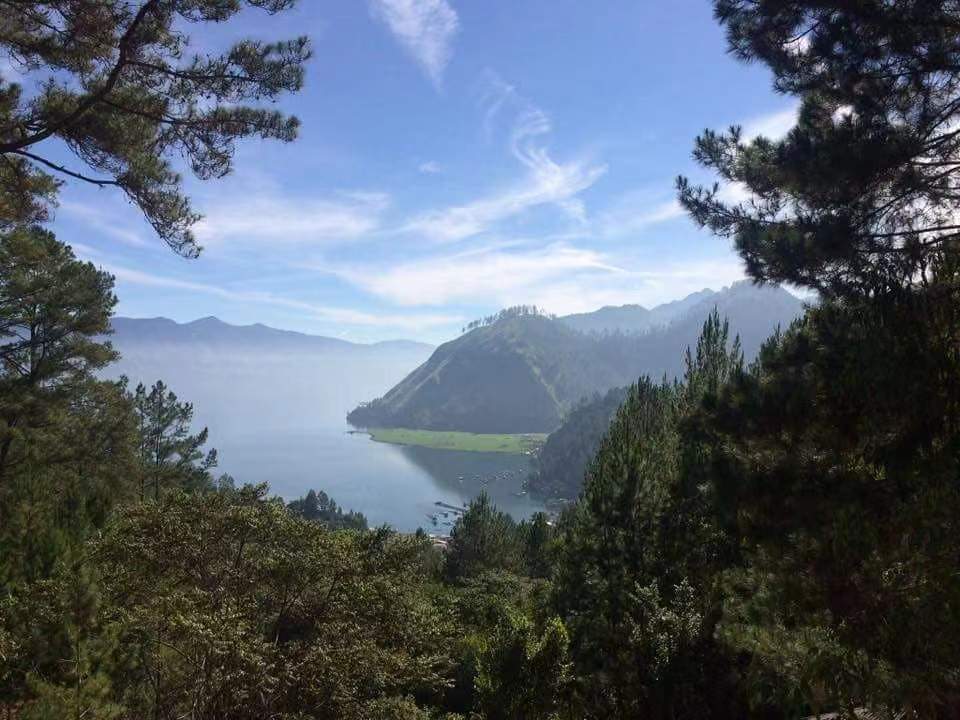
When discussing Sumatran Mandheling, the classification of “two lakes and two Mandhelings” is often mentioned. Among them, the Lake Toba region in northern Sumatra (including Lintong), with its long planting history, is referred to as “Old Mandheling.” In contrast, the Lake Tawar area in Aceh Province (such as Gayo Mountain), which started later, is categorized as “Young Mandheling.” This distinction not only reflects the regional history but also corresponds to different microclimates and flavor characteristics.
The development of coffee in Sumatra can be traced back to 1696, when Dutch colonists introduced coffee to Java and gradually expanded it to the entire Indonesian archipelago. Interestingly, although early Javanese coffee was widely renowned, a significant portion of it was actually produced in Sumatra, with Mandheling being the representative variety of the region. Over time, Mandheling has not only become a symbol of Indonesian coffee but also secured a place in the global specialty coffee market.
Regarding the origin of the name “Mandheling,” some say it was originally the name of an Indonesian tribe. After World War II, Japanese soldiers returned home with a deep longing for a memorable coffee they had tried locally. They reintroduced it through traders, and due to commercial confidentiality, the exact name could not be disclosed. The local supplier casually referred to it as “Mandheling,” and the name has been used ever since. Notably, Indonesia’s PWN Company (Pwani Coffee Company) was one of the main suppliers of Golden Mandheling exported to Japan in the early days. Its packaging specifications have also undergone adjustments—from the original 60-kilogram sacks to the current 30-kilogram size—and the producing region shifted from Lintong to the Gayo Mountain area to ensure consistent quality.
One of the most well-known aspects of Sumatran coffee is its unique wet-hulling processing method. Due to the region’s rainy and humid climate, along with economic constraints, traditional sun-drying and washed methods are difficult to implement. As a result, this regionally adapted processing method was developed. The wet-hulling process can be roughly divided into two stages: First, a wooden pulper is used to remove the skin and pulp of the coffee cherry. After about three hours of fermentation, the mucilage-covered beans are dried in the sun until their moisture content drops to 30–50%, reaching a semi-dry state. Next, the mucilage and silver skin are removed, and the beans are further dried until their moisture content reaches around 12–13%. During this process, the high friction of the hulling machines often causes minor surface damage to the green beans, resulting in the so-called “elephant ear beans” and giving the beans a grayish-green appearance. Meanwhile, the humid environment and microbial activity also contribute to the characteristic woody, spicy, and herbal notes of Mandheling, which are key to its highly recognizable flavor.
As for whether Sumatran Mandheling is suitable for espresso blends, the answer is yes. For coffee enthusiasts who are just beginning to explore Mandheling, it is recommended to start with a certain brand’s Golden Mandheling. This bean is medium-dark roasted, offering a rich flavor profile with multi-layered notes of chocolate, caramel, spices, and herbs, making it ideal for espresso or milk-based drinks. If you want to experience the classic Sumatran flavor at a more affordable price, Lintong Mandheling is a highly cost-effective choice. Additionally, for users of espresso machines or moka pots, many roasters also offer blended beans that include Indonesian beans, often paired with beans from Brazil, Vietnam, and other regions. These blends are dark-roasted to enhance body and crema, making them perfect for popular drinks like Americano or latte.
The above content is compiled by CoffeeHunters, a coffee news website.


