







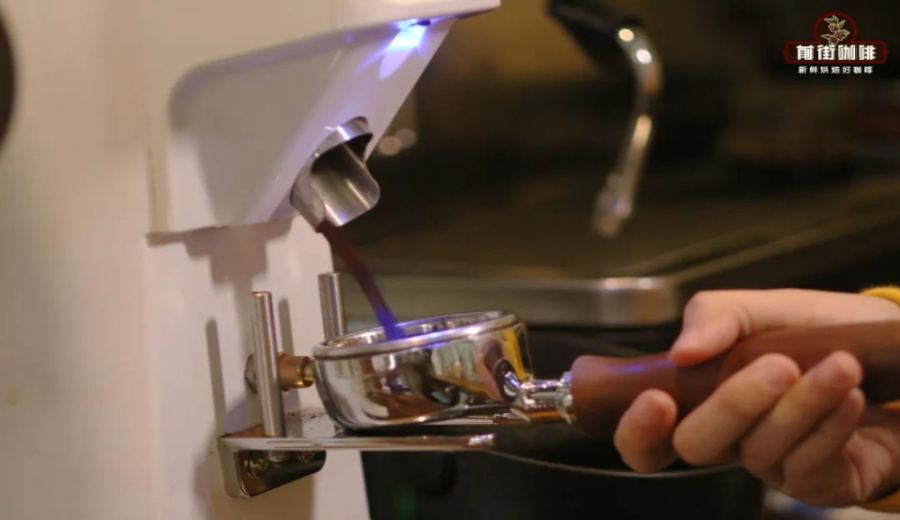
Introduction:In the process of making a high-quality espresso, grind size is one of the most critical and yet hardest-to-master variables. Even slight adjustments can significantly alter extraction results — a balanced, flavorful cup can easily tip into over-extraction or under-extraction. This article will delve into how grind size affects taste, teach you how to use a standard sieve to confirm actual particle size, provide a two-step calibration method that even beginners can quickly master, and explain why it's recommended to buy whole beans and develop a habit of daily calibration.
Among all factors that influence espresso flavor, grind size may be the most sensitive and technically demanding. Especially under high-pressure, short-duration extraction conditions, even the tiniest difference in grind setting can shift a cup from balanced flavor to extremes of over- or under-extraction. To help coffee lovers precisely master this skill, we’ll start with confirming the actual particle size, analyze the fundamental differences in precision between pour over and espresso grinders, and provide an easy-to-follow two-step tuning process for beginners. Finally, we’ll fine-tune based on taste feedback.
First, it must be emphasized that even if two grinders are of the same brand, due to internal structure, burr wear, or assembly tolerances, the actual particle size produced can vary significantly even at the same setting. Therefore, having a standard sieve to test the actual particle size distribution of your coffee grounds is a key method to ensure extraction consistency. Only through sieve analysis can you truly understand the particle state at your current setting.
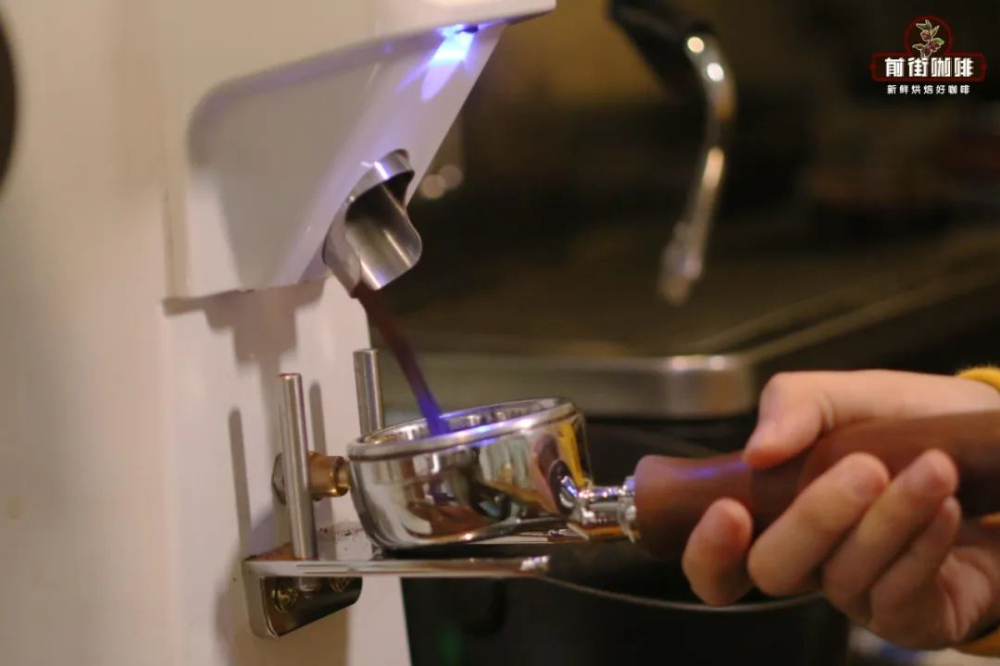
Comparing the grind needs of pour over and espresso, pour over is relatively more forgiving when it comes to particle size. For example, when using a No. 20 sieve, as long as the passing rate stays between 70% and 80%, most brews will successfully extract a coffee with clear flavor. However, espresso extraction occurs under pressure and completes in an extremely short time frame, which not only amplifies the coffee’s strengths but also magnifies any flaws. When the grind is too fine, water passes through the coffee bed much more slowly, easily leading to over-extraction, resulting in bitterness and flatness. Conversely, if the grind is too coarse, water flows through too quickly, leading to under-extraction and often producing a thin, sour, or even dull-tasting coffee. Notably, these differences can sometimes stem from just a 0.1 adjustment on the grind setting.
So, how can beginners quickly find the espresso grind range suitable for their equipment? Here are two practical and effective steps.
Step 1: Initial Grind Range Lock-In
For those new to espresso, it’s recommended to first adjust the grind to a texture close to flour — that is, when you touch the coffee grounds by hand, they feel smooth and fine, with almost no coarse particles. Then, use a standard coffee-to-water ratio of 1:2 — that is, 1 gram of coffee to 2 milliliters of water — and control the extraction time between 20 to 30 seconds. As for the dose, adjust according to the recommended value marked on your portafilter basket — for example, use 18 grams of coffee for an 18g basket, 20 grams for a 20g basket, and so on. With the dose and ratio fixed, gradually adjust the grind fineness until the extraction time falls within the ideal 20–30 second range. If the extraction time exceeds 30 seconds, it means the grind is too fine and should be adjusted coarser; if it’s less than 20 seconds, the grind is too coarse and should be adjusted finer.
Step 2: Fine-Tuning Based on Flavor and Extraction Feedback
Once you’ve found a grind setting that stabilizes the extraction time between 20 and 30 seconds using the above method, the next step is to fine-tune the flavor based on actual tasting experience. It’s important to note that the previously used coffee-to-water ratio and extraction time formula are only reference benchmarks. Due to differences in coffee bean characteristics, machine conditions, or water quality, even if the parameters meet the standards, the flavor outcome may not be ideal. Therefore, final flavor tuning still relies on actual tasting feedback. At this stage, your main focus remains on adjusting the grind size, but you can also consider optimizing the dose and coffee-to-water ratio. If the espresso shows excessive acidity and lacks body, it usually means the grind is too fine — you can try adjusting it even finer. On the other hand, if the coffee has a noticeable burnt or bitter taste, it’s recommended to adjust the grind coarser or moderately increase the coffee-to-water ratio, such as changing it to 1:1.8, to improve overall balance.
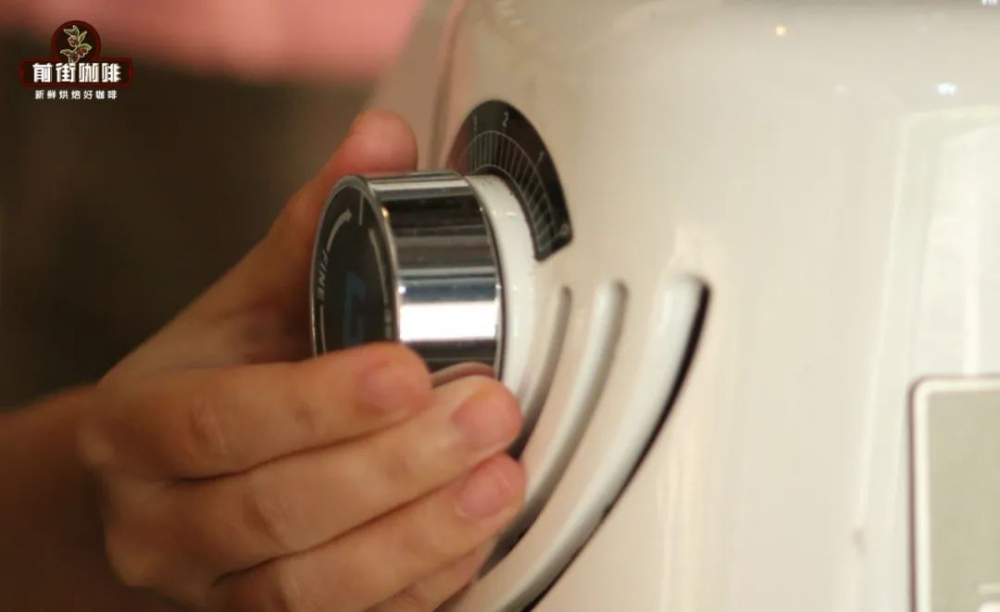
When you find a flavor you’re satisfied with, the current grind setting becomes your personal or that particular batch of coffee’s optimal configuration. It’s worth mentioning that some may ask whether buying pre-ground coffee is an option to avoid the hassle of adjustments. While some shops offer grinding services, we always recommend purchasing whole beans and grinding them yourself. There are two main reasons: First, the grind size used for espresso is much finer than for pour over, meaning the aromatic compounds and carbon dioxide in the coffee dissipate rapidly. Once these gases are largely lost, not only is it difficult to form rich crema, but the overall flavor also becomes bland or even dull. Second, espresso grind size is not static — it’s actually influenced by bean freshness, ambient temperature and humidity, and the degassing level of the coffee beans. It almost requires daily fine-tuning to ensure stable extraction quality each time. Relying on pre-ground coffee may yield decent results for the first few cups, but over time, flavor and extraction parameters will quickly become unbalanced. Therefore, if you truly want to enjoy professional-level espresso at home, learning to adjust your grind independently and consistently using whole beans is undoubtedly the surest path to mastery.
The above content is compiled by CoffeeHunters, a coffee news website.


