







Introduction:Typica is a classic variety under the Arabica species, but what’s the difference between the two? This article starts with the three primary coffee species—Arabica, Robusta, and Liberica—and takes you through their origins, distribution, and characteristics. Then it dives deeper into the evolutionary background, flavor profiles, and ideal processing methods of popular varieties such as Typica, Bourbon, Caturra, and Geisha. Whether you're a coffee novice or a connoisseur, you'll have a clearer idea of how to choose beans that suit your taste.
When drinking coffee, aside from flavor, origin, and brewing method, the variety is often a key factor that determines a coffee's style. Coffee varieties not only influence flavor direction, but also relate closely to plant disease resistance, yield, and suitable altitude. Understanding different coffee varieties helps us appreciate and choose coffee more deeply.
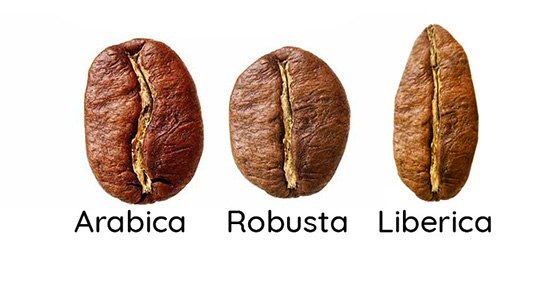
The coffee genus belongs to the Rubiaceae family, and there are only three commercially valuable species: Arabica (Coffea Arabica), Robusta (Coffea Robusta, also known as C. canephora), and Liberica (Coffea Liberica), collectively referred to as the "three primary coffee species."
Arabica is the most popular variety, originating in Ethiopia, and it boasts the richest aroma and acidity. It accounts for about 60%–70% of global coffee production and is the mainstream of specialty coffee. Robusta originated in the Congo, is highly resistant to disease but has a more one-dimensional flavor, contains roughly twice the caffeine of Arabica, and is mostly used in instant or canned coffee, making up about 30% of the global market. As for Liberica, native to Liberia, though the beans are large, they lack prominent flavors and are prone to diseases, being grown only on a small scale in a few regions.
Due to its outstanding flavor, Arabica has seen many agronomists and breeding institutions invest significant effort into variety improvement and classification. This has led to the emergence of numerous well-known sub-varieties, such as Typica and Bourbon, which are among the oldest and most representative lineages.
Typica: The Most Classic Arabica Prototype
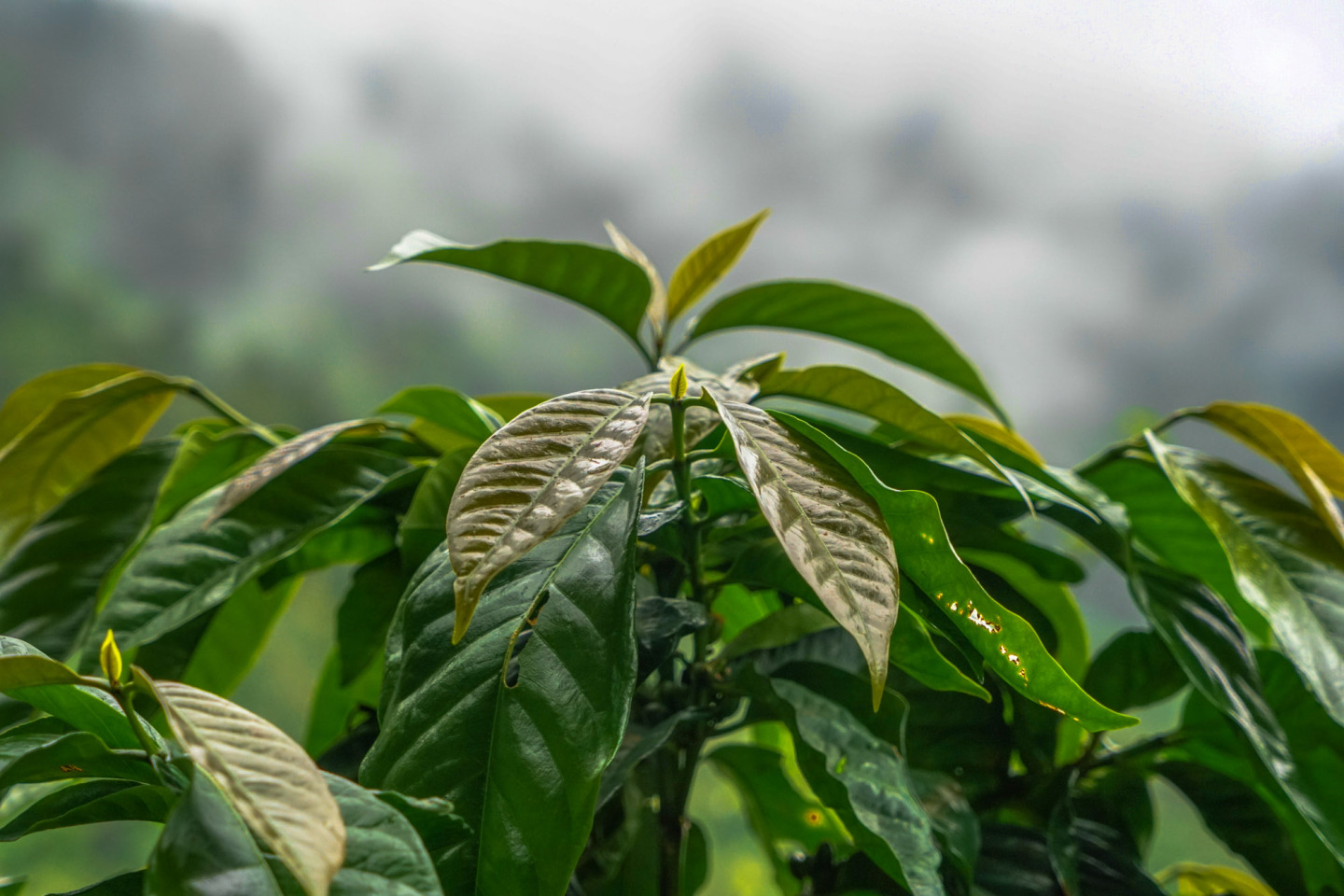
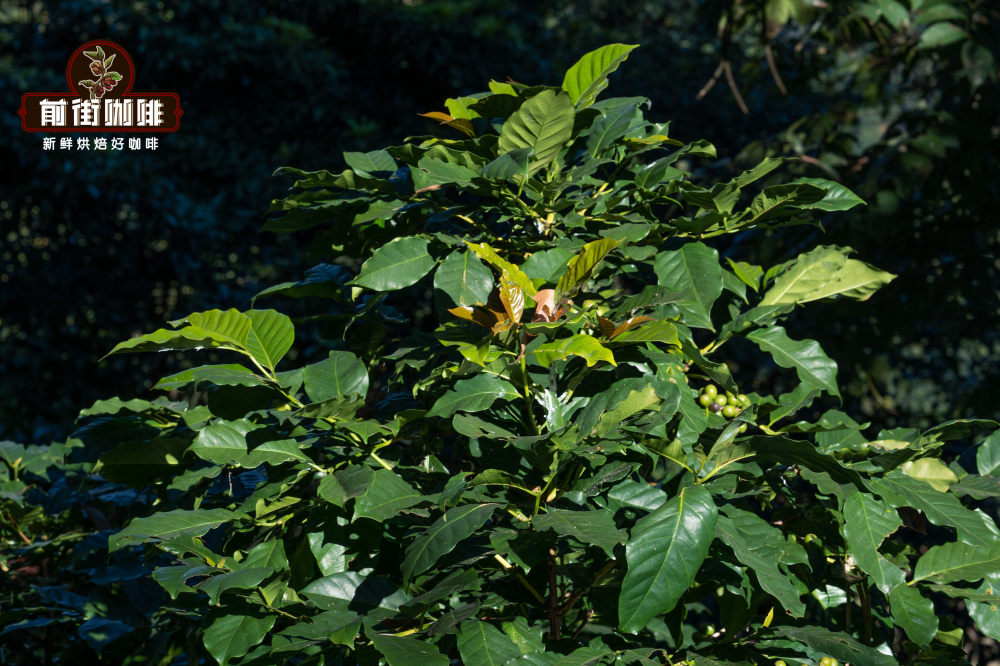
Typica is considered the variety closest to the original Arabica. It originated in the Kaffa region of Ethiopia and Yemen, offering a clean and pure taste with good body, often featuring bright citrus acidity and soft sweetness. The top leaves of Typica are bronze-colored, the beans are slender or oval-shaped, the plant can grow up to 3–4 meters tall, and the tree has an open conical shape. The leaves are slender and bronze-colored, and the berries are more elliptical than those of other varieties.
However, Typica has weak resistance to leaf rust, grows slowly, yields relatively low, and has a longer harvest period, requiring more meticulous care.Image location: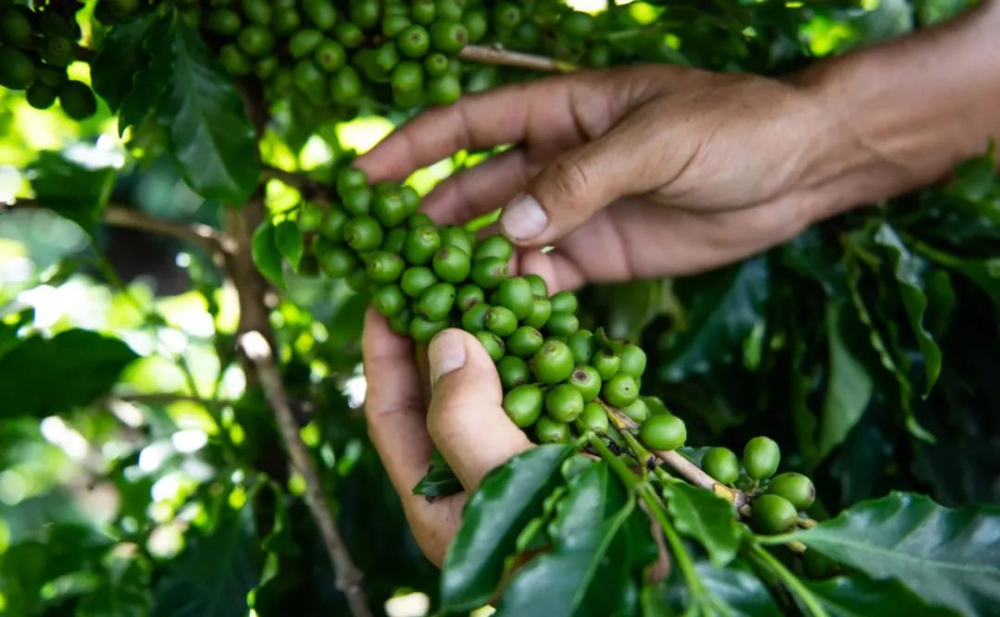
Although Typica itself has limited yield, it has evolved into various regional variants in different locations. Examples include Hawaiian Typica, Jamaican Blue Mountain, and Blue Mountain No. 1, all of which are descendants or locally adapted varieties of Typica. These usually exhibit distinctly unique flavor personalities due to differences in altitude, climate, and processing methods.
A prime example is Jamaican Blue Mountain No. 1, grown in the Blue Mountains of Jamaica at around 1310 meters above sea level, processed using the washed method, and known for its balanced and delicate flavor with clear acidity and sweetness. Additionally, Yunnan also cultivates the Typica variety at approximately 1300 meters, also using the washed method, showcasing distinctive regional characteristics.
Maragogype: A Large Variant of Typica
Maragogype is a famous variant of Typica, first discovered in the Maragogipe region of Bahia, Brazil. Its beans are about three times larger than typical Arabica beans, hence the name "elephant bean." Its flavor is relatively mild, with slight acidity and subtle sweetness, but it is not suited for dark roasting. Light roasting better highlights its delicate characteristics. Maragogype grown at high altitudes typically performs better, while at lower altitudes, its flavor tends to be bland.
Bourbon: The Representative of Round Beans
Bourbon is a variety that naturally mutated from Typica. It was originally brought from Ethiopia to Yemen, then by the French to the island of Bourbon (now Réunion Island), from which it gets its name. Its most notable feature is that its beans changed from the slender shape of Typica to a rounder form. In terms of flavor, it offers a richer acidity profile and caramel-like sweetness, with an overall balanced and complex performance.
The fruit color of Bourbon is diverse, commonly found in red, yellow, and orange. Among these, Red Bourbon and Yellow Bourbon are the most well-known. Red Bourbon yields about 20–30% more than Typica, but overall it remains a low-yield variety and is susceptible to leaf rust and pests. It is suitable for planting at high altitudes between 1100–2200 meters.
Yellow Bourbon gets its name from the rare yellow color of its ripe fruit. Flavor-wise, it often features bright fruity notes, nutty tones, and a balanced, soft acidity-sweetness, making it suitable for drinkers who prefer a smooth mouthfeel.
Caturra and Catuai: Efficient Modern Varieties
Caturra is a single-gene mutation of Bourbon, discovered in Brazil in 1937. It is shorter in stature, making it easier to harvest, and it outperforms Bourbon in productivity and disease resistance, making it suitable for high-density planting. However, Caturra demands high nutrient levels and needs adequate fertilization; otherwise, its flavor may be compromised. Its flavor often exhibits distinct fruitiness, particularly berry-like aromas, and is suitable for planting at elevations between 700–1700 meters, with higher altitudes yielding better flavor.
Catuai is a crossbreed between Caturra and the Mundo Novo variety, combining Caturra’s short stature with better fruit retention and wind resistance, making it suitable for mechanical harvesting. Though its overall flavor complexity is slightly less than Caturra’s, it still delivers good juiciness and tropical fruit notes.
Geisha: The Star Variety with Unique Flavor
Geisha originates from the Gesha mountain in Ethiopia. It was first introduced to Panama in the 1960s, but initially gained little attention due to its low yield. It wasn’t until 2004, when Geisha from Panama’s Hacienda La Esmeralda won international competitions with its unique citrus, floral, honey, and tea-like flavor profile, that it became a legendary variety in the specialty coffee world.
The Geisha tree is tall with slender leaves, fruits late, and yields low. But growing it at high altitudes (usually above 1200 meters) can bring out its delicate aromas and balanced acidity-sweetness. It often presents complex layers such as jasmine, peach, bergamot, and toffee, making it a dream variety for many coffee enthusiasts.
In summary, from the ancient Typica to the modern Caturra and Catuai, to the uniquely flavored Geisha, each variety has its own distinct historical background, suitable growing environment, and flavor characteristics. Understanding these differences not only helps us appreciate coffee more deeply, but also enables better decision-making when selecting and brewing.
The above content is compiled by CoffeeHunters, a coffee news website.


