







Introduction:An in-depth exploration of the heart of Panamanian specialty coffee — the Geisha from Hacienda La Esmeralda. From the region’s geography, altitude-specific lots, to the Red Label and Green Label grading systems, as well as the most representative processing methods and flavor profiles. We also provide practical three-stage pour over parameters and techniques to help you master the brewing essentials of this top-tier coffee.
As an emerging coffee powerhouse in Central America, Panama is world-renowned for its Geisha variety, especially those lots produced by Hacienda La Esmeralda, which have repeatedly taken top honors in international competitions. This article will fully introduce the distribution of Panama’s main coffee-growing regions, the historical background and plot management of Hacienda La Esmeralda, and analyze the grading logic behind Red Label, Green Label, and other Geisha classifications. It will take you on a comprehensive journey from origin to cup to fully understand this premium specialty coffee.
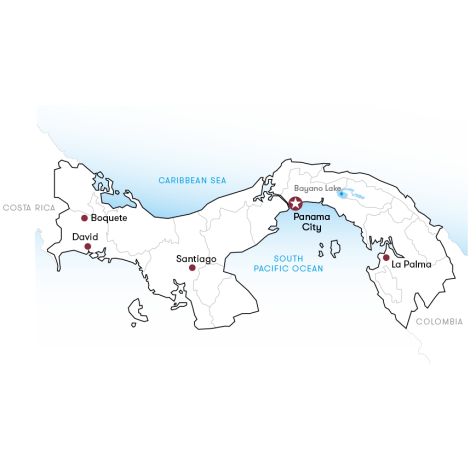
Panama is located in the narrow strip of land that makes up Central America, bordering Costa Rica to the north and Colombia to the south. Its mountainous terrain and high-altitude environment create ideal conditions for cultivating Arabica coffee. Thanks to the construction and management of the Panama Canal in the late 20th century, the country attracted a large number of North American and European immigrants and investors, including professionals such as bankers and engineers, who brought refined management practices and modern agricultural concepts to coffee farming, laying the foundation for Panama’s specialty coffee industry.
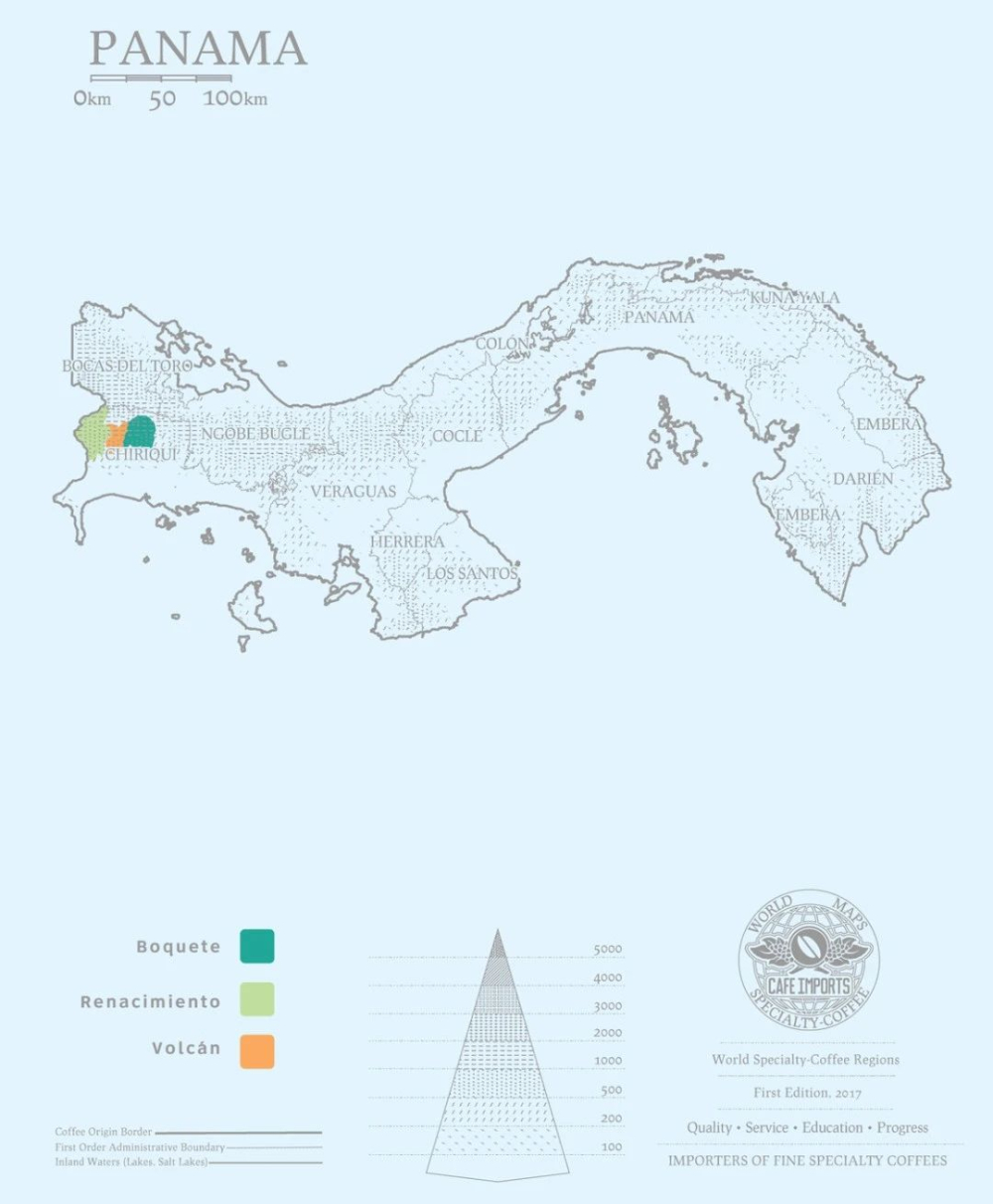
The main coffee-growing regions in Panama include Boquete, Volcán, Santa Clara, and Candelaria. Among them, Boquete, with an altitude of about 1,450 meters, is the core producing area with the largest output and the most stable quality; Volcán is even higher, at around 2,000 meters, offering a softer and more balanced flavor profile; Santa Clara is close to the canal, providing convenient transportation; while Candelaria, at approximately 1,200 meters, has gradually emerged in recent years and is regarded as a high-potential specialty-producing region.
When talking about Panamanian Geisha, one cannot overlook Hacienda La Esmeralda located in Boquete. The estate was established in 1964 and was originally purchased by a retired American banker who mainly operated a dairy farm. It wasn’t until 1987 that his son, Dr. Price, returned to the farm to manage it, introducing the varieties Catuai and Caturra, and establishing a washed processing facility in 1994. In 1996, the estate expanded further by incorporating Jaramillo, the very birthplace of the Geisha variety.
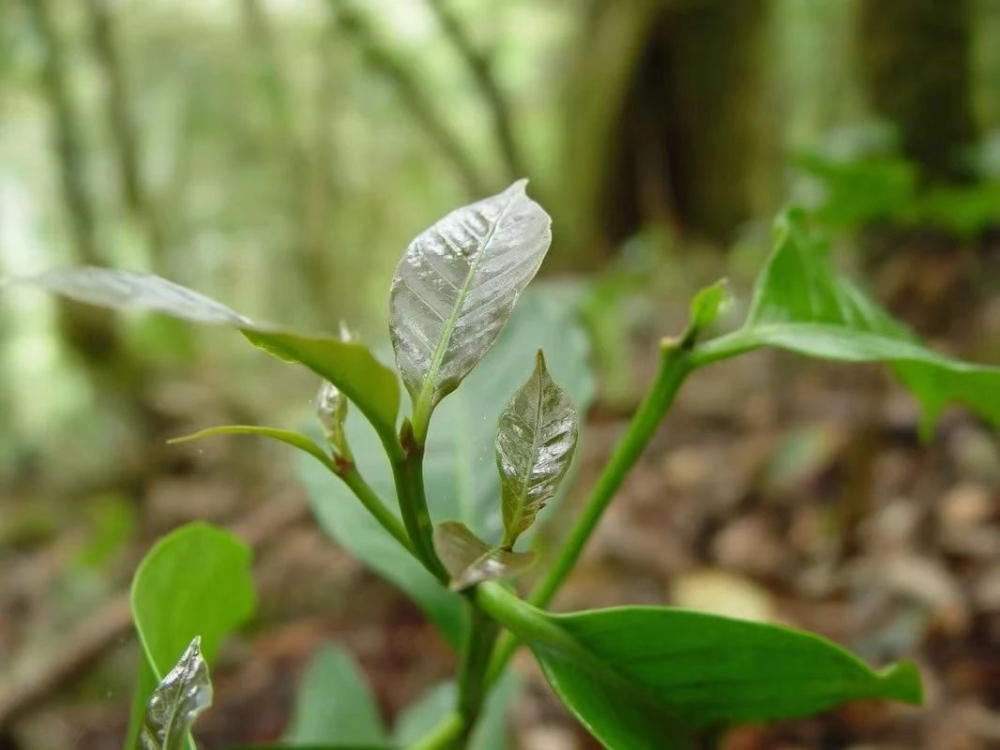
Geisha was first accidentally discovered in a high-altitude plot in Jaramillo, where its flavor was distinctly different from that of typical Panamanian coffee. After repeated cuppings and variety identification, it was eventually confirmed to be the Ethiopian Geisha. Since then, Hacienda La Esmeralda invested heavily in infrastructure, implemented rigorous lot separation and meticulous processing, steadily improving the quality of Geisha. In 2004, it won the Best of Panama (BOP) competition for the first time, achieving instant fame.
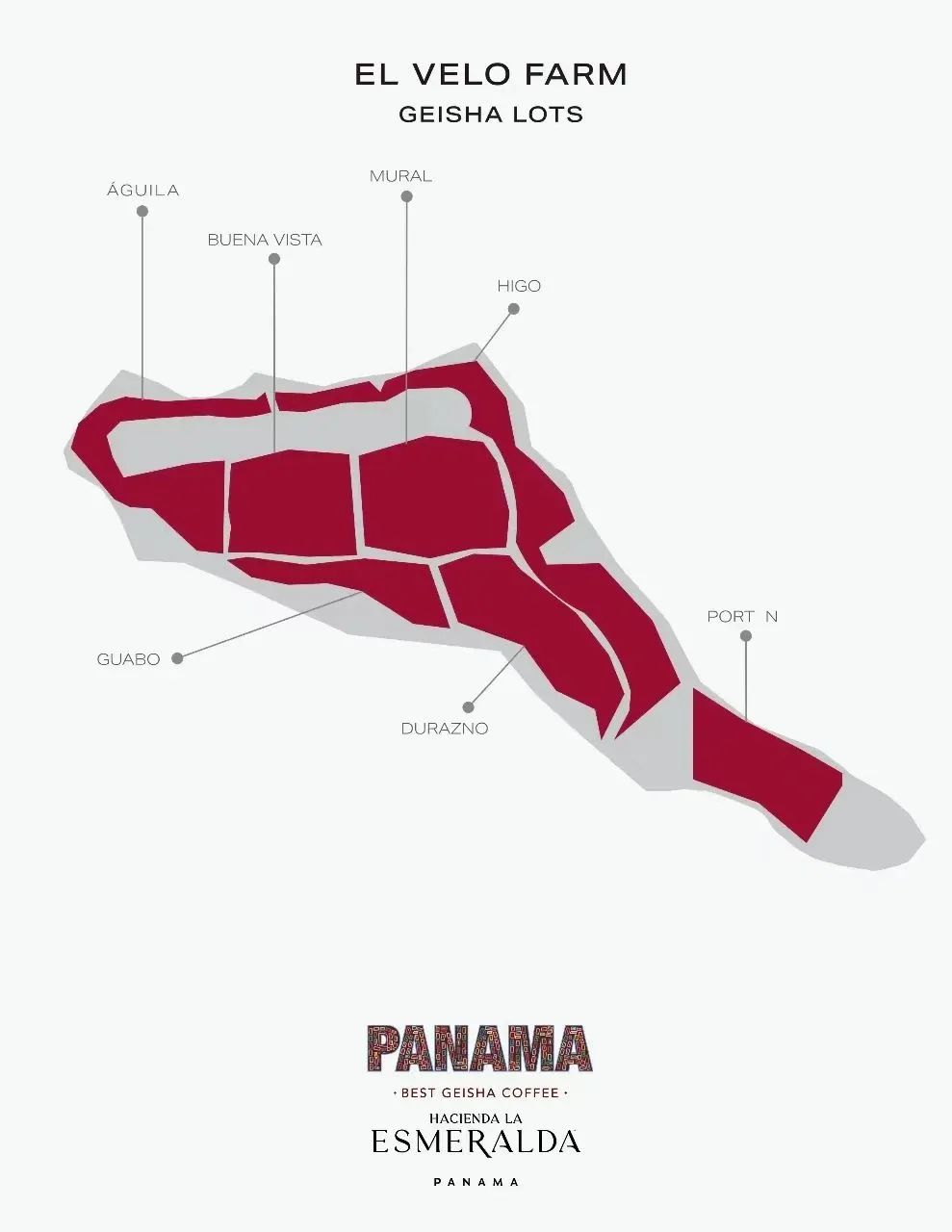
Hacienda La Esmeralda divides its Geisha-growing regions into three main plots based on altitude and microclimate: Jaramillo, Canas Verdes, and El Velo. Each plot is further subdivided into smaller sections, with detailed altitude and microclimate information marked to ensure traceability and consistency in quality.
Jaramillo and Canas Verdes are the golden producing zones for Geisha, with altitudes of about 1,600–1,800 meters and annual rainfall of 4,000 mm and 3,500 mm respectively. The significant day-night temperature variation helps the coffee cherries ripen slowly, accumulating rich flavors. El Velo, at an even higher altitude of 1,700–1,900 meters, grows not only Geisha and Catuai but also experiments with rare varieties such as SL28, Pacamara, Bourbon Pointu, and Mocha, showing great future potential.
Based on cupping results, variety, and plot, Hacienda La Esmeralda classifies its Geisha into three brand tiers: Esmeralda Special, Private Collection, and Geisha1500, corresponding to the widely known Red Label, Green Label, and regular Geisha1500. Additionally, the Catuai variety has two brands: Diamond Mountain and Pamela.
Red Label Geisha refers to Esmeralda Special, sourced from Jaramillo and Canas Verdes at altitudes of 1,600–1,800 meters. These lots must score 90 or above in cupping tests and are typically released only through the estate’s exclusive auction events. These beans are mostly processed using natural or washed methods, showcasing ultimate floral notes, citrus tones, and bright acidity, with distinct layers — representing the pinnacle of Geisha. There are also non-auction Red Labels, which, although not part of the auction, come from the same premium plots and maintain outstanding quality.
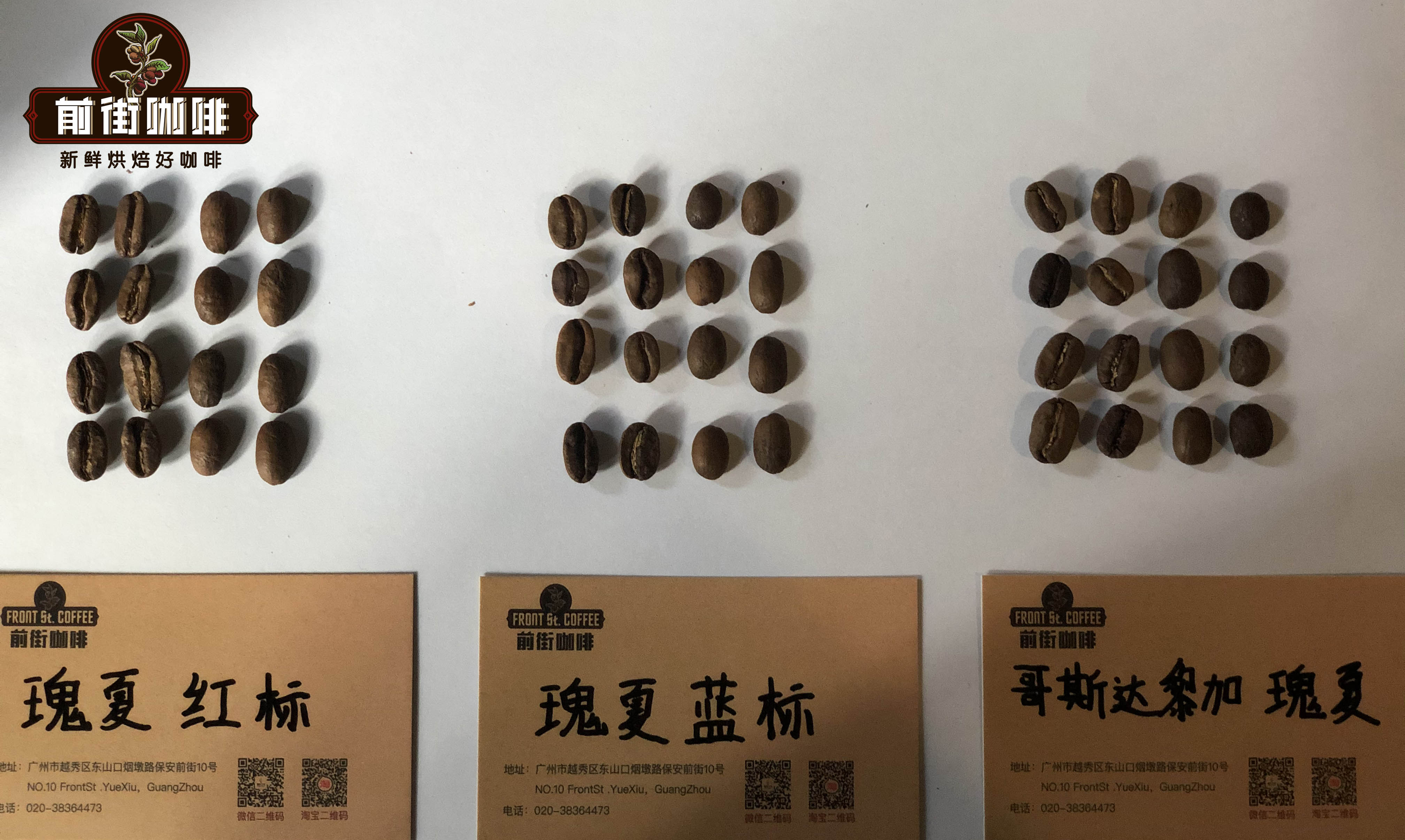
Green Label Geisha, or Private Collection, consists of non-auction lots made by blending micro-lots from various plots such as Jaramillo and Canas Verdes. While the specific plot source is not indicated, the cupping performance remains excellent. This Geisha also features classic floral, citrus, berry, and juicy body characteristics, with processing methods including both washed and natural, and a flavor profile similar yet not identical to the Red Label. Subtle variations may occur with each production.
For these light-roasted Panamanian Geishas, it is recommended to use the following pour over parameters: water temperature at 90°C, coffee-to-water ratio of 1:15 (or 1:16 to enhance layering), 15 grams of coffee grounds, and a medium-fine grind size (approximately 80% passing through a #20 sieve, similar to the coarseness of fine sugar). The slightly higher water temperature and finer grind help extract the delicate aromas and complex flavors of Geisha more effectively.
It is recommended to use a three-stage extraction method: start with a 30-second bloom using 30 grams of water, then pour in a small circular motion until reaching 125 grams for the first pour; when the water level drops and is about to expose the coffee bed, continue pouring to 225 grams, then stop and let the dripper finish draining naturally. The total extraction time should be controlled between 2 minutes 00 seconds and 2 minutes 05 seconds. This method ensures stable extraction efficiency, avoids over-extraction or sharp acidity, and achieves the best balance of Geisha’s floral-fruity notes and sweetness.
The flavor profile of Red Label Geisha often includes bright rose, citrus, and honey, accompanied by berries, apricot, rice, and a mix of fruit tones, with a full body and sweet aftertaste; Green Label Geisha is dominated by jasmine floral notes, paired with high sweetness, citrus, berries, citrus peel, orange, cantaloupe, and a creamy texture, delivering a richly layered flavor and a long-lasting, pleasant aftertaste.
The above content is compiled by CoffeeHunters, a coffee news website.


