







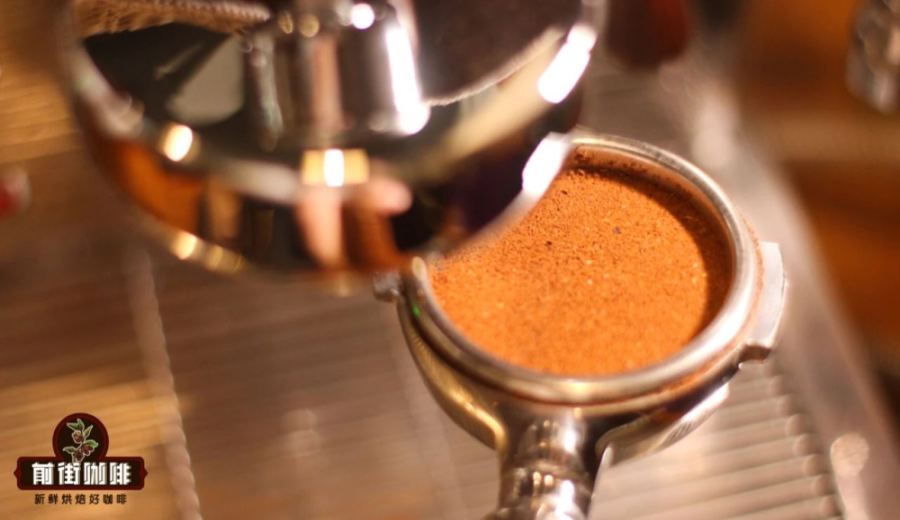
Introduction:Gain an in-depth understanding of the unique flavors and extraction principles of espresso, and master the formation mechanism and visual interpretation techniques of crema. This article details the operational differences between semi-automatic and fully automatic espresso machines, analyzes the impact of medium-dark and medium roasts on flavor, and recommends five medium-roast blends suitable for home espresso machines to help you make the right choice based on taste preferences and budget.
Espresso is renowned for its rich flavor and the delicate layer of golden crema on its surface, serving as the base for many coffee beverages. To truly appreciate its charm, it's essential first to understand its production principles and key elements. This article will start with the basic operation of an espresso machine, introduce you to the reasons behind crema formation and its impact on flavor, explore how different roast levels can adjust the taste, and finally highlight five medium-roast blends ideal for home machines to satisfy diverse palates.
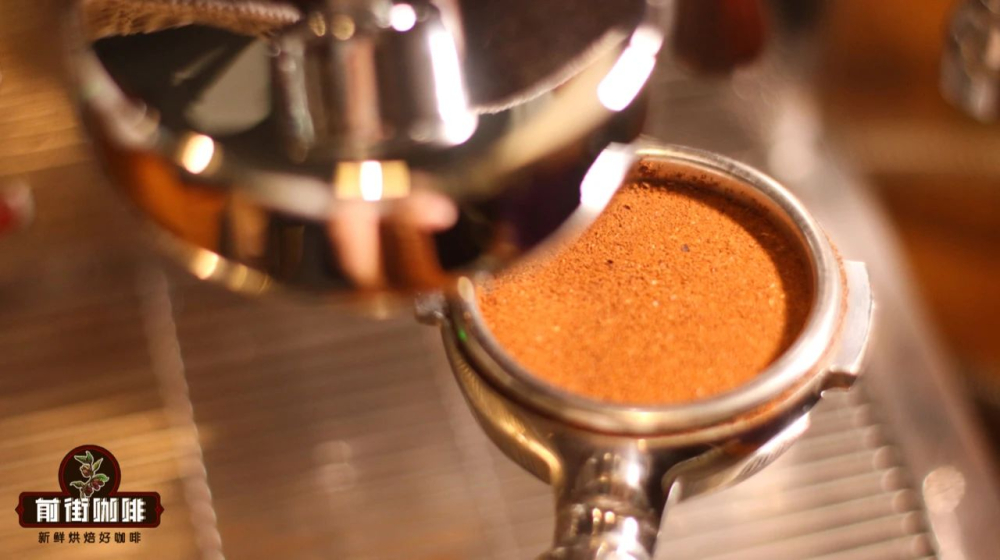
The core of an espresso machine lies in high-pressure extraction. Through an internal boiler that heats up, it generates high-temperature, high-pressure water flow that quickly passes through finely ground and evenly tamped coffee puck, typically extracting about 30 milliliters of espresso within 25 to 30 seconds. This high-pressure environment not only enhances extraction efficiency but also promotes the formation of crema. Crema is a fine layer of foam ranging from golden to dark brown, formed by carbon dioxide and coffee oils, which not only affects appearance but also directly relates to the expression of aroma and flavor.
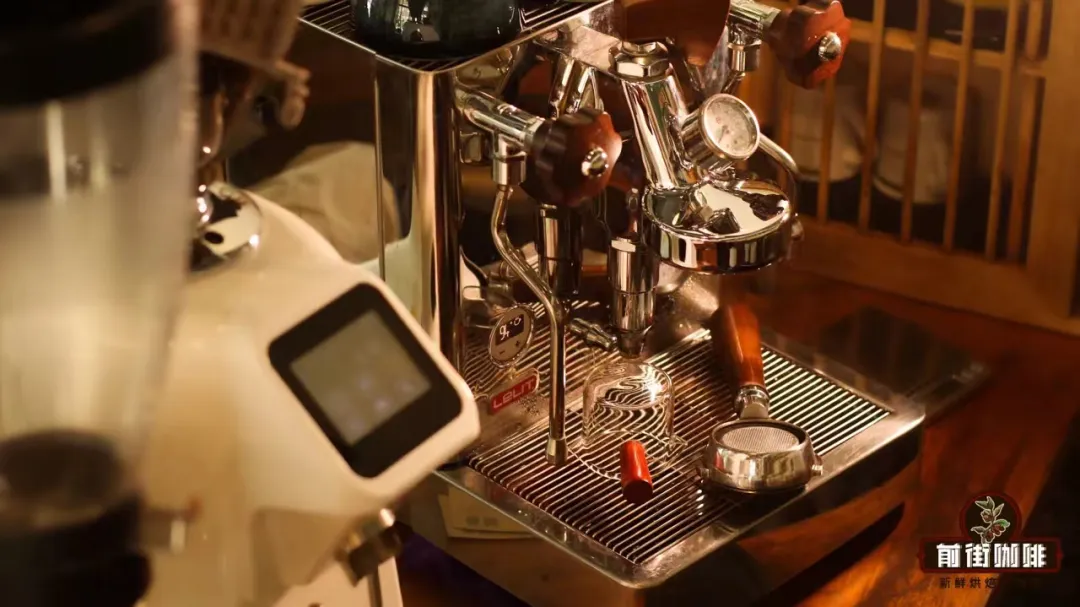
Currently, the mainstream espresso machines on the market are divided into two main categories: semi-automatic and fully automatic. Semi-automatic models usually come with one or two group heads and require manual control of extraction time and water volume, making them suitable for users who pursue flexible operation and high-quality output, especially for frequent commercial use. Fully automatic models integrate the processes of grinding, tamping, and extraction, offering more convenient operation, but the extraction time may be slightly longer, making them suitable for home users who prioritize convenience.
The formation of crema relies on high pressure and fine grinding, and its color and thickness can serve as indicators of successful extraction. Ideal crema should be fine, persistent, and float on the liquid surface, emitting a rich aroma. This layer of oil not only adds visual appeal but also slows down coffee oxidation, making the flavor last longer.
Espresso can serve as the base for many classic coffee beverages. Adding hot water turns it into Americano, offering a refreshing taste; mixing it with steamed milk transforms it into latte or cappuccino; combining it with milk foam and spices can also create various creative drinks. Different combinations give espresso endless possibilities.
In terms of bean selection, medium-dark roasts can bring out richer caramel, chocolate, and nutty notes, suitable for users who prefer a fuller-bodied taste. If you prefer a softer, brighter acidity, medium roasts are a more approachable choice. Adjusting the roast level appropriately can make espresso more aligned with personal taste preferences.
Here are five medium-roast blend recommendations suitable for home espresso machines, each with a different flavor profile that you can choose based on your personal preference:
1. Mamba Flavor Blend (Classic Italian Blend) —— Combines Indonesian Mandheling and Brazilian beans, with a small amount of Robusta added to enhance body and richness, suitable for users who enjoy a bold taste and practicing latte art. It performs excellently in crema formation, making it a practical choice for homemade lattes.
2. Fruity Flavor Blend (Strawberry Candy Espresso) —— Uses a medium roast, blending Costa Rican honey-processed beans, Ethiopian, and Colombian beans, showcasing gentle acidity and sweet flavors reminiscent of strawberry candy, ideal for users who dislike bitterness and prefer a fresh taste.
3. Nutty Chocolate Flavor Blend (Premium Italian Blend) —— Centered around Brazilian nut aromas and Colombian chocolate notes, it delivers creamy cookie and roasted nut scents, suitable for drinkers who enjoy balanced and warm flavors.
4. Commercial-Grade Balanced Blend (Commercial Italian Blend) —— Combines Brazilian, Colombian, and Vietnamese beans, with a medium-dark roast delivering intense roasty aroma and smooth texture, suitable for making everyday Americanos or lattes, offering great value and being a practical staple for home use.
5. Entry-Level Affordable Blend (Basic Italian Blend) —— Known for its soft fruit acidity, caramel sweetness, and dark chocolate notes, it has a smooth taste and affordable price, making it very suitable for beginners in espresso or budget-conscious households.

Whether you're a beginner or a coffee enthusiast looking to refine your home extraction skills, understanding the basic principles of espresso and bean selection strategies will give you more confidence in every extraction. By experimenting with different blends and roast levels, you'll be able to find the perfect shot of espresso that suits your palate.
The above content is compiled by CoffeeHunters, a coffee news website.


