







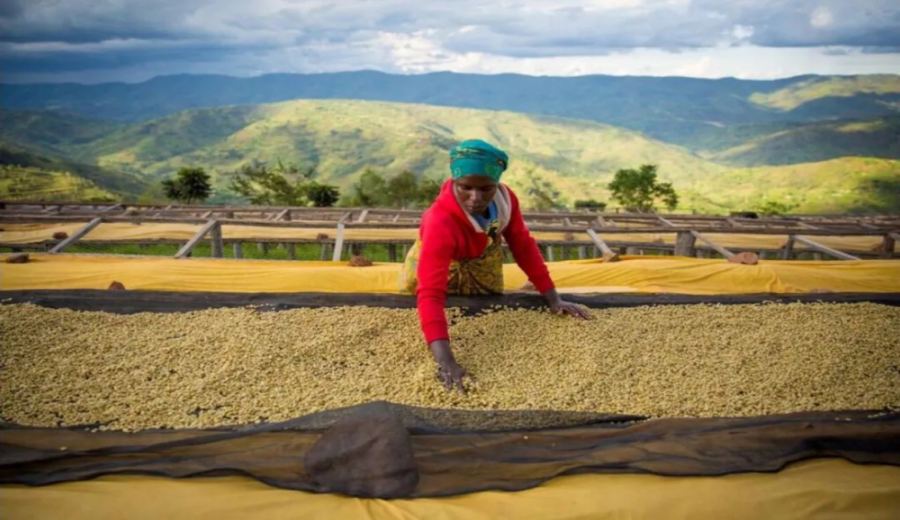
Introduction:The Granja Farm in the Yirgacheffe region of Ethiopia’s Guji zone is one of the very few specialty coffee farms dedicated exclusively to cultivating the Geisha variety. This article delves into how the farm achieves its distinctive cup profile—marked by vibrant citrus acidity, ginger flower aroma, and delicate sweetness—through greenhouse seedling cultivation, precision management, and careful selection of red cherries. It also provides recommended pour over parameters and background on the producing region to help you gain a fuller understanding of this highly sought-after specialty coffee.
Located on the East African Highlands, Ethiopia boasts unique altitude, climate, and microclimate conditions, making it one of the birthplaces of global coffee genetics. Among its many producing regions, Yirgacheffe is renowned for its bright and crisp flavor profile, and within it, the Granja Farm stands out for its focused cultivation of the single Geisha variety, demonstrating exceptional quality potential. Stepping into this highland farm, we take a closer look at its meticulous processes from seedling to harvest, as well as the unique flavors ultimately presented in the cup.
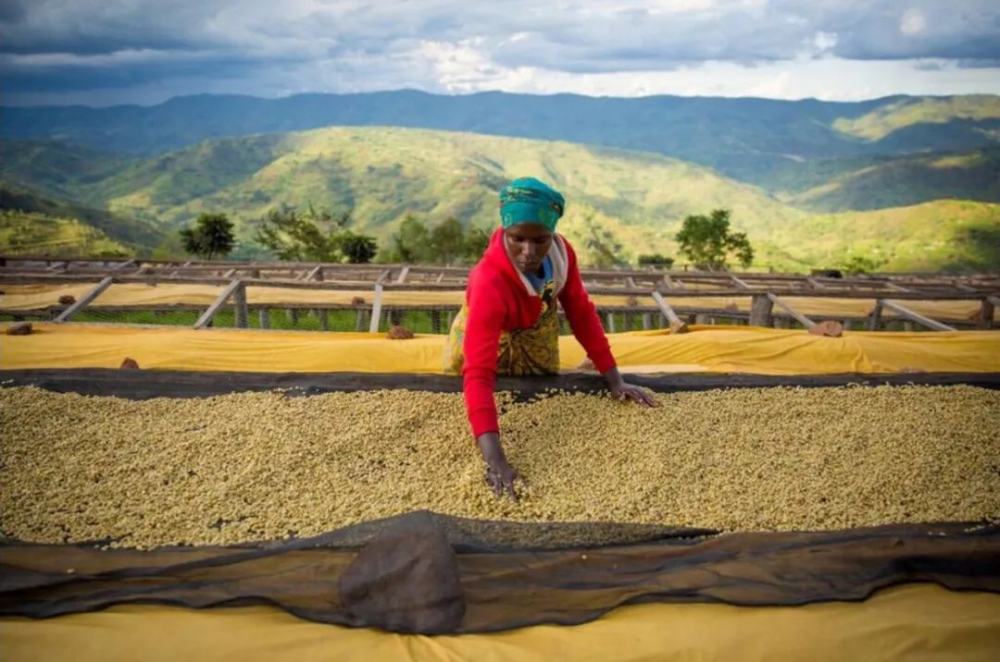
Coffee cultivation in Ethiopia is primarily concentrated in the western part of the country and along the East African Rift Valley. These areas generally lie at altitudes between 1,700 and 2,200 meters, featuring significant day-night temperature variations, moderate sunlight, and evenly distributed rainfall—ideal growing conditions for coffee trees. Every year from March to April, coffee trees enter their flowering stage, with delicate white blossoms dotting the branches, which later develop into green coffee cherries. After approximately six to nine months of growth, from September to December, these cherries turn a vivid red, signaling the optimal time for harvest. November to December marks the golden period for exporting a new season’s coffee, with many specialty beans being shipped worldwide during this time.
Coffee farming in Ethiopia can be broadly categorized into three models: forest coffee, garden coffee (also known as backyard coffee), and large-scale plantation coffee. Among them, garden coffee is the most common form. Since most smallholder farmers cannot rely solely on coffee for their livelihoods, they often intercrop coffee trees with other plants in their home gardens. Although on a small scale, this model benefits from careful daily care, and because the harvested cherries are usually sent to nearby processing facilities for unified processing, it can still produce coffee beans of commendable quality. Well-known cooperatives such as the Guji Gedeb Cooperative and the Worka Cooperative operate successfully under this collaborative model, consistently delivering coffee of good quality.
However, in recent years, with the rise of the specialty coffee market, more and more large-scale growers have invested resources into establishing professional farms, focusing on cultivating single varieties and refining post-harvest processing techniques to create estate-level coffees with distinct and well-defined flavor profiles. Geisha Village and Granja Farm are representative examples. Geisha Village highlights native Ethiopian Geisha varieties, dividing its farm into sections such as Geisha 1931, Gori Geisha, and a disease-resistant variety, and offers graded releases including Gold Label, Red Label, Green Label, and Chaka series. The Gold Label corresponds to Geisha 1931, the Red Label primarily features Gori Geisha, while the Chaka is a blend of the three, offering relatively higher value.
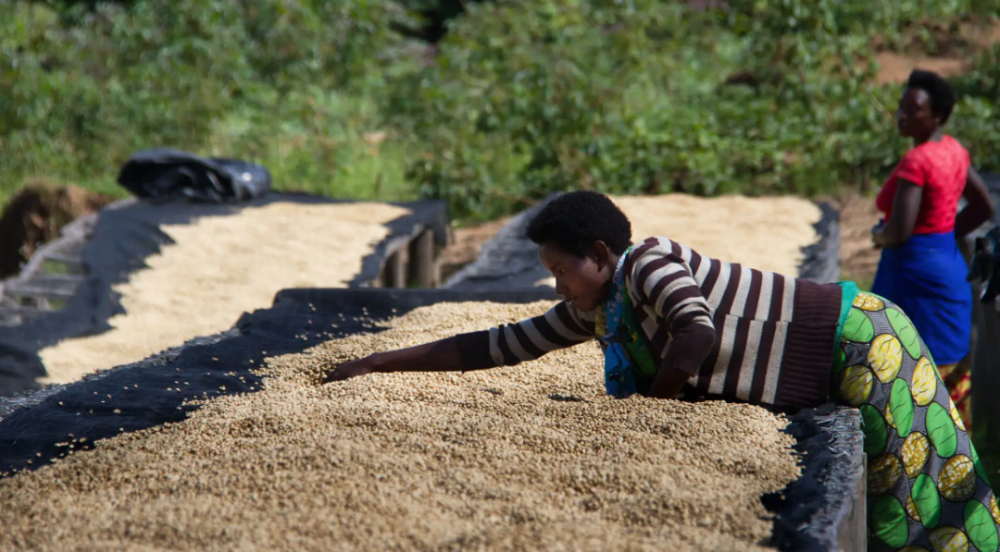
Granja Farm, on the other hand, takes a more focused approach. Located within the Granja Geisha Farm in the Yirgacheffe region, it is one of the very few farms that grow only the single Geisha variety. This farm employs a greenhouse seedling system, integrating smart technology and computerized controls to precisely regulate temperature, humidity, and light exposure, ensuring each coffee seedling can germinate and grow healthily in the most optimal environment. Additionally, during the fruit harvesting phase, the farm insists on picking only fully ripe red cherries and processes them immediately to maximize the preservation of the fruit’s natural flavors and accumulated sugars—an essential key to the extraordinary detail evident in its cup profile.
This Geisha coffee from Granja Farm, as revealed in both cupping and pour over brewing, clearly showcases a bright acidity reminiscent of citrus fruits, accompanied by a uniquely elegant aroma akin to ginger flower and tea leaves. As the temperature changes, the mid-palate reveals a gradually emerging sweetness of ripe fruit, with a smooth and delicate mouthfeel, while the finish carries the signature lingering and refined sensation unique to the Geisha variety—truly leaving a lasting impression. For coffee enthusiasts who appreciate bright acidity and complex aromatics, this bean is undoubtedly an excellent choice for exploring Ethiopia’s specialty coffee offerings.
For pour over brewing, it is recommended to use beans roasted to a medium-light level, ground to a medium-fine consistency (similar to the texture of fine sugar), with water temperature controlled between 90–92°C. Employing a pulsed or staged extraction method—such as pouring approximately 200 ml of hot water within the first 2 minutes—can effectively highlight its citrus acidity and floral notes, while balancing sweetness and body. Pay attention to maintaining a steady pour and stir occasionally to promote even extraction, thus better showcasing the full flavor spectrum of Granja Farm’s Geisha.
The above content is compiled by CoffeeHunters, a coffee news website.


