







Introduction:Typica is one of the most historically significant varieties within Arabica coffee. Originating from Ethiopia and spreading to Central and South America as well as Asia, it laid the foundation of the global coffee industry. This article will take you on an in-depth journey into Typica’s origins, spread, and cultivation traits, using Jamaica Blue Mountain as a case study to analyze how washed and natural processing methods influence flavor — helping you gain a fuller understanding of the unique charm of this classic variety.
Typica (Typica) is one of the oldest varieties within the Arabica coffee family and continues to account for a significant proportion of global Arabica production. This variety first originated in Ethiopia, Africa, then traveled through Yemen, India, Europe, and Southeast Asia, eventually establishing itself steadily in Latin America and Hawaii, exerting a profound influence on the formation of the world’s major coffee-growing regions. This article will detail how Typica made its way from its place of origin to the rest of the world, explore its plant characteristics and growing conditions, and use Jamaica Blue Mountain as a representative to compare the flavor differences brought about by washed and natural processing methods.
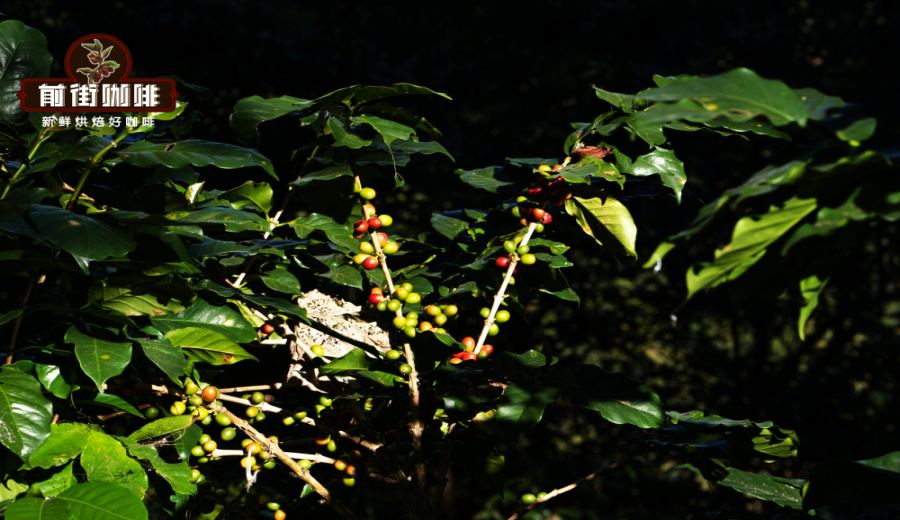
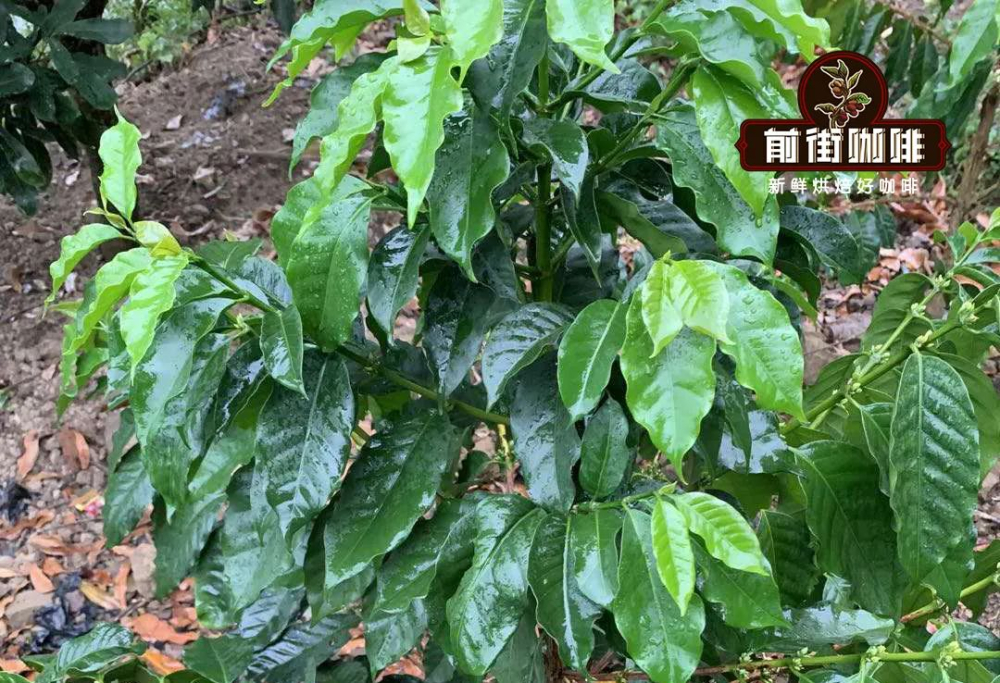
Typica is considered one of the most classic and easily recognizable coffee varieties. Its plants exhibit a typical conical shape, capable of reaching up to five meters in height, with straight trunks and branch angles ranging approximately between 50 to 80 degrees, forming a sharp angular distribution. Leaves, fruits, and green beans are generally slender in shape, with young shoots displaying a distinctive bronze color. The fruits turn bright red upon ripening, while the seeds are slender and pointedly oval — hence the name “red-tipped coffee.”However, Typica also has notable drawbacks, including relatively low yield, strong dependence on high-altitude environments, susceptibility to leaf rust, and relatively weak resistance to pests and diseases.
The history of Typica can be traced back to Ethiopia, which is regarded as the true birthplace of Arabica coffee. Although the name “Arabica” might mislead people into thinking it originated in Arabia, the variety was actually first discovered in Ethiopia. In 1753, botanist Linnaeus mistakenly believed coffee originated in the Middle East, thus naming it Coffea arabica L. It wasn’t until genetic research in 2002 confirmed that Ethiopia possesses the richest coffee genetic diversity, officially establishing it as the homeland of Arabica.
Coffee then made its way to Yemen, initially used solely as a medicinal plant. Around the year 1500, Yemeni ports such as Mocha and Aden gradually developed a culture of coffee consumption, with “qishr” and “qahwa” becoming early popular forms of coffee beverages. These drinks laid the groundwork for the socialization of coffee and also set the foundation for subsequent coffee trade.
Around the year 1600, an Indian Muslim named Baba Budan smuggled seven Typica green coffee beans from Yemen back to the Chandragiri Hills in Karnataka, India. He successfully planted and propagated them. This marked not only the first successful external spread of Typica but also the beginning of coffee’s globalization.
Europe, in the early 17th century, attempted to obtain coffee seedlings from Yemen via the Dutch East India Company. However, due to Europe’s cold climate, it wasn’t until 1616 that Dutch captain Pieter van den Broecke successfully introduced coffee trees into a greenhouse in Amsterdam, and subsequently transplanted them to Java between 1699 and 1706, officially launching the planting history in Asia. Later, Java’s Typica was further introduced to Sumatra and Sulawesi, until the late 19th century when it was gradually replaced by Robusta due to the ravages of leaf rust.
As for the Americas, in 1720 France transported a Typica seedling from Paris to Martinique in the Caribbean via naval officer Gabriel de Clieu. This single tree eventually gave rise to more than 19 million descendants, becoming the cornerstone of Typica varieties across Central and South America. Subsequently, countries such as Jamaica, Colombia, and Guatemala also introduced Typica in the mid-to-late 18th century, making it the early dominant variety in many renowned growing regions.
In 1825, Hawaii introduced an improved version of Typica, which was planted in the Kona region, leading to the development of today’s famous Kona coffee. In 1904, a French missionary planted the first Typica tree in Zhugula Village, Yunnan, China, marking the starting point of coffee cultivation on the Chinese mainland.
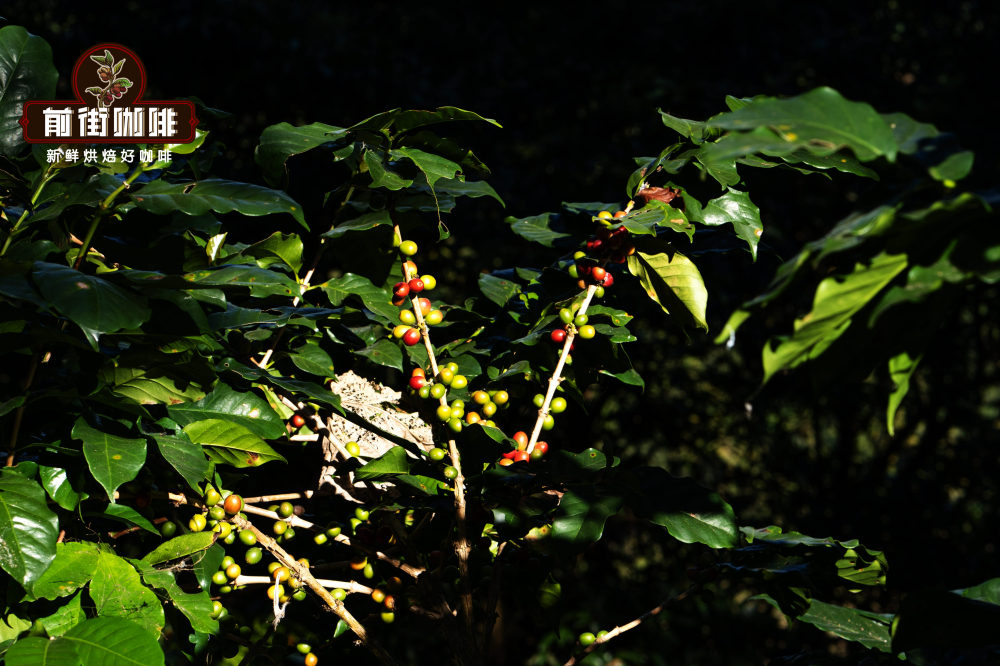
The cultivation process of Typica is relatively meticulous, with each stage — from seed selection, germination, seedling raising to transplanting — impacting the final yield and quality. When selecting seeds, priority should be given to fully mature, plump, and purebred coffee beans. During the germination phase, coffee seeds need to be soaked in warm water at around 45°C for 24 hours, then sown in medium-coarse sand and covered with straw to maintain moisture. Sprouting usually begins after about 20 days. Once the seedlings grow their first pair of leaves, they can be transplanted into nursery bags for continued growth.
Once seedling cultivation is complete, planting should be carried out in areas above 1,200 meters in altitude to ensure optimal flavor and quality. Coffee trees primarily undergo vegetative growth in the first two years after planting, and only begin flowering and fruiting in the third year. Coffee flowers are white with a strong jasmine aroma, typically blooming after the rainy season. After fruiting, the coffee cherries change from green to yellow and then to red, with only ripe red cherries being suitable for harvest.
When it comes to famous Typica-growing regions, Jamaica Blue Mountain is undoubtedly among the best. The Blue Mountains are located in eastern Jamaica, with altitudes ranging between 1,000 and 1,700 meters. They boast fertile volcanic soil, stable humid climate, and an average annual rainfall of 1,980 millimeters — making it an ideal environment for Typica. Blue Mountain Typica was introduced from Martinique in the 1720s and, after long-term adaptation, developed strong disease resistance, particularly to berry disease.
Currently, the Clifton Estate in the Blue Mountain region is the only Rainforest Alliance-certified Blue Mountain coffee farm. Prior to 2019, this farm mainly used the washed processing method, which involves removing the pulp and flesh, fermenting for 12 to 18 hours, washing to remove the mucilage, and then drying to achieve a moisture content of 12% to 14% before storage. Starting in 2020, the farm first experimented with natural processing. Although it presents greater challenges, under specific climatic conditions it can also produce distinct flavor characteristics.
In terms of roasting and cupping, washed and natural Blue Mountain coffees show markedly different profiles. Washed Blue Mountain typically exhibits bright acidity, clear nutty and chocolate notes, with balanced and clean flavors; whereas natural Blue Mountain displays richer fruitiness, berry tones, and a hint of fermentation, offering a full-bodied mouthfeel with layered complexity.
For brewing recommendations, using a medium-coarse grind (approximately 75% passing through a #20 sieve), water temperature controlled at 88–89°C, along with a 1:15 coffee-to-water ratio, can fully showcase the delicate flavors of Blue Mountain Typica. Brewing with a Kono filter cone and performing three pours can effectively control extraction evenness, delivering the optimal taste experience.
In summary, Typica is not only a historical symbol of coffee varieties but also a vital cornerstone of global coffee culture. From the primeval forests of Ethiopia to the misty highlands of Jamaica, Typica, with its unique adaptability and flavor profile, continues to influence coffee lovers around the world. Understanding its history and traits will help us better appreciate the story behind every cup of coffee.
The above content is compiled by CoffeeHunters, a coffee news website.


