







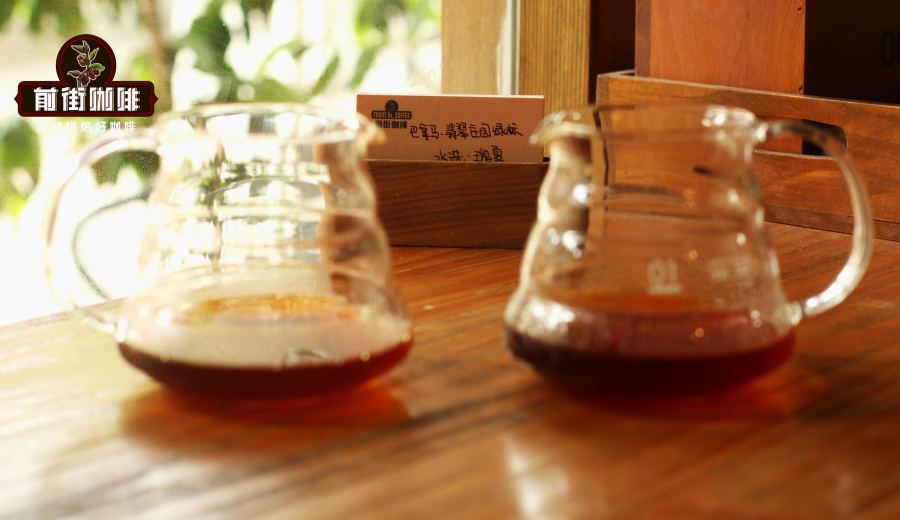
Introduction:Want to know how Yunnan-grown Geisha compares to the Panamanian version? This article delves into the origins of the Geisha variety, its introduction to Yunnan, and how terroir in both regions influences the coffee’s flavor. From altitude and climate to post-harvest processing techniques, we’ll give you a comprehensive understanding of what makes Yunnan Geisha unique, along with an analysis of its actual cupping flavor profile.
Geisha coffee is globally renowned for its vibrant floral aromas, distinct citrus and peach acidity, and its delicate, elegant mouthfeel paired with a distinctive flavor profile. These qualities have earned it a respected place in the specialty coffee market. However, such outstanding performance comes from its high sensitivity to growing conditions and extremely low yield, which contribute to its premium price and rarity. This article will detail how Geisha made its way from Panama’s Hacienda Esmeralda to the international stage, and further to Yunnan, China—exploring its varietal origins, cultivation evolution, and local flavor transformation.
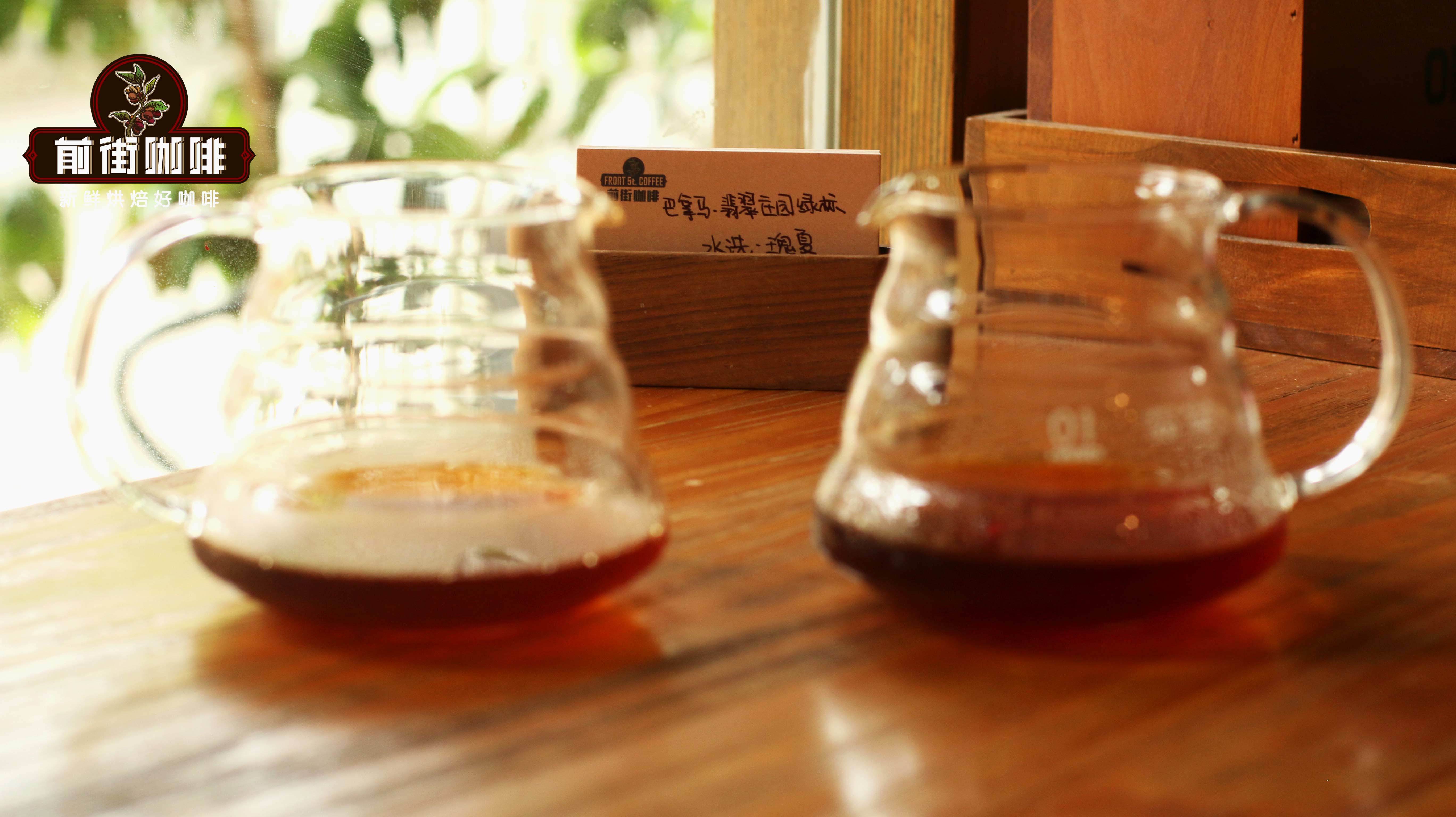
The flavor profile of Geisha coffee is often described as layered, with intense floral notes and bright acidity from citrus and peaches, along with a silky-smooth mouthfeel. Its finish can even carry a sweet aroma reminiscent of oolong tea. This almost fruit-tea-like experience is actually the result of a combination of factors including variety, altitude, soil, climate, and post-harvest processing. As an agricultural product, a coffee’s performance is closely tied to the terroir of its growing region, while post-harvest techniques are responsible for maximizing the expression of these characteristics.
Due to its extremely low yield, Geisha has remained highly scarce in the market. Statistics show that Panama’s total annual coffee production is around 10,000 metric tons, while the renowned Hacienda Esmeralda produces only about 150 bags of green beans annually—equivalent to roughly 9,000 kilograms. If only 3% of that is Geisha, the annual output would be just around 270 kilograms. With continuous media attention and market hype, Geisha prices have naturally soared, making it a highly sought-after item for many coffee enthusiasts.
Compared to typical Arabica varieties, Geisha not only has a lower yield per plant but is also relatively fragile and demanding in terms of environmental conditions. It thrives at high altitudes, in nutrient-rich soils, and requires moderate shading, unable to withstand intense direct sunlight. Moreover, Geisha has thinner leaves and slower root development, resulting in less efficient photosynthesis and slower nutrient absorption, leading to naturally limited yields. Additionally, due to delayed fruit ripening at high altitudes, its yield per plant is only about half that of the Caturra variety—another reason for its high price.
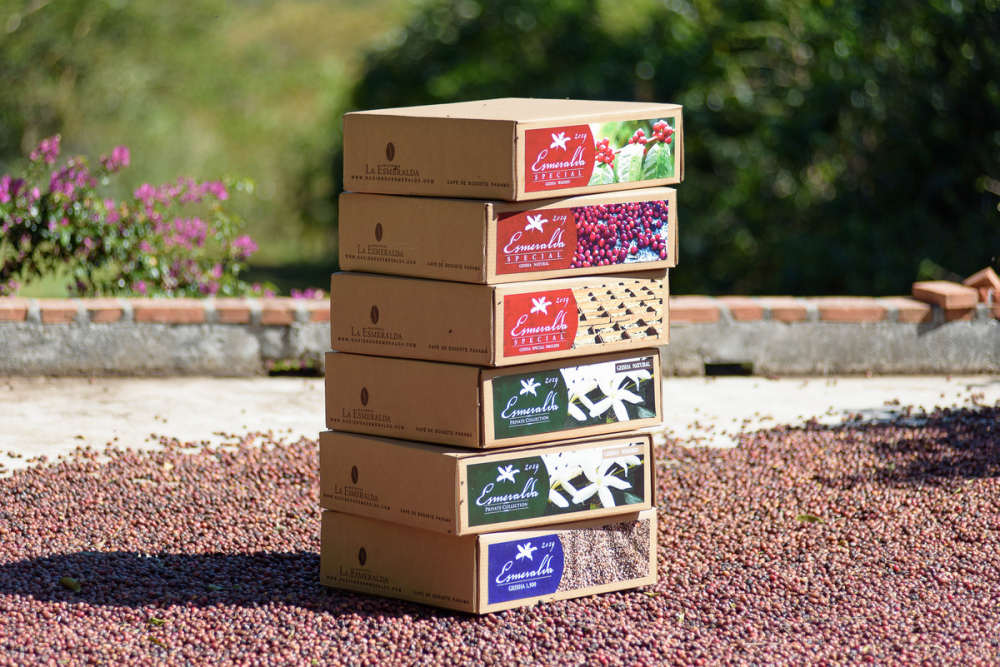
The international reputation Geisha enjoys today is largely thanks to Panama’s Hacienda Esmeralda. According to the farm’s third-generation owner, Daniel, after years of variety selection and testing, he confirmed Geisha’s potential in 2003. Interestingly, two weeks before the Best of Panama (BOP) competition that year, he unexpectedly discovered during an internal cupping session that Geisha exhibited a complex and unique combination of flavors—including jasmine, citrus, peach, blueberry, bergamot, and sugarcane. Despite these characteristics differing from the then mainstream market preferences, he decided to enter Geisha into the competition—and won first place.
In 2005, Hacienda Esmeralda submitted Geisha to the international evaluation by the Specialty Coffee Association of America (SCAA). Not only did it defeat numerous strong competitors, but it also claimed the world championship title in both 2006 and 2007, further solidifying its status as a top-tier specialty coffee. Since then, the Geisha variety has gradually been introduced to coffee-growing regions around the world, including Yunnan in China.
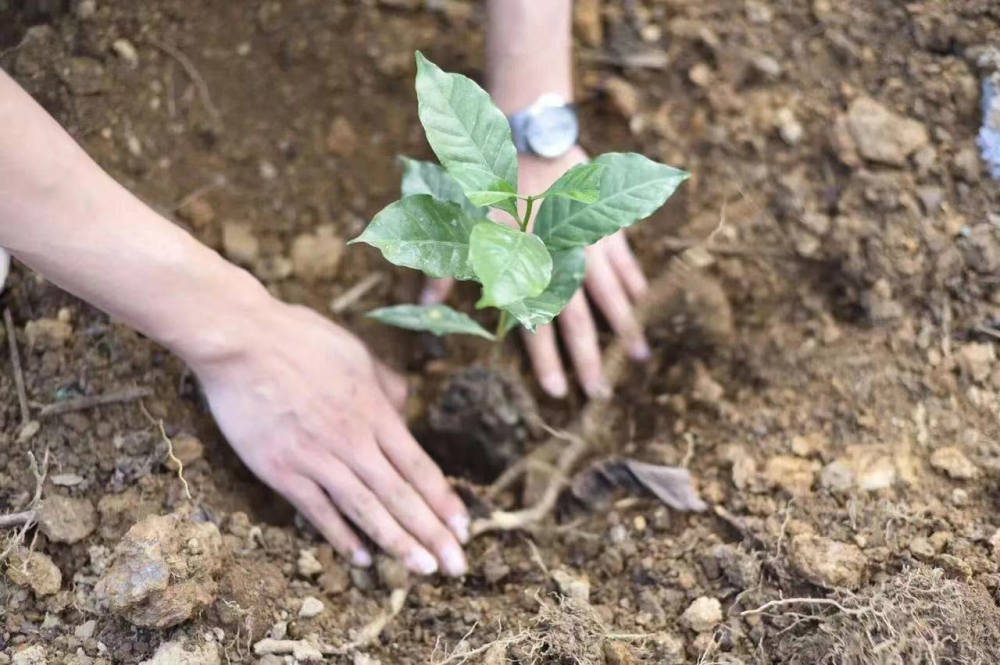
Yunnan’s history of planting Geisha is relatively short, dating back to around 2012. It is understood that the initial Geisha coffee beans planted were the Green Tip Geisha variety imported from Panama’s Elida Estate, with only about 10 trees planted initially—and the whole process was carried out very cautiously and on a small scale. Typically, it takes about three to four years from coffee seedling cultivation to the first harvest, so it wasn’t until around 2016 that Yunnan Geisha gradually entered the public eye and the second batch of plants began to be cultivated.
It is worth mentioning that Green Tip Geisha is considered a higher-grade type among Geisha green beans. Although most Geisha grown in Central and South America, as well as parts of Asia, may trace back to the T2722 variety labeled by CATIE in Costa Rica, the reality varies from farm to farm—with cross-pollination and seed exchanges occurring from time to time. Moreover, not all Geisha varieties originate from CATIE; some may have been introduced between farms.
The person in charge of Hacienda Esmeralda once mentioned that early botanical records described the Gesha variety as typically having bronze-colored young leaves and offering average cupping flavors, though it demonstrated good resistance to fungi. In contrast, Panamanian Geisha features light green young shoots, outstanding cupping profiles, and resistance to leaf rust—but is comparatively weaker against coffee leaf spot disease (commonly known as Ojo de Gallo). Currently, there is no definitive academic consensus on whether Panamanian Geisha is identical to T2722.
As Yunnan Geisha has gained more attention, other local farms have also claimed to have planted Geisha seeds imported from Hacienda Esmeralda in Panama, further expanding the cultivation of this variety in Yunnan.
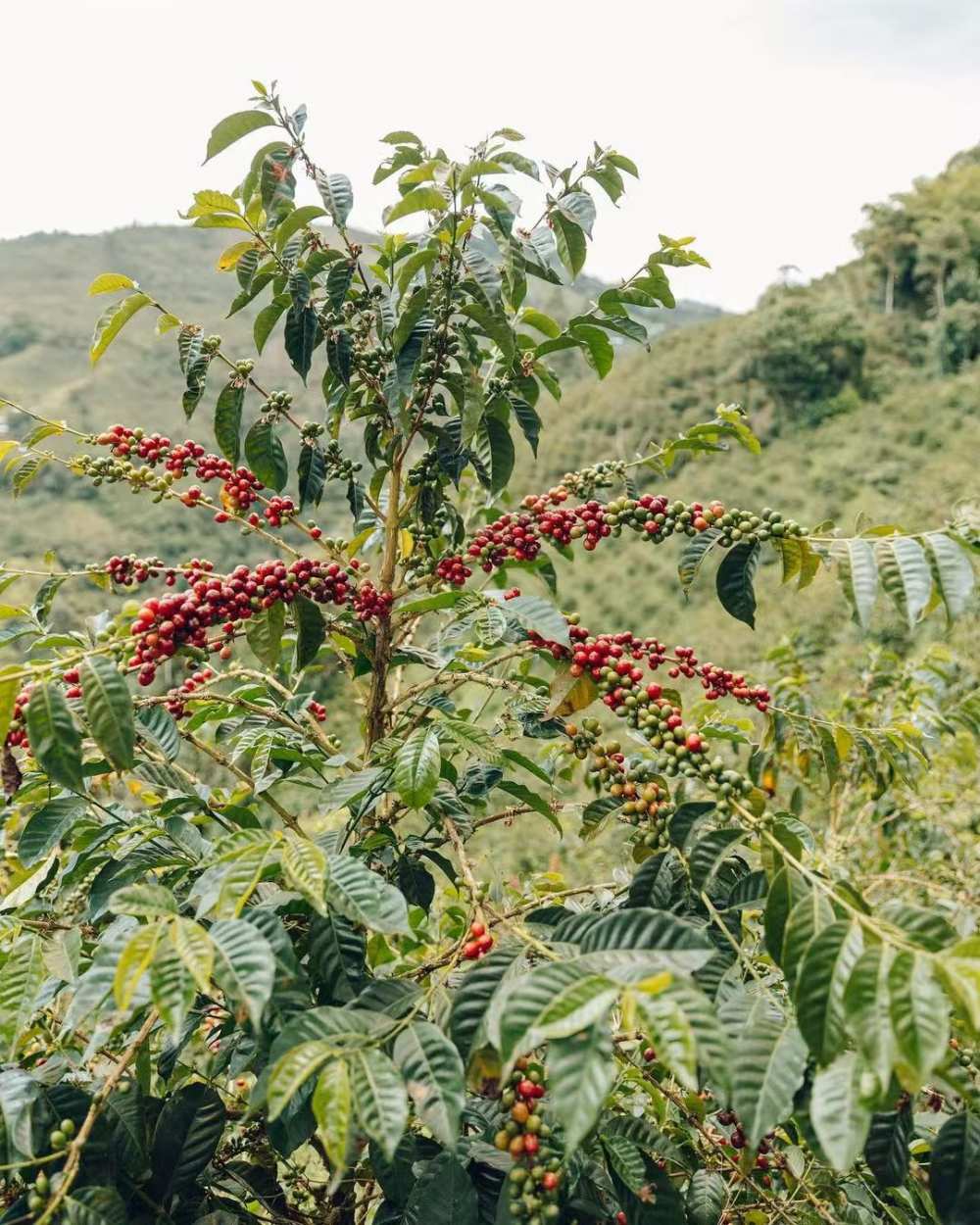
Although most sources indicate that Yunnan Geisha likely originates from Panama, its actual flavor profile shows significant differences compared to the Panamanian version. The exceptional flavor of Panamanian Geisha is inseparable from its high-altitude cultivation environment and complex, variable climatic conditions—which force the variety to continuously adapt, thereby developing a unique flavor profile. In addition, Geisha’s need for shaded environments to avoid sun damage is also a notable characteristic of its cultivation.
In contrast, coffee cultivation in Yunnan currently mostly employs direct sunlight methods. However, Yunnan’s sunlight intensity is not as strong as in Central and South America, its altitude is relatively lower, and its climate is warmer with smaller day-night temperature variations. These factors make the growing conditions for Geisha in Yunnan relatively “easier,” with faster fruit ripening. Under such terroir conditions, Yunnan Geisha’s flavors tend to lean toward more straightforward berry acidity, black tea notes, nuts, and brown sugar tones—offering an overall profile that is less nuanced and rich than the Panamanian version.
To enhance the body and complexity of Yunnan Geisha, many producers adopt post-harvest processing techniques such as anaerobic fermentation. By creating a precisely controlled sterile fermentation environment, these methods impart additional fermented notes to the beans while increasing overall body. Additionally, combining with sun-drying can further enhance sweetness, making the flavor profile more complete.
In actual cupping experiences, Yunnan-grown Geisha typically exhibits a relatively balanced flavor profile, with berry acidity, black tea notes, and nutty undertones as the main features. Floral notes are not particularly prominent. Overall, its performance is rather moderate, yet it still retains the gentle tonality unique to the Yunnan growing region—making it suitable for coffee lovers who prefer stable and easy-to-drink flavors.
The above content is compiled by CoffeeHunters, a coffee news website.


