







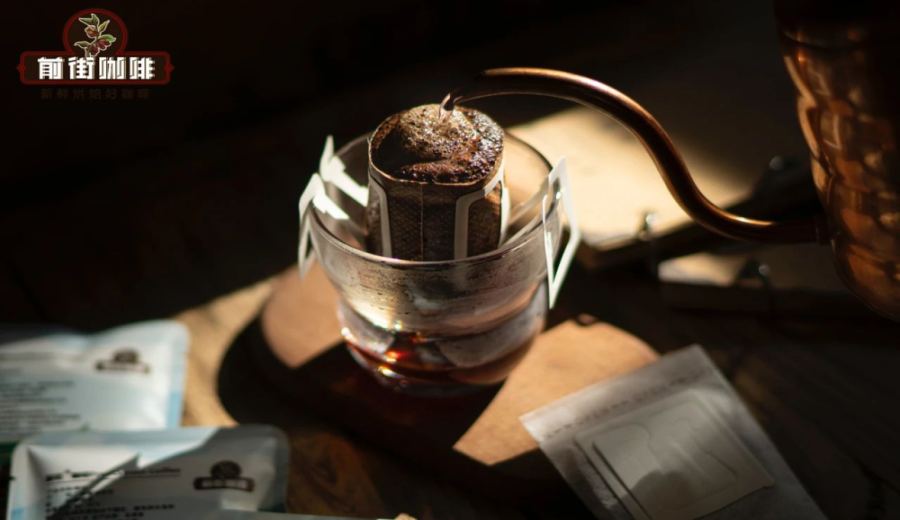
Introduction:For busy professionals, pour over coffee is not only a great pick-me-up but also an expression of life’s ritualistic charm. But with so many coffee beans to choose from, how do you select beans that suit your taste while ensuring freshness? This article explores three key factors—roast date, packaging and storage, and flavor preference—to analyze the selection logic that impacts pour over flavor. It also features seven coffee beans of different styles, covering nutty profiles, bright acidity, and rich body, helping you precisely find your first or next ideal daily brew.
For professionals who rely on coffee to boost energy, a daily cup has become a habit, but few truly know how to choose high-quality pour over beans. Finding beans that match your personal taste and offer consistent quality is actually something that can be learned: freshness is the foundation of flavor, and roast date, packaging method, and storage habits all directly affect the final brewing performance. This article will focus on three key selection points, along with a curated list of seven uniquely styled coffee beans—from mild nutty tones to vibrant floral acidity—to help beginners quickly identify the right choice for them.
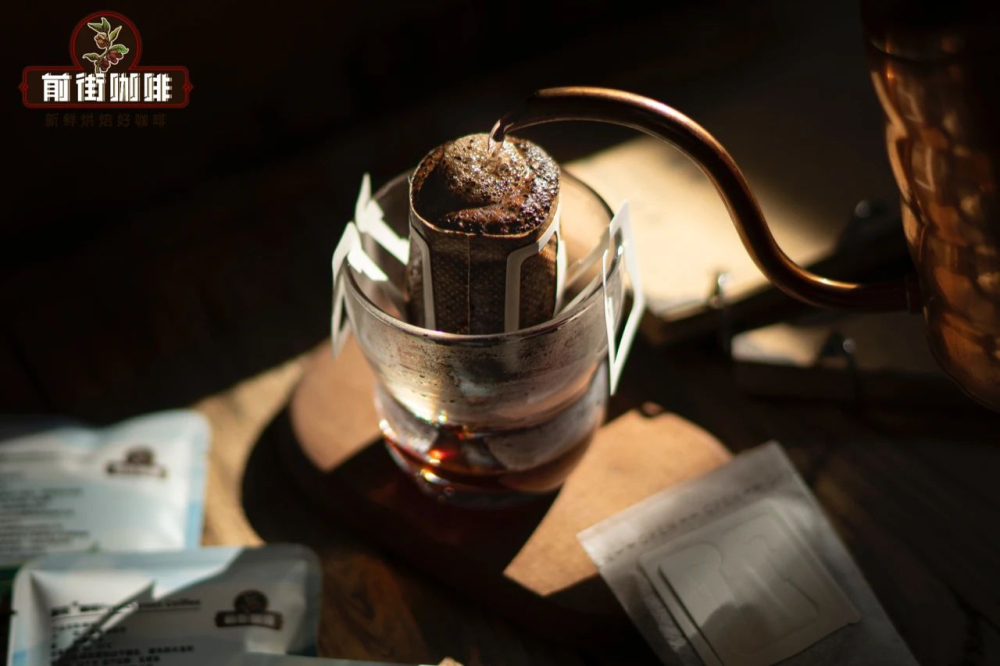
Observations show that most professionals have developed the habit of drinking coffee daily to relieve fatigue and work stress, which over time becomes a daily dependency. However, very few truly understand coffee knowledge. If you want to choose a pack of pour over beans that fits your needs, where should you start?
Coffee beans are essentially the seeds of coffee trees, and when selecting them, freshness is the most critical factor—especially for high-quality beans, where freshness almost entirely determines the level of flavor expression.
Focus Point One: Roast Date
When you get a pack of coffee beans, don’t rush to check out—be sure to confirm the roast date before deciding. It’s important to distinguish between “best-by date” and “expiration date”—the latter may be several months or even a year, but the former is usually just a few weeks, representing the optimal window for flavor.
Reliable sellers will typically clarify two things: first, the best-by period for coffee beans is generally between 4 to 30 days after roasting (actual duration varies by bean type and roast level); second, they recommend buying only what you need to avoid stockpiling, ensuring each brew delivers full-bodied aroma.
Focus Point Two: Coffee Bag Material
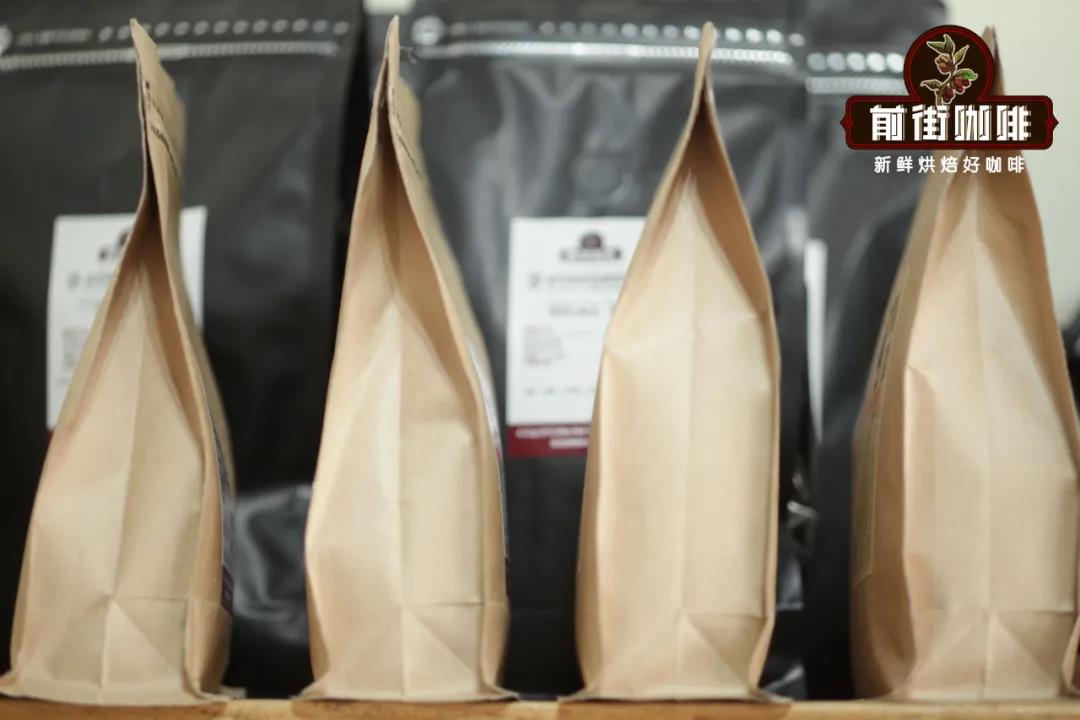
Packaging is equally important. Quality sellers often use aluminum foil bags with one-way degassing valves (the small button-like opening on the bag), allowing carbon dioxide released by the beans to escape while blocking external oxygen. The three biggest enemies of coffee beans are: oxygen (causing oxidation and flavor loss), light (accelerating spoilage), and a damp environment (encouraging mold growth).
Two additional reminders: never grind whole beans in advance for storage (powdered coffee has a larger surface area exposed to air, leading to faster flavor decline), and don’t store coffee beans in the refrigerator (temperature changes can cause condensation, which damages quality).
Focus Point Three: Choose Based on Personal Flavor Preference
The following seven coffee beans cover a variety of flavor types, allowing you to choose based on your own preferences:
1. Brazilian Cerrado Red Bourbon
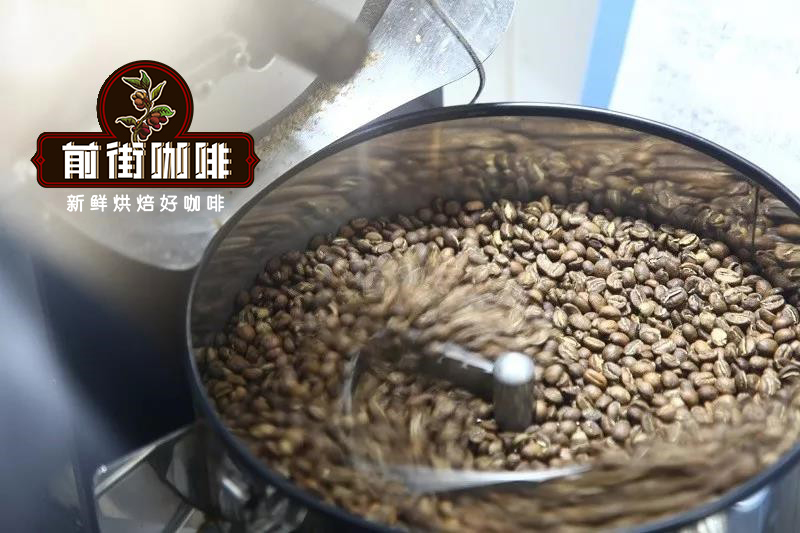
Flavor Profile: Dominated by a mellow, nutty character, with distinct notes of chocolate and creamy peanut.Ideal for beginners practicing pour over.Medium roasted, easier to handle than light roast beans, with a low brewing threshold, affordable pricing, and great value. Not only does it perform excellently in pour over, but it also delivers stable flavors when used in moka pot, French press, or even espresso machines—making it a true “all-rounder” option.
2. Ethiopian Washed Yirgacheffe
Flavor Profile: Classic Yirgacheffe style, with prominent citrus and floral notes.The go-to choice for acidity lovers starting out.Many people’s first experience with acidic coffee begins with Yirgacheffe. This washed-process bean is suitable both for practicing pour over skills and as a daily brew.
3. Panamanian Geisha Flower Butterfly
Flavor Profile: A blend of 70% Geisha and 30% Caturra, Catuai.Known as the “people’s Geisha” and the “king of value.”Delivers clean, distinct floral notes paired with citrus and honey—classic Geisha characteristics—with vivid flavor layers and an affordable price.
4. Costa Rican Tarrazú
Flavor Profile: Washed process, showcasing sweet orange and citrus flavors.With soft, well-balanced acidity,along with gentle nutty aromas, offering an overall refreshing and pleasant taste.
5. Colombian Huila
Flavor Profile: Traditional washed process paired with medium-dark roast, releasingrich notes of nuts, chocolate, and caramel,with a smooth fruity finish. Affordable and full-flavored, perfect for experiencing the classic traits of Colombian coffee.
6. Yunnan Peaberry
Flavor Profile: Available in small packaging.Balanced presentation of nuttiness, brown sugar sweetness, and soft fruit acidity.Mild in both acidity and bitterness, great value—making it an ideal entry point for trying high-quality domestic growing regions.
7. Indonesian Mandheling
Flavor Profile: As a representative of Asian Arabica,dark roast highlights notes of caramel, spices, herbs, and dark chocolate.Boasts a rich, bold body with unique herbal and piney aromas, suitable for those who prefer a heavier mouthfeel.
The above content is compiled by CoffeeHunters, a coffee news website.


