







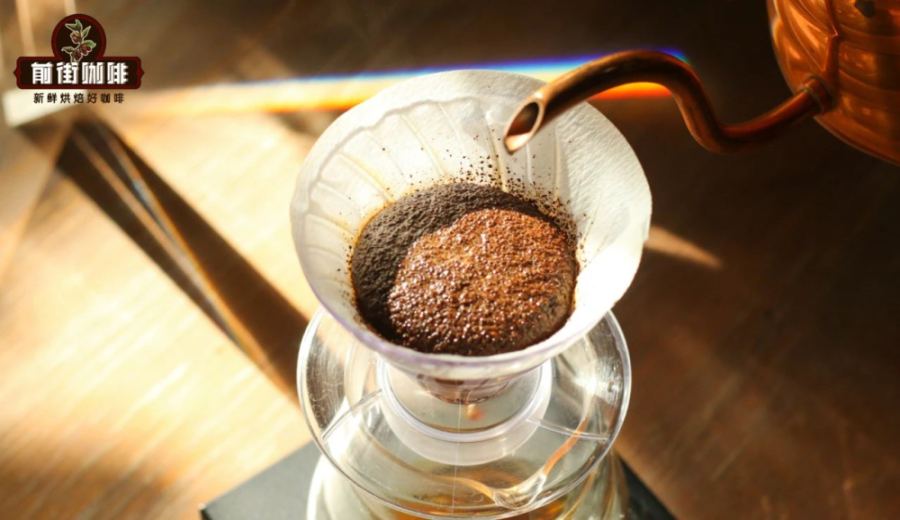
Introduction:The same washed Yirgacheffe coffee beans can exhibit vastly different flavor profiles when brewed using various pour over devices and extraction methods. This article conducts practical tests using a cake filter, KONO filter, French press, strawberry filter, and SOE espresso-style brewing. It meticulously records each method’s grind size, water temperature, coffee-to-water ratio, pouring technique, and extraction time, while analyzing their impact on acidity-sweetness balance, body, and aroma expression—helping coffee enthusiasts find the brewing combination that best suits their taste.
The presentation of coffee flavors depends not only on the beans themselves but also closely on the brewing equipment. With an experimental spirit, one brand used a washed Ethiopian Yirgacheffe as the base, extracting it via a cake filter, KONO filter, French press, strawberry filter, and SOE espresso-style method to explore how different tools influence flavor direction and mouthfeel texture. Complete parameters and actual tasting notes are recorded to provide readers with diverse brewing references.
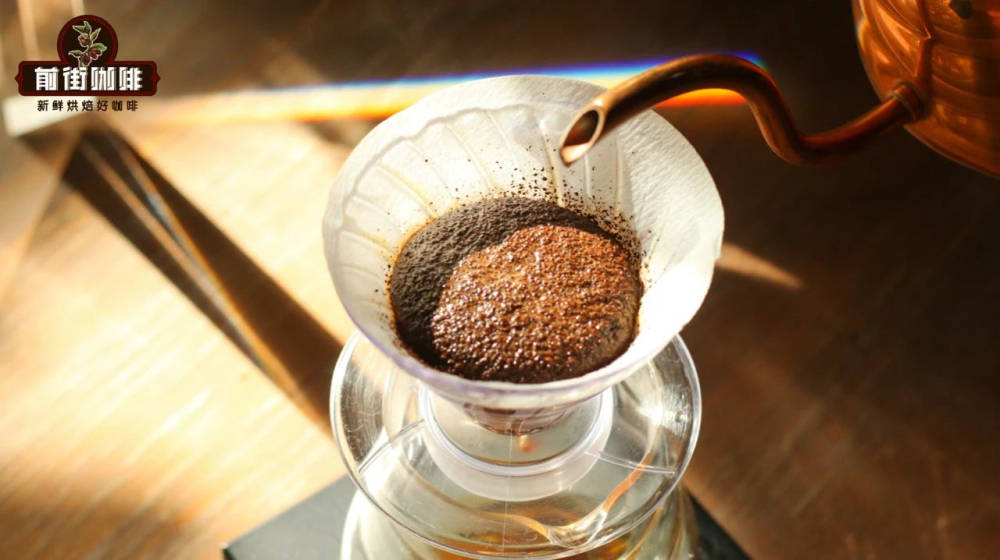
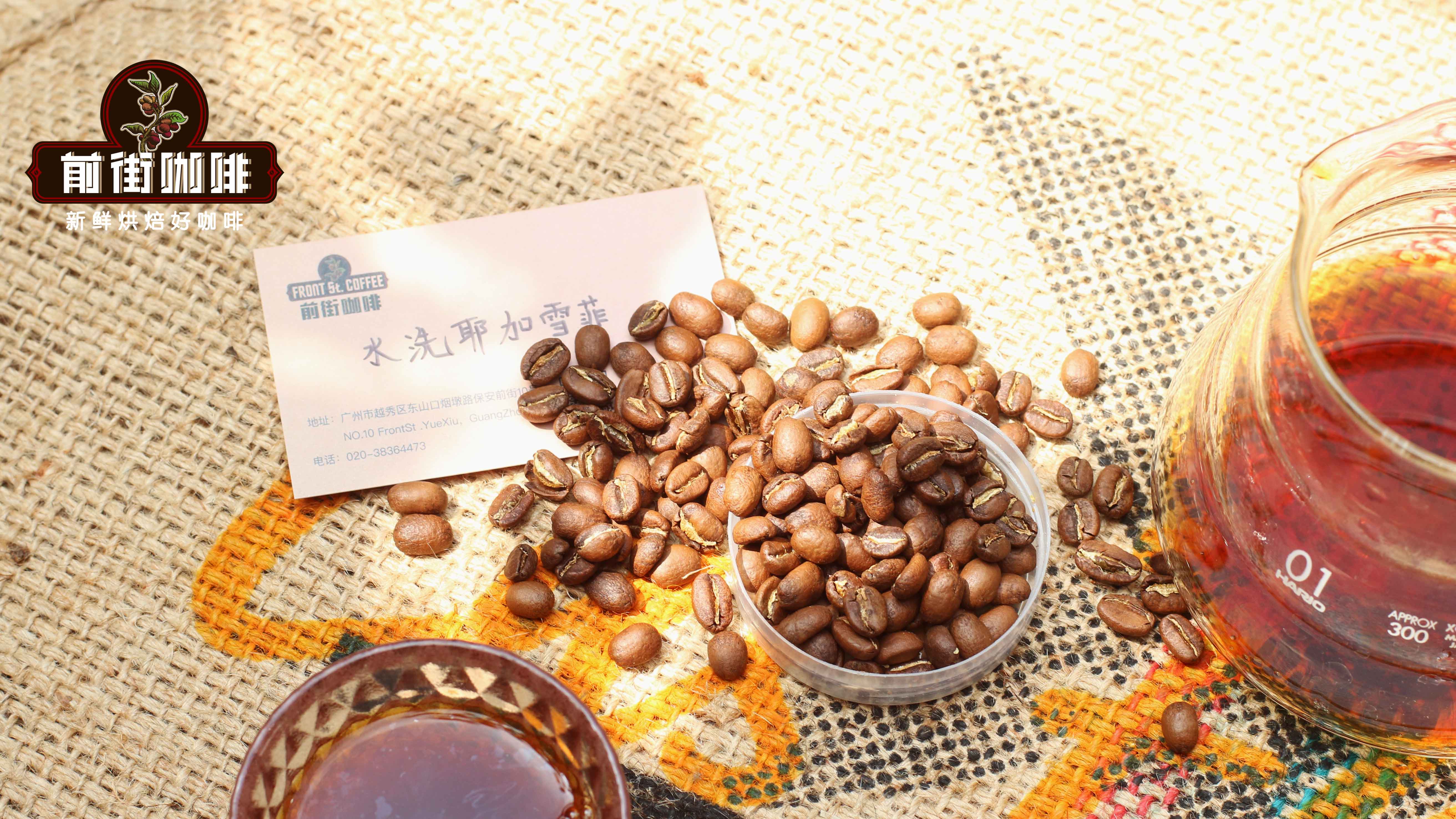
Yirgacheffe is located in southern Ethiopia, at an altitude of about 1,800–2,000 meters. Originally part of the Sidamo region, it was later designated as a separate zone due to its distinctive citrus notes and floral characteristics. The beans used in this test were processed via the washed method, preserving bright acidity and delicate fruit aromas, providing an excellent foundational flavor profile for the experiment.
【Cake Filter】
The cake filter has a flat bottom with only three drainage holes. Its structural design slows down the water flow, allowing the coffee grounds to steep longer for more thorough and even extraction. A medium-fine grind (approximately 78% passing through a Chinese No. 20 sieve) is recommended, with a coffee-to-water ratio of 1:15 and water temperature controlled at 90°C. Pour over steps: Start with a 30-second bloom using 31 grams of water, then pour in a small stream centered up to 122 grams, wait for the water level to drop slightly, and continue pouring to 227 grams. Total extraction time is about 2 minutes. Flavor profile: Lemon and nut aromas are prominent, with a refreshing citrus acidity and cane sugar sweetness on the palate, and a subtle oolong tea-like finish. Overall balance is excellent.
【KONO Filter】
The KONO filter features shorter ribs, causing the filter paper to adhere closely to the filter walls, reducing airflow and slowing the flow rate. This extends the steeping time of the coffee grounds, enhancing extraction stability and sweetness. Use a medium-fine grind (approximately 80% passing through a No. 20 sieve), with the same 1:15 coffee-to-water ratio and 90°C water temperature. Operation: Bloom with 31 grams of water for 30 seconds, then pour in a small stream centered up to 124 grams, followed by pouring to 228 grams. Total time is about 2 minutes. This method yields a more restrained flavor, with creamy and lemon notes on the palate, paired with a soft black tea-like finish. Sweetness is pronounced without risk of over-extraction.
【French Press】
The French press is simple to use—just steep the coffee grounds with hot water, then press the metal filter to separate the brew. This method fully extracts coffee oils and a rich body, making it ideal for those who prefer a bold mouthfeel. A medium-fine grind (80% passing through a No. 20 sieve) is recommended, with 20 grams of coffee, a 1:15 coffee-to-water ratio, and 90°C water temperature. Steps: Add 300 grams of hot water, stir gently 5 times at the 1-minute-and-30-second mark to promote even extraction, let it sit until the 2-minute mark, then slowly press the filter down. Total extraction time is about 2 minutes and 30 seconds. Flavor characteristics: Floral notes are prominent, with a refreshing citrus acidity on the palate, paired with creamy and cane sugar sweetness. The finish carries black tea-like qualities, with a thick and smooth mouthfeel.
【Strawberry Filter】
The strawberry filter has internally dotted ribs resembling strawberry seeds, and its smaller bottom drainage holes effectively slow the flow rate and increase extraction efficiency. The filter and paper have lower adhesion due to the raised dot design, allowing some water to escape through gaps—helping avoid over-extraction—while the bumps also trap fine particles, making it easier for coarse grounds to steep. Use a sugar-level grind (approximately 75%), with a 1:15 coffee-to-water ratio and 90°C water temperature. Operation: Bloom with 30 grams of water for 30 seconds, pour in a small stream centered up to 121 grams, then continue to 226 grams. Total time is about 2 minutes. Flavor profile: Floral and tea aromas intertwine, with lemon and citrus acidity on the palate, and a chocolatey finish. The overall mouthfeel is rich and layered.
【SOE Espresso-Style Method】
This method uses high-concentration extraction: 20 grams of coffee grounds yield 40 grams of concentrated liquid in just 27 seconds. It intensifies flavor concentration, suiting those who prefer strong flavor expression. Flavor description: Bright citrus and berry acids are prominent, accompanied by fermentation aromas. The texture is thick, with vibrant acidity and a well-balanced bitterness-acidity interplay.
In summary, the same Yirgacheffe coffee beans can showcase diverse flavor profiles under different equipment and brewing parameters. The cake filter and KONO emphasize balance and sweetness, the French press delivers richness and oiliness, the strawberry filter reduces over-extraction risks while maintaining body, and the SOE method highlights flavor intensity and lively acidity. Based on personal preference, choose the brewing method that best highlights the beans’ characteristics and enjoy the endless possibilities of pour over coffee.
The above content is compiled by CoffeeHunters, a coffee news website.


