







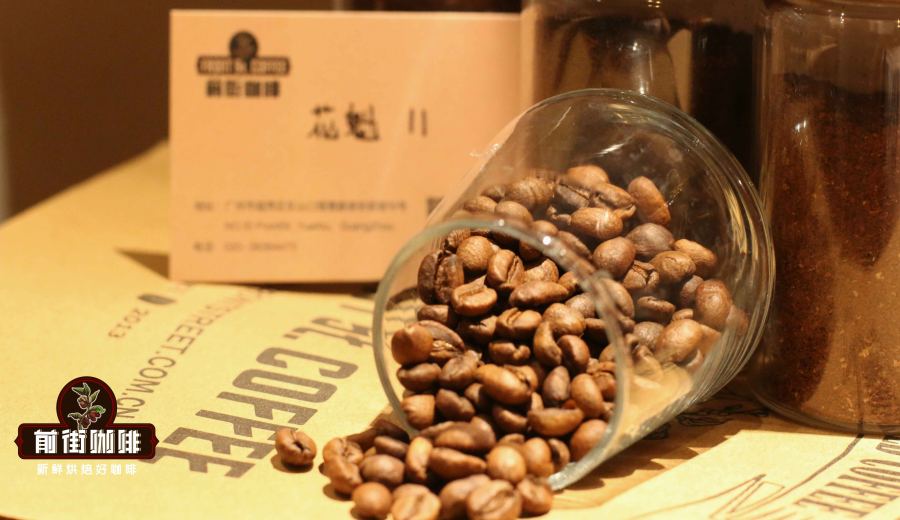
Introduction:Explore a premium natural-processed coffee from the Guji Hambella region of Sidama, a cup that captivates with its charming Earl Grey tea notes and caramel sweetness. With its layered floral and fruity aromas and delicate mouthfeel, this coffee has shone brightly in international competitions. This article details the processing techniques of the Buku Abel washing station, its precise harvesting standards, and its unique natural drying process, along with professional pour-over recommendations and parameter settings to help coffee enthusiasts fully experience the distinctive character of this specialty bean.
The Sidama Hambella region has recently garnered attention for its unique fruitiness and refined fermentation profiles, especially that hint of Earl Grey-like aroma paired with a smooth, sweet caramel finish that leaves a lasting impression. This article will take you deep into the world of this tea-and-fruit-infused natural coffee—from the rigorous craftsmanship of the Buku Abel washing station to how to use the right brewing methods to fully express its flavor profile. Whether you're a beginner pour-over enthusiast or a seasoned coffee connoisseur seeking inspiration from special processing methods, you’ll find practical guidance here.
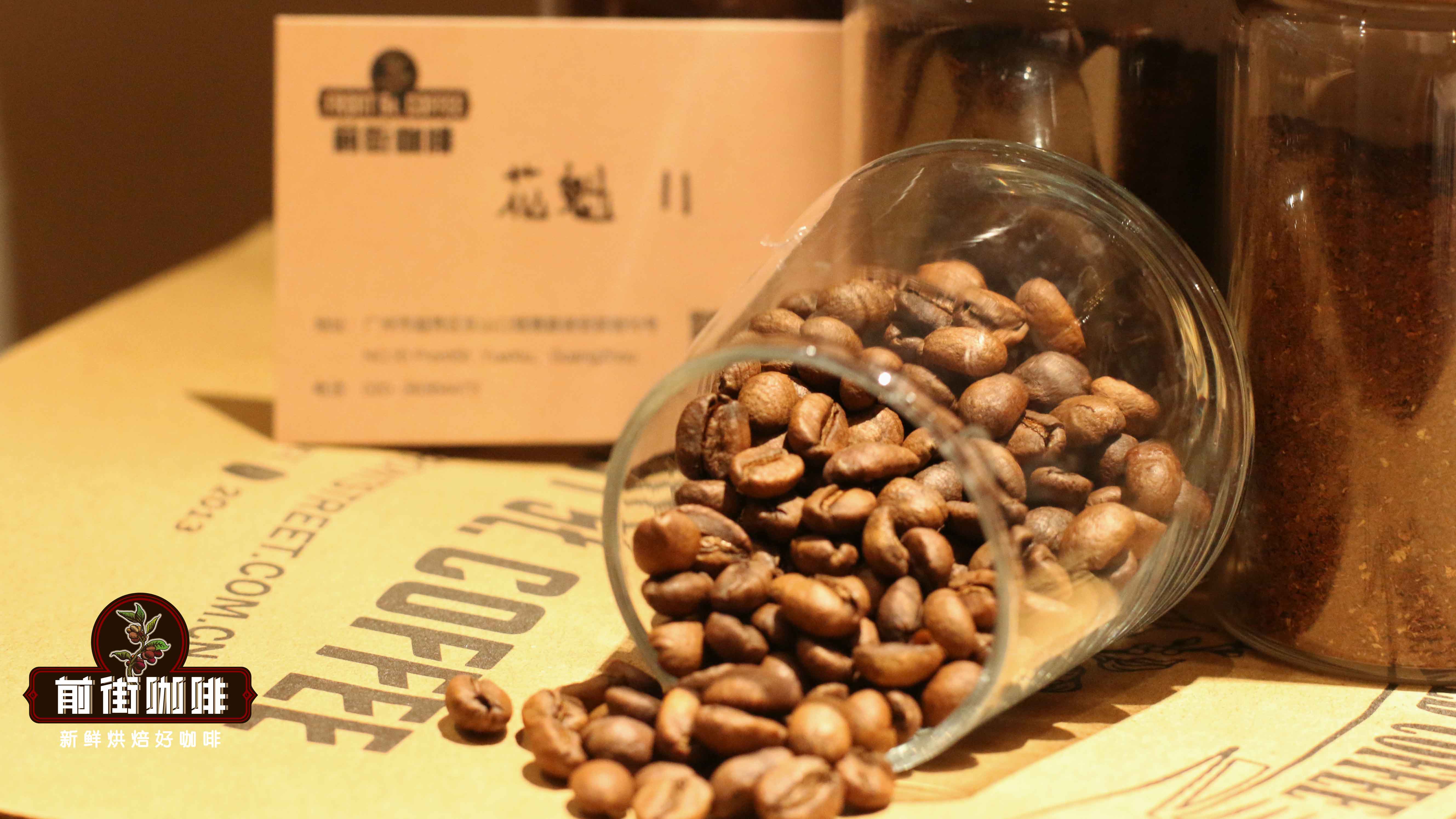
This natural-processed coffee from Sidama doesn’t boast an overwhelming floral intensity; instead, it excels in soft and delicate notes, complemented by distinct fruit aromas such as cream strawberry, mango, jackfruit, citrus, and blueberry. Upon tasting, a smooth tea-like mouthfeel and natural sweetness emerge, followed by a lingering floral note that remains long after the sip. This pronounced fermented berry character is a hallmark of Sidama naturals and is what helped this coffee stand out and earn accolades in the TOH green bean competition.
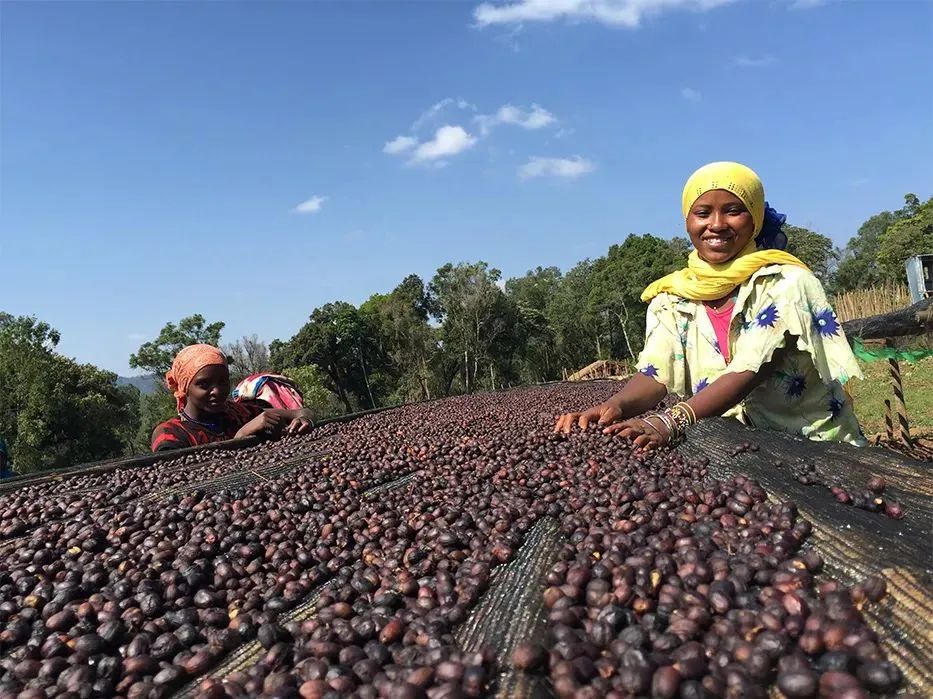
The key to the extraordinary flavors of this coffee lies in the natural processing method employed by the Buku Abel washing station. During the annual coffee harvest season, roughly between December and January, the station selects only fully red, ripe coffee cherries with a sugar content of 30°Brix or higher to ensure ample fermentable sugars. The selected cherries are then placed on African raised beds for extended sun drying—a process that demands meticulous care. To avoid over-fermentation caused by high midday temperatures, farmers provide shade at peak heat; during unexpected rainfall or at night, plastic sheeting is used to protect the cherries from moisture absorption and spoilage. Additionally, the cherries are continuously turned throughout the drying period to ensure even heat distribution and consistent drying, preventing localized overexposure or uneven fermentation. After approximately 18 days of careful attention, the moisture content of the beans is stabilized at around 13%, at which point mechanical hulling is performed to ensure a final product of rich, stable, and premium-quality natural-processed beans.
To fully experience the rich aromas of this Huakui coffee, it is recommended to use freshly roasted beans to preserve the maximum amount of volatile aromatic compounds. Typically, freshly roasted beans are most vibrant within the first five days after roasting. Coupled with reliable logistics timing, consumers will receive the beans at their optimal drinking window—ready to be brewed right away to enjoy their full flavor expression.
To fully extract the essence of this high-altitude natural-processed bean’s aromas and sweetness, it is recommended to use a slightly higher water temperature to help release deeper aromatic compounds, while also being mindful to avoid over-extraction that can lead to bitterness. Below are the professionally recommendedPour-Over Parameter Settings:
Filter Cone: V60
Water Temperature: 92–93°C
Grind Size: Fine Sugar Level (approximately 80% extraction through a #20 standard sieve)
Coffee-to-Water Ratio: 1:15
Coffee Dose: 15 grams
Brewing Method: Three-Stage Pour
The specific steps are as follows: First, pour approximately twice the weight of coffee grounds in hot water (around 30 grams) to bloom, saturating the entire coffee bed and forming a dome shape. Let it bloom for about 30 seconds. Next, pour slowly in a circular motion from the center outward with a fine stream until the total water volume reaches 125 grams for the first pour, allowing the coffee bed to descend to about half its height. Then continue pouring with the same fine stream for the third pour until the total water volume reaches 225 grams. The overall brew time should be controlled to around 2 minutes to ensure balanced flavor and avoid over-extraction.
When you grind these natural-processed Huakui coffee beans, you’ll immediately notice a rich aroma of tropical fruits paired with a hint of natural honey-like sweetness. On the palate, the sweet profile of berries is bold and pronounced, accompanied by complex fruit layers such as passion fruit, all underpinned by a robust black tea-like body. The finish is smooth and lingering, making it hard to resist taking sip after sip as you embark on a flavor journey from the Guji Hambella region of Sidama.
The above content is compiled by CoffeeHunters, a coffee news website.


