







Introduction:Delve into the origins, altitudes, processing methods, and unique flavor profiles of the three Gesha grades from Panama’s Finca El Velo—Red Label auction lots, Green Label reserve lots, and Blue Label selected lots. This article details the differences in cupping performance, cultivation blocks, and roasting strategies for each grade, and provides practical pour over parameters to help coffee enthusiasts master the art of brewing top-tier Gesha.
The Gesha variety (also spelled Geisha), due to its name’s phonetic similarity to the Japanese word for “geisha,” is often romantically referred to as “geisha coffee” in the Chinese market. However, it was Panama’s Finca El Velo that truly propelled it to stardom in the coffee world. Since its breakthrough at the Best of Panama (BOP) competition in 2004, Finca El Velo has established the renowned Red Label, Green Label, and Blue Label series through rigorous plot management and cupping classification systems, setting an international benchmark for Gesha flavors. This article will take you deep into the origin characteristics, processing differences, and flavor expressions of these three grades, along with practical pour over and roasting recommendations to help you fully grasp the essence of Gesha.
The Gesha variety was first discovered in 1931 in the Gesha Forest of Ethiopia, later introduced to the Kenya Coffee Research Institute, and subsequently brought to Uganda, Tanzania, and Costa Rica. It wasn’t until the 1970s that Panama began cultivating this variety, but due to its scarce yield, it was long overlooked and even used as a windbreak tree rather than an economic crop.
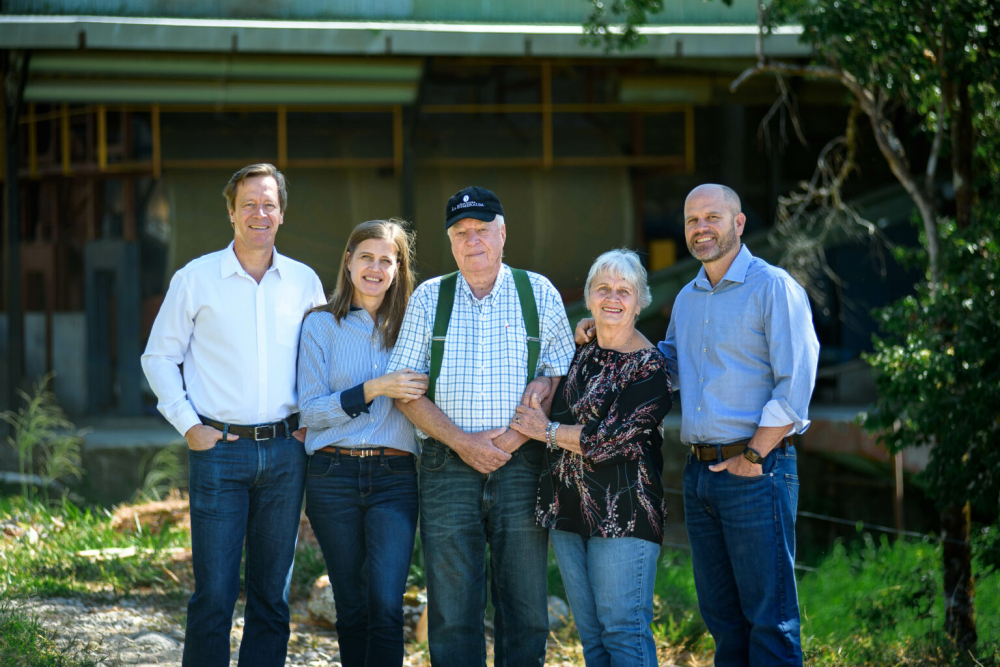
The turning point came with Finca El Velo. In 1964, American banker Rudolph Peterson retired and moved to Panama, acquiring Finca El Velo in the Boquete region, which initially focused mainly on livestock farming. In 1987, his son Price abandoned his medical career to jointly manage the farm with his father. That year, they introduced the Caturra and Catuaí varieties, and in 1994, established a washed processing facility, gradually perfecting the coffee production chain. In 1996, they acquired the neighboring Jaramillo Estate, which boasted superior altitude conditions and outstanding cupping performance—the very birthplace of the Gesha variety.
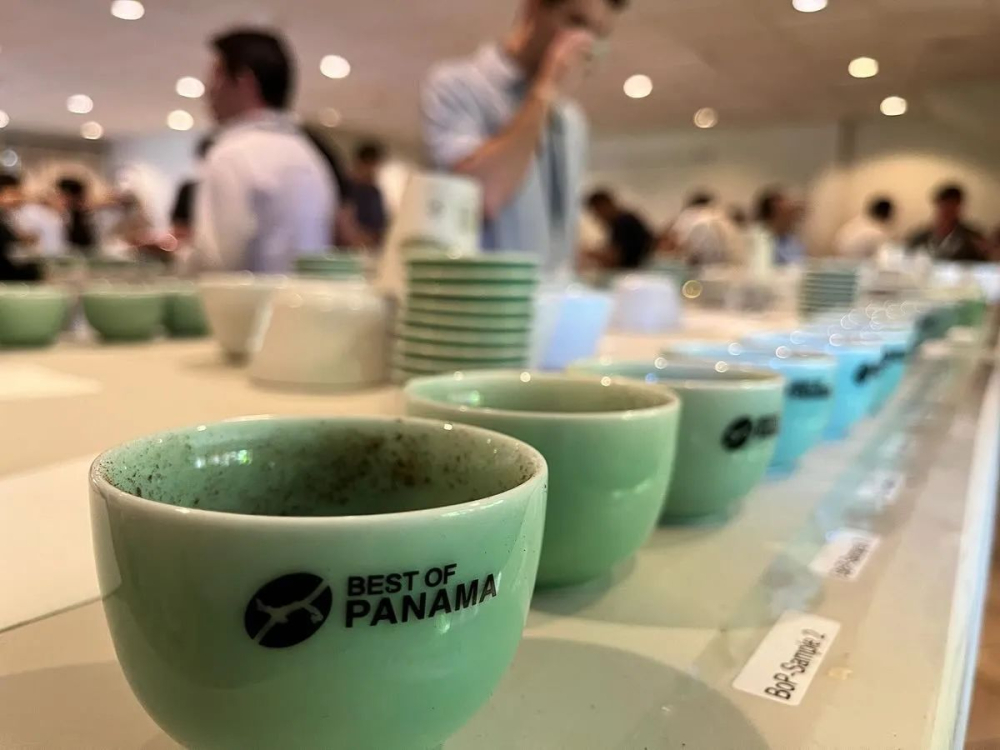
In 2004, Finca El Velo stunned the coffee world with a coffee bean from a high-altitude block of Jaramillo, whose variety had not yet been identified at the time, winning big at the BOP competition. Later confirmed by experts to be the Ethiopian native Gesha variety, this sparked a global craze for this coffee bean. Finca El Velo has since continued to invest in infrastructure, enhancing batch selection and refined processing capabilities to ensure every batch of Gesha showcases its ultimate flavors.
Finca El Velo’s Gesha is primarily divided into three grades: Red Label (auction lots), Green Label (reserve lots), and Blue Label (selected lots), each corresponding to different altitudes, microclimates, processing methods, and market positioning.
Red Label Gesha: Auction-grade premium Gesha
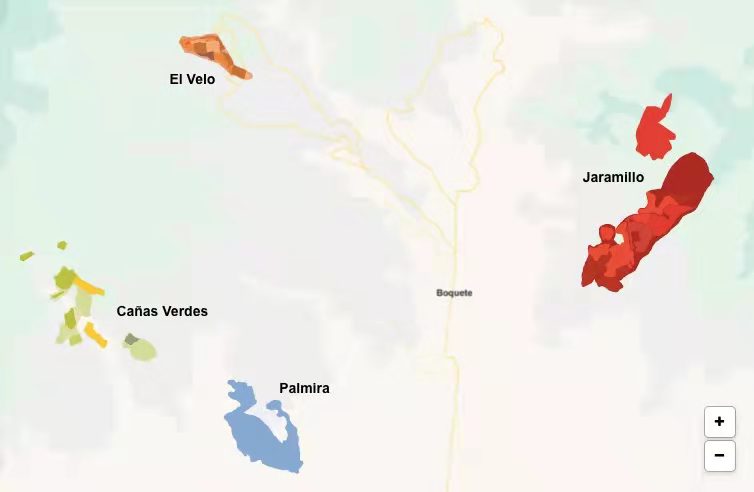
Red Label, commonly known as the “auction lot,” is the flagship representation of Finca El Velo. These Gesha beans are grown in the Jaramillo and Canas Verdes plots, at altitudes between 1,600 and 1,800 meters, often scoring above 90 points in cupping evaluations. These blocks feature significant day-night temperature variations and abundant annual rainfall, resulting in exceptionally layered flavor profiles.
Red Label Gesha is typically processed using natural or washed methods, with some batches experimenting with yeast fermentation to enhance flavor complexity. Its cupping profile is dominated by bright floral notes and citrus tones, often accompanied by honey-like sweetness and a tea-like finish. Some of these Gesha lots enter the independent auction market, while others are non-auction circulation lots. Both share the same origin and processing methods, differing only in price and scarcity.
Green Label Gesha: Reserve micro-lot blend
Green Label, commonly referred to as the “reserve lot,” though not part of the auction, remains a high-quality Gesha. These beans mainly come from micro-lots in the Jaramillo, Canas Verdes, and Quiel plots, also at altitudes between 1,600 and 1,800 meters. Unlike Red Label, Green Label adopts a blended strategy, selecting the ripest coffee cherries from each block to preserve Gesha’s classic floral, fruity, and distinct citrus acidity, delivering a full-bodied and juicy mouthfeel.
Green Label also offers both washed and natural processing options, suitable for coffee lovers who enjoy rich layers and pronounced fruit notes. Although flavor details may vary slightly by season, the overall profile remains true to the core characteristics of the Gesha variety.
Blue Label Gesha: Selected blend lot
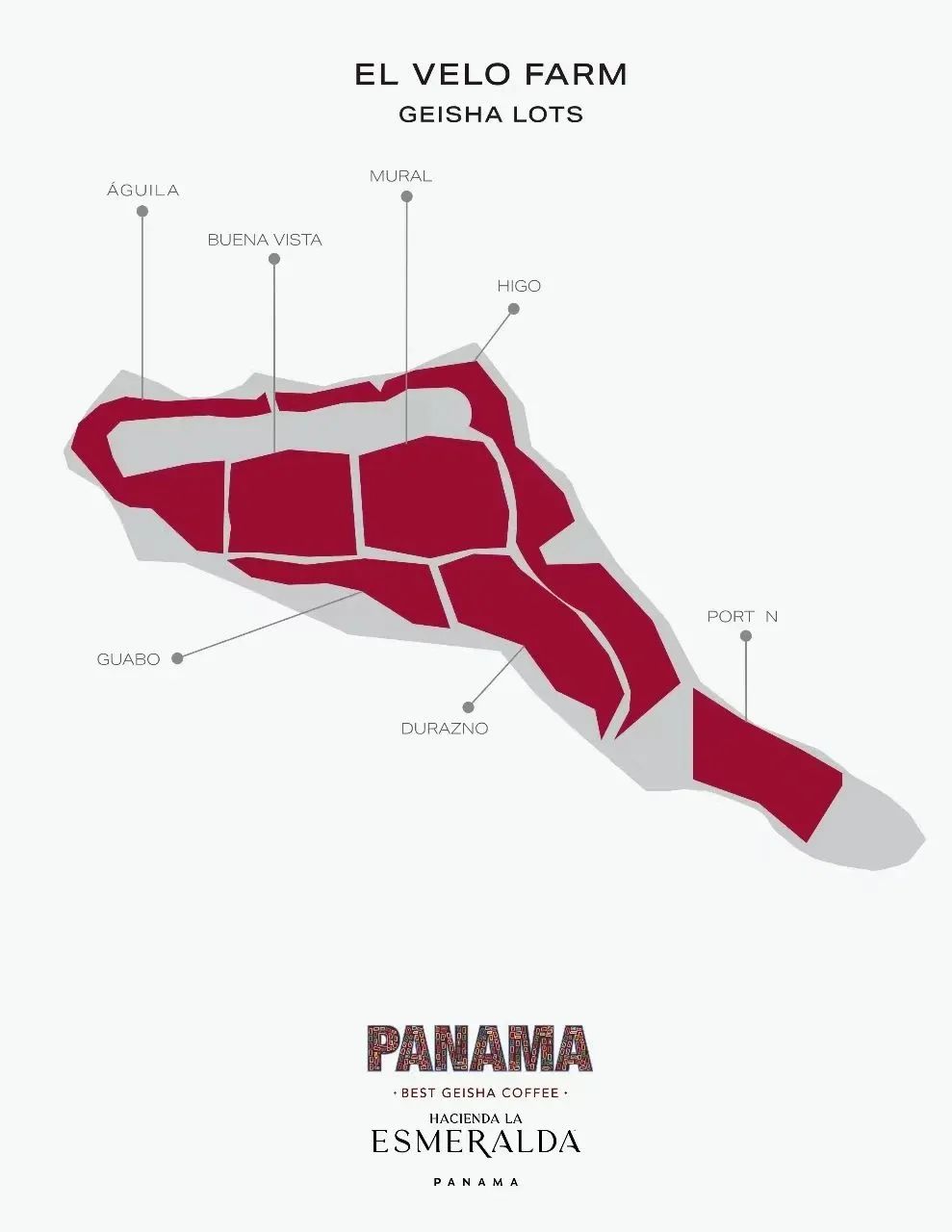
Blue Label, previously known in the market as “Gesha 1500,” is a relatively more accessible selected grade. This grade blends beans from the Jaramillo, Canas Verdes, and the newly added El Velo plots, grown at altitudes of about 1,400 to 1,500 meters. While its cupping performance is less striking than Red and Green Labels, it still delivers the essential bright fruit acidity and delicate floral notes of Gesha. Blue Label is only offered in washed processing, with a flavor profile leaning toward fresh citrus and soft sweetness, suitable for everyday enjoyment or for those new to Gesha.
It’s worth noting that since the 2021–2022 season, Finca El Velo has renamed the Blue Label series to “Las Rocas (Volcanic Rock Gesha),” but many consumers still use the old name. The actual flavor profile remains similar to the previous Blue Label.
Practical Pour Over and Roasting Parameter Recommendations
For the different grades of Gesha, it’s recommended to adjust brewing strategies based on their processing methods and flavor characteristics. For example, Red Label, with its floral-fruity and citrus notes, is well-suited for the V60 filter. Use a water temperature of 90–93°C, a coffee-to-water ratio of 1:16, medium-fine grind (e.g., 80% passing through a 20-mesh sieve), and adopt a staged extraction method to preserve delicate aromas. For the blooming phase, use 30 grams of water for 30 seconds, then pour in a slow stream up to 150 grams before staging, and continue pouring to 240 grams. Total extraction time is approximately 2 minutes.
Green Label and Blue Label can be flexibly adjusted according to the processing method. For washed Green Label, maintain a slightly higher water temperature (90–91°C) and a slightly faster flow rate to enhance bright fruit acidity and floral notes. If Blue Label is washed, it’s recommended to use light roasting to preserve bright citrus and floral tones. The V60 filter is also suitable, with attention to controlling grind size and water temperature to avoid over-extraction and bitterness.
In summary, Finca El Velo’s Red, Green, and Blue Label Gesha series not only represent different price ranges and rarity levels but also showcase the diverse flavor potential of the same variety under varying altitudes, microclimates, and processing methods. Whether you’re a coffee enthusiast pursuing auction-grade premium flavors or a beginner looking to explore Gesha’s characteristics at a more accessible price, this grading system provides clear guidance to help you find your ideal Gesha experience.
The above content is compiled by CoffeeHunters, a coffee news website.


