







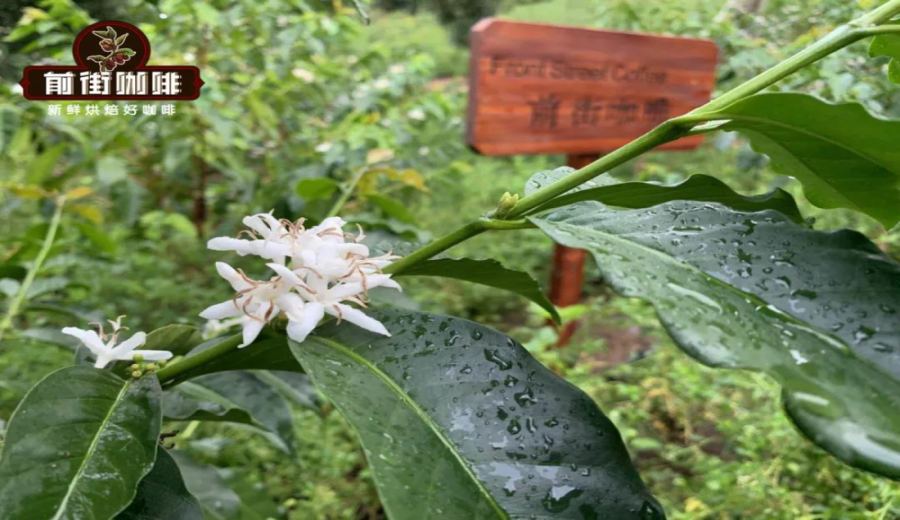
Introduction:Delve into the unique charm of Yunnan small-grain coffee, from the delicate flavors of the classic Typica variety to the distinctive characteristics of major producing regions such as Baoshan and Lincang. This article details the key brewing parameters under medium-light roasting and provides a flavor profile of the 2013 natural Typica. Whether you're a beginner exploring specialty coffee or a pour over enthusiast seeking unique beans, you'll gain practical insights on bean selection and extraction.
Within China’s specialty coffee scene, Yunnan small-grain coffee is becoming increasingly common, yet its nuanced flavor profiles and varietal traits remain little known. This coffee, regarded as a representative of Asian beans, has a natural foundation of herbal and piney notes, yet skillfully blends the brown sugar sweetness nurtured by the local environment, the silky smoothness akin to tea, and the refreshing acidity unique to plums. Among these, Typica and Catimor are the two main varieties defining Yunnan coffee’s flavor profile—the former being a historic high-quality Arabica with outstanding cupping performance, and the latter excelling in disease resistance but slightly less complex in flavor. From the classic producing region of Baoshan to the high-altitude estates of Lincang, each plot of land imparts its own distinct personality to the coffee.
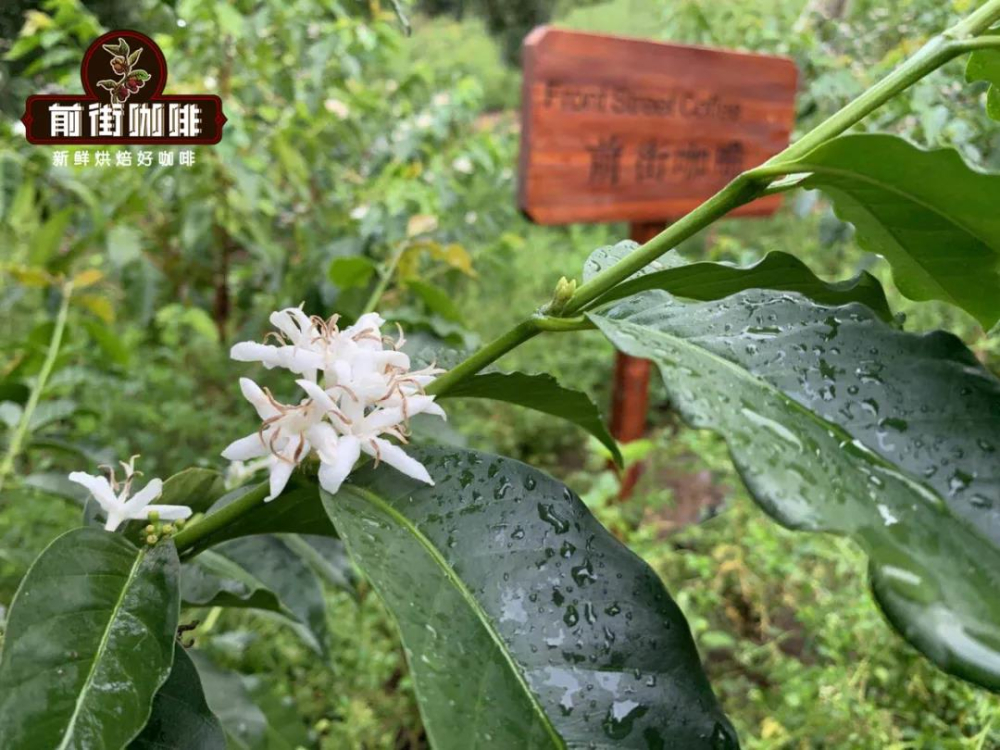
Although Yunnan coffee has gradually entered the public eye, many coffee enthusiasts remain curious about its actual flavor profile. As an Asian bean, it inevitably carries the rustic tones of herbs and pine, but through the sculpting of microclimates in the producing regions, it also blossoms with the warm sweetness of brown sugar, the delicate mouthfeel reminiscent of tea liquor, and the vibrant highlight of plum acidity. One coffee brand has long focused on the Yunnan producing region and even established its own estate in Lincang dedicated to cultivating the Typica variety, showcasing a deep commitment to local specialty coffee.
The flavor blueprint of coffee is always outlined by its core element: the variety. Arabica is generally regarded as the representative of specialty coffee, boasting a richer aromatic spectrum and a softer balance of acidity and bitterness. In contrast, Robusta is often used in espresso blends to enhance intensity. Notably, there are also significant differences within Arabica—Yunnan small-grain coffee was historically a neutral-flavored traditional Arabica, with neither extreme acidity nor bitterness, presenting a “fragrant yet not cloying, strong yet not harsh, mildly acidic and palatable” quality that perfectly suits the general taste. However, as the industry has developed, the market mainstream has shifted to the more disease-resistant Catimor variety.
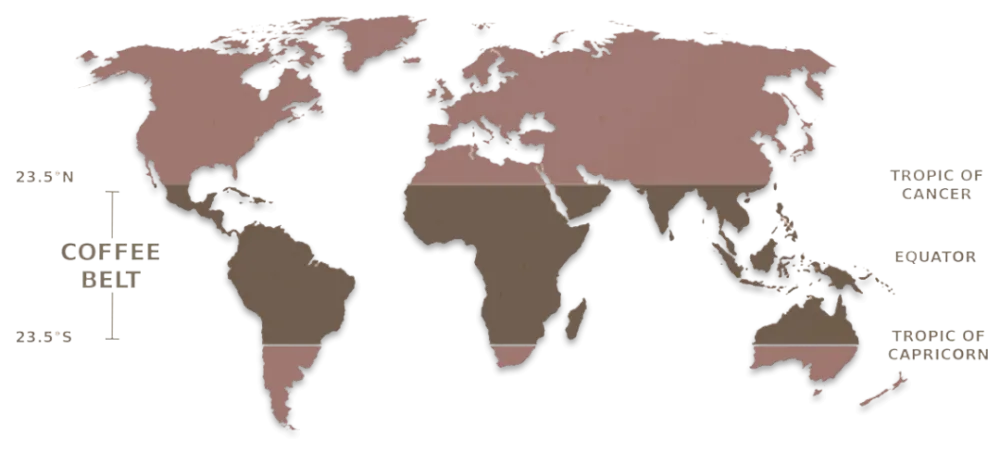
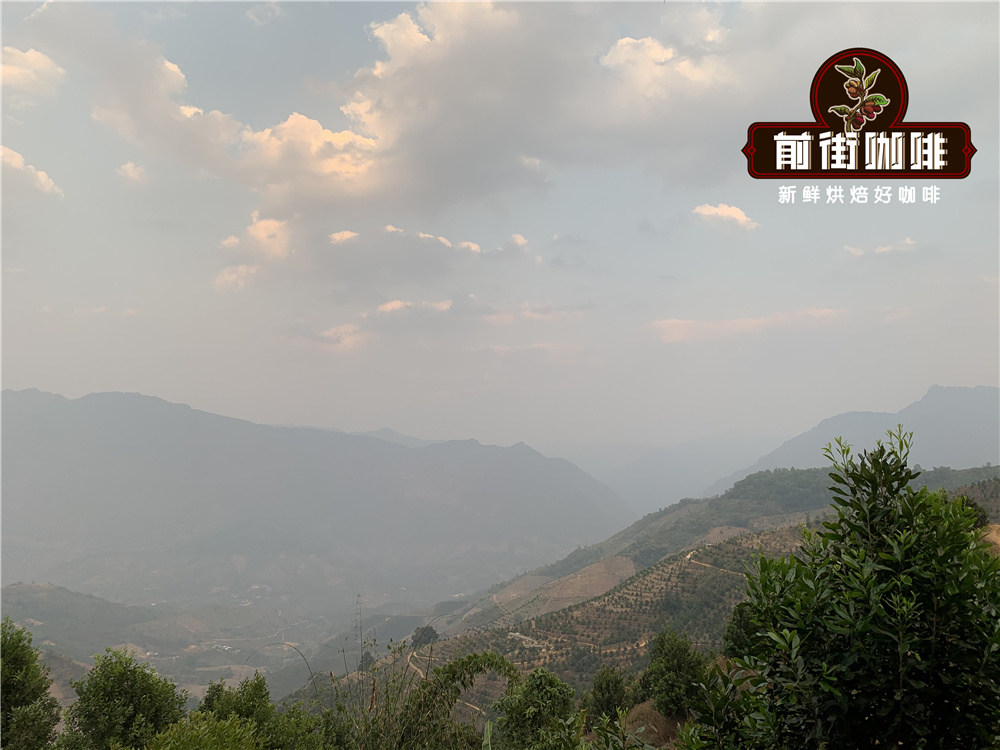
The western and southern regions of Yunnan are located between 15°N and the Tropic of Cancer, with most planting areas situated at altitudes between 1,000 and 2,000 meters. The terrain is primarily characterized by distinctly undulating mountains and slopes. The area boasts fertile soil, abundant sunlight, ample rainfall, and significant diurnal temperature variations, providing an ideal growing environment for coffee trees—high altitude slows growth, prompting the beans to accumulate richer flavor compounds; fertile soil and sufficient sunlight support healthy plant growth, laying the foundation for coffee quality.
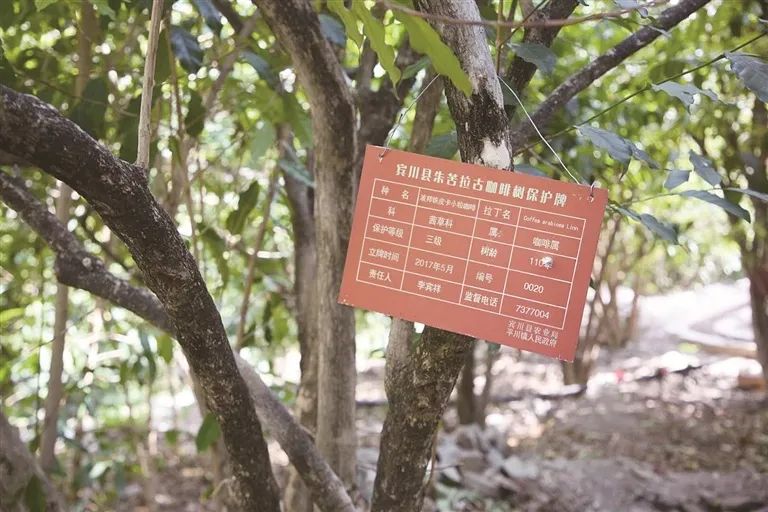
Tracing the history of Yunnan coffee takes us back to 1892. At that time, French missionary Father Timothée built a mission in Binchuan, Dali, and to satisfy his coffee craving, he planted the first coffee trees in Zhukula Village near the church in Binchuan County, teaching villagers the techniques of planting and brewing. To this day, Zhukula Village still preserves 24 coffee trees over 90 years old, and local residents continue the tradition of serving coffee to guests. This village, located at the junction of Dali Prefecture, Chuxiong Prefecture, and Lijiang City, sits by the Youpao River, a tributary of the Jinsha River. Its original Yi name, “Ruokelai,” means “winding mountain path.” With the arrival of French missionaries, it gradually evolved into “Zhukula,” blending Eastern and Western cultural imagery, later translated as “Paradise on Earth”—the first coffee grown on mainland China from this land thus carries unique cultural significance.
The so-called “Yunnan small-grain coffee” is actually another name for Arabica coffee. The Arabica variety originated from wild coffee in Africa and was widely cultivated after being introduced to Europe via the Arabian region, hence the name “small-grain variety.” In the 1890s, it was brought to Zhukula, Binchuan County, Dali by missionaries and has since taken root in China. As a core variety of specialty coffee, Arabica is extremely particular about its growing environment, typically preferring mountainous regions with abundant rainfall and significant diurnal temperature variations. Many top-tier specialty coffees label their packaging with the planting altitude, as higher altitudes slow bean development, allowing for the accumulation of richer flavor compounds. Under the Arabica umbrella, there are further subdivisions into many classic varieties, such as Typica, Bourbon, and Caturra (similar to citrus varieties like Beni Shogun, Amanatsu, and Dekopon), each with its own unique flavor characteristics.
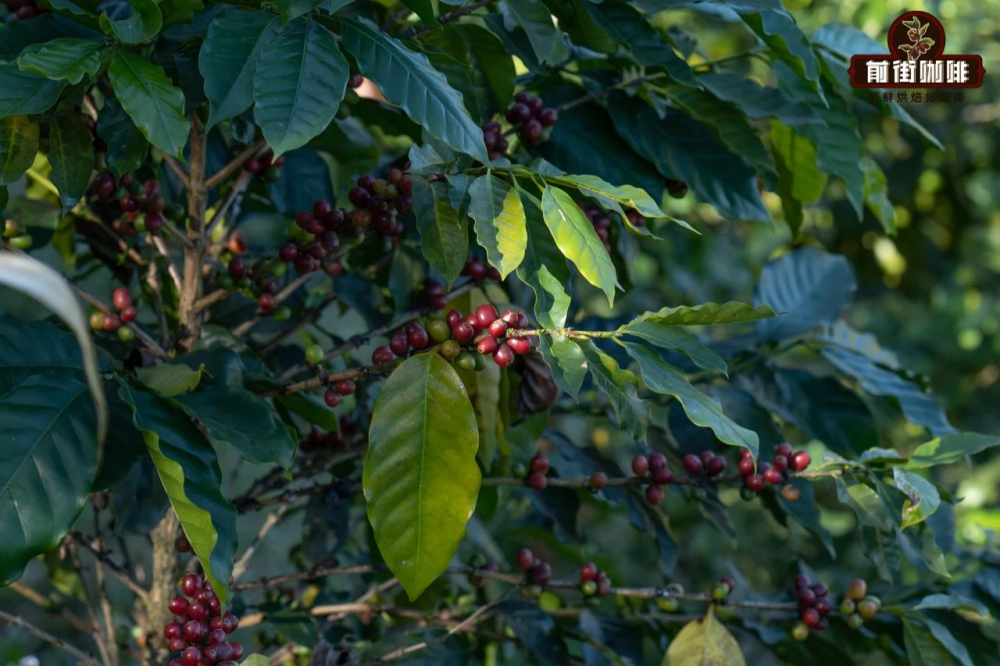
Among the many Arabica varieties, Typica is the epitome of classic. Originating from Ethiopia and southeastern Sudan, it is one of the oldest Arabica varieties, also known as the “old variety small-grain coffee.” Typica coffee trees are tall, with branches forming an elegant conical structure, parent branches inclined at about 60 degrees, leaves mostly dark bronze in color, and top leaves strikingly reddish-copper, earning it the reputation of “red-topped coffee.” Although its yield is low and cultivation is more challenging, its cupping scores are often outstanding, with rich and varied flavor layers, often exhibiting unique fruity notes. Notably, many well-known varieties are derived from Typica—Blue Mountain is its transformation in Jamaica, Kona is its interpretation in Hawaii, and Mandheling is its flavor expression in Sumatra.
Currently, the most widely planted variety in Yunnan is Catimor, a hybrid of the Arabica Caturra and the Robusta Timor. Catimor inherits Robusta’s strong disease resistance and greater adaptability, but falls slightly short of Typica in terms of aroma complexity and flavor delicacy. Of course, Yunnan also has a small number of growers experimenting with cultivating other specialty varieties such as Bourbon, Caturra, and Catuai, which show potential in the pour over single-origin field, but in espresso blends, Catimor remains the mainstream choice. Due to carrying Robusta genes, Catimor is occasionally described as having a “devilish aftertaste,” but with advancements in planting techniques and varietal improvement, its flavor is gradually moving toward a more elegant direction.
Yunnan small-grain coffee is produced across multiple cities and prefectures throughout the province, including Pu’er, Lincang, Baoshan, Dehong, Nujiang, Xishuangbanna, Dali, and Diqing, with planting areas continuously expanding. Dehong, as one of the birthplaces of Chinese coffee, has planting altitudes between 1,000 and 1,600 meters, with approximately 2,000 hectares of coffee gardens, most of which use organic farming methods, and its quality is highly recognized in the international market. Pu’er is truly the “coffee capital,” with a planting area of 43,433 hectares in 2012, an annual output of 36,500 tons, of which 24,700 tons were exported to global markets, making it an important hub in international coffee trade. Baoshan began planting small-grain coffee in the late 1950s, and in 1980, it was honored as the “National Coffee Champion” at the national coffee conference. Its products have been certified with national geographical indication, and the washed Yunnan small-grain coffee from one coffee brand originates from this region. Lincang is located in the southwestern part of Yunnan, with the Tropic of Cancer crossing its southern edge, an average annual temperature of 16.8°C to 17.2°C, distinct wet and dry seasons, and abundant sunlight. One coffee brand has established its own estate here, focusing on cultivating the ancient Typica variety.
The climate characteristics of Yunnan are mainly rainy and foggy, so the washed processing method has become the mainstream choice, effectively removing the pulp layer while retaining clear flavors. Of course, natural processing also has its supporters, such as the natural Catimor and 2013 natural Typica launched by one brand, which showcase richer fruitiness and fermentation layers through slow sun drying. With the rise of the specialty coffee trend, special processes like honey processing have gradually emerged, but given the inherent flavor traits of Yunnan coffee beans, the brand still prioritizes traditional washed and natural processing to faithfully present the characteristics of the producing region.
To highlight the sweet-acid balance and tea-like qualities of Yunnan coffee, one coffee brand adopts a medium-light roasting strategy. It is recommended to use a V60 dripper for pour over, with a powder-to-water ratio of 1:15, a grind size of medium (approximately coarse sugar size, or 80% sieve rate through a Chinese No. 20 standard sieve), and water temperature controlled at 91°C. Specifically, start by pouring water equal to twice the coffee powder amount for blooming (for example, 30 grams of powder with 30 grams of water, blooming for 30 seconds), which helps expel carbon dioxide from the coffee grounds and ensures stability in subsequent extraction. Then, pour water in small circles, performing the first pour when the total water volume reaches 125 grams, and stop after reaching 225 grams. Once all the water in the dripper has completely dripped through, remove the dripper, with the total extraction time being about 2 minutes. Finally, it is recommended to gently swirl the coffee liquid before pouring it into the cup to ensure even flavor distribution.
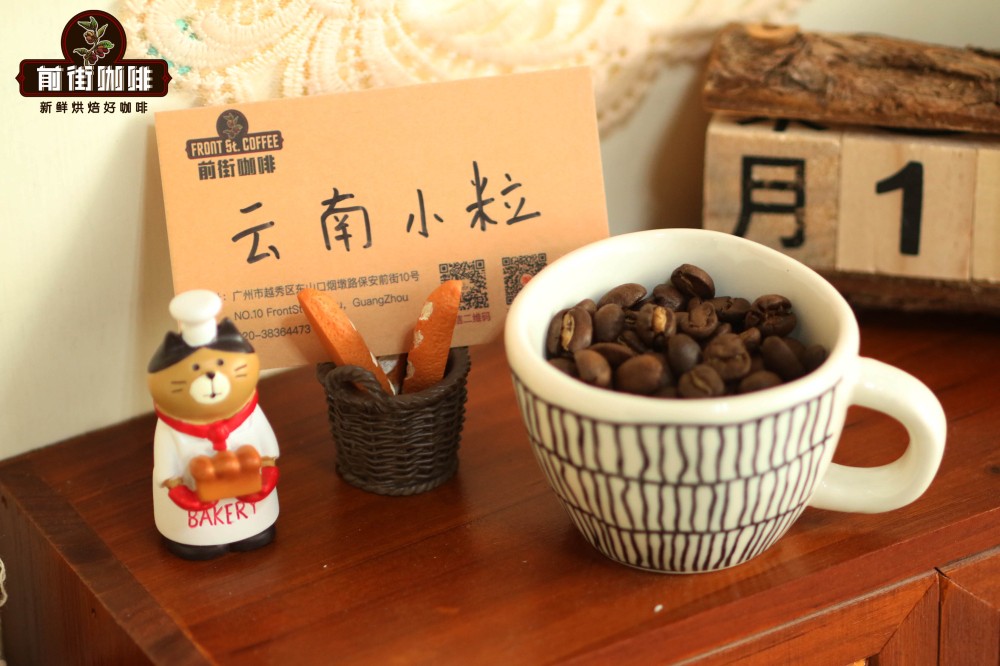
On the flavor profile of the 2013 natural Typica: This coffee exhibits a rich mouthfeel and a vivid sweet-acid contrast, with bright notes of citrus and berries interwoven, accompanied by a subtle fermented wine aroma, and a lingering aftertaste with the warm sweetness of caramel and the creamy texture of butter, while also permeated with the soothing tea-like notes unique to black tea.
Regarding coffee brewing, several key details are worth noting: the freshness of coffee beans directly impacts flavor performance. It is recommended to choose products roasted within 5 days prior and allow for a 4–7 day degassing period to let the beans release carbon dioxide and develop a complete flavor profile. If purchasing coffee powder is necessary, although the degassing step can be skipped (as the carbon dioxide pressure inside the packaging during transport helps stabilize the flavor), note that coffee powder oxidizes more quickly, so it is best to grind and brew immediately for optimal taste. Overall, choosing whole beans and grinding them yourself allows for a fuller experience of the delicate layers of Yunnan small-grain coffee.
The above content is compiled by CoffeeHunters, a coffee news website.


