








Introduction:The Boquete region of Panama is world-renowned for its Geisha coffee. The area’s unique terroir and refined processing techniques produce unforgettable coffee flavors. This article delves into the geography, climate, and three representative farms in Boquete — La Esmeralda, Elida Estate, and Hartmann Estate — analyzing their growing environments, processing methods, and signature varieties. It also offers expert pour over recommendations and flavor profiles, serving as an entry guide to Panama’s specialty coffee.
Although Panama is a small Central American country, it has secured a place in the global specialty coffee market thanks to the Geisha coffee produced in high-altitude regions such as Boquete. Most of the country’s coffee is concentrated in the western Chiriquí Province, especially the Boquete region, which is the most famous, followed by areas like Volcán and Santa Clara. The region has a tropical maritime climate with large day-night temperature variations, an average annual temperature between 23 and 27°C, and an annual rainfall of about 1,500 to 2,500 millimeters. Coupled with planting conditions at elevations above 1,300 to 1,500 meters, these factors provide an ideal environment for coffee cultivation.
Coffee farms in the Boquete region can be categorized into three types: full shade, semi-shade, and sun-grown. Full shade farms plant more than 50 shade trees per hectare, which slows down the ripening of coffee cherries and allows for the accumulation of richer flavor compounds. Although this reduces yield and increases cost, it significantly enhances flavor performance. In contrast, semi-shade and sun-grown farms are easier to manage but usually offer a simpler flavor profile. Additionally, Panama’s specialty coffee emphasizes traceability — each batch of beans can be traced back to a specific farm, field, or even individual farmer, which is a key factor in the uniqueness of its flavors.
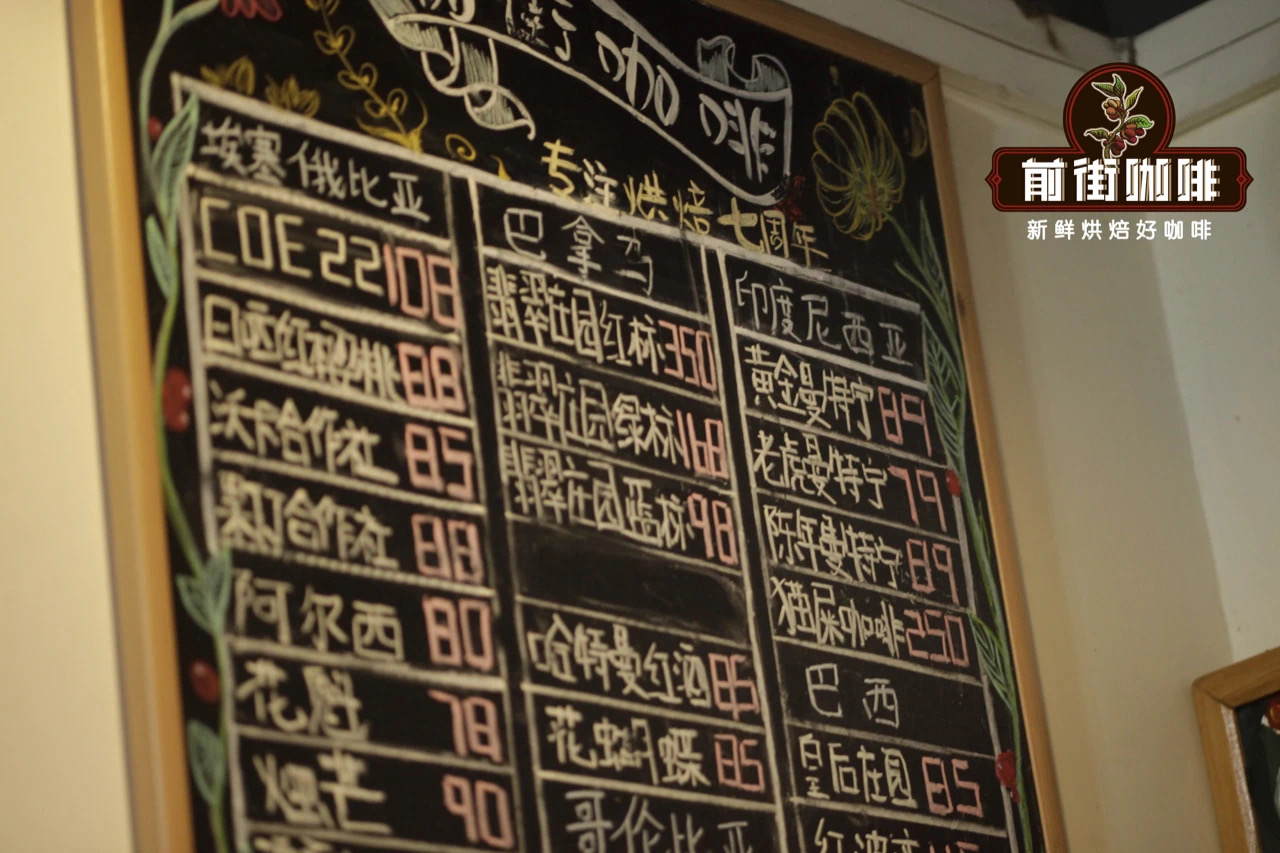
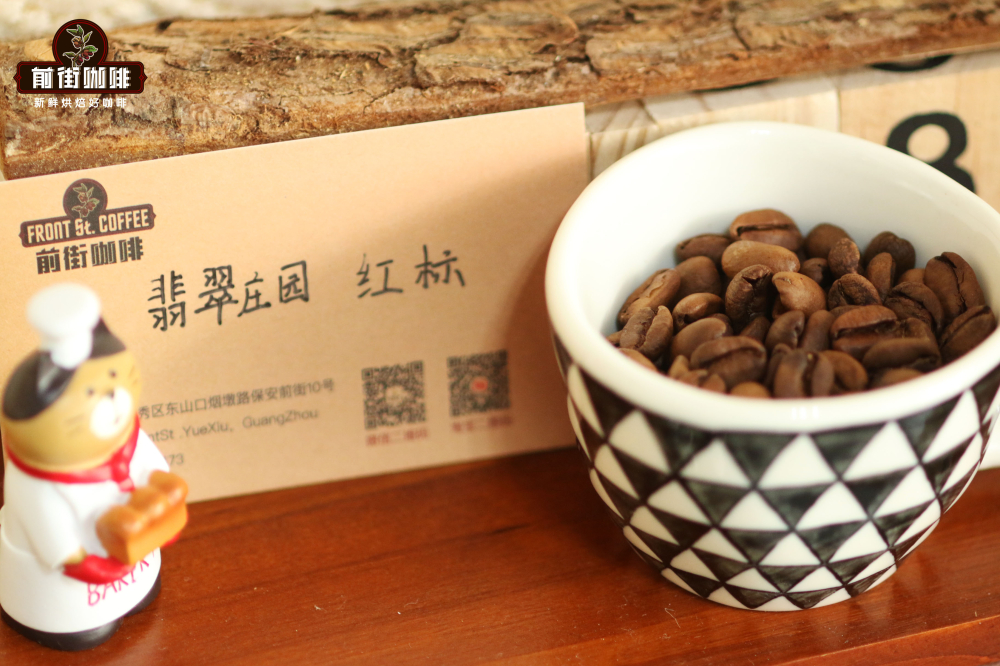
Located in the mountainous region of Boquete, La Esmeralda Estate primarily cultivates coffee in the Jaramillo and Canas Verdes areas at the foot of the Baru volcano. The estate gained fame after winning the Best of Panama (BOP) auction in 2004. Its Geisha coffees are divided into Red Label, Green Label, and Blue Label grades. Among them, the Red Label Geisha is the flagship product, selected from beans grown at altitudes of 1,600 to 1,800 meters with cupping scores above 90, mostly from premium lots in auction batches. Its natural processing imparts the coffee with rich fruity and floral notes.
A brand offers the following pour over recommendation for La Esmeralda’s Red Label Geisha: use a Hario V60 dripper, water temperature around 90°C, 15 grams of coffee, a 1:15 coffee-to-water ratio, and a medium-fine grind (75% through a #20 sieve). The brewing method involves a two-stage extraction — first blooming with 30 grams of water for 30 seconds, then pouring in a slow stream up to 125 grams for the first stage, followed by pouring up to 225 grams to finish. The total extraction time is approximately 2 minutes. These parameters bring out rose-like floral notes and citrus tones, along with berry, apricot, and honey-like sweetness. The mouthfeel is rich and layered.
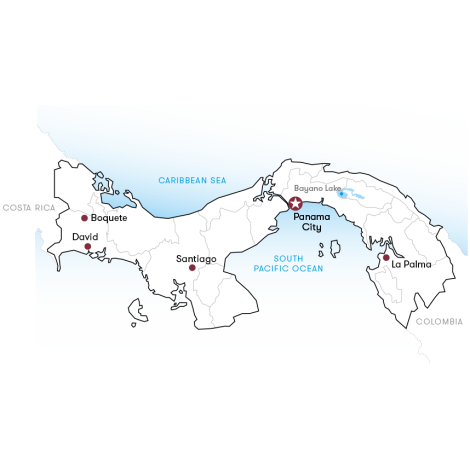
Elida Estate is situated at the foot of the Baru volcano at an elevation of 1,850 meters, making it one of the few ultra-high-altitude coffee-growing areas in Panama. The region has a harsh climate with significant day-night temperature differences, resulting in slower coffee tree growth but more fully developed flavors. The farm owner, Wilford Lamastus, strictly controls the harvest timing, selecting only fully ripe coffee cherries and adhering to natural ripening — even avoiding early harvesting despite the risks of natural disasters. The main varieties include Geisha, Typica, and Catuai, with natural processing being the primary method.
Elida’s Typica natural beans undergo at least five months of low-temperature resting (Low-Temperature Resting), which helps achieve a rounder and more balanced flavor. The recommended pour over setup is a Hario V60, using water at 91°C, 15 grams of coffee, a 1:15 coffee-to-water ratio, and a slightly finer grind (80% through a #20 sieve). The brewing process is similar to that of the Red Label Geisha, but the total time is also kept around 2 minutes. This coffee features flavors of peach, raisin, and orange in the forefront, with mid-palate notes of cane sugar and melon sweetness, and a finish that carries hints of grapefruit and subtle green tea. Overall, it presents a delicate and layered profile.
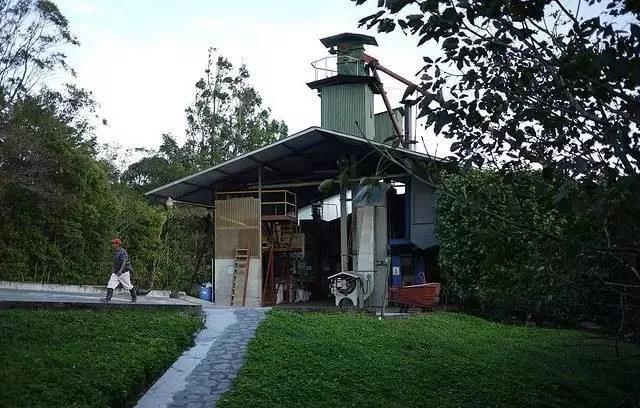
Hartmann Estate is managed by the third generation of the family. Though it rarely participates in BOP auctions, it is a key contributor to Panama’s coffee industry and oversees several well-known farms. The family is known for its low-profile and pragmatic approach to cultivation and processing. Their wine-processing method coffee from the Volcán region has received high praise. This processing method draws inspiration from winemaking, using sealed containers and controlled temperature and humidity in an anaerobic environment to ferment coffee cherries without oxygen, thereby producing unique fruity and wine-like notes.
A brand recommends the following pour over method for Hartmann’s wine-processed Catuai: use a resin-bodied Hario V60 dripper, water temperature at 93°C, 15 grams of coffee, a 1:16 coffee-to-water ratio, and a slightly coarser grind (70% through a #20 sieve) to avoid over-extraction. First, pour 40 grams of water for a 30-second bloom. Then, pour in a circular motion up to 140 grams, followed by another 60 grams, with a total extraction time of about 2 minutes. These parameters highlight wine-like fermentation aromas. The cup offers bright acidity with citrus and kiwi notes, mid-palate flavors of brown sugar sweetness, and a finish that blends wine acidity with rich fruitiness — a uniquely memorable flavor profile.
The above content is compiled by CoffeeHunters, a coffee news website.


