







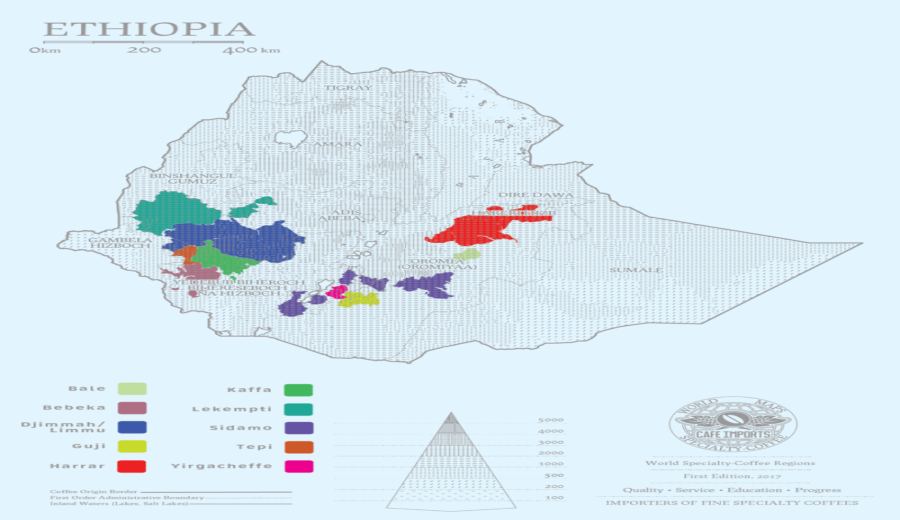
Introduction:Ethiopia is the birthplace of Arabica coffee, boasting a rich array of native varieties and unique microclimates that nurture numerous distinctive specialty coffee regions. This article takes an in-depth look at three renowned regions—Yirgacheffe, Sidamo-Hambella, and Guji-Uraga—analyzing their geographical environments, processing method characteristics, and representative flavor profiles. It also provides practical pour over recommendations, including grind size, coffee-to-water ratio, water temperature, and pouring techniques, to help you precisely extract layered classic flavors such as floral notes, citrus, and honey pomelo tea at home.
As the origin of Arabica coffee worldwide, Ethiopia is not only home to tens of thousands of native varieties but is also hailed as a natural coffee gene bank. Across this diverse highland terroir, numerous world-class specialty coffee regions have emerged. Among them, Yirgacheffe, Sidamo-Hambella, and Guji-Uraga stand out with their unique flavor profiles and exquisite processing techniques, making them sacred grounds for coffee enthusiasts globally. This article will detail the geographical environments, microclimatic conditions, and processing features of these three regions, taking you deep into the distinct flavor expressions of each representative coffee. Practical pour over parameter suggestions are also provided to help you consistently achieve enchanting floral, citrus, and fresh fruit notes in your daily brewing.
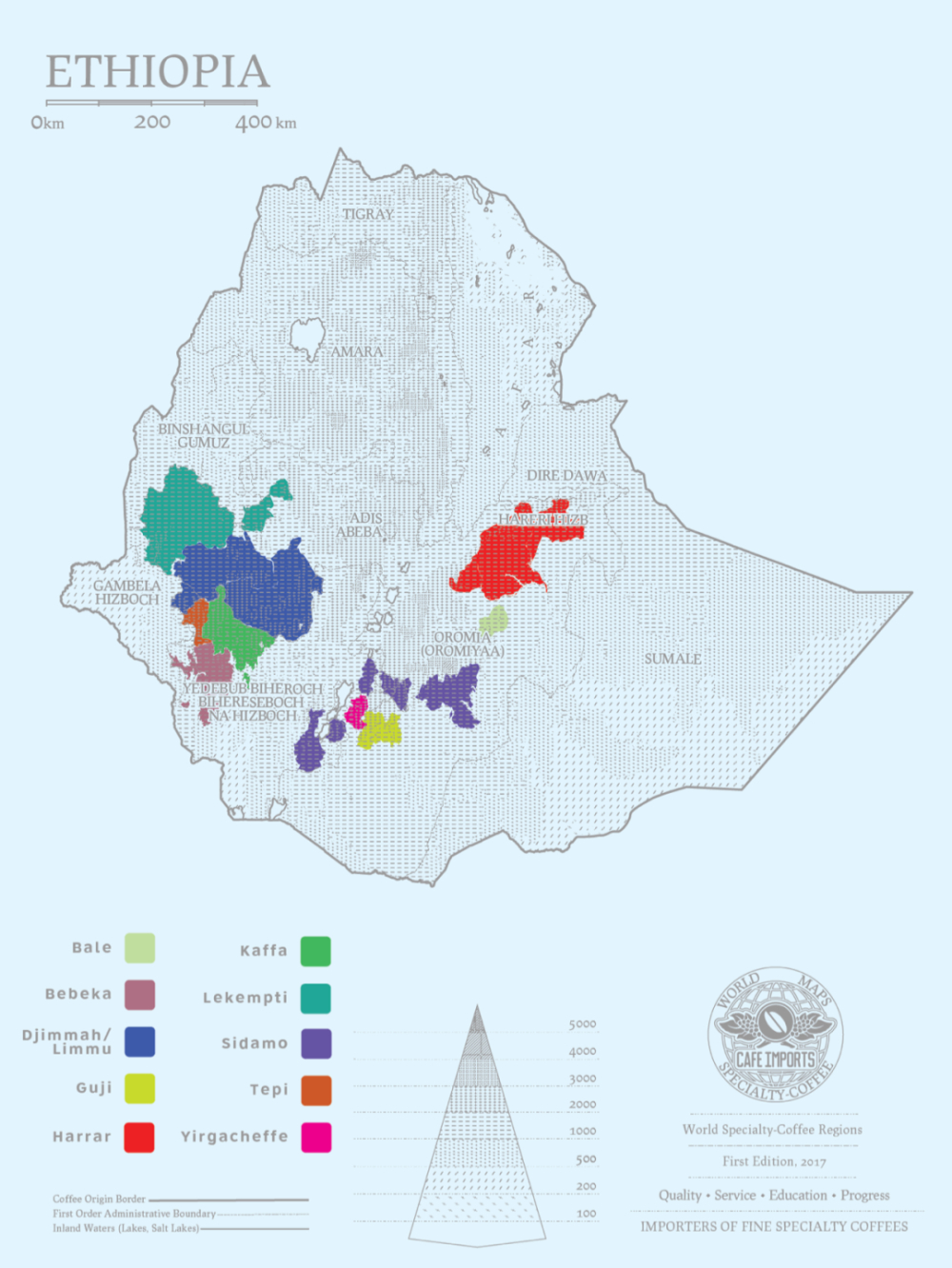
First up is Yirgacheffe, located in the southern highlands of Ethiopia at an altitude of approximately 1700 to 2100 meters. It is one of the earliest coffee-growing regions to be distinctly categorized in the world. Yirgacheffe is renowned for its bright acidity, delicate floral notes, and citrus fruit tones, making it a popular entry point for many newcomers to specialty coffee. The area primarily employs the washed processing method, which more clearly highlights its elegant floral main notes and citrus aromas such as lemon and bergamot. For pour over, it is recommended to use a medium-fine grind (approximately 80% passing through a Chinese No. 20 sieve), a coffee-to-water ratio of 1:15, with water temperature controlled at 90 to 91°C, and a three-stage pouring technique to preserve its refined fruit acidity and aromatic layers.
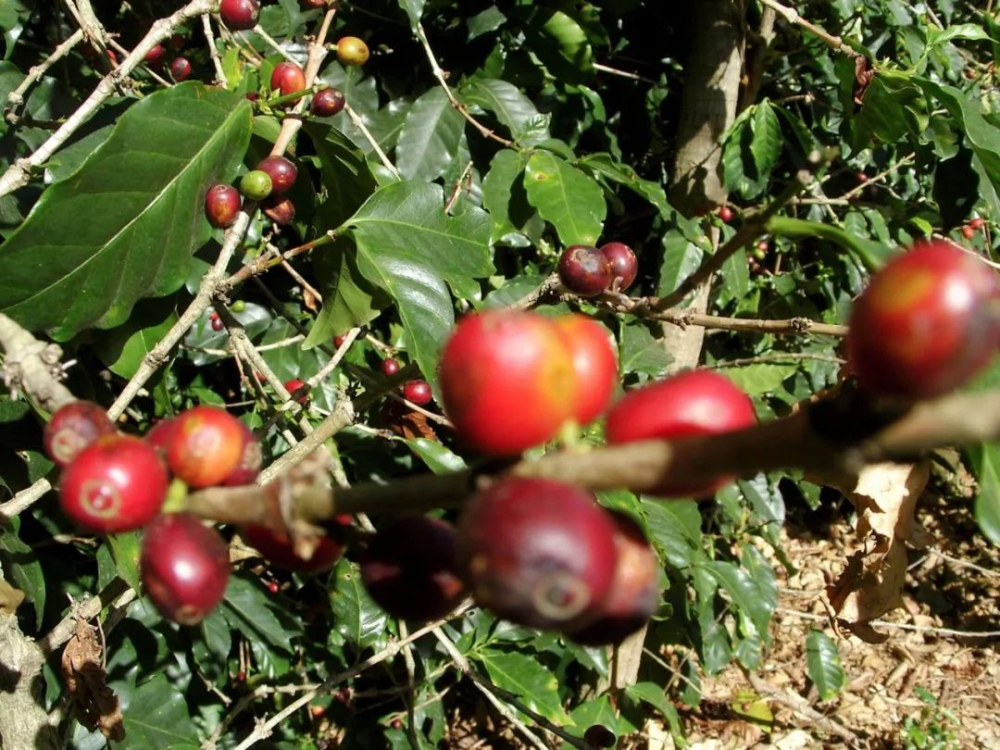
Next is the geographically close yet flavor-distinct Sidamo-Hambella region, originally a sub-area under the Sidamo province and now part of the Oromiyaa state, at an altitude of around 1900 to 2200 meters. Hambella is situated in a remote mountainous area with a cool climate, significant day-night temperature variations, and mineral-rich soil, resulting in coffees with intense berry, tropical fruit, and honey aromas. In 2017, a naturally processed coffee from Hambella won the Ethiopia TOH competition, later becoming widely known as the HuaKui series. It features a rich mouthfeel, high sweetness, and a long-lasting aftertaste. For brewing, it is recommended to use a medium-fine grind (80% passing through a Chinese No. 20 sieve), with a coffee-to-water ratio of 1:15 and water temperature at 91°C, employing a three-stage slow circular pouring method: the first stage involves pouring 30 grams of water for a 30-second bloom; the second stage pours at a rate of 4 grams per second, circling every 4 seconds until reaching 125 grams, then stopping; after the coffee bed settles, pour up to 225 grams, with a total extraction time of about 2 minutes and 10 seconds, fully showcasing its juicy texture and multi-layered fruit aromas.

Finally, we introduce Uraga, a sub-region within the Guji zone, situated at an impressive altitude of 2300 meters. The soil here is black Vertisol, rich in organic matter, and the climate is cool and dry—ideal conditions for coffee cherries to mature slowly and accumulate flavor compounds. Uraga’s coffees are known for their pronounced tropical fruit aromas, honey sweetness, and unique tea-like aftertaste. The 2020 Ethiopia TOH washed category champion bean, in particular, gained fame for its highly distinctive honey pomelo tea-like flavor. To avoid over-extraction that could lead to tea-like astringency, it is advised to use a slightly coarser grind than standard pour over (70% passing through a No. 20 sieve), with a coffee-to-water ratio of 1:16 and water temperature at 91°C. Control steeping time through a three-stage pouring method: after preheating the equipment, place and gently tamp 15 grams of coffee grounds. The first stage involves 30 grams of water for a 30-second bloom; the second stage pours 120 grams in a circular motion from the center outward, completing around the 1-minute mark; the final stage adds 90 grams, and the filter is removed once dripping finishes, with a total extraction time of about 2 minutes and 5 seconds. These parameters clearly highlight its citrus top note, honey pomelo tea mid-palate, and the delicate aftertaste reminiscent of oolong tea.
In summary, these three Ethiopian regions each have their own unique characteristics. Whether you prefer the fresh and bright floral-citrus profile or the rich and full-bodied tropical fruit-honey aroma, you can find your desired flavor expression among them. By mastering the correct grind size, coffee-to-water ratio, water temperature, and precise multi-stage pouring techniques, you too can easily recreate the unique charm of these world-class specialty coffees at home and enjoy the sensory journey brought by every pour over session.

The above content is compiled by CoffeeHunters, a coffee news website.


